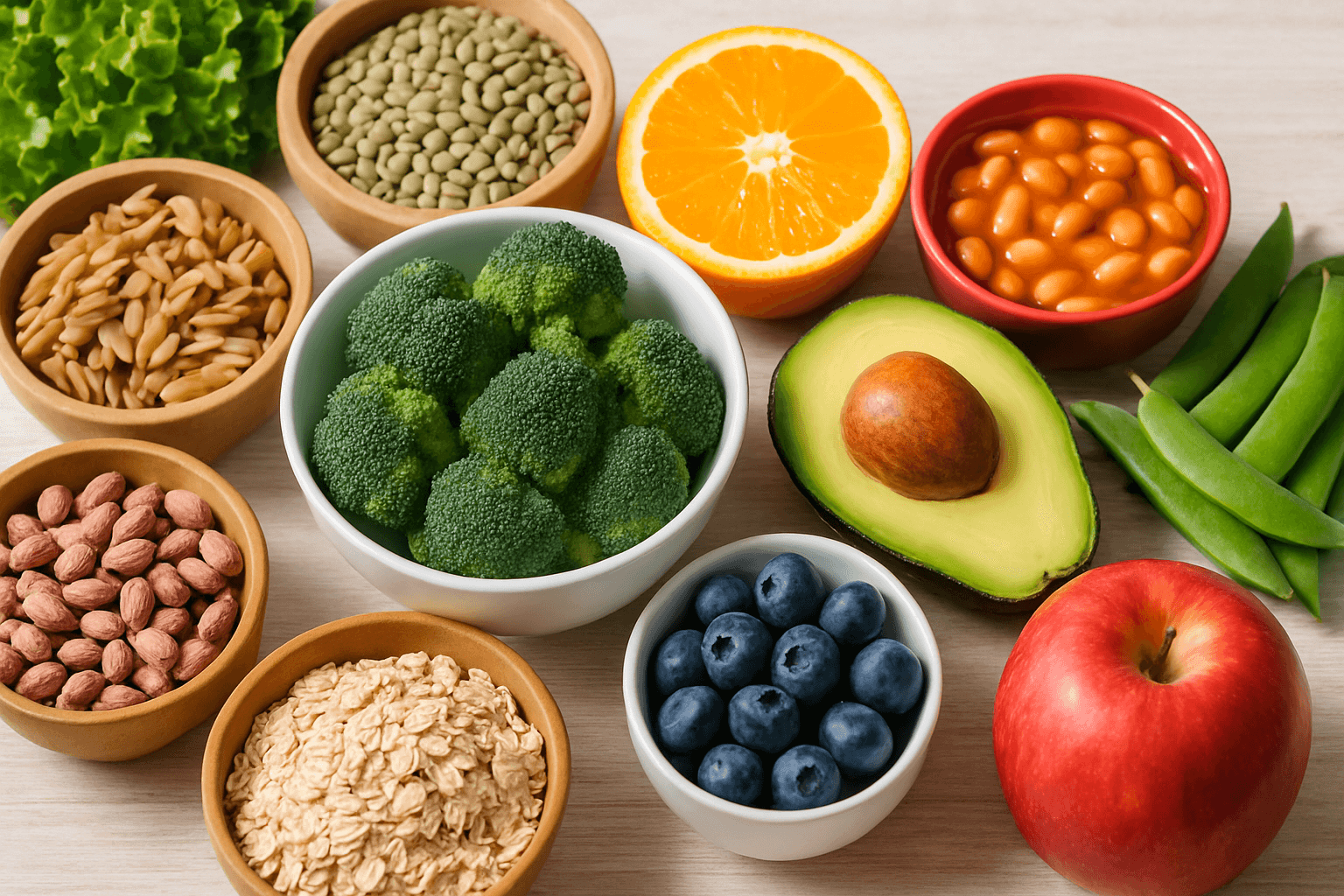
Understanding Dietary Fiber and Gut Health
Dietary fiber is one of the most underrated nutrients in modern nutrition, yet it plays a crucial role in maintaining optimal gut health and overall wellness. According to the American Heart Association, most adults consume only about 15 grams (0.5 oz) of fiber daily, while the recommended intake is 25-38 grams (0.9-1.3 oz) per day. This significant gap has contributed to rising rates of digestive disorders, obesity, and metabolic diseases worldwide.
The gut microbiome—the community of trillions of microorganisms living in your digestive tract—depends heavily on dietary fiber to thrive. When you consume adequate fiber, you feed beneficial bacteria that produce short-chain fatty acids (SCFAs), particularly butyrate, which nourish your intestinal cells and strengthen the gut barrier. Research published by the NIH demonstrates that individuals with diverse, fiber-rich diets have significantly healthier microbiota profiles and better overall health outcomes.
The World Health Organization (WHO) recognizes fiber intake as essential for preventing chronic diseases including type 2 diabetes, cardiovascular disease, and colorectal cancer. By incorporating fiber-rich foods into your diet, you're not just improving digestion—you're investing in long-term health protection.
The Science Behind Fiber and Gut Microbiota
Your gut bacteria function like a living ecosystem that requires specific nutrients to flourish. Fiber acts as a prebiotic—a substance that selectively stimulates the growth of beneficial bacteria. When beneficial bacteria ferment fiber in your colon, they produce short-chain fatty acids that provide multiple health benefits:
- Strengthening the gut barrier: Butyrate, the primary SCFA, maintains the integrity of your intestinal lining and prevents "leaky gut"
- Reducing inflammation: SCFAs have anti-inflammatory properties that protect against inflammatory bowel diseases
- Supporting immune function: Approximately 70% of your immune system resides in your gut, and fiber helps maintain this crucial defense
- Regulating blood sugar: Fiber slows glucose absorption and improves insulin sensitivity
- Promoting satiety: Fiber-rich foods keep you fuller longer, naturally reducing calorie intake
A landmark study from Stanford University found that people who increased their fiber intake from 15g to 30g daily experienced significant increases in microbial diversity within just two weeks, with continued improvements over time.
Top 7 Foods to Improve Your Gut Microbiome
1. Legumes (Beans, Lentils, and Chickpeas)
Legumes are nutritional powerhouses, containing 6-8 grams (0.2-0.3 oz) of fiber per cooked cup—among the highest of any food. They're also rich in resistant starch, a type of carbohydrate that acts as a prebiotic fuel source for your beneficial bacteria.
Practical tip: Start with lentil soup or bean-based dishes if you're not accustomed to high-fiber foods. Begin with small portions (about ½ cup) and gradually increase to allow your digestive system to adapt. Most people can comfortably consume 1 cup (240 ml) of cooked legumes daily without digestive discomfort.
2. Whole Grains (Oats, Barley, and Brown Rice)
Whole grains provide soluble and insoluble fiber, with oats being particularly beneficial. One cup (81g) of dry oats contains approximately 8 grams (0.3 oz) of fiber, plus beta-glucans—specialized compounds with proven prebiotic effects. Research from the Journal of Nutrition shows that regular oat consumption increases beneficial Lactobacillus and Bifidobacterium species within the gut.
Practical tip: Switch to whole grain bread (containing at least 3g fiber per slice), brown rice, and steel-cut oats. One serving of whole grains at breakfast significantly improves daily fiber intake while keeping you satisfied until lunch.
3. Artichokes and Asparagus
These vegetables contain inulin, a soluble fiber that acts as a highly selective prebiotic—it specifically feeds beneficial bacteria while starving harmful ones. One medium artichoke provides about 7 grams (0.25 oz) of fiber and approximately 1.5 grams (0.05 oz) of inulin.
A study published in the American Journal of Clinical Nutrition found that participants consuming inulin-rich foods increased their Bifidobacterium populations by up to 40% in just two weeks.
Practical tip: Include roasted artichoke hearts as a snack or side dish, and add asparagus tips to salads, soups, or stir-fries. These vegetables are versatile and relatively inexpensive at $3-5 per pound depending on your location.
4. Berries (Especially Blueberries and Raspberries)
Berries combine high fiber content with powerful polyphenols—plant compounds with antioxidant and anti-inflammatory properties. One cup (123g) of raspberries contains 8 grams (0.3 oz) of fiber, while blueberries provide 3.6 grams (0.13 oz) per cup plus anthocyanins that feed beneficial bacteria.
Research from the University of North Carolina demonstrated that berry consumption increased microbial diversity and reduced markers of inflammation in study participants over eight weeks.
Practical tip: Fresh berries can be expensive ($4-8 per pound), but frozen berries offer identical nutritional benefits at about half the cost. Add them to oatmeal, yogurt, or smoothies for convenient fiber intake.
5. Garlic and Onions
These allium vegetables contain fructooligosaccharides (FOS), indigestible carbohydrates that serve as potent prebiotics. Raw garlic is particularly beneficial—one clove contains about 0.1 grams (minimal weight) of inulin and FOS combined, but regular consumption provides cumulative benefits.
A clinical trial from the Journal of Functional Foods showed that participants consuming 6-12 grams (0.2-0.4 oz) of raw garlic daily experienced a 50% increase in Faecalibacterium prausnitzii, a bacterial species associated with improved gut health.
Practical tip: Include minced raw garlic in salad dressings, salsas, or guacamole for maximum prebiotic benefits. Cooking reduces some prebiotic compounds, so combining both raw and cooked forms provides optimal benefits.
6. Bananas (Particularly Underripe Bananas)
Bananas contain resistant starch, especially when slightly underripe. A medium underripe banana (about 120g) contains approximately 2-3 grams (0.07-0.1 oz) of resistant starch, which ferments in the colon to produce beneficial short-chain fatty acids.
Practical tip: Eat bananas when they're still slightly green rather than fully yellow. This simple timing adjustment increases resistant starch content by up to 30% compared to fully ripe bananas, providing greater prebiotic benefits.
7. Flaxseeds and Chia Seeds
These tiny seeds pack enormous nutritional benefits. Just one tablespoon (10g) of ground flaxseeds provides 2.8 grams (0.1 oz) of fiber, while chia seeds provide 9.8 grams (0.3 oz) per tablespoon (10g)—making them among the highest-fiber foods available.
A 2019 study from Nutrients journal found that chia seed consumption significantly increased Akkermansia muciniphila, a beneficial bacterium linked to weight management and improved metabolic health.
Practical tip: Ground flaxseeds are more bioavailable than whole seeds (your body cannot digest whole flax efficiently). Sprinkle ground flaxseeds on yogurt or add chia seeds to smoothies. Both are affordable at approximately $8-12 per pound and have long shelf lives.
Implementing a Fiber-Rich Diet: Practical Guidelines
Increasing fiber intake requires gradual implementation to avoid digestive discomfort. The most common mistake is increasing fiber too rapidly, which causes bloating, gas, and cramping as your microbiota adjusts to processing increased fiber amounts.
Week 1-2: Add one new fiber-rich food to your diet. Start with small portions—about ¼ to ½ cup of legumes or one serving of whole grains daily.
Week 3-4: Add a second fiber source while maintaining your first addition. Gradually increase portion sizes as tolerated.
Week 5+: Continue adding fiber sources until you reach the recommended 25-38 grams daily. At this point, most people experience improved digestion with minimal bloating.
Critical reminder: Increase water intake alongside fiber consumption. Aim for at least 8-10 cups (2-2.4 liters) of water daily, as fiber requires adequate hydration to move efficiently through your digestive tract and prevent constipation.
Potential Challenges and Solutions
While dietary fiber offers tremendous benefits, some individuals experience temporary digestive symptoms during transition periods. Understanding these challenges helps you persist through the adjustment phase:
- Bloating and gas: Caused by rapid fermentation of undigested fiber. Solution: Increase fiber more gradually over 4-6 weeks rather than days.
- Constipation: Occurs when increasing fiber without adequate water. Solution: Drink at least 10 cups (2.4 liters) of water daily.
- Sensitivity to specific foods: Some people react to legumes or certain vegetables. Solution: Start with small portions and keep a food diary to identify triggers.
- Cost concerns: High-quality fiber sources may seem expensive. Solution: Dried legumes and frozen vegetables cost significantly less than fresh and offer identical nutritional value.
If symptoms persist beyond 4-6 weeks despite gradual increases, consult a healthcare provider to rule out underlying digestive conditions like irritable bowel syndrome.
Long-Term Benefits of Consistent Fiber Intake
Research demonstrates that maintaining adequate fiber intake produces cumulative health benefits over time:
- Reduced disease risk: Studies show 15-30% reduction in cardiovascular disease, type 2 diabetes, and colorectal cancer risk
- Improved weight management: Higher fiber intake correlates with easier weight maintenance and reduced obesity rates
- Enhanced cognitive function: The gut-brain axis means improved microbiota diversity supports mental health and cognitive performance
- Better longevity: A meta-analysis of 58 studies found that people consuming 25-29 grams of fiber daily had 15% lower mortality rates
- Reduced inflammation markers: Chronic low-grade inflammation decreases significantly with consistent fiber intake
Summary
Dietary fiber is not an optional supplement—it's a fundamental nutrient essential for optimal health. The top seven foods highlighted in this article—legumes, whole grains, artichokes, berries, allium vegetables, underripe bananas, and seeds—provide superior prebiotic benefits that nourish your gut microbiota and support overall wellness.
Rather than viewing fiber as a single isolated nutrient, consider it a gateway to comprehensive health improvement. By gradually implementing these seven foods into your diet, you'll achieve the recommended 25-38 grams of daily fiber intake while naturally improving digestive health, immune function, metabolic rate, and long-term disease prevention.
Start today by adding just one fiber-rich food to tomorrow's meals. Within weeks, you'll notice improved digestion, sustained energy levels, and better overall health—tangible evidence that your gut microbiota is thriving and working powerfully on your behalf.
Frequently Asked Questions
How quickly will I see results from increasing fiber intake?
Most people notice improvements in digestive regularity within 3-5 days of consistent fiber increase. However, significant changes in gut microbiota composition take 2-4 weeks, while measurable health improvements (weight loss, energy levels, inflammation reduction) typically appear after 6-8 weeks of sustained dietary changes. Individual results vary based on starting fiber intake, water consumption, and individual microbiota composition.
Can I get enough fiber from supplements instead of whole foods?
While fiber supplements (psyllium husk, methylcellulose) can help reach daily targets, whole foods are superior. Whole foods provide fiber alongside beneficial polyphenols, vitamins, minerals, and other phytonutrients that supplements lack. Research shows that fiber from whole foods produces greater microbiota diversity and health benefits compared to isolated fiber supplements. Use supplements to complement, not replace, whole food fiber sources.
Is it possible to consume too much fiber?
While rare, excessive fiber (more than 50 grams daily) can cause digestive distress, nutrient absorption issues, and intestinal blockages in susceptible individuals. The recommended upper limit is 38 grams daily for adults. Additionally, consuming excessive fiber without adequate water intake can cause constipation paradoxically. Stay within recommended ranges and consult healthcare providers if consuming unusually high fiber amounts.
Which fiber source is best for weight loss?
Soluble fiber sources (legumes, oats, berries) produce greater satiety than insoluble fiber. Legumes particularly stand out—their combination of fiber, resistant starch, and protein creates maximum fullness with fewer calories. Studies show legume consumption correlates with the lowest obesity rates among various food groups. For weight loss, prioritize legumes as your primary fiber source while including variety from other categories.
Are canned and frozen fiber sources as beneficial as fresh?
Yes, canned and frozen legumes, vegetables, and fruits retain essentially all fiber content and most polyphenol compounds. Processing doesn't significantly reduce prebiotic benefits. Frozen produce is often more economical and equally nutritious. The main consideration is added sodium in canned vegetables—rinse canned legumes and vegetables under water to reduce sodium content by approximately 40% before consuming.