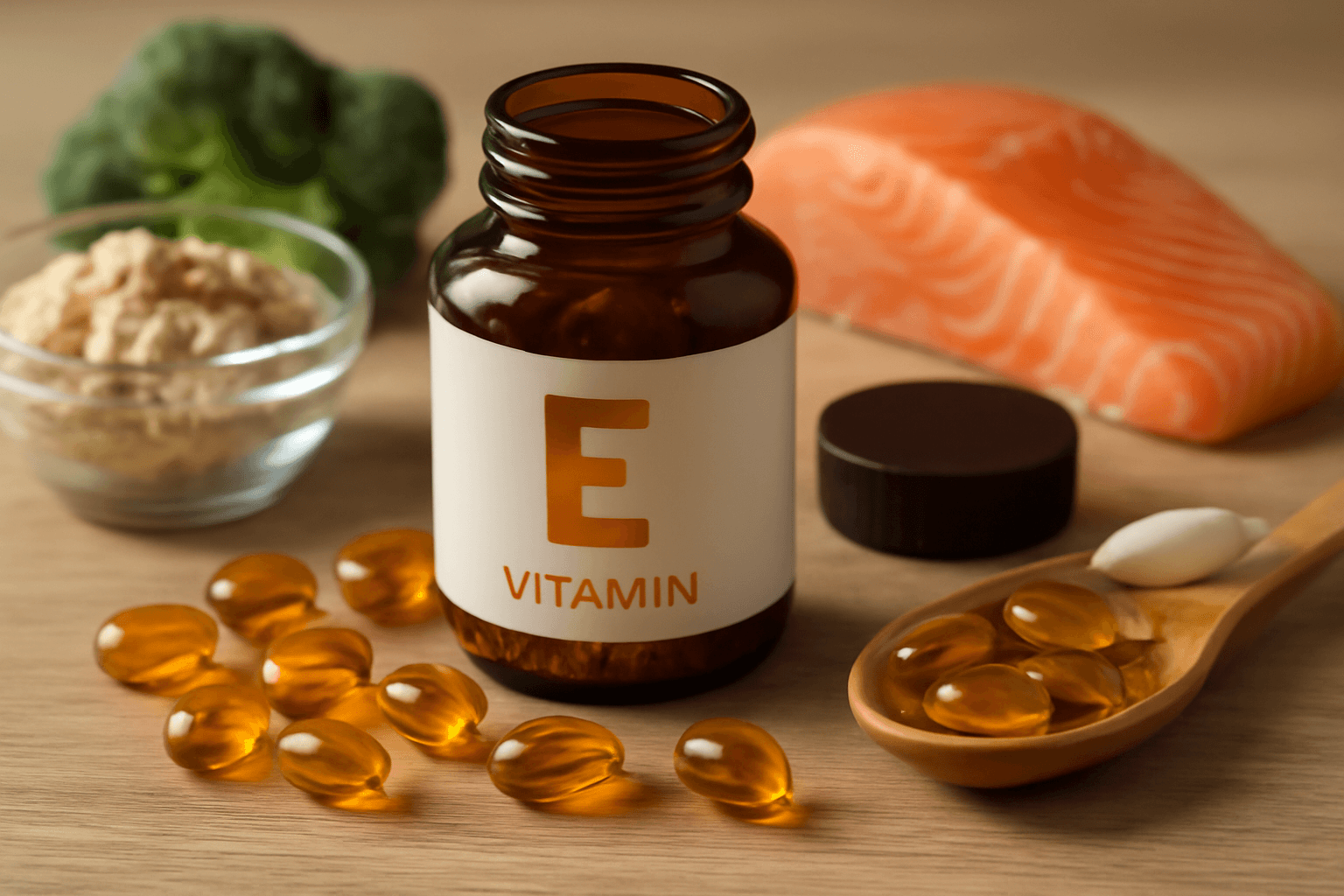
Omega-3 fatty acids are essential nutrients for cardiovascular health, brain function, and reducing inflammation. Since our bodies cannot synthesize omega-3 on their own, we must obtain them through food. In this article, we'll discuss the types of omega-3, the balance with omega-6, and introduce 10 foods rich in omega-3 in detail. With the right diet, you can strengthen your immune system, improve blood sugar management, and promote overall health.
Three Types of Omega-3 Fatty Acids
Omega-3 fatty acids exist in three major forms. Accurately understanding the characteristics and roles of each is the first step toward balanced nutrient intake.
Alpha-Linolenic Acid (ALA) is the basic form of plant-based omega-3. It is abundantly found in flax seeds, chia seeds, walnuts, and green leafy vegetables. Adult males are recommended to consume 1.6g of ALA daily, while females should consume 1.1g. While our bodies can convert ALA to EPA and DHA, the efficiency is very low at an average of 5-10%.
Eicosapentaenoic Acid (EPA) is a 20-carbon fatty acid primarily found in marine foods. EPA has excellent anti-inflammatory properties and is effective in preventing arthritis and cardiovascular disease. According to research, consuming 1,000-2,000mg of EPA daily can reduce triglyceride levels by 15-30%. Most people taking fish oil supplements obtain these benefits primarily from EPA.
Docosahexaenoic Acid (DHA) is a major component of the brain and retina. Approximately 25% of the brain's gray matter is composed of DHA, which is essential for neural signal transmission. Pregnant and nursing women are particularly recommended to consume 200-300mg of DHA daily, which helps fetal brain development and cognitive enhancement. For adults, consuming 200mg or more of DHA daily can reduce the risk of Alzheimer's disease by approximately 30%.
Balance with Omega-6 Fatty Acids
In modern diets, omega-6 fatty acids tend to be consumed in excess, creating an imbalance with omega-3. Understanding the healthy ratio of omega-3 to omega-6 is very important for managing inflammation.
Omega-6 fatty acids, including arachidonic acid (AA), are essential fatty acids that are necessary for maintaining body functions in appropriate amounts. However, the modern Western diet has an omega-3 to omega-6 ratio of approximately 1:15 to 1:20, far exceeding the ideal range of 1:2 to 1:4. This imbalance triggers chronic inflammation and increases the risk of cardiovascular disease, diabetes, and autoimmune disorders.
The major sources of omega-6 are refined cooking oils such as corn oil, sunflower oil, and soybean oil. They are also found in large quantities in processed foods, fast food, and nut oils. By increasing omega-3 intake while reducing the use of refined oils and replacing them with extra virgin olive oil or avocado oil, you can restore a healthy fatty acid ratio.
According to research, groups that balanced their omega-3 and omega-6 intake showed a 20-30% decrease in C-reactive protein (CRP), an inflammation marker. Improvements in blood sugar control and enhanced insulin sensitivity were also observed. From an immune strengthening perspective, a balanced fatty acid ratio increases the body's ability to respond to infections and regulates excessive immune responses.
10 Foods Rich in Omega-3
1. Wild-caught Salmon
Salmon is the superior source of omega-3. It contains approximately 2,300mg of EPA and DHA per 100g, which exceeds 150% of the daily recommended amount. Farmed salmon contains about 1,500mg, though wild salmon boasts higher omega-3 content. Salmon is also a rich source of high-quality protein (25g/100g), essential for muscle maintenance and body tissue repair.
Astaxanthin, a carotenoid found in salmon, has powerful antioxidant properties that prevent cell damage. It is also rich in vitamin D, selenium, and magnesium, supporting bone health, nervous system function, and muscle relaxation. Consumption of 100-150g, 2-3 times per week is recommended.
2. Mackerel
Mackerel has even higher omega-3 content than salmon, providing 2,600mg of EPA and DHA per 100g. A single medium-sized mackerel (approximately 100g) alone can meet the daily omega-3 recommendation. Mackerel is an economical choice, being less expensive than other fish while maintaining high nutritional value.
The abundant vitamin B12 in mackerel (100% of daily recommendation per 100g) supports nervous system health, DNA synthesis, and energy metabolism. It is also rich in selenium, which normalizes thyroid function and strengthens immunity. Although the smoky smell may reduce preference, proper cooking methods (grilling, baking) can improve the taste.
3. Sardines
Sardines rank at the top in terms of nutritional density. They contain approximately 1,500mg of omega-3 per 100g and can be eaten with bones, providing high calcium absorption. A 100g can of sardines provides about 35% of the daily calcium recommendation, making it particularly advantageous for bone health.
Sardines are also rich in vitamin D, zinc, and iron, making them effective for immune strengthening. Zinc is essential for immune cell production and antibody formation, and 100g of sardines meets about 15% of the daily zinc recommendation. Both fresh and canned sardines maintain their nutritional value well, making storage and consumption convenient.
4. Trout
Trout has the highest omega-3 content among freshwater fish. It contains approximately 1,000-1,200mg of omega-3 per 100g, with particularly abundant vitamin E content. Vitamin E is a fat-soluble antioxidant that prevents cell damage and protects cardiovascular health.
Trout is low in calories while providing high satiety, making it advantageous for weight management (approximately 141 calories per 100g). Its high selenium content assists thyroid hormone metabolism and has been reported to have cancer prevention effects. Farmed trout also offers excellent nutritional value, allowing consistent consumption regardless of season or region.
5. Flax Seeds
Flax seeds are the most abundant source of plant-based omega-3 (ALA). One tablespoon (approximately 10g) of flax seeds contains about 2,300mg of ALA, completely meeting the daily adult recommendation. The advantage of flax seeds is that they serve as an excellent alternative for vegetarians who do not consume fish.
Flax seeds also contain lignans, a plant-based estrogen that aids hormone balance and alleviates menopausal symptoms. Rich in soluble fiber, they lower the glycemic index (GI) and improve blood sugar management. The blood sugar stabilization resulting from a reduced glycemic index is important for diabetes prevention and management.
Flax seeds are better absorbed when ground rather than consumed whole. They can be added to yogurt, cereal, salads, smoothies, or used as an egg substitute in baking (egg replacement: 3 tablespoons water + 1 tablespoon ground flax seeds).
6. Chia Seeds
Chia seeds are a superfood with higher nutritional density than flax seeds. One tablespoon (approximately 12g) contains about 2,050mg of ALA omega-3. They also have very high fiber content (approximately 3g per tablespoon), improving digestive health and bowel motility.
Chia seeds expand to approximately 10 times their volume when soaked in water, increasing satiety and preventing overeating. This characteristic also aids blood sugar stabilization, classifying chia seeds as a low-glycemic-index food (GI: 15). Their high protein content (approximately 10g per 100g) makes them useful as a protein source for vegetarians.
The advantage of chia seeds is their nearly neutral taste, making them easy to add to various foods. Be cautious of overconsumption, as it may cause digestive discomfort. Recommended intake is about 1-2 tablespoons daily with adequate water consumption.
7. Walnuts
Walnuts have the highest omega-3 content among nuts. A handful (approximately 28g) of walnuts contains about 2,500mg of ALA. Walnuts also abundantly contain polyphenols, an antioxidant that promotes the healthy composition of intestinal microbes.
The combination of oleic and linolenic acids in walnuts protects cardiovascular health and has been proven to lower bad cholesterol (LDL) levels. They are also rich in magnesium (approximately 45mg per handful), supporting muscle relaxation, nerve calming, and blood pressure regulation. Phosphorus (approximately 100mg per handful) is essential for maintaining bone density.
Walnuts can be consumed as a snack substitute for candy or added to oatmeal, salads, and yogurt. However, walnuts have high caloric density (approximately 185 calories per handful), so limited intake of about one handful daily is recommended for those managing their weight.
8. Brussels Sprouts
Brussels sprouts have the highest omega-3 content among green cruciferous vegetables. Cooked brussels sprouts at 100g provide approximately 400mg of ALA with very low calories (approximately 45 calories per 100g), allowing consumption of larger quantities. Brussels sprouts also contain sulforaphane, a powerful anti-cancer compound.
Brussels sprouts are rich in vitamin K, C, and folate. Vitamin K (approximately 130% of daily recommendation per 100g) is essential for blood clotting and bone health, while vitamin C (approximately 100% of daily recommendation per 100g) enhances immunity and provides antioxidant action. The abundant fiber in brussels sprouts improves blood sugar management and gut health.
Brussels sprouts can be used in roasting, steaming, or stews. Excessive heat cooking causes vitamin loss, so light cooking is preferable for nutrient preservation.
9. Spinach
Spinach is a dark green leafy vegetable rich in chlorophyll, containing approximately 140mg of ALA omega-3 per 100g. Cooked spinach has increased nutritional concentration, providing approximately 415mg of omega-3 per 100g. Spinach also contains lutein and zeaxanthin, carotenoids that protect eye health.
The magnesium content in spinach aids muscle cramp prevention, nervous system stabilization, and blood pressure regulation (approximately 79mg per 100g). While iron content is high (approximately 2.7mg per 100g), absorption is somewhat reduced due to binding with oxalic acid. To improve this, cooked spinach consumed with vitamin C-containing foods (oranges, bell peppers) can enhance iron absorption.
Spinach can be versatilely used in fresh salads, smoothies, soups, and curries. Frozen spinach also maintains nutritional value well, allowing convenient use.
10. Eggs
Eggs, particularly those from chickens fed omega-3-enriched feed, contain omega-3 more abundantly. A regular egg contains approximately 25mg of omega-3, while omega-3-enriched eggs can contain 300-500mg. The yolk of an egg contains choline, lutein, and zeaxanthin, nutrients important for brain health.
Eggs are a complete protein food, providing approximately 6g of high-quality protein per egg. Egg whites are nearly pure protein with minimal fat (approximately 17 calories), making them ideal for muscle building and recovery. The yolk contains healthy fats that facilitate the absorption of fat-soluble vitamins (A, D, E, K).
Eggs can be a breakfast staple and can be utilized through various cooking methods such as egg white omelets, egg drop soup, and scrambles. Absent an egg allergy, consuming eggs 5-6 times per week is safe and recommended.
Practical Consumption Methods and Tips
There are practical methods for effectively consuming omega-3. First, diverse food combinations are important. By consuming marine fish, plant-based omega-3 foods, and nuts in balance, you can obtain EPA, DHA, and ALA proportionally.
Cooking methods also play an important role. Omega-3 fatty acids are heat-sensitive, so grilling or steaming fish is superior to frying. Nuts and seeds should be consumed raw or lightly roasted at low temperatures. Green leafy vegetables minimize nutrient loss when lightly cooked or consumed raw.
Storage and freshness maintenance are also essential. Since omega-3 is vulnerable to oxidation, store nuts and seeds in airtight containers in the refrigerator and consume within three months. Fish should be purchased fresh, cooked immediately, or kept frozen to maintain nutritional value.
Supplement selection requires caution. When selecting fish oil supplements, choose products with third-party verification (NSF, USP certification) to confirm contamination levels and purity. Additionally, if taking blood thinners, consult a healthcare professional to review interactions.
Precautions and Medical Consultation
Important Medical Precaution: Excessive omega-3 supplementation or intake can result in blood-thinning effects. If you are taking anticoagulants such as Warfarin or aspirin, you must consult a healthcare professional. Additionally, pregnant women, nursing mothers, those with chronic conditions, and those taking regular medications should seek guidance from their physician or nutrition specialist before making dietary changes.
Some side effects may occur with omega-3 consumption. Fish oil supplements can cause gastrointestinal symptoms such as abdominal bloating, digestive discomfort, and fishy odor or taste. In such cases, taking them with meals or in frozen form can alleviate symptoms.
Excessive omega-3 intake (3g or more daily) can increase bleeding tendency, so consumption should remain within the recommended range (1-3g daily). Particularly for those scheduled for major surgery, discontinue high-dose omega-3 supplementation at least two weeks before surgery.
Summary
Key Points Summary:
- Omega-3 Types: EPA and DHA are obtained mainly from marine fish, while ALA comes from plant-based foods. Although the body converts ALA to EPA/DHA, efficiency is low, making consumption from diverse sources important.
- Omega-3 to Omega-6 Ratio: The healthy ratio is 1:2-1:4, yet modern diets are at 1:15-1:20 levels. Reduce refined oil use and increase omega-3 foods to restore balance.
- Marine Fish: Salmon, mackerel, sardines, and trout are recommended at 100-150g consumption 2-3 times weekly.
- Plant-Based Sources: Small daily amounts of flax seeds, chia seeds, and walnuts can meet the daily ALA recommendation.
- Green Vegetables: Spinach and brussels sprouts provide omega-3 and various minerals with low calories.
- Cooking Methods: Grill or steam fish, consume nuts raw, and lightly cook vegetables to maximize nutritional value.
- Medical Consultation: Those taking medications, pregnant women, and those with chronic conditions must consult professionals to establish safe consumption plans.
Omega-3 is not merely a nutrient but plays essential biochemical roles in cardiovascular health, brain function, immunity, and inflammation regulation. By regularly consuming the 10 foods introduced above while reducing omega-6 foods, you'll move closer to achieving your health goals. For an optimal consumption plan tailored to your individual health status, consultation with a nutrition specialist or healthcare professional is recommended.