The eyes are one of the most delicate organs in our body, highly vulnerable to daily stresses and age-related changes. In particular, various eye diseases such as cataracts, macular degeneration, and dry eye syndrome can significantly diminish quality of life. Fortunately, eye health can be substantially improved through proper diet and lifestyle habits. This article will detail 10 natural approaches to protecting eye health, from protein and iron to omega-3, various vitamins, and powerful antioxidants.
What is a Cataract?
A cataract is a condition in which vision decreases as the eye's lens becomes cloudy. The lens is normally transparent tissue, but as proteins denature or become damaged, it gradually becomes opaque. More than 50% of people over 60 experience cataracts, making it a leading cause of blindness worldwide.
The development of cataracts progresses slowly over many years. Initially, changes in vision are minimal, but over time objects appear blurry, colors become difficult to distinguish, and night driving may become challenging. It often feels like looking at the world through a dirty lens.
Cataracts are broadly classified into three types: nuclear sclerotic cataracts, cortical cataracts, and posterior subcapsular cataracts. Nuclear sclerotic cataracts involve hardening of the center of the eye, cortical cataracts progress from the edges, and posterior subcapsular cataracts are characterized by rapid progression and distinct symptoms.
Risk Factors for Cataracts
The main risk factors for cataract development are age, UV exposure, diabetes, high blood pressure, smoking, alcohol consumption, and steroid medication use. In particular, ultraviolet (UV) light causes direct damage to the eye's lens, and cumulative UV exposure increases the risk of cataracts by more than threefold.
Patients with diabetes have a cataract incidence rate 5 times higher than non-diabetic patients. When blood sugar is high, glucose in the lens increases, drawing in fluid that causes swelling, which gradually progresses to cloudiness. Additionally, smokers have more than double the risk of cataracts compared to non-smokers, and those who consume more than one drink of alcohol daily also have increased risk.
Oxidative stress serves as a fundamental cause of cataract development. Free radicals generated from UV light, pollution, inflammation, and metabolic processes damage the proteins and lipids of the lens. If this oxidative stress is not effectively controlled, the lens gradually loses its transparency.
Diet and Cataracts
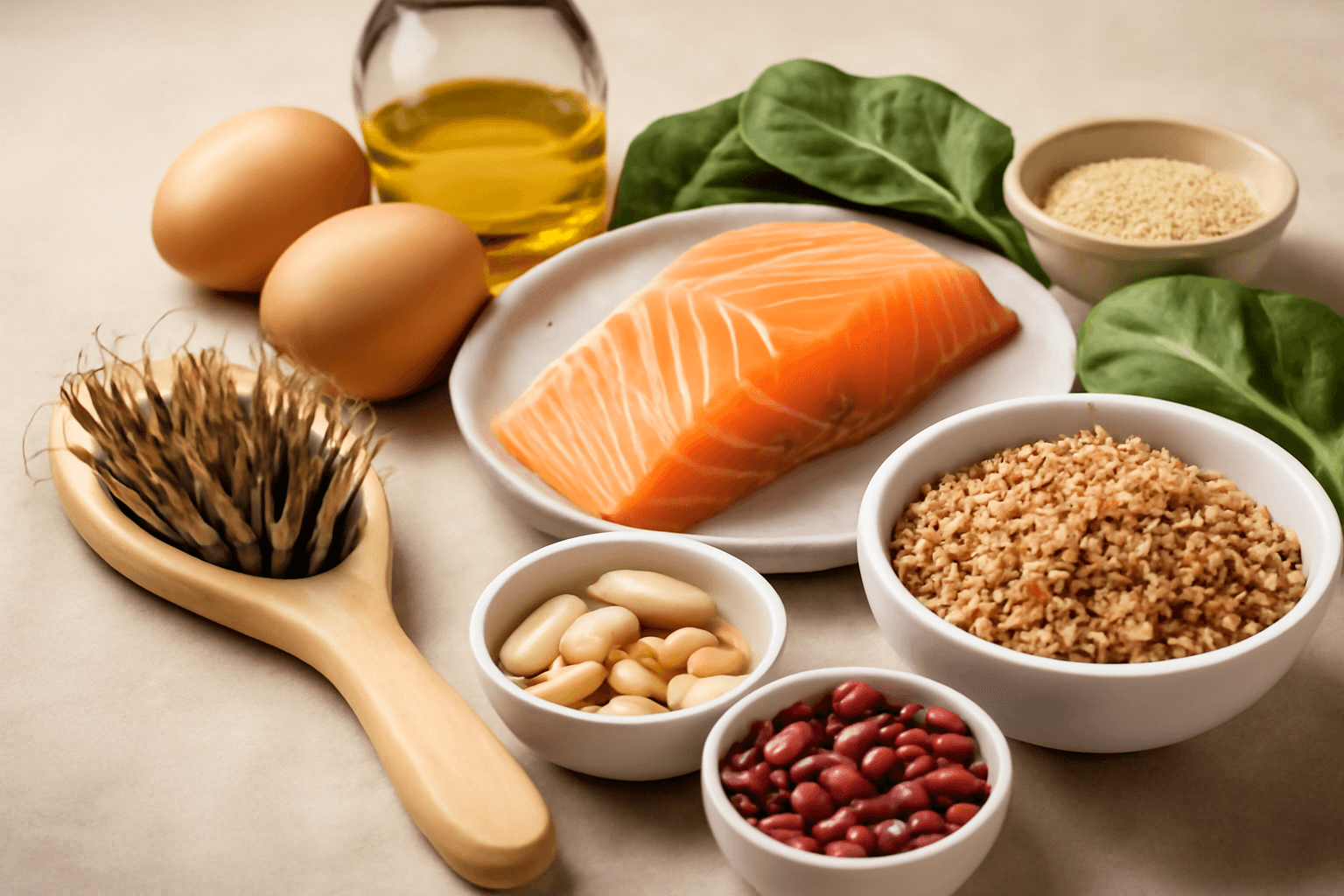
Diet is the most fundamental element of cataract prevention. Consuming foods rich in antioxidant nutrients can greatly improve eye health. In particular, protein is a major component of the eye's lens and retina, making adequate intake essential.
Protein intake of about 1g per kilogram of body weight per day is recommended. High-quality protein can be obtained from fish, eggs, beans, nuts, and low-fat dairy products. The protein found in fish is particularly excellent in terms of essential amino acid balance, while simultaneously providing omega-3 fatty acids.
Iron plays an important role in retinal health. Iron enhances the oxygen-carrying capacity of red blood cells, supplying adequate oxygen to the eyes, and is a key component of antioxidant enzymes. Sufficient iron can be obtained from red fish, oysters, sausage, black beans, and spinach. Women are recommended to consume 18mg of iron daily, while men should consume 8mg.
Omega-3 fatty acids are essential fatty acids that maintain the health of retinal cell membranes. They are abundantly found in salmon, mackerel, sardines, flaxseeds, chia seeds, and walnuts. Consuming fish two to three times per week or supplementing with 1-2g of omega-3 daily helps improve eye health.
Lutein, Zeaxanthin, and Eye Health
Lutein and zeaxanthin are yellow plant pigments that are the most effective nutrients for preventing macular degeneration. These two substances accumulate in the macula of the retina and act as a natural sunglasses protecting the retina from UV light and blue light.
According to research, people with adequate intake of lutein and zeaxanthin have a 35-40% reduced risk of macular degeneration. What's even more interesting is that these two substances also accumulate in the lens and show effectiveness in cataract prevention. Consuming 10-12mg of lutein and 2-3mg of zeaxanthin daily is sufficient.
Foods rich in lutein include dark leafy greens such as spinach, kale, chard, broccoli, and lettuce. Zeaxanthin is found in corn, broccoli, bell peppers, kiwi, and grapes. Consuming these foods with fat significantly enhances the absorption of lutein and zeaxanthin.
Vitamin A is essential for rhodopsin production in the retina. Rhodopsin is a protein that allows object recognition in dim light and is key to preventing night blindness. Vitamin A can be obtained from egg yolks, carrots, sweet potatoes, liver, kale, and spinach, with 700-900mcg daily intake recommended.
The Synergistic Effect of Antioxidant Vitamins
Vitamin C is a water-soluble antioxidant that directly combats oxidative stress within the lens. Research shows that people with high vitamin C intake have a 35% lower risk of cataract development. Adequate vitamin C can be obtained from oranges, bell peppers, broccoli, kiwi, strawberries, and tomatoes, with 90mg (women) to 110mg (men) daily intake recommended.
Vitamin E is a fat-soluble antioxidant that prevents lipid peroxidation in cell membranes. Since the eye's retina is rich in highly polyunsaturated fats, vitamin E protection is particularly important. Vitamin E is abundant in almonds, sunflower seeds, walnuts, vegetable oils, and avocados, with 15mg daily intake recommended.
Vitamin D has recently received attention in eye health research. Research findings have shown strong associations between macular degeneration, diabetic retinopathy, dry eye syndrome and vitamin D deficiency. Vitamin D reduces chronic inflammation in the eyes through immune regulation and anti-inflammatory effects. It's good to expose yourself to sunlight three or more times per week or obtain vitamin D from salmon, mackerel, egg yolks, and mushrooms.
Vitamins A, C, and E work together to maximize antioxidant effects. Research also shows that taking zinc together with these three vitamins delays macular degeneration progression by 25%. Consuming a variety of colorful fruits and vegetables naturally provides all these antioxidant nutrients.
Pine Bark Extract is a Powerful Antioxidant
Pine bark extract (Pycnogenol) contains proanthocyanidins, powerful antioxidant flavonoids. This substance is 20 times more potent than vitamin C and 50 times more potent than vitamin E in antioxidant action. Pine bark extract improves blood flow to the eyes and directly reduces oxidative stress in the retina.
In clinical research, diabetic patients who consumed 160mg of pine bark extract daily showed significant reduction in retinal edema and improved vision after eight weeks. Another study found that pine bark extract slowed the progression of vision deterioration in early-stage cataract patients. This is attributed to oxidative stress suppression and anti-inflammatory effects.
Another advantage of pine bark extract is its ability to strengthen blood vessel walls. When the eye's microvasculature becomes stronger, it can supply more consistent and stable blood flow to the retina. It's particularly effective in preventing retinal damage caused by diabetes or high blood pressure. Daily consumption of 100-150mg of pine bark extract is known to be effective for improving eye health.
Quercetin with Anti-inflammatory Benefits
Quercetin is a flavonoid found in onions, apples, berries, and green tea, with powerful anti-inflammatory effects. Chronic inflammation is a fundamental cause of eye disease, with inflammation playing a key role in macular degeneration, dry eye syndrome, and diabetic retinopathy.
Quercetin blocks inflammatory signaling pathways and regulates excessive immune cell responses. According to research, people with adequate quercetin intake have significantly lower cytokine levels, inflammatory markers in the eyes. In particular, people suffering from dry eye syndrome who take quercetin supplements experience reduced inflammation on the eye surface and increased tear production.
Foods rich in quercetin include red onions (three times more than white onions), apples (particularly abundant in the skin), blueberries, blackberries, green tea, and broccoli. Quercetin is heat-resistant, so its effects are maintained even when cooked or dried. Daily quercetin intake of 500-1000mg is known to exert anti-inflammatory effects.
The Role of Coenzyme Q10
Coenzyme Q10 (CoQ10) is a substance that helps generate energy in the mitochondria of cells. The eye's retina is one of the tissues in the body with the highest energy consumption, making adequate energy supply essential. CoQ10 promotes this energy generation while also performing powerful antioxidant functions.
According to research, CoQ10 deficiency is associated with retinal degenerative diseases, and patients supplemented with CoQ10 show improved retinal function. The antioxidant effects of CoQ10 are particularly pronounced in diabetic retinopathy patients. CoQ10 is found in mackerel, sardines, beans, nuts, and olive oil, with daily supplementation of 100-300mg effective for improving eye health.
As people age, CoQ10 levels in the body decrease dramatically. After the age of 40, it's difficult to obtain sufficient amounts through diet alone. Therefore, it's wise to include CoQ10 when planning antioxidant nutrient supplementation.
Practical Diet Composition Guide
An ideal daily diet for eye health can be structured as follows:
- Breakfast: Two eggs (protein, lutein, vitamin D) + spinach or kale salad (lutein, zeaxanthin) + salmon spread (omega-3)
- Lunch: Baked fish (protein, omega-3, vitamin D) + broccoli and bell pepper (vitamin C, zeaxanthin) + brown rice
- Afternoon snack: A handful of nuts (vitamin E, CoQ10) + blueberries or blackberries (quercetin, anthocyanins)
- Dinner: Mini salad with carrots, sweet potato, or kale (vitamin A) + baked chicken breast or tofu (protein, iron)
This diet includes all the major nutrients needed to prevent cataracts, macular degeneration, and dry eye syndrome. The important point is to consume foods of various colors. The more color variety, the greater the diversity of antioxidants consumed, so filling your plate with rainbow colors automatically balances your nutrition.
Lifestyle Habits and Eye Health
Equally important as diet are lifestyle habits. UV protection is key to cataract prevention. Wear sunglasses with UV protection and be sure to wear them when going out between 10 am and 3 pm when sunlight is strongest.
Smoking should be stopped immediately. Chemical substances in tobacco directly damage the eye's antioxidant defense system. Quitting smoking decreases the risk of cataract development each year. Excessive alcohol consumption should also be avoided, as consuming more than one drink of alcohol daily harms eye health.
Blood sugar and blood pressure management are also very important for eye health. Diabetes and high blood pressure are major risk factors for eye disease, so active management of these conditions is essential. Regular exercise (three or more times per week, 30 minutes per session) improves blood flow and strengthens the antioxidant defense system.
Avoiding prolonged screen exposure is also important. Take a 10-15 minute break every hour of computer or smartphone use, and look at distant objects. This reduces eye fatigue and prevents dry eye syndrome.
Precautions When Choosing Supplements
If it's difficult to obtain all nutrients sufficiently through diet alone, supplements can be considered. However, supplements should be taken after consulting with a healthcare professional, as some supplements can interact with medications.
In particular, those taking blood thinners should be cautious about high-dose vitamin E supplementation. Those with thyroid disease should avoid excessive iodine intake. Additionally, supplement effectiveness varies greatly among individuals, so regular eye examinations are essential to monitor eye health status.
Appropriate-dose combination supplements are safer and more effective than high-dose single nutrient supplementation. Choosing products that have participated in clinical research related to ocular health is more trustworthy.
When to Consult with a Healthcare Professional
You should consult with an ophthalmologist if the following symptoms appear: gradual vision deterioration, blurry vision, glare during night driving, difficulty distinguishing colors, dark spots in part of your visual field, eye pain or persistent discomfort. These symptoms may be early signs of cataracts or other serious eye conditions.
If you're 40 years old or older, you should have eye exams at least every two years. If you have diabetes or high blood pressure, you should have annual exams. If there's a family history, regular exams are even more important. The earlier eye disease is detected, the more effective management and treatment can be.
Summary
The core of 10 natural approaches to eye health is as follows:
- Protein: Basic component of eye tissue (1g per kg body weight daily)
- Iron: Retinal health and oxygen supply (18mg for women, 8mg for men)
- Omega-3: Retinal cell membrane health (fish 2-3 times per week)
- Lutein/Zeaxanthin: Macular degeneration and cataract prevention (10-12mg, 2-3mg daily)
- Vitamin A: Night blindness prevention (700-900mcg daily)
- Vitamin C: Antioxidant defense (90-110mg daily)
- Vitamin D: Anti-inflammatory and immune regulation (3+ times weekly sun exposure)
- Vitamin E: Cell membrane protection (15mg daily)
- Pine Bark Extract: Powerful antioxidant (100-150mg daily)
- Quercetin: Anti-inflammatory effects (500-1000mg daily)
All these nutrients are abundantly found in natural foods of various colors. When proper diet, UV protection, smoking cessation, blood sugar and blood pressure management, regular exercise, and periodic eye exams are combined, healthy vision can be maintained even in the 60s and 70s. Eye health is a reflection of overall health, so investing in your eyes leads directly to improved quality of life as a whole.