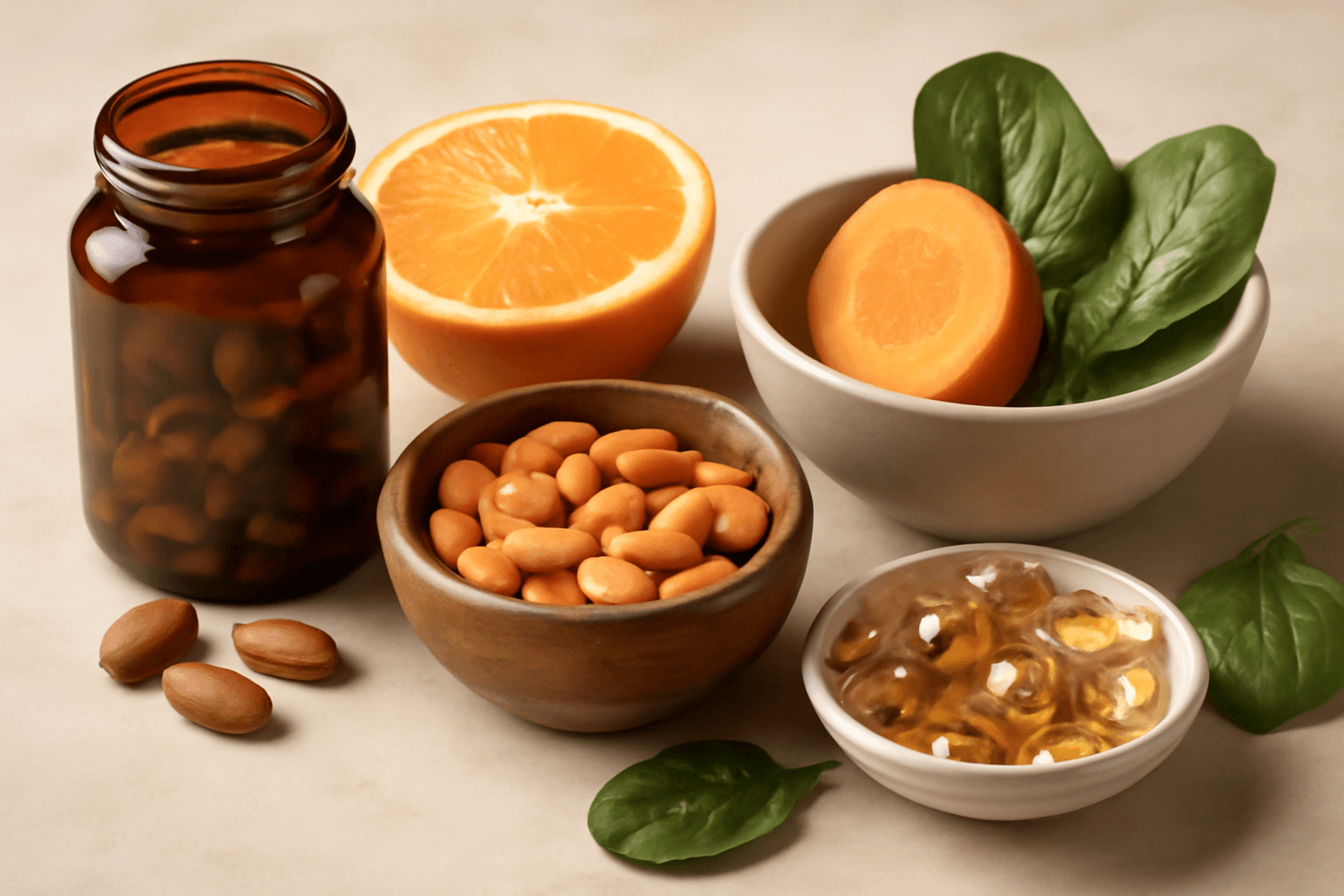
Summer is a season when fluid and electrolyte loss in the body accelerate due to high temperatures and humidity. During this time, proper nutrient intake is essential for maintaining physical strength and enhancing immunity. Fortunately, seasonal plant-based foods harvested in summer are rich in iron, magnesium, B vitamins, omega-3, vitamins A, C, D, and calcium that our bodies need. This article will provide detailed information on 10 plant-based foods for maintaining summer health and their nutritional value.
Nutrients Needed in Summer
During summer, the body loses electrolytes such as calcium, potassium, and sodium through perspiration. If these losses are not replenished, heat exhaustion, muscle cramps, and fatigue can occur. According to data from the Korean Nutrition Society, the daily calcium requirement for adults in summer is 1,000mg, and magnesium is 420mg for men and 320mg for women.
Vitamin C alleviates oxidative stress from summer ultraviolet rays and strengthens the immune system. The daily recommended intake is 100mg for adults, but additional intake is helpful during stressful heat conditions. Iron plays a key role in oxygen transport and energy production, and iron loss due to increased summer activity must be replenished.
B vitamins are responsible for carbohydrate metabolism and nervous system function, making them important for summer fatigue recovery. Omega-3 fatty acids provide anti-inflammatory effects to prevent inflammatory diseases in summer, and vitamin D aids calcium absorption and maintains bone health.
Consuming Seasonal Produce
Seasonal produce reaches peak nutrient levels by receiving optimal sunlight and temperature during cultivation. According to U.S. Department of Agriculture research, seasonal produce has an average of 50% higher nutrient content compared to off-season produce. Crops harvested in summer have naturally evolved to meet the nutritional needs of the body during summer.
Seasonal produce also has excellent economic value. With shorter distribution distances, they maintain higher freshness at lower prices and tend to use fewer chemical fertilizers and pesticides. By prioritizing seasonal summer produce, you can gain nutritional benefits as well as make environmentally friendly choices.
Additionally, food prepared with seasonal ingredients has superior depth of flavor, naturally increasing food intake and meal satisfaction. This is an effective strategy for overcoming summer appetite loss due to heat.
Characteristics of Nutrient-Rich Seasonal Produce
Summer seasonal plant-based foods are characterized by high water content. Fruits such as watermelon, melon, and tomato contain 85-95% water, effectively replenishing fluid loss while remaining low in calories. At an average of 30-40 kcal per 100g, they are ideal for those who need to manage calorie intake.
Summer leafy vegetables such as spinach, chard, and kale are rich in chlorophyll with excellent antioxidant properties and high iron and magnesium content. In particular, 100g of spinach contains 2.7mg of iron (approximately 27% of adult daily requirements) and 79mg of magnesium. Vegetables like broccoli, corn, and peas are rich in B-complex vitamins and dietary fiber, supporting digestive function.
Nuts and seeds are major sources of plant-based omega-3 fatty acids. Flaxseeds contain 22.8g of omega-3 per 100g, while walnuts contain 9.1g per 100g. They also provide antioxidants such as vitamin E and selenium, protecting cells from summer UV damage.
10 Plant-Based Foods Good for Summer
1. Spinach
Summer spinach is a perfect food that simultaneously contains vitamin C, which aids iron absorption. Raw spinach (100g) provides 28mg of vitamin C, 2.7mg of iron, and 79mg of magnesium. The lutein in spinach prevents macular degeneration, protecting the eyes from summer ultraviolet rays. Consuming it 2-3 times per week is sufficient to see benefits.
2. Tomato
Tomato is an essential summer food rich in lycopene. Lycopene is a powerful antioxidant that reduces cardiovascular disease risk by approximately 20% (Harvard School of Public Health research). One medium tomato (approximately 150g) contains 4.2mg of lycopene, 16mg of vitamin C, and 292mg of potassium. Roasted tomatoes or tomato sauce increase lycopene bioavailability by 2.7 times.
3. Corn
Corn is the only grain containing plant pigments such as lutein and zeaxanthin. Approximately 70% of its composition is carbohydrates, providing sustained energy, and a handful (approximately 100g) provides 0.2mg of vitamin B1, 37mg of magnesium, and 0.7mg of iron. Corn's fat-soluble lutein has 5 times higher absorption when cooked with olive oil.
4. Watermelon
Watermelon is the only fruit containing an amino acid called citrulline. Citrulline is converted to arginine in the body, promoting blood vessel relaxation and normalizing blood pressure. According to American Dietetic Association research, daily watermelon consumption can reduce systolic blood pressure by up to 4.8mmHg. One cup (approximately 160g) of watermelon provides 15mg of calcium, 320mg of potassium, and 12.3mg of vitamin C.
5. Peas
Summer peas are an excellent source of plant-based protein, containing 5.7g of protein per 100g. They are easier to digest than animal protein, putting less strain on the digestive system weakened by heat. Peas also contain resveratrol for cancer prevention effects and support bone health with their vitamin K content (25mcg per 100g). Consumption at least 2 times per week is recommended.
6. Flaxseeds
One tablespoon of flaxseeds (approximately 10g) contains 2.3g of omega-3 fatty acids, suppressing inflammatory responses. In a study on hot flashes in menopausal women, daily consumption of 30g of flaxseeds reduced symptoms by approximately 50%. Lignans in flaxseeds provide antioxidant effects to prevent summer UV damage, and their dietary fiber content (27.3g per 100g) promotes intestinal health. Ground flaxseeds are recommended for improved digestion.
7. Broccoli
Broccoli is a cruciferous vegetable containing a powerful anti-cancer compound called sulforaphane. Raw broccoli (100g) provides 3.5mg of sulforaphane, 89mg of vitamin C, and 47mg of calcium. Sulforaphane content decreases with heating, so it is best consumed lightly cooked or raw. Indoles in broccoli improve female hormone metabolism, reducing breast cancer risk by approximately 30%.
8. Walnuts
Walnuts boast the highest omega-3 content among nuts (9.1g per 100g). Consuming just a handful (approximately 30g) can meet approximately 200% of the daily omega-3 recommendation. Polyphenols in walnuts improve cognitive function through increased brain-derived neurotrophic factor (BDNF), and daily consumption of 30g of walnuts improves memory by approximately 25%. The best time to consume them is in the morning or after exercise.
9. Berries (Blueberries, Strawberries, Raspberries)
Berries are the food group with the highest anthocyanin content. Blueberries (100g) contain 560mg of anthocyanins and 9.7mg of vitamin C, and these antioxidants reduce retinal damage by 50%. Strawberries contain ellagic acid, a phenolic compound with colorectal cancer prevention effects, and the ellagic acid in raspberries relieves arthritis symptoms through anti-inflammatory effects. Fresh berries have approximately 20% higher antioxidant content than frozen products.
10. Sesame Seeds
Sesame seeds are the sole source of antioxidants called sesamin and sesamol. One tablespoon (approximately 9g) of sesame seeds provides 88mg of calcium, 32mg of magnesium, and 1.4mg of iron. The calcium absorption rate in sesame seeds is as high as in milk, making it very effective for bone health. Black sesame seeds have approximately twice the antioxidant capacity of white sesame seeds, and consuming them as sesame oil increases the bioavailability of fat-soluble antioxidants.
Summary
The key to summer health management is the proper selection and consumption of seasonal plant-based foods. The 10 foods introduced above can meet all essential summer nutrients including iron, magnesium, B vitamins, omega-3, vitamins A, C, D, and calcium.
Nutrient-specific consumption guide:
- Iron: Consume spinach and sesame seeds at least 3 times per week
- Omega-3: Consume a handful of flaxseeds and walnuts daily
- Vitamin C: Consume tomatoes and berries fresh daily
- Magnesium: Consume corn, sesame seeds, and walnuts in variety
- Calcium: Broccoli and sesame seeds can replace milk
Precautions when consuming: Avoid excessive intake of certain foods based on individual health status, especially in cases of kidney disease, diabetes, and blood clotting disorders. For example, those with kidney disease should limit intake of flaxseeds and nuts with high potassium content, and those taking anticoagulants should be aware of potential interactions due to the vitamin K content in spinach. If you have dietary changes or health-related questions, consult with a healthcare professional or registered dietitian.
Final recommendation: By rotating the consumption of these 10 foods weekly, you can naturally meet all essential summer nutrients. To maintain maximum freshness, it is best to consume produce within 48 hours of shopping, and by selecting foods of various colors, you can consume a variety of antioxidants and phytonutrients. This is a wise choice for maintaining summer health and building strength for the transition into fall.