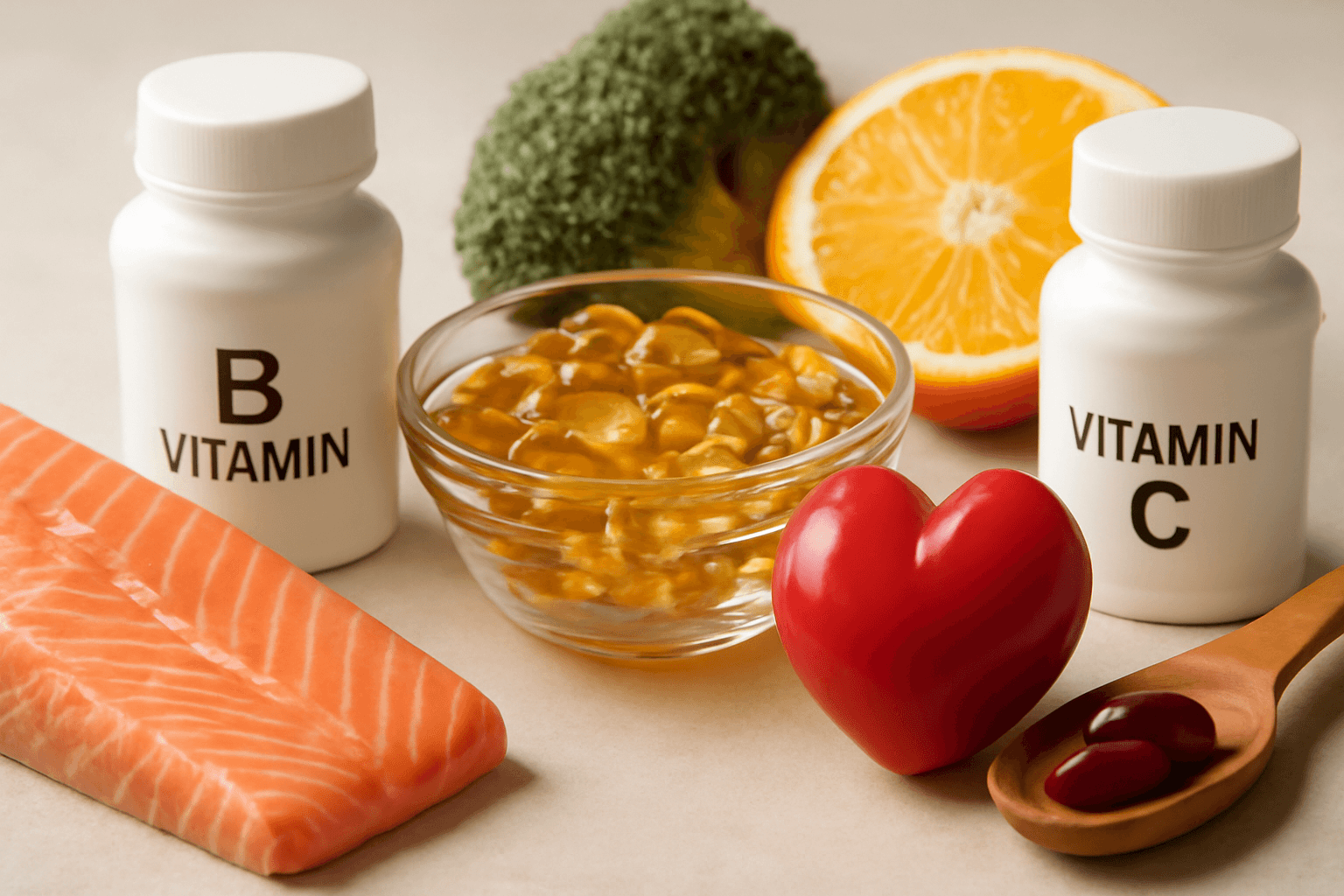
Heart disease is one of the leading causes of death worldwide, and high cholesterol levels are a major risk factor for cardiovascular disease. At the same time, a strong immune system is the first line of defense protecting our bodies from infectious diseases. Fortunately, through proper diet, lifestyle improvements, and necessary supplements, you can protect both aspects of health simultaneously. This article provides practical information ranging from the fundamentals of cholesterol management to 12 essential foods and supplements that strengthen immunity.
Types of Cholesterol
Cholesterol is a waxy substance found in our blood that is essential for maintaining life, including cell membrane formation, hormone production, and vitamin D synthesis. However, not all cholesterol is the same. Blood cholesterol exists in three main forms.
- LDL Cholesterol (Low-Density Lipoprotein): Transports cholesterol from the liver to various parts of the body, but when excessive, it accumulates on artery walls and forms plaque.
- HDL Cholesterol (High-Density Lipoprotein): Removes cholesterol from blood vessel walls and tissues and transports it back to the liver, performing a cleansing function.
- Triglycerides: A type of fat in the blood, with high levels associated with heart disease. Levels rise especially after consuming refined carbohydrates and alcohol.
For a typical adult, a total cholesterol level below 200mg/dL is ideal, with LDL being low and HDL being high.
"Good" and "Bad" Cholesterol
HDL cholesterol is called "good" cholesterol because it has antioxidant properties, reduces inflammation, and improves arterial flexibility. According to research, people with HDL levels of 60mg/dL or higher have significantly lower risk of heart disease. Conversely, LDL cholesterol is called "bad" cholesterol, with an ideal level below 100mg/dL.
An interesting fact is that even people with the same LDL cholesterol level can have different heart disease risks depending on the size of their LDL particles. Smaller, denser LDL particles are more dangerous than larger ones.
Therefore, it's important not just to lower total cholesterol levels, but to raise HDL, lower LDL, and manage triglycerides. In particular, regular exercise can increase HDL by 10-15%, an effect comparable to medication therapy.
Why Cholesterol Matters
High cholesterol levels are major risk factors for coronary artery disease, stroke, and peripheral arterial disease. According to the World Health Organization (WHO), approximately 2.5 million people die annually from cardiovascular disease caused by high cholesterol. High cholesterol causes fat to accumulate on the inner walls of arteries, forming plaque that narrows blood vessels and impedes blood flow.
More dangerously, if this plaque ruptures, it can cause blood clots (coagulation), leading to heart attacks or strokes. Additionally, high cholesterol increases inflammation, which is the underlying cause of many chronic diseases. Simultaneously, appropriate HDL cholesterol improves blood vessel endothelial cell function and suppresses inflammation, protecting cardiovascular health.
From an immune system perspective, cholesterol is also important. Appropriate cholesterol levels support white blood cell function and antibody production, increasing resistance to infectious diseases.
How to Lower Cholesterol Through Diet
Diet is the most powerful tool for cholesterol management. According to research findings, the right diet alone can lower LDL cholesterol by more than 30%.
- Limit Saturated Fat: Saturated fat increases LDL cholesterol. Limit it to 5-6% of daily calorie intake (approximately 10-15g), and reduce consumption of sausages, fatty meats, and full-fat dairy products.
- Completely Eliminate Trans Fats: Trans fats found in margarine, fried foods, and processed foods raise LDL and lower HDL.
- Increase Dietary Fiber: 25-30g of soluble dietary fiber daily (oats, barley, peas, apples, etc.) can lower LDL by 10%. Soluble fiber combines with bile acids and cholesterol for elimination.
- Omega-3 Fatty Acids: EPA and DHA found abundantly in fatty fish like salmon, mackerel, and sardines can lower triglycerides by 30-50% and raise HDL. It's recommended to consume fish twice weekly or supplement with 1000-2000mg of omega-3 per week.
- Plant-Based Protein: Tofu, beans, and lentils are protein-rich with minimal saturated fat and are effective for lowering cholesterol.
- Antioxidant Foods: Antioxidants in berries, dark chocolate, and green tea reduce oxidized LDL and decrease inflammation.
- Garlic and Onions: The allicin and quercetin they contain inhibit LDL oxidation and reduce blood clot formation.
The Relationship Between Lifestyle and Cholesterol
Cholesterol doesn't come from food alone. The liver produces approximately 800-1000mg of cholesterol daily, which is influenced by lifestyle factors such as genetics, stress, sleep, and exercise.
- Exercise: 150 minutes of moderate-intensity aerobic exercise per week (brisk walking, jogging) increases HDL by 3-9% and decreases triglycerides by 20%. Strength training promotes metabolism and improves cholesterol metabolism.
- Weight Management: A 10kg weight loss lowers LDL by approximately 8% and raises HDL by 3.3%.
- Stress Management: Chronic stress elevates cortisol levels, increasing LDL and decreasing HDL. Meditation, yoga, and deep breathing exercises can lower stress hormones by 25-30%.
- Adequate Sleep: 7-9 hours of quality sleep per night normalizes cholesterol metabolism. Sleep deprivation causes LDL to increase and HDL to decrease.
- Quit Smoking: Smoking damages HDL and promotes LDL oxidation. Within just 3 months of quitting, HDL increases by 5%.
- Limit Alcohol: Moderate alcohol consumption (one drink per day for women, two for men) can increase HDL, but excessive drinking significantly raises triglycerides.
The Best Supplements to Help Maintain Healthy Cholesterol Levels
1. Omega-3 (EPA/DHA)
Omega-3 fatty acids are essential for heart health. Daily supplementation of 1000-2000mg of EPA and DHA combined decreases triglycerides by 25-35%, slightly lowers blood pressure, and reduces heart rhythm irregularities. Fish oil supplements can be taken after meals for those with sensitive digestion, or plant-based alternatives such as algae-based omega-3 can be chosen.
2. Stanol/Sterol Esters
Plant-derived stanols and sterols block 30% of cholesterol absorption in the intestines. Taking 2g daily can lower LDL by 6-15% and comes in fortified yogurt, spreads, and supplement forms.
3. Vitamin B Complex (Especially B6, B12, and Folate)
High homocysteine levels are a heart disease risk factor as dangerous as cholesterol. Vitamin B6 (50mg), B12 (1000mcg), and folate (800mcg) normalize homocysteine, protecting vascular health. Simultaneously, B vitamins support energy metabolism, nerve function, and immune response.
4. Vitamin C
Daily 1000mg of vitamin C inhibits oxidized LDL and improves blood vessel endothelial cell function. It's also a powerful antioxidant and immune-boosting ingredient that reduces recovery time from infectious diseases by 25-30%. Excessive doses (over 2000mg daily) can increase kidney stone risk, so maintaining appropriate dosage is important.
5. Vitamin D
Vitamin D deficiency is associated with high cholesterol, high blood pressure, and heart disease. Heart health is optimized when blood vitamin D levels are 30ng/mL or higher. Daily supplementation of 1000-4000 IU can increase HDL while promoting calcium absorption and strengthening the immune system.
6. Magnesium
Magnesium is involved in over 300 enzyme reactions and is particularly important for blood pressure regulation, heart rhythm stabilization, and blood vessel relaxation. Daily intake of 400-500mg lowers systolic blood pressure by 3-4mmHg and prevents stress-related cholesterol elevation. It also improves muscle function and exercise capacity.
7. Coenzyme Q10 (CoQ10)
CoQ10 is essential for cellular energy production, with particularly high concentrations in heart muscle and immune cells. Daily 100-300mg improves heart function, alleviates muscle pain from statin medications, and inhibits LDL oxidation through antioxidant action. It's particularly recommended for those with heart disease or taking statins.
8. Nattokinase
Nattokinase is an enzyme extracted from natto, a fermented soybean food, and is known for its blood clot-dissolving ability. Daily intake of 2000-6000 FU improves blood flow, reduces blood clot formation, and can lower blood pressure by 5-10mmHg. Medical consultation is essential if taking blood thinners.
9. Red Yeast Rice
Rice fermented with red yeast contains natural statins and can lower LDL by 15-25%. Daily intake of 1200-2400mg is typical, with fewer digestive side effects than prescription statin drugs. However, due to a similar mechanism of action to statins, muscle pain may occur, so taking it with CoQ10 is beneficial.
10. Probiotics
Intestinal microbiota balance affects cholesterol metabolism and immune function. Specific probiotic strains (Lactobacillus, Bifidobacterium) lower LDL by 5-8% while strengthening intestinal mucus membrane function to prevent pathogen invasion. A daily complex of diverse strains at 1-100 billion CFU is effective.
11. Krill Oil
Krill oil extracted from Antarctic krill contains omega-3 while being more readily absorbed. Daily 1000-3000mg lowers triglycerides by 20-30%, reduces inflammatory markers through anti-inflammatory ingredients, and causes less fishy odor than fish oil.
12. Carnosine and L-Carnitine
The amino acid derivatives carnosine and L-carnitine promote cardiac energy production and reduce oxidative stress. Daily 1000-2000mg of L-carnitine particularly improves heart function in those with heart failure or low energy levels and enhances exercise endurance.
Summary: Action Plan for Heart and Immune Health
Key Points: Cholesterol management and immune enhancement are not separate goals but complementary health objectives. The best way to achieve both simultaneously is through an integrated approach.
Immediately Actionable 3-Step Plan:
- Step 1 (Week 1): Add fish twice, one cup of berries, and a handful of nuts to your daily diet. Remove one saturated fat food item.
- Step 2 (Week 2): Begin 150 minutes of weekly exercise. Start omega-3 supplementation. Introduce a stress management routine (10 minutes of meditation daily).
- Step 3 (Week 4): Check progress through blood tests. Add vitamin D, magnesium, and B-complex vitamin supplements. Choose additional supplements based on personal circumstances.
Also remember that supplements supplement the diet; they don't replace it. All major nutrients should be obtained from whole foods whenever possible.
Medical Precautions: If you've been diagnosed with high cholesterol or are taking heart disease medications, consult with your doctor or pharmacist before starting supplements. Nattokinase, krill oil, and red yeast rice in particular can interact with blood thinners (warfarin, aspirin). Additionally, if taking statin medications, vitamin D levels and CoQ10 should be monitored regularly.
Lowering cholesterol levels while strengthening your immune system is a long-term health investment. After 3-6 months of consistent implementation, you can confirm specific improvements through blood tests, which will provide even stronger motivation.