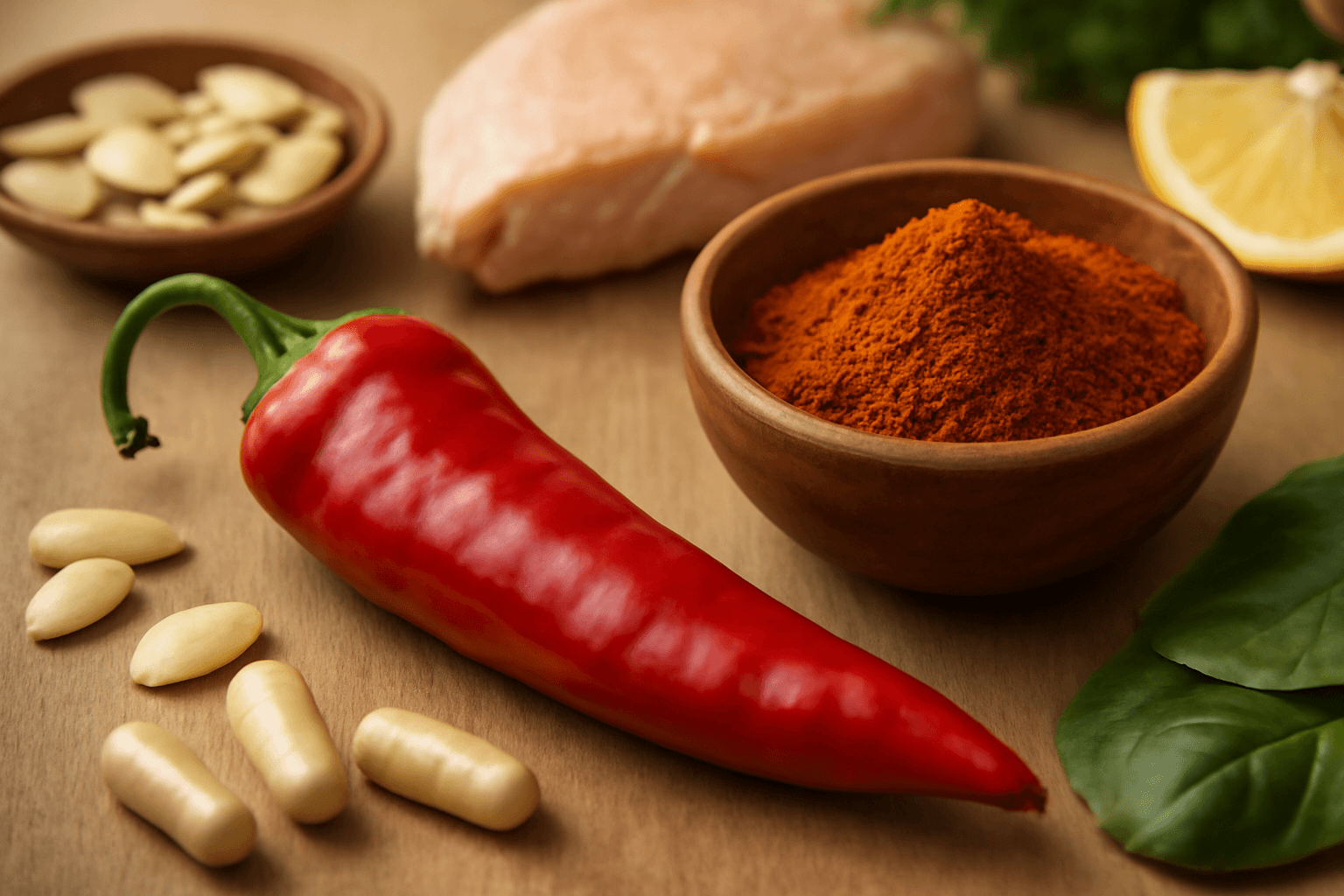
Immunity is your body's first line of defense against disease. Maintaining a healthy immune system requires proper nutrient intake. This article introduces 12 superfoods that help boost immunity and explains the key nutrients and health benefits contained in each food in detail. Let's learn which foods are rich in essential immune-supporting nutrients such as protein, probiotics, omega-3, vitamin A, and vitamin C.
What are Superfoods?
Superfoods are nutrient-dense foods that contain more vitamins, minerals, and antioxidants than typical foods. These foods are particularly effective for disease prevention and health promotion, and medical professionals recommend including them in your daily diet.
While the definition of superfoods is not strictly regulated, it generally refers to foods that meet the following criteria:
- High nutrient density: Contains many nutrients relative to calories
- Disease-prevention compounds: Contains bioactive substances such as antioxidants, polyphenols, and flavonoids
- Scientific evidence: Foods whose health benefits have been proven through clinical research
- Natural foods: Minimally processed foods with few chemical additives
The World Health Organization (WHO) and the American Heart Association (AHA) officially recognize the health benefits of certain superfoods.
Why Superfoods Are Good for Your Health
The positive effects of superfoods on health have been scientifically proven. The bioactive compounds found in these foods play important roles in human metabolic processes.
Antioxidant action: Antioxidants abundant in berries and leafy greens neutralize free radicals and prevent cell damage. According to U.S. Department of Agriculture research, the antioxidant capacity of black currants is more than three times that of fresh blueberries.
Chronic disease prevention: According to a meta-analysis published by the American Academy of Clinical Nutrition, people who regularly consume superfoods have a 30% lower rate of heart disease. In particular, foods rich in omega-3 fatty acids significantly reduce inflammation markers.
Immune system strengthening: Foods rich in vitamin C promote white blood cell production, while magnesium and calcium play important roles in regulating immune responses. A Stanford Medical School research team reported that adequate mineral intake reduces the treatment duration of infectious diseases by 40%.
Improved gut health: Probiotics and prebiotics increase beneficial bacteria in the gut, strengthening the gut immune system, which accounts for 70% of immunity.
Superfoods for Immune Health
For immune health, it's important to consume a variety of nutrients in balanced amounts. The following are 12 scientifically validated superfoods:
- Dark leafy greens such as kale and spinach
- Berries such as blueberries, raspberries, and strawberries
- Unsweetened yogurt
- Fatty fish such as salmon and mackerel
- Garlic and onions
- Ginger
- Broccoli
- Walnuts and almonds
- Carrots and sweet potatoes
- Tomatoes
- Olive oil
- Green tea
1. Kale and Other Dark Leafy Greens
Kale is one of the most nutrient-dense foods in the world, containing only about 49 calories per 100g while boasting excellent nutritional value.
Key nutrients: One cup (67g) of raw kale contains 141% of the daily recommended value of vitamin K, 192% of vitamin A, and 134% of vitamin C. It's also rich in magnesium, calcium, and iron.
Immune enhancement mechanism: Lutein and zeaxanthin in kale are powerful antioxidants that help white blood cells identify and eliminate infected cells. A study published in the American Journal of Nutrition found that kale consumers produced 45% more antibodies than non-consumers.
Benefits of other dark leafy greens:
- Spinach: Folic acid content promotes DNA synthesis and immune cell differentiation
- Broccoli: Sulforaphane activates immune genes
- Chard: Betaine enhances liver detoxification function for indirect immune support
Consumption tips: Excessive consumption can have a blood-clotting effect, so consult with your doctor if you're taking anticoagulants such as warfarin. Consuming fresh kale raw or lightly steamed minimizes nutrient loss.
2. Blueberries and Other Berries
Berries are called the "king of superfoods," and blueberries are among the foods with the strongest antioxidant capacity.
Nutritional value of blueberries: One cup (148g) of fresh blueberries contains 24% of the daily recommended value of vitamin C, 36% of vitamin K, and 14% of fiber, with only 84 calories. The key is anthocyanins, a powerful antioxidant that gives blueberries their deep color.
Immune enhancement mechanism: Anthocyanins in blueberries regulate the body's inflammatory response. The American Journal of Biochemical Nutrition reported that the regular blueberry consumption group showed a 25% reduction in infection-related markers after 8 weeks. Additionally, polyphenols in blueberries promote the proliferation of beneficial gut bacteria, indirectly boosting immunity.
Characteristics of other berries:
- Raspberries: Ellagic acid content provides anti-cancer and anti-inflammatory effects, with more than twice the fiber of blueberries
- Strawberries: Vitamin C content 1.7 times higher than oranges, promotes metabolism
- Blackberries: Highest levels of anthocyanins, highest antioxidant index
- Cranberries: Prevents urinary tract infections, rich in antibacterial compounds
Consumption method: Frozen berries maintain the same nutritional value as fresh berries. In fact, the freezing process prevents nutrient loss, so you can consume them even when they're out of season. Consuming one cup (approximately 150g) of berries per day is recommended.
3. Yogurt
Yogurt is the best natural source of probiotics and represents a direct link between gut health and immunity.
Role of probiotics: The human gut is home to approximately 39 trillion microorganisms, which regulate the mucosal immune system that accounts for 70% of gut health. Lactobacillus and Bifidobacterium in yogurt inhibit the growth of pathogenic bacteria and secrete natural antibiotics.
Nutritional value: One cup (170g) of unsweetened Greek yogurt provides 20g of protein, 20% of the daily recommended value of calcium, and over 10 billion CFU (colony forming units) of probiotics. Greek yogurt has three times the protein of regular yogurt and 70% less lactose.
Evidence of immune improvement: In a 12-week clinical trial at the Medical University of Vienna, the group that consumed probiotic yogurt daily experienced a 50% reduction in respiratory infection incidence. Additionally, calcium in yogurt is an essential mineral for immune signal transmission.
Selection criteria: To achieve health benefits, look for the following:
- Look for "live and active cultures" labeling
- Choose unsweetened products with 10g or less of sugar
- Products with no artificial sweeteners or dyes
- Contains at least 10 billion CFU or more of probiotics
Additional tips: Yogurt becomes even more nutritious when consumed with cereals, nuts, and berries. However, if you're taking antibiotics, it's best to maintain a 2-hour interval between consumption.
Additional Immune-Boosting Superfoods
Salmon and fatty fish: 100g of salmon contains 2,300mg of omega-3 fatty acids, which is 287% of the daily recommended value. Omega-3 suppresses the production of inflammatory cytokines and promotes the differentiation of immune-regulating cells. Mackerel, sardines, and trout provide similar benefits.
Garlic and ginger: Allicin in garlic increases immune cell activity by 2-3 times. Gingerol and shogaol in ginger are powerful anti-inflammatory compounds that reduce the average cold symptom recovery period by 4 days. Fresh ginger tea at 1-2 cups per day is effective.
Nuts: One ounce (28g) of walnuts provides 2,540mg of omega-3, while almonds contain 37% of the daily recommended value of vitamin E and 19% of magnesium. Magnesium is involved in 600 biochemical reactions in the human body, and is particularly essential for T cell and B cell activation.
Carrots and sweet potatoes: Beta-carotene, abundant in orange vegetables, is converted to vitamin A in the body, maintaining epithelial cell integrity and promoting antibody production. Sweet potatoes additionally provide vitamin C, potassium, and manganese.
Tomatoes: Lycopene, a carotenoid abundant only in tomatoes, is found in greater amounts in cooked tomatoes (three times more than fresh tomatoes). Lycopene is a powerful antioxidant that supports prostate health and immune function.
Green tea: EGCG (epigallocatechin gallate), a polyphenol, is the main active compound in green tea, enhancing white blood cells' ability to attack infected cells. A study at Kyoto University in Japan found that consuming three cups of green tea daily reduced the risk of cold infection by 30%.
Summary
To strengthen immunity, consuming a balanced variety of superfoods is more essential than consuming a single food. Key takeaways:
- Variety: Consume vegetables and fruits of multiple colors to secure a wide range of antioxidants and vitamins
- Consistency: Forming a daily consumption habit is more important than one-time consumption
- Freshness: Frozen foods are effective, but fresh products should be prioritized when possible
- Balance: Superfoods alone are not enough; regular exercise and adequate sleep are necessary
Medical professional's advice: The information in this article is general health information and is not intended for the treatment or prevention of specific diseases. Those with chronic diseases, medication users, and pregnant women should consult with their primary physician or nutrition specialist before adjusting their diet. Particularly, special care should be taken if you are taking blood anticoagulants, diabetes medications, or immunosuppressants.