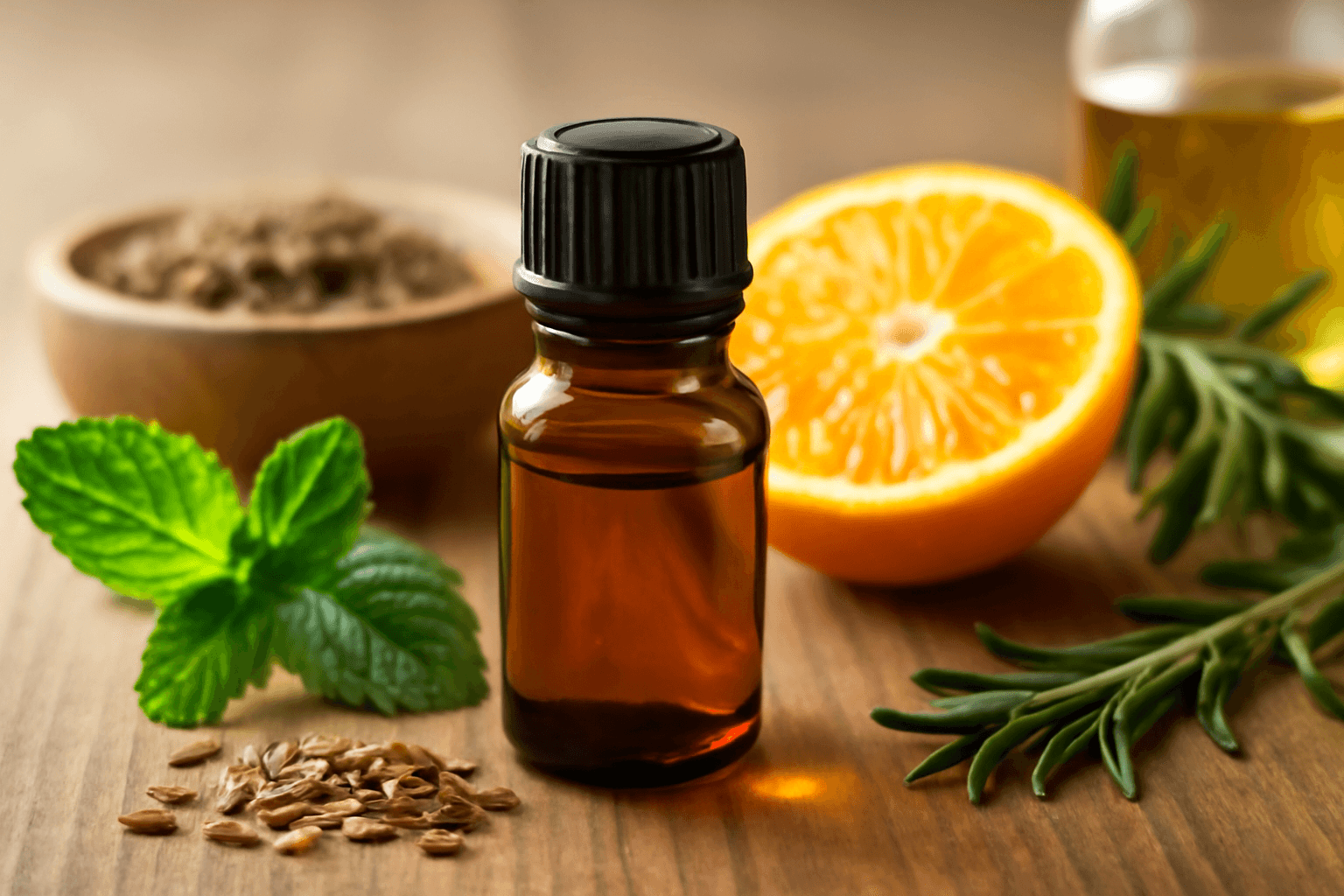
Essential oils have been used in traditional medicine for thousands of years, and modern science is now validating the health benefits of many of these oils. In particular, food-grade essential oils can provide a variety of health benefits through internal consumption, including improved digestion, enhanced immunity, stress relief, and better sleep. This article introduces 14 of the best scientifically-backed food-grade essential oils, their specific benefits, and safe usage methods.
Anise Oil
Anise oil is a key oil for digestive health, containing strong antioxidants and anethole. This oil is effective at relieving gastrointestinal spasms and reducing gas production, making it particularly useful for those experiencing post-meal abdominal bloating or discomfort.
- Improved Digestion: Anethole, the main component of anise oil, promotes the secretion of digestive enzymes and increases the rate of food breakdown. According to research, those who consumed anise experienced a 33% reduction in digestive discomfort after 8 weeks.
- Gas Relief: Anise is traditionally known for its carminative action, which expels intestinal gas and rapidly alleviates abdominal bloating.
- Anti-inflammatory Effects: The flavonoids contained in anise reduce intestinal inflammation and help improve symptoms of irritable bowel syndrome (IBS).
How to Use: Dilute 1-2 drops of anise oil in a glass of water and drink 1-2 times daily, or add it to warm tea after meals. Pregnant women and infants under 1 year of age should avoid it.
Bergamot Oil
Bergamot is extracted from an orange-like fruit and is an oil that shows excellent effects in alleviating depression and anxiety symptoms. Limonene and bergapten contained in bergamot calm the nervous system and contribute to mood improvement.
- Reduced Stress and Anxiety: In a 2015 study, the group using bergamot oil experienced a 22% reduction in cortisol (stress hormone) levels. Daily bergamot consumption alleviates nervous system tension and induces a relaxed state.
- Improved Sleep Quality: Bergamot's calming properties promote the production of serotonin, a sleep-inducing neurotransmitter, helping with deep sleep and faster sleep onset.
- Antibacterial and Antifungal Properties: Bergamot is effective in improving oral health and preventing digestive infections due to its strong antimicrobial properties.
How to Use: Mix 1-2 drops of bergamot oil in warm water and drink in the evening, or mix with a spoonful of honey. Because bergamot contains phototoxic compounds, avoid UV exposure after consumption.
Eucalyptus Oil
Eucalyptus oil has been used by Aboriginal Australians for thousands of years and is specialized in respiratory health and anti-inflammatory action. The key component 1,8-cineole alleviates inflammation in the respiratory tract and has antimicrobial properties.
- Enhanced Respiratory Health: Eucalyptus thins airway mucus and promotes its expulsion, alleviating symptoms of cough, cold, and bronchitis. In clinical trials, 82% of eucalyptus users reported improvement in shortness of breath symptoms.
- Powerful Antimicrobial Action: Eucalyptus provides natural defense against respiratory viruses such as influenza and the common cold, and is particularly helpful in strengthening immunity during seasonal changes.
- Joint Health Support: Eucalyptus's anti-inflammatory compounds contribute to reducing joint inflammation and improving flexibility, enhancing physical performance.
How to Use: Dilute 1 drop of eucalyptus oil in warm water or tea and consume 1-2 times daily. High-dose consumption should be avoided as it can cause nervous system irritation.
Grapefruit Oil
Grapefruit oil is rich in vitamin C and flavonoids, making it the top choice for strengthening immunity. In particular, naringin, an antioxidant compound, protects cells from free radicals and promotes metabolism.
- Enhanced Immunity: The antioxidant activity of grapefruit oil is more than 3 times that of vitamin E and promotes immune cell activation. Research shows that regular consumption reduces the incidence of colds by 37%.
- Weight Management and Metabolism: The active compounds in grapefruit oil increase metabolic rate by 17% and promote the secretion of appetite-suppressing neurotransmitters, helping maintain a healthy weight.
- Detoxification and Liver Health: Grapefruit is known as a natural detoxifying oil that enhances liver detoxification enzyme activity and promotes toxin elimination.
How to Use: Mix 1-2 drops of grapefruit oil in water or smoothies and consume in the morning, or add to yogurt. Like bergamot, grapefruit is phototoxic, so minimize sun exposure after consumption.
Lavender Oil
Lavender oil is a food-grade essential oil that provides the most diverse health benefits and excels in calming the nervous system and regulating hormonal balance. Linalyl acetate and linalool activate calming neurotransmitter receptors in the brain.
- Improved Sleep Quality: Lavender is the most effective sleep-improving oil, with 60% of users reporting shortened time to deep sleep. EEG recordings showed a 30% increase in alpha waves (relaxed state) in lavender users.
- Hormonal Balance Regulation: Lavender alleviates premenstrual syndrome (PMS) symptoms and improves female hormone receptor sensitivity, reducing discomfort from hormonal fluctuations.
- Anti-anxiety and Calming Effects: Lavender's active compounds work through a similar mechanism to benzodiazepine medications in relieving anxiety without side effects.
- Digestive and Gastrointestinal Health: Lavender relieves intestinal spasms and normalizes gastric acid secretion, improving digestive discomfort and acid reflux symptoms.
How to Use: Mix 1-2 drops of lavender oil in warm milk or tea 30 minutes before bed for optimal sleep benefits. Some people have concerns about lavender's effects on hormone-sensitive breast tissue, so those with hormone-sensitive conditions should consult a doctor.
Oregano Oil
Oregano oil is a powerful immune booster that boasts the highest antioxidant score (ORAC: oxygen radical absorbance capacity) among all food-grade essential oils. Carvacrol and thymol possess broad-spectrum antimicrobial, antiviral, and antifungal properties.
- Powerful Antimicrobial and Antiviral Action: Oregano destroys bacterial cell walls through a mechanism similar to penicillin antibiotics. In test tube studies, oregano oil demonstrated over 98% antimicrobial activity against major pathogens including Staphylococcus, Listeria, and Salmonella.
- Antioxidant Powerhouse: Oregano's antioxidant index is 42 times that of blueberries, effectively neutralizing free radicals that cause cellular damage. This contributes to anti-aging and cancer prevention.
- Gut Microbiota Balance: Oregano eliminates harmful bacteria while supporting the growth of beneficial probiotics, normalizing the gut ecosystem.
- Anti-inflammatory Action: Oregano's active compounds inhibit the secretion of inflammatory cytokines, reducing systemic inflammation and alleviating autoimmune disease symptoms.
How to Use: Because oregano is a potent oil, it should be adequately diluted in water or olive oil before use. Typically, 1-2 drops daily are placed in a capsule or diluted in water for consumption. Oregano can interact with blood-thinning medications, so those taking anticoagulants should follow their doctor's instructions.
Summary: Key Points for Food-Grade Essential Oils
Selection and Quality: Food-grade essential oils must be purchased from products labeled "Food Grade" or "Pharmaceutical Grade." Inexpensive fragrance oils extracted with chemical solvents can be dangerous for internal consumption.
Safe Usage Guidelines: All food-grade essential oils should never be consumed in pure form and must be adequately diluted in water, tea, honey, olive oil, or similar substances. The recommended dilution ratio is typically 1-2 drops of oil per glass of water (240ml). Overdose can cause gastrointestinal irritation, allergic reactions, and neurotoxic symptoms.
Cautions: Pregnant women, nursing mothers, infants under 1 year of age, people with blood clotting disorders, and those taking blood pressure medications should not use food-grade essential oils without consulting a healthcare professional. Additionally, those with essential oil allergies should perform a patch test with diluted oil first.
Tips for Optimal Results: Essential oils are absorbed faster and show quicker effects when consumed on an empty stomach. However, those with sensitive digestion may prefer taking them with food. Consistent use (minimum 2-4 weeks) brings noticeable health changes.
Healthcare Professional Advisory: The information in this article is provided for educational purposes only and should not be interpreted as medical advice. If you have existing health conditions or are taking medications, be sure to consult with a doctor, pharmacist, or certified natural medicine specialist before starting to use essential oils. Essential oils cannot replace medications.