Hormones are chemical substances that regulate nearly all physiological activities in your body, including metabolism, growth, reproduction, and emotional regulation. Hormonal imbalances can trigger a variety of symptoms such as fatigue, weight changes, skin problems, and mood disorders. Fortunately, you can naturally improve hormonal health by consuming specific foods. This article systematically introduces the basic concepts of hormones and 20 foods that help maintain hormonal balance.
What Are Hormones?
Hormones are biochemical signaling substances produced by endocrine glands and transmitted through the bloodstream. They are secreted by organs such as the thyroid, pituitary gland, pancreas, and adrenal glands, and play a crucial role in maintaining your body's homeostasis. Although hormones exist in extremely small concentrations, their effects are very significant. For example, insulin regulates blood sugar, cortisol manages stress responses, and estrogen and testosterone are responsible for reproductive function and secondary sexual characteristics. Your body automatically regulates hormone levels through an intricate feedback mechanism, but when this balance is disrupted, various health problems can occur.
Types of Hormones
Hormones are broadly classified into three categories based on their chemical structure. First, steroid hormones (estrogen, testosterone, cortisol) are lipid-based and easily cross cell membranes. Second, amino acid-derived hormones (thyroid hormones, epinephrine) regulate nervous system function and metabolism. Third, peptide/protein hormones (insulin, growth hormone, thyroid-stimulating hormone) manage most metabolic processes. Women's menstrual cycles are regulated by the interaction between estrogen and progesterone, while in men, testosterone controls muscle development and libido. Additionally, the sleep-wake cycle is regulated by melatonin, and digestion is controlled by cholecystokinin and gastrin. Since each hormone responds only to specific target cells, maintaining precise hormone concentrations is extremely important.
Signs and Symptoms of Hormonal Imbalance
Hormonal imbalances manifest through a wide variety of symptoms. Fatigue suggests a deficiency in thyroid hormones (T3, T4) or cortisol imbalance. Unexplained weight gain or loss is associated with insulin resistance, hypothyroidism, or estrogen imbalance. In women, irregular periods, severe cramps, and menopausal symptoms (hot flashes, night sweats) may occur, while men may experience erectile dysfunction or decreased sperm count. Emotional symptoms commonly include anxiety, depression, and mood swings, which are linked to hormonal changes affecting serotonin and dopamine secretion. Skin problems (acne, dryness), hair loss, sleep disturbances, decreased libido, and reduced muscle strength are also signals of hormonal imbalance. Digestive problems and blood sugar spikes can also be indicators of hormonal imbalance.
Causes of Hormonal Imbalance
The causes of hormonal imbalance are very diverse. Chronic stress triggers excessive cortisol secretion, which disrupts other hormone systems. Sleep deprivation causes imbalances in melatonin, growth hormone, and ghrelin (appetite hormone). Inadequate nutrition, particularly deficiencies in vitamin D, magnesium, iodine, and zinc, interferes with hormone production. Exposure to endocrine-disrupting chemicals (BPA, pesticides) mimics hormones and causes problems. Excessive alcohol consumption damages liver function, affecting hormone metabolism, and obesity (especially abdominal obesity) leads to insulin resistance and estrogen imbalance. Existing conditions such as inflammatory bowel disease, autoimmune diseases, and thyroid disorders also contribute to hormonal imbalance. Medication use (oral contraceptives, corticosteroids) can also affect hormone levels.
Conditions That Can Result from Hormonal Imbalance
Hormonal imbalance underlies numerous conditions. Thyroid hormone imbalance causes hypothyroidism (affecting over 5 million people monthly) or hyperthyroidism. Insulin imbalance leads to type 2 diabetes, which affects approximately 422 million people worldwide. Sex hormone imbalance results in polycystic ovary syndrome (PCOS), affecting 6-26% of women worldwide. Excess cortisol causes Cushing's syndrome, while deficiency causes Addison's disease. Estrogen imbalance is associated with endometriosis and increased breast cancer risk. Growth hormone deficiency causes growth disorders in children and reduced muscle strength in adults. Elevated prolactin causes infertility and galactorrhea. Thyroid-stimulating hormone (TSH) imbalance is linked to autoimmune conditions such as Hashimoto's thyroiditis.
Lifestyle Factors That Affect Hormonal Health
Hormonal health is closely related to diet, exercise, sleep, and stress management. Nutritional intake is the most direct factor; protein forms the foundation of hormones, and omega-3 fatty acids reduce inflammation and improve hormone signaling. Iodine is essential for thyroid hormone production, and zinc promotes the production of insulin, sex hormones, and immune hormones. B vitamins support metabolism and nervous system function, while vitamin C helps produce stress response hormones. Exercise can improve insulin sensitivity by over 40%, and resistance training increases testosterone and growth hormone. Aerobic exercise reduces cortisol and stress. Sleep is extremely important. Consistent sleep of 7-9 hours normalizes melatonin, growth hormone, and leptin (satiety hormone) secretion. Sleep deprivation increases ghrelin (hunger hormone) by 28%. Stress management can regulate cortisol levels. Meditation, yoga, and deep breathing activate the parasympathetic nervous system to restore hormonal balance. Environmental exposure is also important. Reducing plastic container use, choosing organic products, and using personal hygiene products with fewer chemicals reduce exposure to endocrine-disrupting substances.
20 Foods for Hormonal Balance
1. Salmon
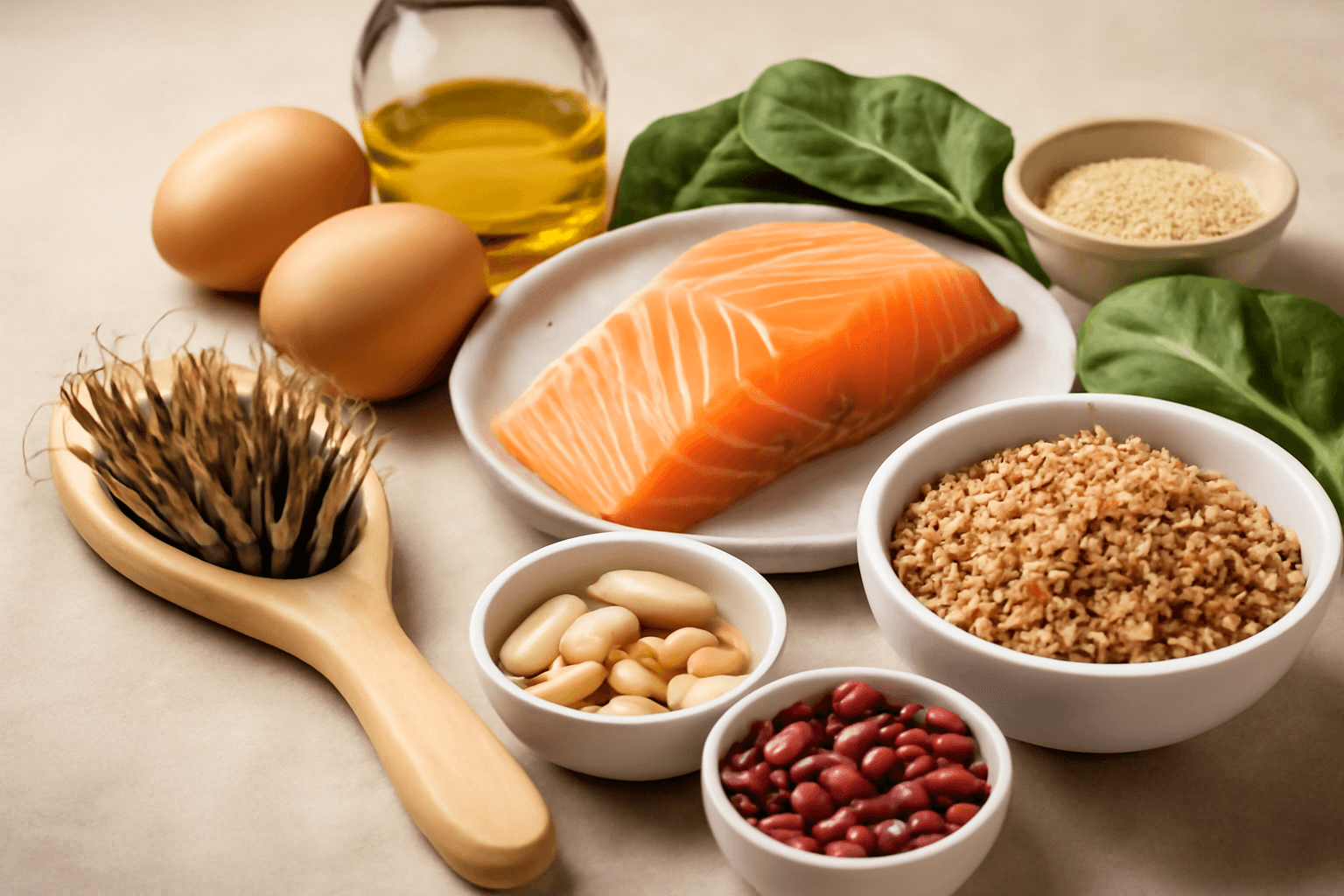
Salmon is a top source of omega-3 fatty acids (EPA, DHA), providing approximately 2,300mg per 100g. Omega-3s improve the function of hormone receptors and reduce inflammatory cytokines. Salmon is also a rich source of vitamin D, providing approximately 447 IU per 100g, and vitamin D regulates the expression of over 250 genes.
2. Eggs
Eggs are a complete protein food, containing 6g of protein per egg. Choline in egg yolks supports neurotransmitters and hormone signaling. Lutein and zeaxanthin in eggs promote reproductive health. While high in cholesterol, cholesterol actually serves as a precursor for hormone and vitamin D production.
3. Nuts and Seeds
Almonds, walnuts, flaxseeds, and pumpkin seeds are excellent sources of magnesium. Magnesium binds to hormone receptors and mediates hormone effects. A handful of pumpkin seeds (approximately 28g) provides 8.5mg of zinc, which is an essential component of reproductive and thyroid hormones.
4. Cruciferous Vegetables
Broccoli, cabbage, cauliflower, and kale contain sulforaphane. This compound enhances estrogen metabolism and helps eliminate excess estrogen. Consuming cruciferous vegetables three or more times per week reduces breast cancer risk by 16%.
5. Seaweed (Kelp, Sea Mustard)
Seaweed is the most concentrated natural source of iodine. Dried seaweed contains approximately 1,500mcg of iodine per gram, equivalent to 1,000 times the daily recommended amount. Therefore, only small amounts are needed, and excessive consumption should be avoided. Adequate iodine intake is essential for thyroid hormone production.
6. Berries
Blueberries, raspberries, and blackberries are rich in anthocyanins, powerful antioxidants. Berries are also an excellent source of vitamin C, providing approximately 30mg per cup. Vitamin C supports the adrenal glands and aids cortisol metabolism.
7. Leafy Green Vegetables
Spinach, kale, and Swiss chard provide magnesium, folate, and vitamin K. These nutrients support hormone receptor function, nervous system signaling, and bone health (related to estrogen signaling). One cup of cooked spinach provides approximately 40% of the daily magnesium requirement.
8. Sweet Potatoes
Sweet potatoes are an excellent source of beta-carotene (vitamin A), providing approximately 1,200mcg RAE per medium potato. Vitamin A is essential for hormone receptor formation and supports reproductive health. They are also high in fiber, which mitigates blood sugar spikes.
9. Yogurt and Kefir
Fermented dairy products contain probiotics that support gut health. Healthy gut microbiota regulate estrogen metabolism through a microbial system called the estrobolome. They also provide calcium and protein.
10. Garlic and Onions
Garlic and onions contain allicin and quercetin. These compounds have anti-inflammatory effects and improve insulin sensitivity. Allicin in garlic can increase testosterone levels by up to 35%.
11. Olive Oil
Extra virgin olive oil contains polyphenols called oleocanthal. This acts as a powerful anti-inflammatory, reducing inflammation that interferes with hormone production. Consuming 2 tablespoons daily significantly reduces systemic inflammation.
12. Ginger
Ginger contains gingerol and shogaol. These active compounds have powerful anti-inflammatory effects and regulate blood sugar. Research shows that daily ginger consumption reduces fasting blood sugar by approximately 8%.
13. Cacao
Dark chocolate (85% or higher) contains phenylethylamine and anandamide. These compounds promote serotonin and dopamine secretion, improving mood. It is also rich in magnesium and high in antioxidants.
14. Fatty Fish
Mackerel, sardines, and anchovies are excellent sources of omega-3 fatty acids and vitamin D. 100g of sardines provides approximately 1,500mg of omega-3s and 570 IU of vitamin D.
15. Beans and Lentils
Beans and lentils are excellent sources of plant-based protein and fiber. Protein is the foundation of hormone synthesis, and fiber maintains healthy gut microbiota, supporting hormone metabolism. They are also rich in iron and zinc.
16. Brussels Sprouts
Brussels sprouts are a type of cruciferous vegetable containing glucosinolates. These compounds are converted to indoles in the gut, improving estrogen metabolism. Brussels sprouts are also rich in vitamin K (important for blood clotting and bone health).
17. Walnuts
Walnuts contain plant-based omega-3s in the form of alpha-linolenic acid (ALA). A handful (approximately 28g) provides 2.5g of ALA. Walnuts are also rich in polyphenols, supporting gut health and hormone metabolism.
18. Turmeric
Curcumin, the primary active compound in turmeric, is a powerful anti-inflammatory. Research shows that curcumin reduces cytokines and improves hormone receptor function. When consumed with black pepper, bioavailability increases by 2,000%.
19. Avocado
Avocados contain potassium, magnesium, and healthy fats. Potassium maintains electrolyte balance and supports nerve signal transmission. Beta-sitosterol in avocados is known to regulate stress hormones.
20. Beef (Grass-Fed)
Grass-fed beef contains 5 times more omega-3 fatty acids than conventional beef and is rich in conjugated linoleic acid (CLA). It also provides iron, zinc, and vitamin B12, all essential for hormone production and metabolism.
Summary
Hormonal balance is the foundation of health. The 20 foods introduced above provide abundant nutrients necessary for hormone production and metabolism. Key nutrients include protein (hormone synthesis), omega-3s (inflammation reduction), iodine (thyroid function), zinc (sex hormones), magnesium (hormone receptor function), B vitamins (metabolism), vitamin C (stress response), and vitamin D (hormone signaling).
Practical steps for hormonal health:
- Consume vegetables of various colors daily (nutritional diversity)
- Eat fatty fish 2-3 times per week
- Avoid refined foods and excessive sugar
- Exercise regularly (150 minutes of moderate-intensity aerobic activity per week, strength training 2 times per week)
- Ensure consistent sleep of 7-9 hours daily
- Practice daily stress management (meditation, yoga, walking)
- Drink adequate water (8-10 glasses daily)
Medical Note: If symptoms of hormonal imbalance such as fatigue, weight changes, mood changes, or irregular periods persist, be sure to consult a healthcare professional. Particularly if hormonal disorders such as thyroid disease, diabetes, or PCOS are suspected, you should be diagnosed through blood tests (TSH, T3, T4, fasting blood sugar, insulin, sex hormones). If you are pregnant, breastfeeding, or taking medications, consult with a healthcare provider before making dietary changes.
Hormones are the conductors of your body. Through proper diet, adequate rest, and stress management, you can restore harmony to your body's hormonal symphony.