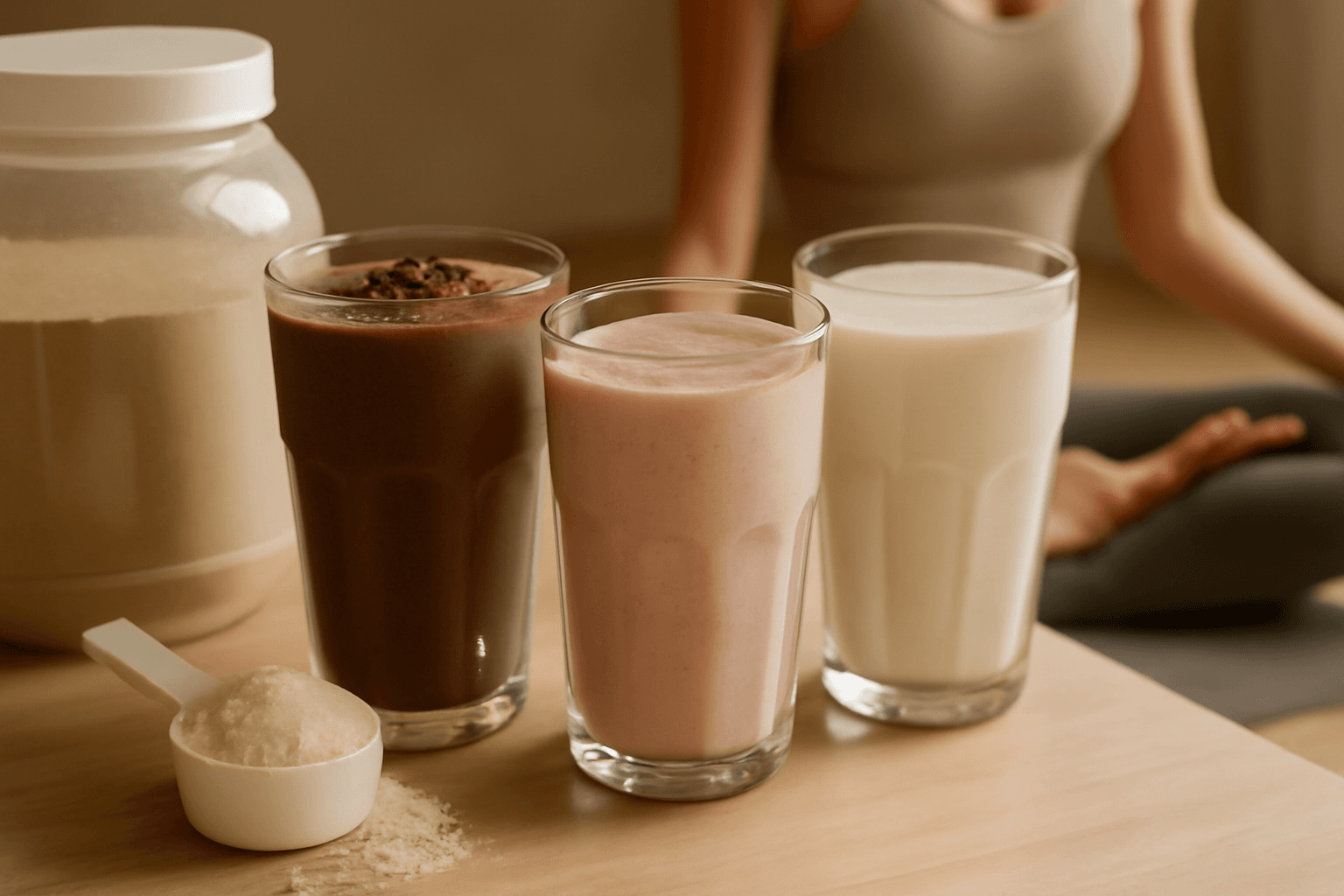
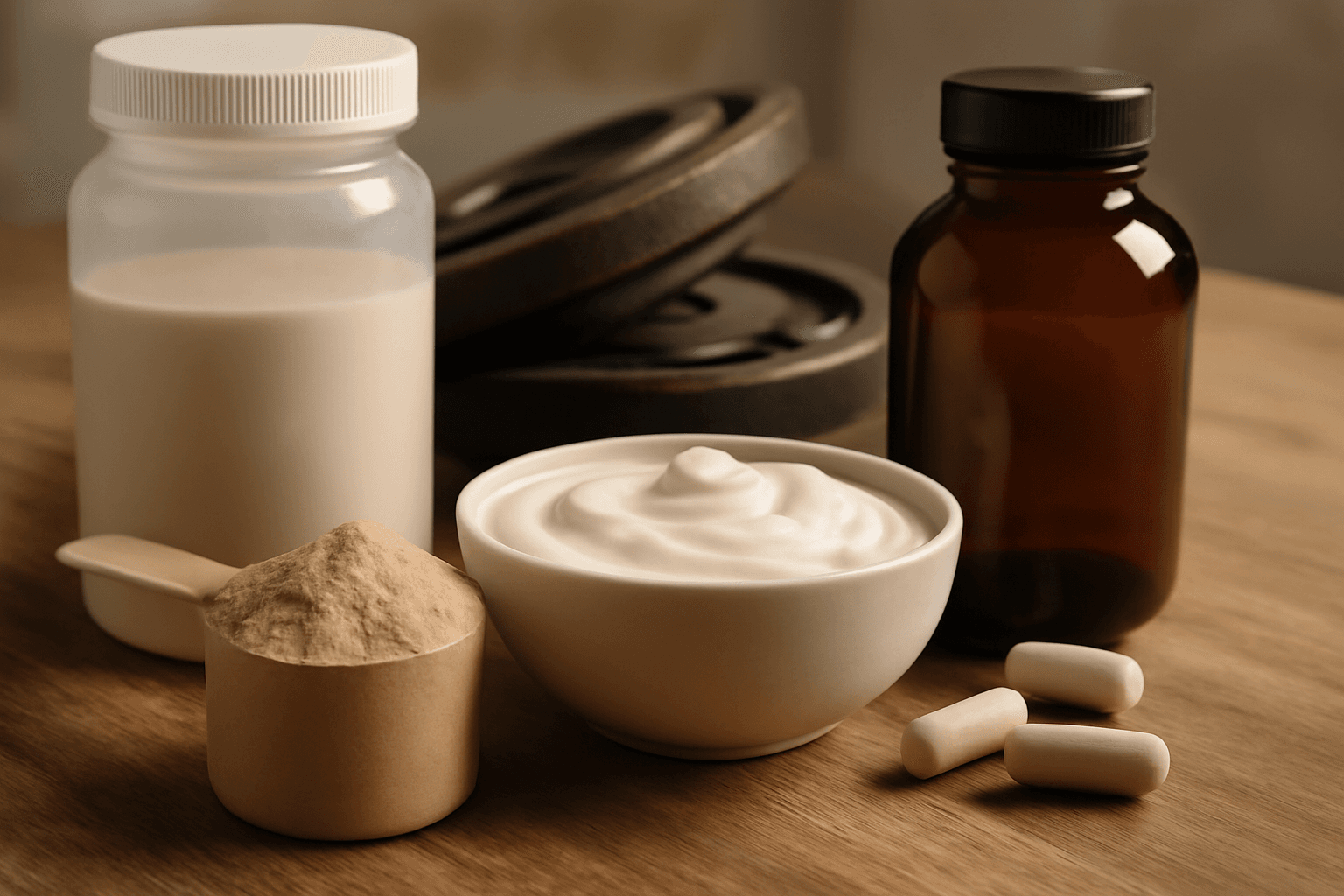
Protein is a key nutrient for muscle growth and recovery. For people engaging in physical activities like strength training or yoga, adequate protein intake is essential. This post introduces three delicious homemade protein shake recipes and guides you on how to choose a shake that matches your health goals. These recipes, utilizing whey protein, collagen, and natural ingredients, will be convenient yet nutritious options.
How to Make Your Own Protein Shake
The most important thing when making a protein shake is understanding the basic structure. An effective protein shake consists of three key components: protein powder, a liquid base, and additional ingredients.
Choosing protein powder is the first step in determining your shake's nutritional value. Whey Protein offers fast absorption rates and a complete amino acid profile, making it most effective when consumed within 30 minutes after strength training. One scoop (approximately 30g) of whey protein typically contains 20-25g of protein. Collagen powder is popular among people who enjoy yoga or stretching because it can care for both skin and joint health simultaneously. Casein protein absorbs slowly, so consuming it before bed provides long-lasting muscle protection benefits.
The liquid base affects the shake's texture and digestion speed. Using regular milk (200ml) gives you an additional 8g of protein, while soy or almond milk reduces calories while providing a smooth texture. Greek yogurt (100g) adds 10-15g of protein while creating a creamy consistency.
Tips for choosing additional ingredients:
- Fruits: Banana (potassium, digestive support), berries (antioxidants), pineapple (bromelain promotes digestion)
- Healthy fats: Avocado (1/4 is sufficient), nut butters (satiety), chia seeds (omega-3)
- Green vegetables: Spinach (iron), kale (calcium), spirulina (complete protein source)
- Flavor and nutrition: Cocoa powder (antioxidants), cinnamon (blood sugar control), vanilla extract (flavor)
When using a blender, adding ice last allows the liquid to blend evenly, creating a smooth texture. Using frozen fruit produces a more intense flavor than fresh ingredients. Adjust ingredient quantities based on your personal caloric needs and exercise intensity. Generally, daily protein needs are body weight (kg) × 1.6–2.2g, so if you're replacing one or two meals with shakes, adjust portions accordingly.
Three Delicious Protein Shake Recipes
Recipe 1: Chocolate Banana Power Shake
This shake is the most basic yet delicious combination, particularly suitable as a post-workout recovery drink. Banana's carbohydrates quickly replenish glycogen needed for muscle recovery, while chocolate provides psychological satisfaction.
Ingredients (per serving):
- Whey protein powder (chocolate flavor): 30g (approximately 1 scoop)
- Banana: 1 medium (approximately 100g)
- Greek yogurt: 100g
- Low-fat milk: 200ml
- Unsweetened cocoa powder: 1 tablespoon (approximately 7g)
- Almond butter: 1 tablespoon (approximately 16g)
- Ice: 1 cup
Nutritional Information (estimated): Protein 45g, Carbohydrates 42g, Fat 12g, Approximately 420 kcal
Instructions:
- Slice the banana and chill it in the freezer for 30 minutes, or use pre-frozen banana.
- Add milk, Greek yogurt, and almond butter to the blender first and mix into a liquid state.
- Add whey protein powder and cocoa powder and mix evenly.
- Add frozen banana and finish by adding ice.
- Blend at medium speed for 1-2 minutes to create a smooth texture.
- If Greek yogurt isn't completely mixed, blend longer.
Tips and Variations: For a stronger chocolate flavor, add dark chocolate chips (20g). To increase satiety, add oat flour (30g). When time is short, you can use frozen banana chunks as is. Consuming this shake within 30 minutes after strength training increases muscle recovery efficiency by up to 30%.
Recipe 2: Collagen Berry Yoga Shake
This shake is designed for people who practice flexibility exercises like yoga or pilates. Collagen supports both skin elasticity and joint health, while the antioxidants in berries promote recovery from exercise-induced inflammation.
Ingredients (per serving):
- Unflavored collagen powder: 20g
- Unsweetened Greek yogurt: 150g
- Frozen blueberries: 80g
- Frozen strawberries: 60g
- Coconut milk (canned): 100ml
- Almond milk: 100ml
- Raw honey: 1 tablespoon (approximately 21g)
- Fresh ginger slices: 2 pieces (optional)
- Ice: 1/2 cup
Nutritional Information (estimated): Protein 35g, Carbohydrates 38g, Fat 10g, Approximately 360 kcal
Instructions:
- Add almond milk and coconut milk together to the blender.
- Add Greek yogurt and blend until smooth.
- Slowly add collagen powder while mixing well to prevent lumps from forming.
- Add honey and mix again.
- Add frozen blueberries and strawberries.
- Add ginger at this point if desired (aids digestion).
- Finally add ice and blend for 1-2 minutes until smooth.
Benefits of Collagen: Collagen peptides have a small molecular size for rapid absorption. Research shows that consuming 10g or more of collagen daily increases skin moisture levels by 17% after six weeks. It also supports joint health, reducing injury risk during exercises like yoga.
Tips and Variations: Adding ginger improves digestion and reduces inflammatory response. You can make it delicious with raspberries or blackberries as well. Adding more Greek yogurt instead of coconut milk makes it creamier. Consuming before bed allows collagen to promote skin and joint recovery overnight.
Recipe 3: Green Power Energy Shake
This shake is a highly nutritious option for people who need improved athletic performance and an energy boost. Green vegetables provide abundant minerals and vitamins, while spirulina is a complete protein containing all essential amino acids.
Ingredients (per serving):
- Plant-based protein powder: 25g
- Fresh spinach: 1 handful (approximately 30g)
- Kale: 5-6 leaves
- Spirulina powder: 1 teaspoon (approximately 5g)
- Green apple (medium): 1
- Pineapple (fresh or frozen): 100g
- Coconut water: 150ml
- Almond milk: 100ml
- Avocado: 1/4
- Chia seeds: 1 tablespoon (approximately 15g)
- Ice: 1 cup
Nutritional Information (estimated): Protein 40g, Carbohydrates 45g, Fat 14g, Approximately 420 kcal
Instructions:
- Add coconut water and almond milk to the blender.
- Add kale and spinach and blend until a smooth liquid state.
- Add avocado and blend until creamy.
- Slowly add plant-based protein powder.
- Add spirulina and mix until color is uniform (spirulina lumps easily, so be careful).
- Add sliced green apple and pineapple.
- Add chia seeds.
- Finally add ice and blend for 1-2 minutes.
Detailed Nutrient Explanation: Spinach contains iron (2.7mg per 100g), improving oxygen transport capacity. Kale is rich in vitamin K, supporting bone health. Spirulina has a 60% protein content (on a dry weight basis) and research shows it reduces TNF-α, an inflammation marker, by 25%. Pineapple's bromelain rapidly aids recovery from muscle damage-related inflammation following exercise.
Tips and Variations: If spirulina's distinctive taste seems overwhelming, start with 1/2 teaspoon. If kale's texture bothers you, blend longer or reduce the amount. Using mango instead of pineapple creates a softer, sweeter taste. Consuming this shake two hours before exercise effectively enhances athletic performance, while consuming it after exercise accelerates recovery speed.
Summary
Protein shakes go beyond simple nutritional supplements to become a practical tool that can be customized according to your exercise goals and health status. The three recipes introduced each serve different purposes:
- Chocolate Banana Shake: The choice for those wanting quick recovery and muscle growth after strength training
- Collagen Berry Shake: The choice for yoga enthusiasts wanting to care for both skin health and joint flexibility
- Green Power Shake: The choice for active people wanting maximum energy efficiency and comprehensive nutrition
Precautions When Consuming Shakes: Protein shakes are supplements to a healthy diet, not replacements. Exceeding your daily protein needs excessively can strain your kidneys, so avoid unintended overconsumption. If you have dairy intolerance or certain health conditions, consult a healthcare professional before consuming. Pregnant or nursing women and those with kidney disease should be especially careful about adjusting protein intake.
Most importantly, choose a recipe matching your exercise intensity, body weight, and health goals, and consume it regularly. Experiment with ingredient ratios to find your perfect shake. Based on these three basic recipes, you can enjoy various variations by experimenting with seasonal fruits and new ingredients. The combination of consistent exercise and proper nutrition will certainly bring noticeable physical changes and health improvements.