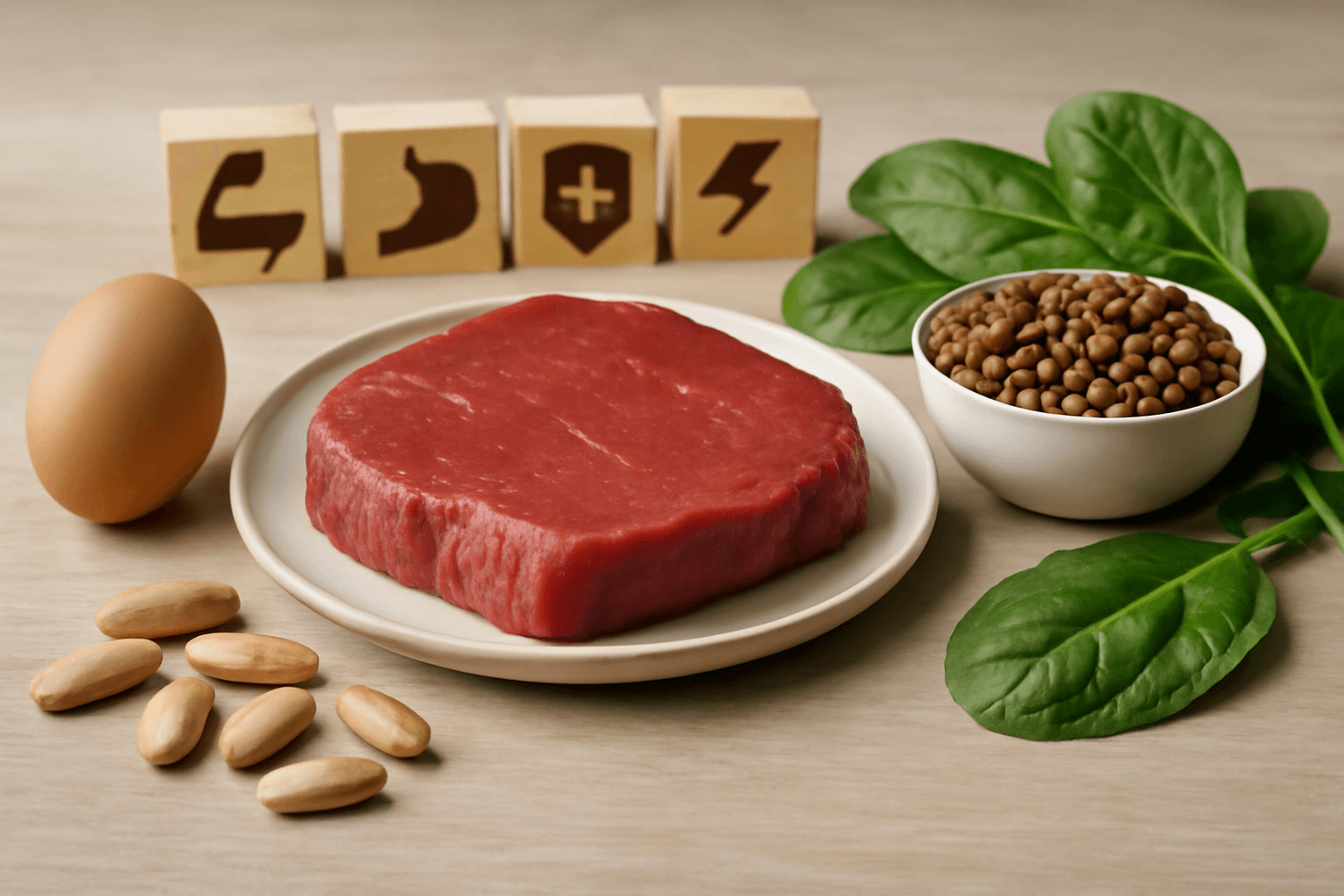
Iron is an essential mineral for oxygen transport, energy production, and immune function in our bodies. Women, vegetarians, and athletes in particular may experience fatigue, reduced concentration, and weakened immune function due to iron deficiency. This article will specifically address three iron-rich foods, methods to optimize iron absorption, and precautions when using supplements.
3 Iron-Rich Foods
1. Red Meat (Beef, Lamb)
Red meat is the richest source of heme iron, with an absorption rate of 15-35%. One hundred grams of beef contains approximately 2.6mg of iron, while organ meats like liver contain 5-36mg of iron. Heme iron has the characteristic of being efficiently absorbed even without stomach acid.
Red meat provides not only iron but also high-quality protein, vitamin B12, and zinc. Vitamin B12 is essential for nervous system health and energy metabolism, while zinc plays an important role in immune function and stress response. It is recommended to consume 100-150g per serving, 3-4 times per week.
2. Oysters and Shellfish
One hundred grams of oysters contain approximately 28mg of iron, boasting the highest iron content among foods. This corresponds to 155% of the daily recommended amount for adults (18mg for women, 8mg for men). The iron in shellfish is also heme iron with high absorption rates.
Oysters and shellfish are rich in copper, selenium, and vitamin B12 in addition to iron. Copper in particular acts as a coenzyme essential for iron absorption and red blood cell formation. The zinc content in oysters (16mg/100g) is excellent for strengthening the immune system. Since freshness is important, purchase from reliable sources, and special care is needed when consuming raw.
3. Dark Leafy Greens (Spinach, Kale, Swiss Chard)
One hundred grams of spinach contain approximately 2.7mg of iron. However, plant-based iron (non-heme iron) has an absorption rate of 2-20%, which is lower than animal-based iron. This is because oxalic acid found in spinach inhibits iron absorption. Light blanching during cooking can reduce oxalic acid content by approximately 50%.
Leafy greens contain not only iron but also folate, vitamin K, and antioxidants in abundance. Folate is essential for red blood cell production and helps relieve stress and fatigue. To maximize iron absorption, consume them with vitamin C-rich foods such as oranges, bell peppers, and tomatoes. For example, topping a spinach salad with orange slices can increase iron absorption by up to four times.
Other Ways to Increase Iron Intake
Combination with Vitamin C
Vitamin C dramatically enhances iron bioavailability. It can increase plant-based iron absorption by 2-3 times, and even just 75mg of vitamin C significantly increases iron absorption. It is effective to consume iron-rich foods together with oranges, bell peppers, broccoli, kiwis, and strawberries.
In actual research, the group that consumed 100mg of vitamin C along with iron-rich foods showed iron absorption over three times higher than the group that did not. Since iron absorption is best in the evening, it is recommended to combine vitamin C-rich foods with iron-rich foods at dinner.
Consumption with Animal Protein
Protein from meat, fish, and eggs contains the "meat factor," which promotes iron absorption. This substance prevents iron from oxidizing, thereby increasing absorption efficiency in the small intestine. When consumed with animal protein rather than plant-based iron alone, absorption rates improve by more than two-fold.
For example, adding a small amount of beef or chicken to lentil soup greatly increases the bioavailability of plant-based iron. Fish with brown rice and egg with black beans are also effective iron absorption strategies.
Limiting Foods That Inhibit Iron Absorption
Tannins and phytic acid found in coffee, tea, chocolate, and whole grains bind with iron and inhibit absorption. It is advisable to avoid these beverages within at least 2 hours after consuming iron-rich foods. In particular, the tannins in strong black tea or coffee can decrease iron absorption by more than 50%.
Calcium supplements also inhibit iron absorption, so consume them separately from iron if possible. If you must consume them in the same meal, maintain at least a 2-hour interval. Dairy products should likewise be consumed separately from iron for optimal results.
Side Effects of Iron Supplements
Gastrointestinal Symptoms
The most common side effect of iron supplements is gastrointestinal discomfort. Abdominal discomfort (41-50%), constipation (10-25%), diarrhea (12-17%), and nausea (10-20%) have been reported. These symptoms vary depending on the oxidation state and formulation of iron. Ferrous iron (2-valent) has higher absorption rates than ferric iron (3-valent) but causes more gastrointestinal irritation.
To minimize symptoms, it is effective to consume it with food and start with half the recommended dose, gradually increasing the amount. Over time, the digestive system tends to adapt and side effects decrease. If symptoms persist, consider switching to delayed-release products or formulations with lower iron content.
Stress and Immune Suppression
Excessive iron intake increases oxidative stress. Iron generates reactive oxygen species through the Fenton reaction, which causes cell damage and inflammation. When serum ferritin (iron storage indicator) levels exceed 300ng/mL, the risk of oxidative stress-related diseases increases.
Excessive iron also has negative effects on the immune system. Some pathogenic bacteria utilize iron as a nutrient source for reproduction, so iron overload can increase infection risk. In particular, men and postmenopausal women are at higher risk for iron accumulation, so it is recommended to get a serum ferritin test before taking supplements.
Drug Interactions
Iron interacts with thyroid hormones, antibiotics, bisphosphonates (osteoporosis medications), and some blood pressure medications. When taking the same medications, iron absorption may decrease or conversely the drug's effectiveness may be reduced. In particular, patients taking levothyroxine (thyroid hormone) must maintain at least a 4-hour interval.
The absorption of aminoglycoside antibiotics and fluoroquinolone antibiotics is also affected by iron. If you are taking other medications, consult with a healthcare professional to adjust the timing of administration.
When to Avoid Iron Supplements
Hemochromatosis and Iron Metabolism Disorder Patients
Patients with hereditary hemochromatosis experience iron accumulation in the liver, heart, and pancreas, causing tissue damage. This condition affects 0.2-0.5% of the population, and if left untreated, the risk of cirrhosis, heart failure, and diabetes increases significantly. If you or family members have a history of hemochromatosis, consult with a doctor.
Patients with thalassemia, sickle cell disease, or anemia due to chronic kidney disease also require careful consideration regarding iron supplementation. In these conditions, iron restriction may actually be necessary, and accurate testing and physician guidance must be followed.
History of Iron Transfusion or IV Iron Overload
Patients who have received iron transfusions or intravenous iron, or those undergoing long-term dialysis, are at higher risk from taking iron supplements. Since their iron metabolism is already abnormal, oral iron supplements may accumulate. These patients should have regular ferritin and iron saturation tests and should only take supplements under clear medical guidance.
Patients with Active Inflammatory Bowel Disease
Crohn's disease and ulcerative colitis patients may have gastrointestinal irritation from iron supplements that worsens disease symptoms. Additionally, inflammatory bowel disease itself interferes with iron absorption, so the effectiveness of oral supplements is limited. These patients may benefit more from intravenous iron, so consult with a gastroenterologist.
Patients Taking Certain Medications
Patients taking proton pump inhibitors (acid suppressants) or H2 blockers long-term have significantly reduced iron absorption. Patients undergoing chronic osteomyelitis treatment or taking anticoagulants may also have iron supplements affect drug effectiveness. In these cases, always consult with a healthcare professional to determine whether supplementation is possible.
Summary
Importance of Iron: Iron is essential for oxygen transport, energy production, and immune function, particularly important for menstruating women, vegetarians, and athletes.
Best Iron Sources: Oysters (28mg/100g), beef liver (5-36mg), and spinach (2.7mg) have high iron content. Animal-based iron (heme iron) has higher absorption rates than plant-based iron (15-35% vs 2-20%).
Absorption Optimization Strategies: Vitamin C and animal protein enhance iron absorption by 2-4 times, while coffee, tea, and calcium inhibit absorption.
Supplement Precautions: Gastrointestinal side effects (40-50%), oxidative stress, and drug interactions are possible, and patients with hemochromatosis or inflammatory bowel disease must avoid them.
Healthcare Professional Consultation: If iron supplementation is needed, be sure to get serum ferritin and blood iron tests first, and choose the appropriate dose and form under medical guidance. This is especially essential if you have existing conditions or are taking other medications.