The status of Korea's beauty industry in the global market continues to rise. As of 2023, the K-beauty market size has surpassed approximately 15 trillion won, with innovative product formats and dermatology-based ingredient development leading the industry. In this post, we'll analyze three major trends currently dominating the K-beauty market. These are 'hands-free' products that maximize ease of use, weakly acidic products that respect the skin's natural pH balance, and the clean beauty movement that prioritizes skin health above all else.
First Trend: 'Hands-Free' Products Like Balms and Sticks
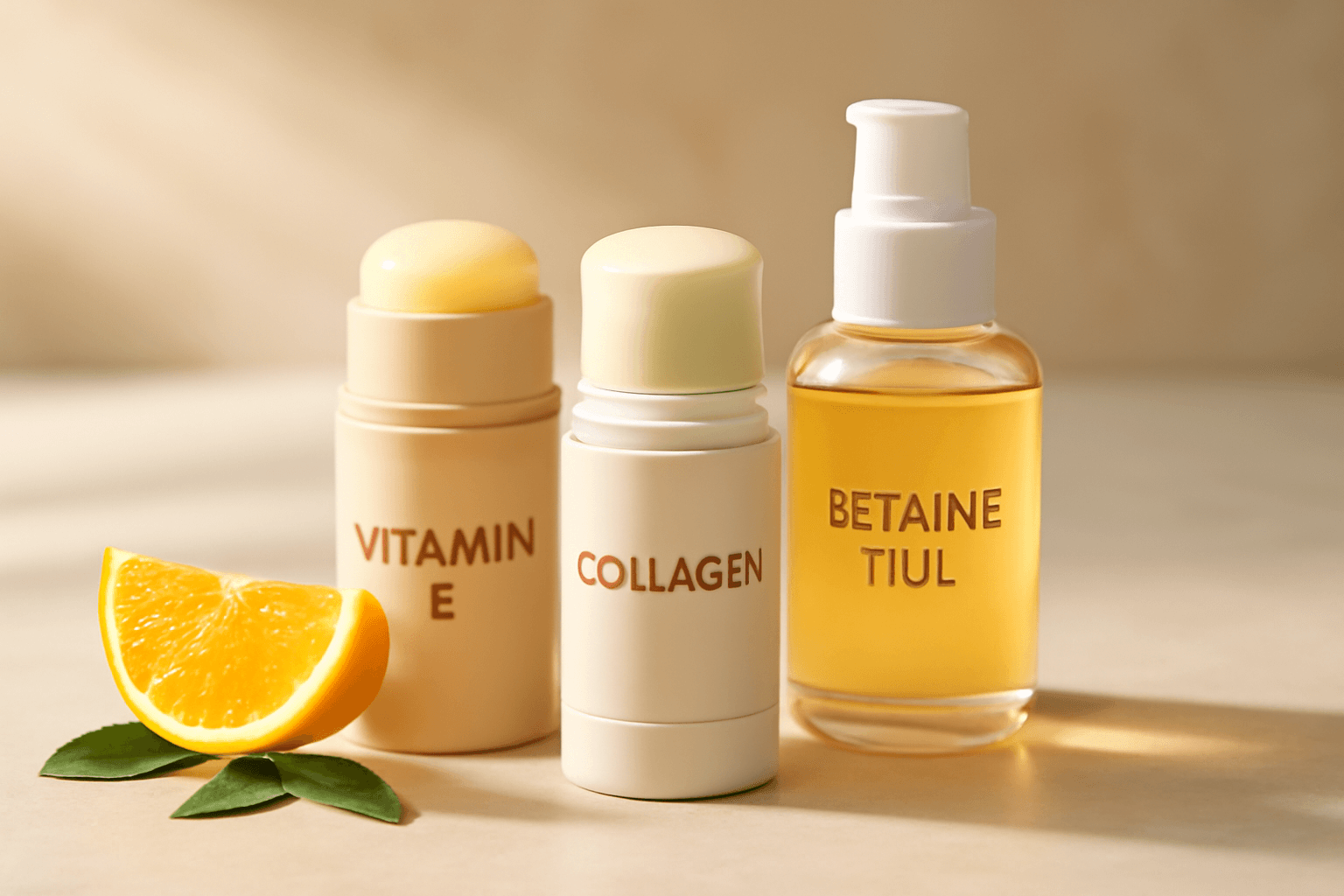
As the lifestyle of busy modern consumers changes, hands-free products that prioritize convenience in skincare are growing rapidly. Balm-type products can be applied directly without fingers or tools, while stick-type products simultaneously solve portability and hygiene concerns. Korean beauty brands are intensively formulating these product categories with high-performance ingredients like collagen, vitamin E, and niacinamide.
Balm products are increasingly being used as intensive night essences. According to a 2024 domestic beauty consumption trend survey, sales of balm-type products increased 38% compared to the previous year. These products are designed to provide powerful hydration and nourishment during the night when moisture loss is greatest, and are generally developed to absorb within 10-15 minutes. In particular, balm products containing collagen are known to help improve skin elasticity.
- Advantages of stick-type products: Excellent portability, precise dosage control, minimal hand contact for easy hygiene management
- Characteristics of balm-type products: High viscosity for long-lasting adherence, powerful moisturizing effects, concentrated nighttime regeneration
- Key ingredients: Niacinamide strengthens skin barrier, vitamin E provides antioxidant action, collagen improves elasticity
These product formats are particularly popular among people with acne-prone or sensitive skin types. Since they are not applied directly by hand, the risk of bacterial contamination is low, and using only a set amount reduces waste. Premium K-beauty brands are adding special packaging to these products to enhance their premium image.
Second Trend: Weakly Acidic Products
The pH of normal skin falls within the weakly acidic range of 4.5-5.5. However, many traditional skincare products have been manufactured at neutral (pH 7) or slightly alkaline pH, disrupting the skin's natural pH balance. The current K-beauty industry is addressing this issue and focusing on developing 'dermatologically optimized weakly acidic products.'
According to a 2023 dermatological paper, the skin group using weakly acidic products showed 34% higher skin barrier strengthening compared to the group using neutral products. Weakly acidic products have also been confirmed to help maintain the skin's natural acid mantle, suppressing the growth of acne-causing bacteria. In particular, weakly acidic toners and essences in acne care lines are gaining popularity.
Respecting the skin's pH is the essence of modern skincare. Using weakly acidic products can have positive effects on sensitive skin, acne-prone skin, and dry skin alike.
- Why weakly acidic products are effective: Restore the skin's natural acidic environment, inhibit harmful bacteria proliferation, strengthen skin barrier
- Products primarily developed as weakly acidic: Toners, essences, essential lotions, acne-specific ampoules
- What to check when selecting products: pH values specified on product labels (4.5-5.5 range recommended), consider pH differences by skin type
One important consideration when using weakly acidic products is sequential application. It's recommended to prepare the skin with a weakly acidic toner before using an essence or essential lotion. This maximizes skin absorption rate and enhances the effectiveness of high-performance ingredients used afterward. If you have sensitive skin or current skin concerns, it's safest to consult with a dermatologist before selecting products.
Third Trend: Clean Beauty
Clean beauty goes beyond the simple concept of 'using only natural ingredients' to mean 'beauty that considers both skin health and overall health.' In the K-beauty market, the sales share of clean beauty products increased nearly threefold from 8% in 2022 to 22% in 2024. This signifies that consumers have begun to consider long-term skin health and environmental friendliness over simple immediate cosmetic effects.
Antioxidants are receiving attention in clean beauty product development. Ingredients like vitamin E, grape extract, and green tea extract are effective in reducing oxidative stress on the skin. Additionally, ingredients like betaine HCL that support skin digestive function are gaining attention as newcomers. These ingredients can maintain product stability and efficacy without synthetic preservatives or artificial fragrances.
- Essential elements of clean beauty: Ban on animal testing (cruelty-free), no synthetic preservatives, minimized environmental impact
- Key safety standards: EWG certification, BDIH certification, vegan product certification
- Popular clean ingredients: Plant extracts, natural oils, vitamin and mineral complexes
As clean beauty evolves beyond a mere trend to become an essential element, K-beauty brands are responding actively. Brands that clearly specify the source of cosmetic ingredients, reduce environmental impact during manufacturing, and use recyclable packaging are receiving high praise. However, the misconception that 'natural equals unconditionally safe' must be avoided. Some natural ingredients can also cause irritation depending on individual skin type or allergies, so patch testing is essential.
Recent Beauty Industry Trends
Along with ingredient innovation, the Korean beauty industry is also focusing on developing personalized customized products. As online platform skin diagnosis technology becomes more sophisticated, consumers can now accurately understand their skin type and inflammation levels and purchase customized products. In particular, during the first half of 2024, products based on 'skin microbiome' accounted for more than 20% of new products.
Additionally, K-beauty companies are increasing 'food and beverage × skincare' collaborations. Antioxidant-enhanced drinks and moisturizing supplement foods are being sold as packages alongside skincare lines. For example, marketing that suggests purchasing collagen-containing drinks together with collagen essence can yield synergistic effects is proving effective. This reflects a trend of approaching beauty not just from 'applying' to 'consuming' in an integrated manner.
International market expansion is also accelerating. Purchase intent for K-beauty products continues to increase in Japan, Southeast Asia, Europe, and North America markets, and the weakly acidic and clean beauty concepts are receiving positive responses from Western consumers as well. The sincerity of Korean brands in redeveloping products to meet each country's regulatory standards is also a factor that enhances credibility.
Summary: Key Points of K-Beauty Trends
The three major K-beauty trends all share a common point: 'consumer-centricity.' The first 'hands-free' products respect time efficiency in busy lifestyles, the second 'weakly acidic products' prioritize the skin's physiological health, and the third 'clean beauty' considers not only individual health but also the planet's environment.
- Hands-free products: Combine convenience with functionality, particularly effective for acne-prone skin
- Weakly acidic products: Restore skin pH balance, strengthen barrier, proven acne-suppressing effects
- Clean beauty: Pursue long-term skin health and environmental sustainability
When selecting products following these trends, a few principles should be remembered. First, accurately understand your skin type before choosing products. Second, always perform a patch test before using new products. Third, use products consistently for at least four weeks to expect results. If you have sensitive skin, severe acne, or skin conditions, it's safest to consult with a dermatologist before selecting products.
K-beauty is moving away from pursuing mere external beauty and returning to the essence of 'healthy skin.' This is why K-beauty is trusted and growing in the global market. Beyond 2024, these trends are expected to intensify further, and consumers will be able to wisely select products that work best for them within this flow.