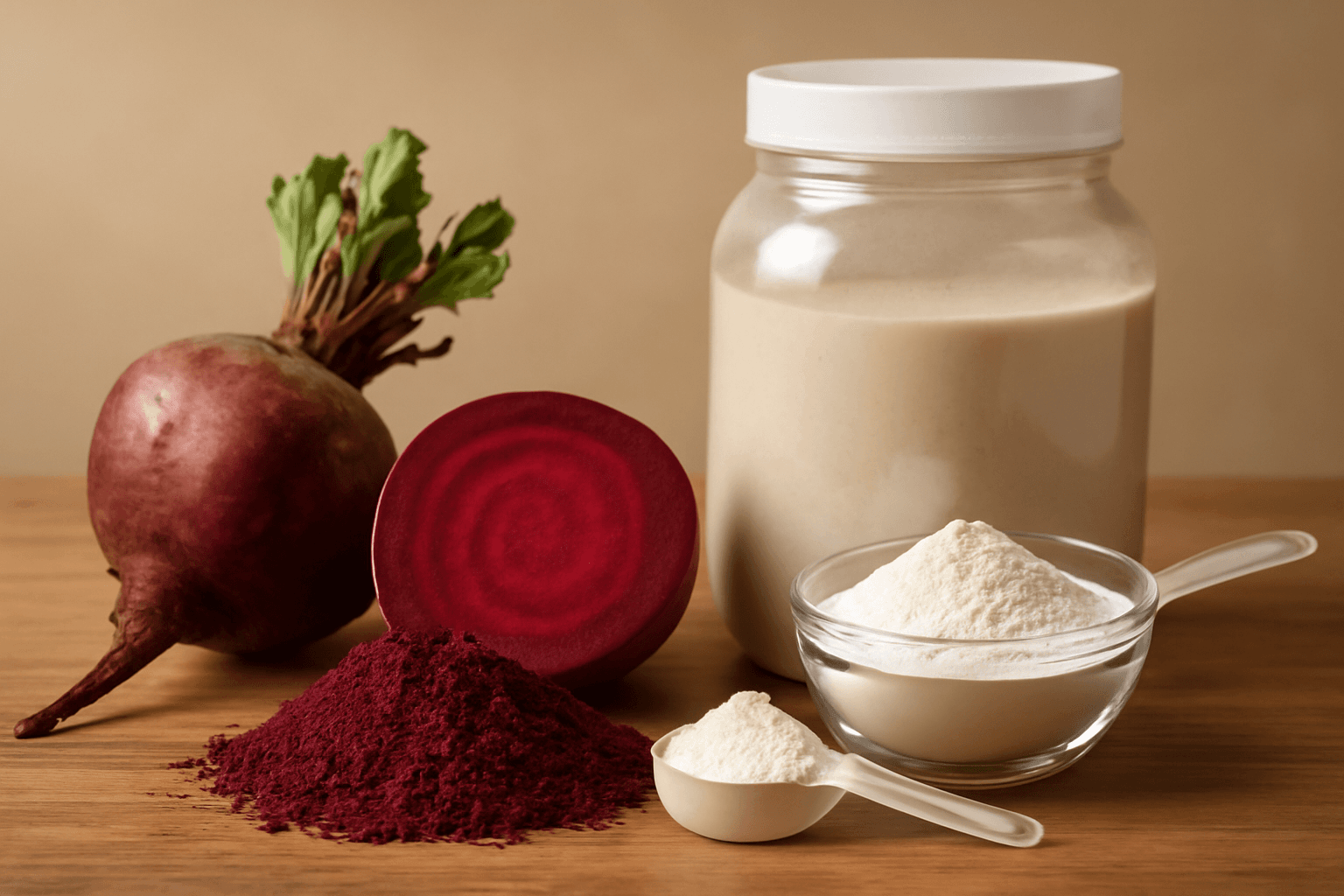
Many people looking to build muscle don't prioritize nutrition management as much as exercise itself. Especially when targeting muscle hypertrophy, it can be difficult to achieve optimal results with exercise and diet alone. This article introduces three science-based supplements that accelerate muscle growth and promote fatigue recovery. Through understanding the effects and proper usage of creatine, whey protein powder, and citrulline, we'll explore how to maximize the efficiency of hypertrophy training.
What is Muscle Hypertrophy?
Muscle hypertrophy refers to an increase in the size of muscle cells. This occurs through resistance exercise that causes micro-damage to muscle fibers, and during the recovery process, muscle protein synthesis increases beyond the amount of protein breakdown.
Hypertrophy occurs through two mechanisms. First is increased protein synthesis within the muscle, and second is the accumulation of glycogen and water within the muscle. For hypertrophy, adequate protein intake (1.6-2.2g per kg of body weight) is essential, and this must be combined with progressive overload training. Generally, hypertrophy is a separate concept from strength gains and can be achieved by increasing repetitions at the same weight or expanding range of motion.
Exercise Methods for Muscle Hypertrophy
To effectively induce hypertrophy, you must follow specific exercise protocols. The most efficient approach is exercising in the 8-12 repetition range at 70-85% of your 1RM (one-repetition maximum). At this range, hypertrophic stimulus is maximized while injury risk remains relatively low.
The key exercise principles are as follows. First, you must maintain sufficient time under tension, aiming for 40-60 seconds of exercise time per set. Second, rest periods between sets should be set at 60-90 seconds to maintain adequate muscle stress while preserving enough energy for the next set. Third, stimulating each muscle group at least twice per week improves hypertrophy efficiency. For example, chest exercises can be performed separately on Monday and Thursday.
Three Tips to Improve Hypertrophy Training
The first tip is gradual increases in exercise intensity. If you perform the same weight and repetitions every week, your body adapts and hypertrophy plateaus. You should increase weight by at least 2.5-5% every two weeks, or add 1-2 more repetitions at the same weight. This is called progressive overload, and hypertrophy is impossible without it.
The second tip is adequate sleep and recovery. Muscle growth occurs during rest, not during exercise. Growth hormone is secreted during sleep, and this hormone promotes muscle protein synthesis. If you don't get 7-9 hours of sleep daily, even the best exercise and nutrition will have half their effect. Additionally, sleep deprivation leads to increased cortisol, which promotes muscle breakdown.
The third tip is maintaining proper exercise form. Research shows that hypertrophic stimulus is greater when lifting moderate weight with correct form compared to lifting heavy weight with poor form. Especially during the eccentric phase when muscles lengthen, lowering slowly (2-3 seconds) maximizes hypertrophic stimulus.
First Supplement for Muscle Hypertrophy: Creatine
Creatine monohydrate is the most scientifically supported supplement for hypertrophy. Decades of research have consistently demonstrated effects on strength increases and hypertrophy promotion, and the International Society of Sports Nutrition (ISSN) officially recommends it.
Creatine's mechanism of action is promoting ATP (energy molecule) resynthesis within muscles. During high-intensity resistance exercise, muscles rapidly deplete ATP, and creatine accelerates the conversion of ATP back from ADP. As a result, you can perform more repetitions during exercise, leading to greater hypertrophic stimulus.
The typical dosing method is a loading protocol of 5g taken 3-4 times daily, which shows effects within about 5-7 days. Alternatively, taking 3-5g daily without loading shows effects after 2-3 weeks. According to research, creatine supplementation increases strength by 8-14% over 3-6 months, meaning you can lift heavier weights, which leads to enhanced hypertrophy.
Side effects from creatine are very rare, but adequate water intake is important. Since creatine draws water into muscles, it's good to drink at least 3-4 liters of water daily. If you have kidney disease or are taking medications, consulting with a healthcare professional is recommended.
Second Supplement for Muscle Hypertrophy: Protein Powder
Whey protein is an essential supplement for hypertrophy. It has a complete amino acid profile and is particularly rich in leucine, which directly stimulates muscle protein synthesis. Whey protein has the advantage of fast digestion (approximately 30 minutes) and excellent absorption rate immediately after exercise.
For those targeting hypertrophy, daily protein intake of 1.6-2.2g per kg of body weight is recommended. For example, an 80kg person needs 128-176g of protein daily. When it's difficult to meet this entirely through normal diet, protein powder is an efficient supplement. One scoop of whey protein (approximately 25-30g) typically provides 20-25g of protein.
The optimal intake timing is within 30-60 minutes after exercise. Consuming protein during this window takes advantage of the "protein synthesis window" when muscle protein synthesis is most active. However, this isn't absolute; total daily protein intake is more important.
When selecting, choose products with high protein content. Quality whey protein powder contains at least 20g of protein per 100 calories and should have 1g or less of added sugar. If you experience digestive side effects, you may have lactose intolerance, in which case switching to a whey isolate product is worth considering.
Third Supplement for Muscle Hypertrophy: Citrulline
L-citrulline is a type of amino acid that increases nitric oxide (NO) production in the body. Nitric oxide expands blood vessels and increases blood flow to muscles, resulting in better pump sensation and improved exercise performance.
The value of citrulline in the hypertrophy context is twofold. First, improved blood flow delivers more nutrients and oxygen to muscles, increasing exercise capacity. Second, nitric oxide directly stimulates protein synthesis and inhibits muscle breakdown. According to research, citrulline supplementation can increase repetitions during exercise by 2-3, which accumulates into significant hypertrophy gains.
The typical dosage is 6-8g taken 30-60 minutes before exercise. It takes approximately 7-10 days for effects to appear, so you should maintain supplementation for at least 2 weeks to evaluate effectiveness. Since citrulline lowers blood pressure, those with low blood pressure or taking blood pressure medications should consult a doctor.
Taking citrulline together with creatine and protein powder is safe and can produce synergistic effects. Citrulline improves blood flow and stimulates protein synthesis, creatine provides energy, and whey protein supplies essential amino acids, working in complementary ways.
Summary
For those pursuing hypertrophy, the most important thing is to address all three elements: exercise, nutrition, and recovery. The key points of the three supplements introduced in this article are as follows.
- Creatine: Increases strength by 8-14%, allowing you to lift heavier weights, and is the supplement with the most scientific evidence. Take 3-5g daily and ensure adequate water intake.
- Whey protein powder: Has a complete amino acid profile that directly stimulates muscle protein synthesis. It's the most convenient way to meet the daily protein goal of 1.6-2.2g per kg of body weight.
- Citrulline: Increases blood flow to muscles, enhancing exercise capacity and promoting protein synthesis. Take 6-8g before exercise, and evaluate effectiveness after 2 or more weeks of consistent use.
While properly utilizing these three supplements, remember that the foundation of hypertrophy is fundamentally resistance exercise with progressive overload applied, adequate protein intake (including supplements), and 7-9 hours of sleep. Supplements are merely supplements and cannot replace the fundamentals.
Medical Disclaimer: If you have kidney disease, liver disease, diabetes, or are taking blood pressure medications, diabetes medications, or other drugs, be sure to consult with a doctor or pharmacist before starting any new supplement. Additionally, the effectiveness and safety of supplements can vary depending on your individual health status.