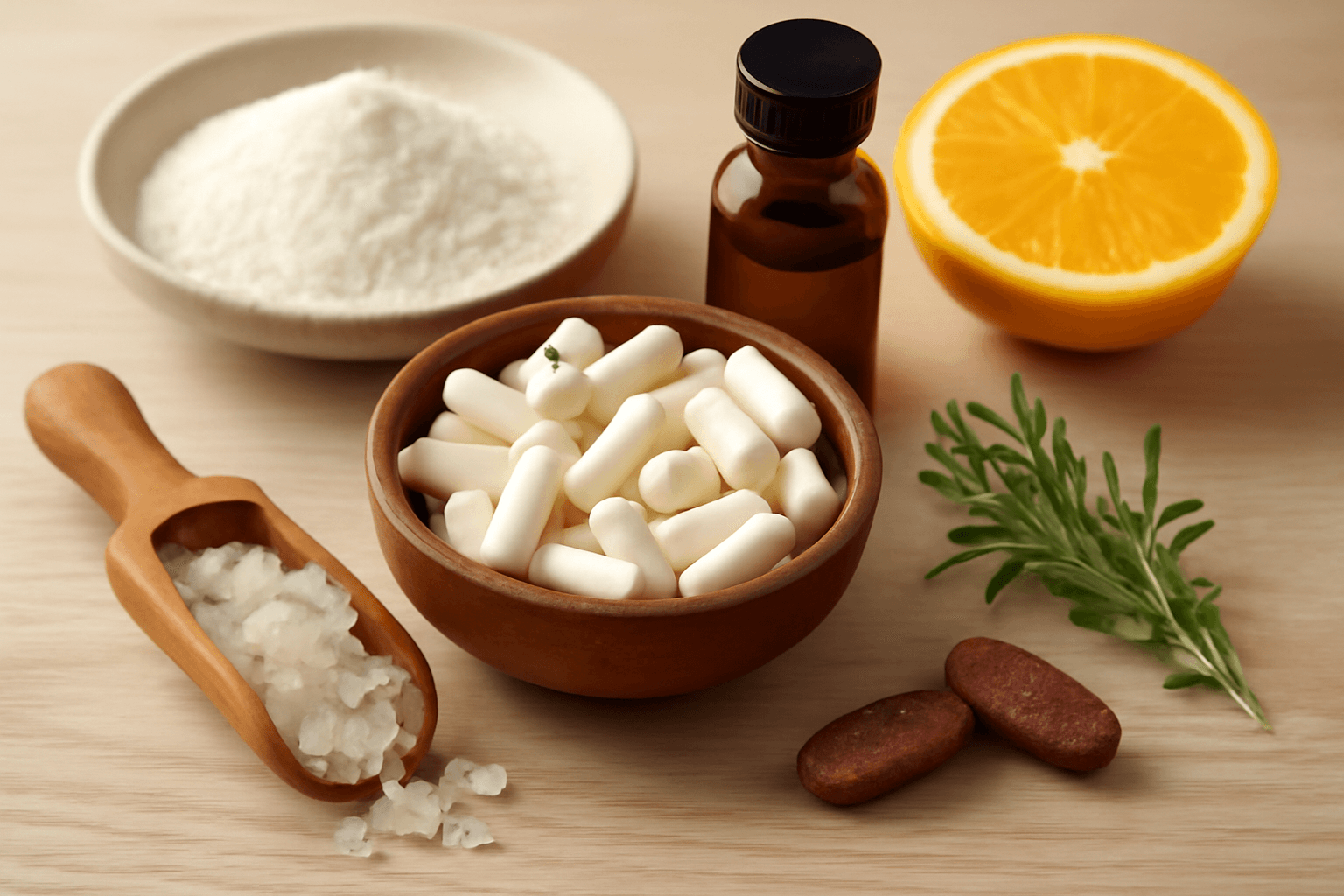
Eucalyptus oil is an essential oil extracted from the eucalyptus tree, which is native to Australia, and has been used in traditional medicine for hundreds of years. The 1,8-cineole (eucalyptol) compound found in this oil has powerful antibacterial and antioxidant properties, and its effectiveness in improving respiratory health, preventing infections, and serving as a natural insect repellent has been scientifically proven. It is particularly gaining attention from people with seasonal cold and allergy symptoms, as well as households that are mindful of home hygiene. In this article, we will examine in detail the three main uses of eucalyptus oil and safe methods of use.
Uses of Eucalyptus Oil
Eucalyptus oil is a multipurpose essential oil that can be used in a variety of applications. The main active ingredient, 1,8-cineole, makes up 70-90% of the total content and is responsible for most of the therapeutic effects. In addition, terpene compounds such as α-pinene, limonene, and camphene provide antioxidant and anti-inflammatory properties.
Eucalyptus oil has traditionally been used in three major areas: respiratory health, skin care, and pain relief, and modern scientific research is revealing more specific benefits. In Australian traditional medicine, indigenous peoples crushed eucalyptus leaves and applied them directly to wounds for healing and infection prevention, and when experiencing respiratory discomfort, they burned the leaves and inhaled the smoke. In modern times, scientific verification has been added to this traditional knowledge, resulting in the development of more efficient and safer methods of use.
Relief of Respiratory Symptoms
The most well-known use of eucalyptus oil is improving respiratory health. 1,8-cineole acts as a bronchodilator by promoting mucus secretion in the airways and dilating the airways. In a 2018 clinical trial conducted by a German research team, when capsules containing eucalyptus oil were administered to bronchitis patients, the frequency of coughing decreased by approximately 35% after two weeks, and sputum clearance improved significantly.
For nasal congestion caused by colds or flu, the method of inhaling eucalyptus oil diluted in water as warm steam is effective. Simply add 2-3 drops of eucalyptus oil to a cup of boiling water, cover your head with a towel, and inhale the steam for 15-20 minutes. This method quickly relieves nasal congestion and makes breathing easier. However, overly concentrated oil can cause irritation, so the dilution ratio must be followed carefully.
For patients with asthma or chronic obstructive pulmonary disease (COPD), there is research showing that eucalyptus oil inhalation reduces airway inflammation and increases oxygen saturation. According to a 2019 study from the University of Brisbane in Australia, a group of asthma patients who continued regular eucalyptus oil inhalation for 8 weeks showed an average 22% improvement in lung function. However, if such respiratory conditions exist, the oil must be used under a doctor's guidance, and it should be remembered that inhalation therapy is not a substitute for prescribed medications.
Antibacterial Agent
Eucalyptus oil's antibacterial ability works against a wide range of pathogenic bacteria. In a 2020 study published in the International Journal of Microbiology, eucalyptus oil showed 85-92% inhibitory effects against common pathogenic bacteria such as Staphylococcus aureus, E. coli, and Pseudomonas aeruginosa. This works because 1,8-cineole damages bacterial cell membranes and interferes with protein synthesis.
Eucalyptus oil can be used to disinfect common surfaces around the house. Mixing 10-15 drops of eucalyptus oil with 500ml of water and putting it in a spray bottle creates a natural antibacterial cleaner. This solution can be sprayed on frequently touched surfaces such as kitchen countertops, bathroom tiles, and door handles, then wiped dry with a clean towel for effectiveness. It is particularly useful during flu season or when there is an infected family member at home. For wooden or fabric furniture, it is advisable to first check for discoloration in an inconspicuous area before use.
Eucalyptus oil's antibacterial properties are also utilized in maintaining oral health. Some natural toothpastes and mouthwashes contain eucalyptus oil, and gargling with the oil diluted to a concentration of 2-3% can reduce oral bacteria. However, it should never be swallowed, and the mouth should be thoroughly rinsed with water after gargling. If there is gum disease, such natural oils cannot replace regular dental treatment, so professional dental care is essential.
Insect Repellent
Eucalyptus oil has considerable effectiveness as a natural insect repellent. In a 2017 study by Chiang Mai University in Thailand, eucalyptus oil suppressed the hatching of mosquito larvae by up to 94% and showed an 87% avoidance effect against adult mosquitoes. This works through the principle that the scent components of eucalyptus oil stimulate insects' sensory organs, causing them to avoid the area.
For indoor insect control, using eucalyptus oil in a diffuser is the most convenient method. Fill an ultrasonic diffuser with 100ml of water, add 5-7 drops of eucalyptus oil, and run it in the bedroom or living room from evening through the night. This method is effective not only against mosquitoes but also against various indoor pests such as cockroaches and flies. Additionally, even with prolonged use, toxic substances do not accumulate like they do with chemical insecticides.
For outdoor activities, you can prevent mosquito bites by mixing eucalyptus oil with carrier oils such as coconut oil or jojoba oil in a 1:10 ratio and applying it directly to the skin. While this method is less effective than synthetic repellents (DEET), it is a safer option for people with sensitive skin. When traveling to areas with high mosquito-borne diseases such as Bali and Thailand, medical insect repellents should be the first choice, but using eucalyptus oil together as an additional protective measure is recommended.
You can deter mosquitoes and aphids by placing cotton balls soaked in eucalyptus oil in small containers in the garden or balcony, or by spraying around flower pots. This method is particularly useful for people who want to minimize the use of chemical pesticides when growing vegetables or medicinal plants. However, when spraying directly on plants for pest control purposes, concentration adjustment is important, and overly concentrated oil can damage plants, so it must be sufficiently diluted.
Safety
Eucalyptus oil is generally a safe natural substance, but improper use can cause side effects. The most important principle is never to ingest it. Drinking pure eucalyptus oil can cause toxicity, and ingestion of 5ml or more in particular can cause severe poisoning symptoms. In 2019, the American Poison Control Center reported over 350 emergency cases annually due to eucalyptus oil misuse.
When applying directly to skin, it must always be diluted with a carrier oil. Applying pure eucalyptus oil directly to the skin can cause irritation, rash, and burns. The recommended dilution ratio is generally 1-3% for regular skin application and 0.5-1% for facial application. When using for the first time, it is good to conduct a patch test by applying a small amount to the inner forearm and observing the reaction after 24 hours. People with sensitive skin or those with skin conditions such as eczema or psoriasis should consult with a professional before use.
Pregnant or breastfeeding women should be particularly careful when using eucalyptus oil. Some research suggests that high concentrations of eucalyptus oil may cause uterine contractions, so it should not be used during this period without explicit permission from a doctor. Children under 6 years of age should also avoid inhalation or application of eucalyptus oil. Children are more sensitive to the strong irritation of this oil and also face the risk of accidental ingestion.
People with liver or kidney disease, those with seizure disorders, and those taking certain medications should consult with a healthcare professional before using eucalyptus oil. Eucalyptus oil can affect the absorption and metabolism of certain drugs, and there is a possibility of interaction especially with anticonvulsants or drugs metabolized by the liver. Additionally, patients with phenylketonuria (PKU) should also avoid using eucalyptus oil.
When storing, keep it away from direct sunlight in a cool and dry place. Eucalyptus oil is susceptible to oxidation and should be used within one year of opening. If the color darkens or the smell becomes unusual after opening, it is likely oxidized, so it is safer not to use it. When purchasing high-quality pure essential oil, buy from a reliable supplier and check if the label indicates "100% pure essential oil" or "therapeutic grade."
Summary
Three main uses of eucalyptus oil:
- Relief of respiratory symptoms: The 1,8-cineole component promotes airway dilation and mucus secretion, effectively alleviating cough, nasal congestion, and sputum. Inhaling the steam by diluting in hot water is the most efficient method.
- Antibacterial effectiveness: Shows 85-92% inhibitory effect against pathogenic bacteria and can be used as a natural surface disinfectant. It can be diluted in water to make a spray cleaner and can also be used for oral cleansing.
- Insect repellent: Suppresses mosquito larval hatching by up to 94% and has an 87% avoidance effect on adult mosquitoes. Can be utilized in various ways including diffusers, skin application, and spraying.
Key principles for safe use:
- Never ingest (ingestion of 5ml or more of pure oil can cause poisoning)
- Always dilute with a carrier oil when applying to skin (1-3% concentration)
- Patch test is essential when using for the first time
- Consult a doctor before use if pregnant/breastfeeding, under 6 years old, or have liver/kidney disease
- Purchase high-quality products from reliable suppliers
- Use within one year of opening and store in a cool place
Eucalyptus oil is a multipurpose essential oil that combines hundreds of years of traditional use experience with modern scientific validation. It demonstrates practical effectiveness in three major areas: respiratory health, bacterial control, and pest control, but the correct usage methods and safety precautions must be thoroughly understood. In particular, for those with chronic conditions or who are taking medications, consulting with a healthcare professional before use is the best way to protect your health.