Inflammation is a natural defensive response of our immune system against infection or injury. However, chronic inflammation increases the risk of various diseases such as heart disease, diabetes, cancer, and Alzheimer's disease. According to the World Health Organization (WHO), 71% of deaths from chronic diseases are related to inflammation. Fortunately, by improving your daily eating habits and lifestyle, you can naturally suppress inflammation. This article introduces three science-backed methods to reduce inflammation.
1. Types of Inflammation
Inflammation is broadly divided into acute inflammation and chronic inflammation. Acute inflammation is a short-term response that occurs immediately after injury or infection, accompanied by heat, swelling, and pain. This is an essential step in the healing process. Chronic inflammation, on the other hand, is a low-grade inflammatory state that persists for months to years.
Chronic inflammation is called the "silent killer" because symptoms are not clearly apparent. You can suspect chronic inflammation if a blood test shows C-reactive protein (CRP) levels of 3 mg/L or higher, or elevated inflammatory markers TNF-α and IL-6. Major causes include stress, poor eating habits, lack of exercise, and sleep deprivation. In particular, foods high in refined carbohydrates and saturated fats damage the intestinal lining and trigger inflammation. Obesity is also a risk factor that increases the secretion of inflammatory cytokines.
2. What Factors Trigger Inflammation?
Dietary factors are a major cause of inflammation. Highly processed foods, refined sugar, and trans fats disrupt the balance of gut microbiota. In fact, according to a 2019 study in the American Journal of Clinical Nutrition (AJCN), people who consumed high glycemic index (GI) foods had 25% higher inflammation levels. Conversely, a lack of antioxidant foods allows reactive oxygen species to accumulate, worsening cellular damage and inflammation.
Digestive health also plays an important role. About 70% of immune cells are concentrated in the intestinal lining. When beneficial bacteria decrease due to lack of probiotics, intestinal permeability increases, leading to "Leaky Gut Syndrome." This allows bacteria and toxins to enter the bloodstream, triggering systemic inflammation.
Sleep deprivation significantly raises inflammation levels. Research shows that people who sleep 6 hours or less daily have 28% higher CRP levels than those who sleep 7 hours. During sleep, the body lowers inflammatory cytokine levels and resets the immune system. Additionally, chronic stress and lack of regular exercise increase cortisol and inflammatory factors.
3. How to Naturally Suppress Inflammation
First: Build a Diet Rich in Anti-inflammatory Nutrients
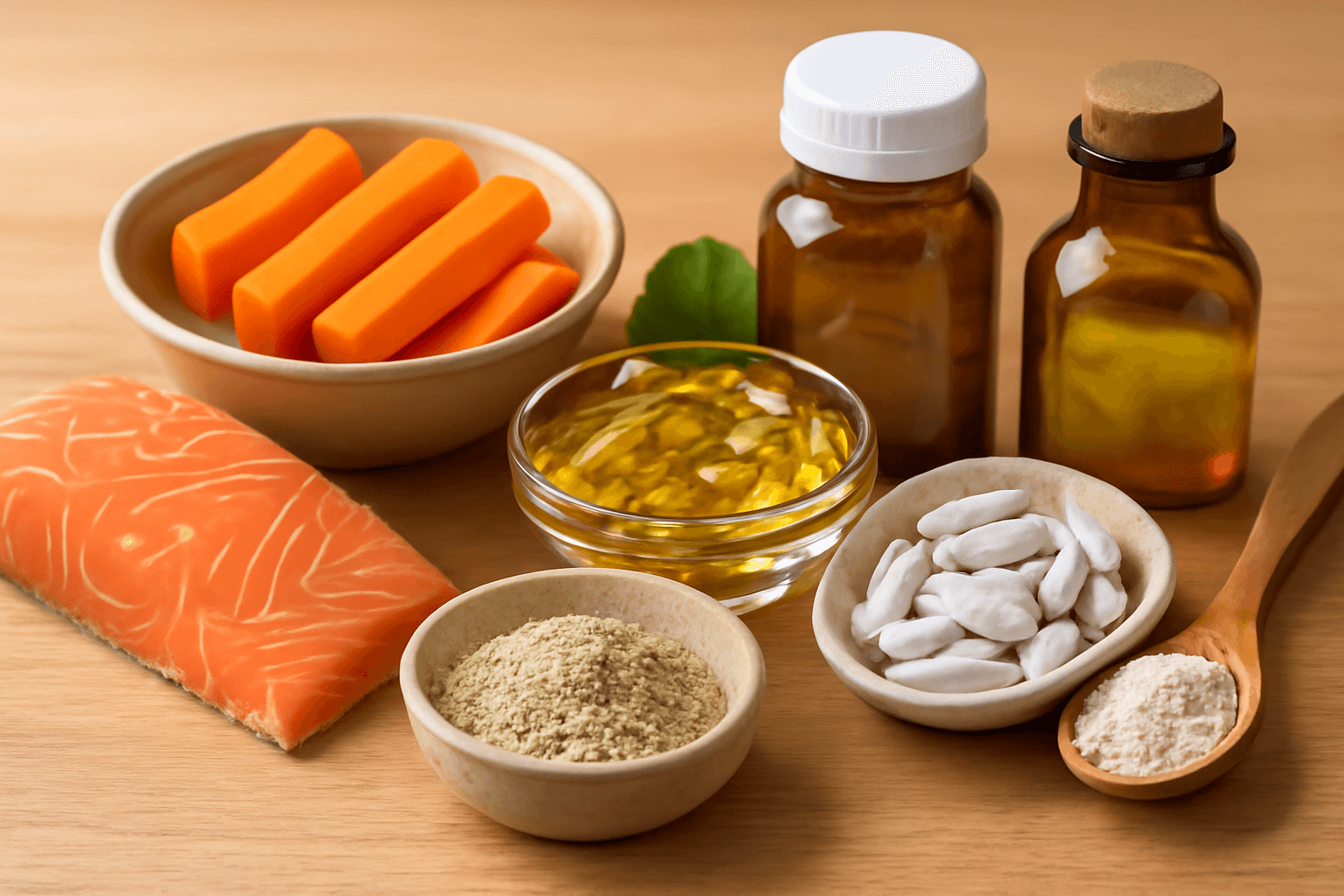
Omega-3 fatty acids are the most powerful anti-inflammatory substances. Research shows that people who eat fish at least twice weekly have a 36% reduced risk of heart disease. 100g of salmon, mackerel, or sardines contains approximately 1.5g of EPA and DHA. If fish consumption is difficult, you can supplement plant-based omega-3s with flaxseed (15g daily), walnuts (28g), or chia seeds (15g).
Vitamin D is a powerful immune-regulating factor. Research shows that when blood vitamin D levels fall below 20 ng/mL, inflammation levels increase by 40%. The daily recommended amount is 600-800 IU, but 1,000-2,000 IU may be needed for inflammation improvement. Get it through sun exposure (3-4 times weekly, 15-30 minutes) and fatty fish, egg yolks, and mushrooms.
Magnesium directly suppresses inflammatory responses. People with low magnesium levels tend to have elevated CRP levels. The adult daily recommended amount is 420mg for men and 320mg for women. Good sources include pumpkin seeds (262mg per 100g), black beans (60mg per 100g), spinach (79mg per 100g), and almonds (270mg per 100g).
Vitamin A maintains intestinal lining health. It's abundant in carrots (184mcg per medium carrot), sweet potatoes (961mcg per medium sweet potato), and broccoli (567mcg per cup). Plant-based vitamin A in beta-carotene form is very safe.
Antioxidant foods are also essential. Dark-colored berries like blueberries, strawberries, and cherries are high in anthocyanins. Curcumin, the key compound in turmeric, is an anti-inflammatory agent as effective as ibuprofen. Oleocanthal in olive oil also works through a mechanism similar to NSAIDs.
Second: Improve Digestion and Gut Health
A healthy gut microbiome is key to controlling inflammation. Probiotics directly supply beneficial bacteria. Consume fermented foods like yogurt (about 10 billion CFU per 150g of Greek yogurt), kefir, miso, kimchi, and kombucha daily. Research shows that a group taking probiotics for 8 weeks experienced a 35% reduction in inflammatory markers (IL-6).
Prebiotics are also important. They serve as food for beneficial bacteria, promoting their reproduction. Inulin, found abundantly in garlic, onions, asparagus, whole grains, and bananas, increases Bifidobacterium in the gut. The synergistic effect of consuming both prebiotics and probiotics significantly improves gut health.
Minimizing refined sugars is essential. Excessive sugar promotes the growth of harmful bacteria (Faecalibacterium, Proteobacteria), accelerating intestinal lining damage. Limit added sugar to 36g or less daily for men and 25g or less for women.
Protein intake is essential for intestinal regeneration. Foods containing glutamine (chicken breast, eggs, bone broth) repair damaged intestinal epithelial cells. The daily recommended protein is 0.8-1.0g per kg of body weight (56-70g for a 70kg person). Plant-based proteins (lentils, chickpeas, tofu) are also excellent choices.
Third: Body Recovery Through Sleep and Stress Management
Sleep quality is the foundation for inflammation suppression. Adults need 7-9 hours of continuous sleep every night. During sleep, the body increases anti-inflammatory IL-10 cytokine and decreases inflammatory TNF-α. Avoid caffeine 1 hour before bed and maintain a bedroom temperature of 16-19°C. Limit blue light exposure after 9 p.m. to support melatonin production.
Sleep deprivation activates acute inflammatory responses. Even after just one night of 5 hours of sleep, inflammation levels spike dramatically. Research shows that maintaining a consistent sleep schedule (sleeping and waking at the same time daily) improves sleep quality by 30%.
Stress management is equally important. Chronic stress raises cortisol levels, suppressing immune function and increasing inflammation. Mindfulness meditation for 20 minutes (4 times weekly) reduces inflammatory markers by 15-20%. Yoga, deep breathing, and nature walks are also effective.
Regular exercise is a powerful tool for inflammation suppression. Moderate-intensity aerobic exercise 150 minutes per week (such as brisk walking) reduces inflammation levels by 30%. Resistance training increases muscle mass, raising basal metabolic rate, and muscle secretes anti-inflammatory cytokines. Very intense exercise can temporarily increase inflammation, so include recovery periods.
Medical Disclaimer: This information is for general health management purposes and does not replace diagnosis or treatment. If you have chronic inflammation or inflammation-related diseases, seek medical consultation and guidance. Especially if you take blood thinners or have bleeding disorders, consult a healthcare professional before taking omega-3 supplements. Always consult a specialist before starting any new supplements.
Summary: Key Points in Inflammation Management
First, dietary improvement: Consume omega-3 fatty acids (fish twice weekly), vitamin D (1,000-2,000 IU), magnesium (adult recommended amounts), and probiotic-rich foods daily. Minimize refined sugars and processed foods.
Second, digestive health: Consume sufficient fermented foods and dietary fiber to maintain gut microbiota diversity. The combination of prebiotics and probiotics is most effective for restoring gut health.
Third, lifestyle habits: Daily 7-9 hours of regular sleep, 150 minutes of moderate-intensity exercise weekly, and stress management are as important as reducing inflammation. These three pillars work most effectively together.
Inflammation is an accumulated result of your lifestyle. Rather than expecting acute improvement, you'll see definite changes in blood tests by consistently practicing for 8-12 weeks or longer. Starting with small changes and gradually improving your lifestyle, you can naturally suppress inflammation and regain a healthy life without medication.