Collagen peptides are proteins extracted from animal bones, cartilage, and skin, and are collagen—which makes up about 30% of our body—broken down into small molecular units. Due to their smaller molecular size compared to regular collagen, they have a very high digestive absorption rate of over 90% and work quickly in the body. This article explains in detail four key benefits of collagen peptides, the correct consumption method, and important factors to consider when choosing a product.
4 Key Benefits of Collagen Peptides
1. Improved Joint Health and Cartilage Regeneration
Collagen peptides act as a precursor to Type II collagen, the main component of cartilage. In a study published in the Journal of Sports Medicine in 2019, athletes who were given 10g of collagen peptides for 12 weeks experienced an average 40% reduction in joint pain and improved athletic performance. Amino acids found in collagen peptides, such as glycine, proline, and hydroxyproline, promote the synthesis of cartilage tissue and inhibit inflammatory responses.
The effects are particularly pronounced in middle-aged individuals suffering from joint disorders. In an 8-week clinical trial with osteoarthritis patients, the collagen peptide group showed 35% greater improvement in joint stiffness compared to the placebo group. Additionally, collagen peptides enhance the lubricating function of synovial fluid, helping restore flexibility in major joints such as the knees, ankles, and elbows.
2. Enhanced Skin Elasticity and Antioxidant Effects
The dermis layer of skin is composed of approximately 70% collagen. As we age, collagen production decreases by about 1% annually, leading to wrinkles, sagging, and dryness—conditions that can be alleviated through collagen peptide supplementation. According to a study in the International Journal of Dermatology in 2014, women who consumed 2.5g of collagen peptides daily for 8 weeks experienced a 28% increase in skin moisture and a 15% improvement in skin elasticity.
After consumption, collagen peptides are broken down into amino acids, which signal the body to synthesize new collagen. When taken together with vitamin C, a potent antioxidant, collagen peptides protect the skin from free radical damage, prevent hyperpigmentation, and brighten skin tone. The combination of collagen peptides and vitamin C is particularly effective for preventing skin damage during seasons with high UV exposure.
3. Enhanced Digestive Function and Improved Gut Health
Collagen peptides are a key component for maintaining intestinal mucosal health. Amino acids such as glycine and glutamine regenerate and strengthen the intestinal mucosal layer, helping improve leaky gut syndrome. They also work synergistically with probiotics to promote the growth of beneficial gut bacteria and improve the intestinal pH environment, enhancing digestive efficiency.
In a study published in the Journal of Nutrition in 2018, participants with weak digestive function who were given 15g of collagen peptides for 6 weeks experienced a 45% reduction in digestive discomfort and improved nutrient absorption. The glycine in collagen peptides normalizes gastric acid secretion, alleviates acid reflux, and reduces intestinal inflammation, making it effective for improving irritable bowel syndrome (IBS) symptoms. When taken with probiotics, the synergistic effect is maximized.
4. Improved Sleep Quality and Enhanced Immune Function
Glycine, abundant in collagen peptides, acts as a neurotransmitter, calming the central nervous system and effectively promoting deep sleep. In a 2019 sleep medicine study, participants who consumed 3g of glycine every evening experienced an average 23-minute reduction in sleep latency (the time it takes to fall asleep), improved sleep depth, and reported feeling more refreshed in the morning.
Adequate sleep is the foundation of immune function. The arginine component in collagen peptides promotes the activation of T cells and B cells, immune cells that increase antibody production. Additionally, through its antioxidant effects, it eliminates reactive oxygen species and lowers inflammatory cytokine levels. Research shows that adults who consumed 10g of collagen peptides daily for 8 weeks experienced an average 27% increase in immunoglobulin (antibody) levels, helping with infection prevention and faster recovery.
What Types of Collagen Are There?
Collagen is divided into several types based on its location and function in the body. Each type has different benefits, so it's important to choose based on your goals.
Type I Collagen
This is the most abundant type, comprising about 90% of the body's collagen. It is primarily found in the skin, bones, tendons, and ligaments, maintaining tissue strength and elasticity. It is effective for improving skin wrinkles, increasing bone density, and strengthening hair and nails. It is extracted from bovine hide or fish scales, and its small molecular size allows for rapid absorption. If you choose collagen peptides for skin beauty purposes, prioritize Type I.
Type II Collagen
This type is primarily found in cartilage, spinal discs, and the vitreous humor of the eye. It specializes in improving joint health, promoting cartilage regeneration, and enhancing joint flexibility. It is extracted from chicken cartilage or the cartilage of marine organisms. It is particularly recommended for those with arthritis or joint damage from exercise. Type II collagen peptides have different amino acid composition than Type I, allowing it to directly address joint issues.
Type III Collagen
This type is distributed in soft tissues such as blood vessels, the digestive system, and the uterus. When present alongside Type I, it increases tissue elasticity. It primarily supports skin regeneration and vascular health. Pure Type III products are rare, and most are sold as combination products with Type I.
Characteristics by Collagen Source
- Bovine Collagen: High in Type I content with a molecular structure similar to the human body, making it excellent for absorption. However, concerns about mad cow disease make it important to verify production process safety certifications.
- Marine Collagen: Smallest molecular size ensures the fastest absorption speed. With bioavailability exceeding 90%, many products have minimal fishy odor.
- Porcine Collagen: Affordable but may conflict with certain religious beliefs.
- Plant-based Collagen: Strictly speaking, not true collagen but plant extracts that promote collagen production. Can be considered if a vegan option is needed.
How to Consume Collagen Peptides
Appropriate Daily Intake
The recommended daily intake of collagen peptides varies depending on your goals. For improved joint health, consume 10-15g daily; for skin improvement, 2.5-10g; and for enhanced gut health, 15-20g daily. According to research, noticeable effects appear when consumed consistently for at least 8 weeks.
Excessive intake is not recommended. Consuming more than 20g daily may cause digestive discomfort, bloating, and constipation. People with kidney disease should be especially careful, as excess protein intake may increase the burden on the kidneys. Be sure to consult with a doctor to determine the appropriate dosage.
Timing and Method of Consumption
Although collagen peptides are effective whenever consumed, adjusting the timing of intake to suit your goals makes it more efficient. For skin health goals, consume on an empty stomach in the morning to promote skin regeneration throughout the day. For joint health, take it after exercise with protein to aid rapid recovery of exercise-damaged joints. For sleep improvement, consume 1-2 hours before bed by mixing into warm milk or tea to maximize the calming effects of glycine.
Collagen peptides come in powder form and can be mixed into water, milk, yogurt, coffee, or smoothies. For easier dissolution, first mix the powder into cold water to break up lumps before adding to warm liquid. Capsule-form products are also available, while liquid products are convenient for portability but more expensive. When mixing with food, collagen peptides can withstand heat up to 75°C, but very high temperatures (100°C or higher) may cause protein denaturation, so use caution.
Combined Intake for Enhanced Effects
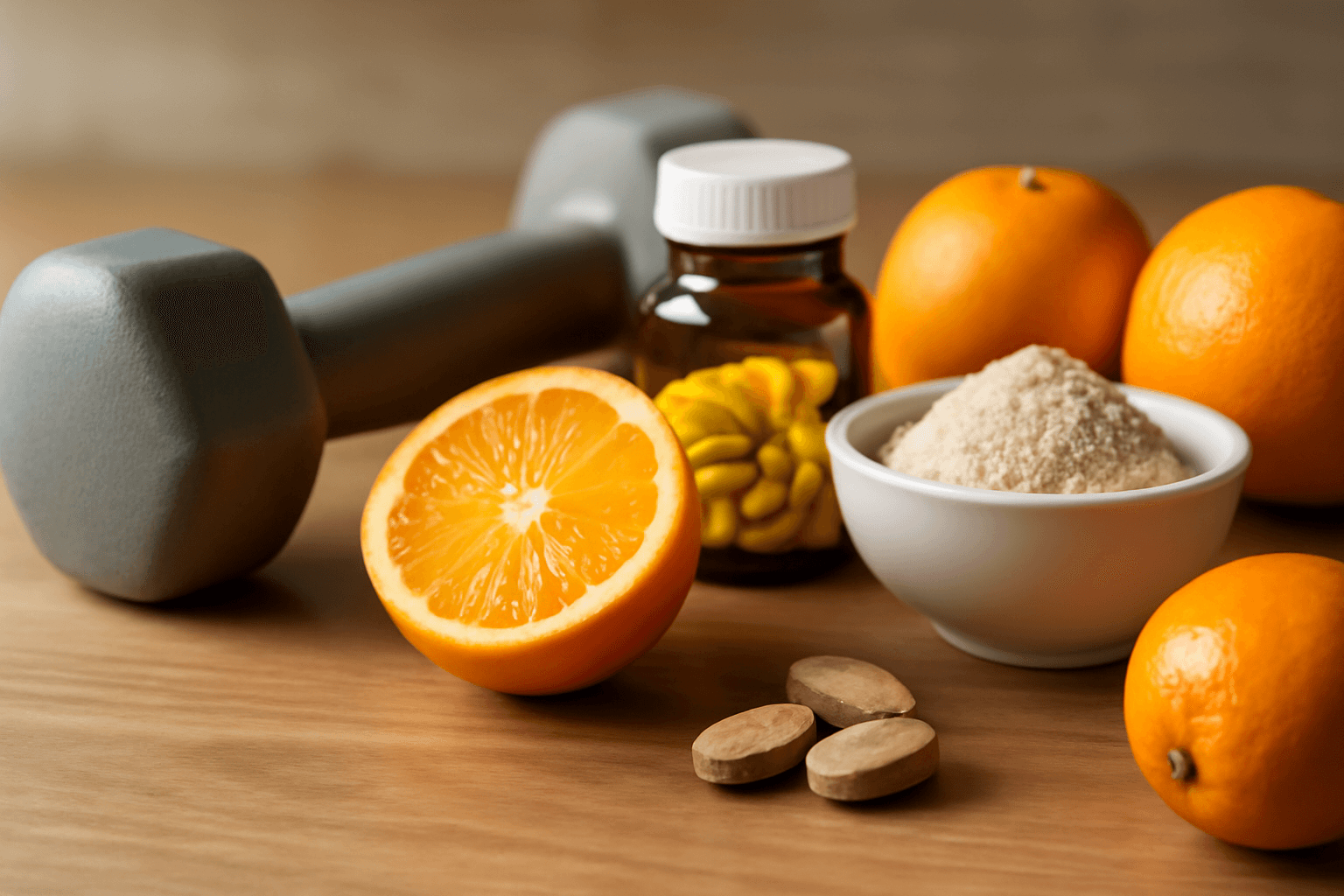
There are nutrients worth consuming together with collagen peptides to maximize their effectiveness. Vitamin C acts as an essential coenzyme in collagen synthesis, so consuming vitamin C-rich foods like orange juice, kiwi, and bell peppers alongside collagen increases effectiveness by 30-40%.
Probiotics improve the intestinal environment and increase collagen absorption rates. Consume them with fermented foods like yogurt, kimchi, and miso soup, or probiotic supplements. Iron also plays an important role in collagen biosynthesis, so consuming iron-rich foods like spinach, oysters, and lean beef together is beneficial.
Silica (silicon) helps form cross-linking between collagen and elastin. It is abundantly found in seaweed, oats, and brown rice. However, calcium supplements taken at the same time may compete for absorption, so take them with at least a 2-hour gap.
Precautions When Choosing
Collagen peptide products on the market vary in quality. Molecular weight confirmation is important—products with an average molecular weight in the 2,000-5,000 dalton (Da) range have the best absorption and bioavailability. Check if the product label specifies molecular weight.
Verify the source of raw materials. For bovine products, choose those produced in regions without mad cow disease risk (EU, New Zealand, Australia, etc.), and verify import certificates for imported products. Review additional ingredients—choose products with minimal added sugar, artificial flavors, and preservatives.
Products with third-party certification are more trustworthy. Verify certification marks such as NSF, USP, or approval from the Korean Ministry of Food and Drug Safety, which ensure the product has undergone contamination testing and purity verification. Also check the product's production history (batch number) and expiration date, and consume within 2 months of opening.
When to Avoid
In certain situations, collagen peptide consumption should be avoided. Kidney disease patients must obtain doctor approval, as excess protein can increase kidney filtration burden. Gout patients should also be cautious, as excessive animal protein intake may elevate uric acid levels.
Those with allergies to animal-derived products should avoid them, and certain religious beliefs (halal, kosher, etc.) may restrict consumption. If pregnant or breastfeeding, especially avoid large amounts and consult with a doctor before deciding. If currently taking certain medications (anticoagulants, antiplatelet drugs, etc.), consult with a pharmacist due to possible interactions.
Conclusion and Summary
Core Benefits of Collagen Peptides: Improved joint health, enhanced skin elasticity, improved digestive function, and improved sleep quality and immune function
Collagen peptides are an effective health supplement supported by scientific evidence. The most important benefit of improved joint health has been proven by multiple clinical studies, and it provides various health benefits including skin regeneration, improved digestion, and enhanced sleep quality.
Follow these principles to see results:
- Consume consistently for at least 8 weeks (minimum 2.5-20g daily, adjusted based on goals)
- Type I focuses on skin, Type II on joints → Choose the type that matches your goals
- Take with vitamin C, probiotics, iron, etc. to maximize absorption rates
- Choose products in the 2,000-5,000 Da molecular weight range with documented country of origin
- Medical consultation is essential in special situations such as kidney disease, gout, or pregnancy
Collagen peptides are an efficient way to supplement specific amino acids that are insufficient in diet alone. However, like all supplements, they are not a perfect solution and work best when combined with a balanced diet, regular exercise, and adequate sleep. Especially if you have chronic conditions or are currently taking medications, be sure to consult with a doctor or pharmacist before starting collagen peptides to determine the appropriate dosage and consumption method for your individual health status.