Ginger is a powerful ingredient that has been used in East Asian traditional medicine for thousands of years. It offers a variety of health benefits, including improved digestion, reduced inflammation, antioxidant properties, and hormone balance maintenance. In this article, we'll take a closer look at how ginger works in our bodies and how to incorporate it into your daily life.
1. Why We Experience Indigestion
Indigestion is a common symptom among modern people. When we eat food, stomach acid secretion, peristalsis of the stomach, and digestive enzyme secretion must all work together in a complex process. However, stress, irregular eating habits, overeating, and excessive consumption of fatty foods interfere with this digestive process.
Reduced stomach motility is a major cause of indigestion. When the stomach slows down in moving food to the small intestine, food remains in the stomach longer, causing bloating, discomfort, and sometimes acid reflux. Additionally, stomach acid imbalance is also an important factor. Insufficient stomach acid prevents proper protein digestion, while excessive stomach acid irritates the stomach lining.
If you experience the sensation of food still remaining in your stomach even 2-3 hours after eating, persistent abdominal bloating, or upper abdominal discomfort, it's time to improve your digestive function. In such cases, ginger can help stimulate and normalize stomach function.
2. What is Ginger?
Ginger (Zingiber officinale) is the underground stem (rhizome) of a perennial plant belonging to the ginger family, native to Southeast Asia. In Korea, ginger has long been used as both a spice and medicinal ingredient, and it is one of the most widely used health foods globally.
The main active compounds in ginger are gingerol, shogaol, and gingeron. In particular, 6-gingerol is abundant in fresh ginger and converts to 6-shogaol when heated. These compounds possess powerful anti-inflammatory and antioxidant properties.
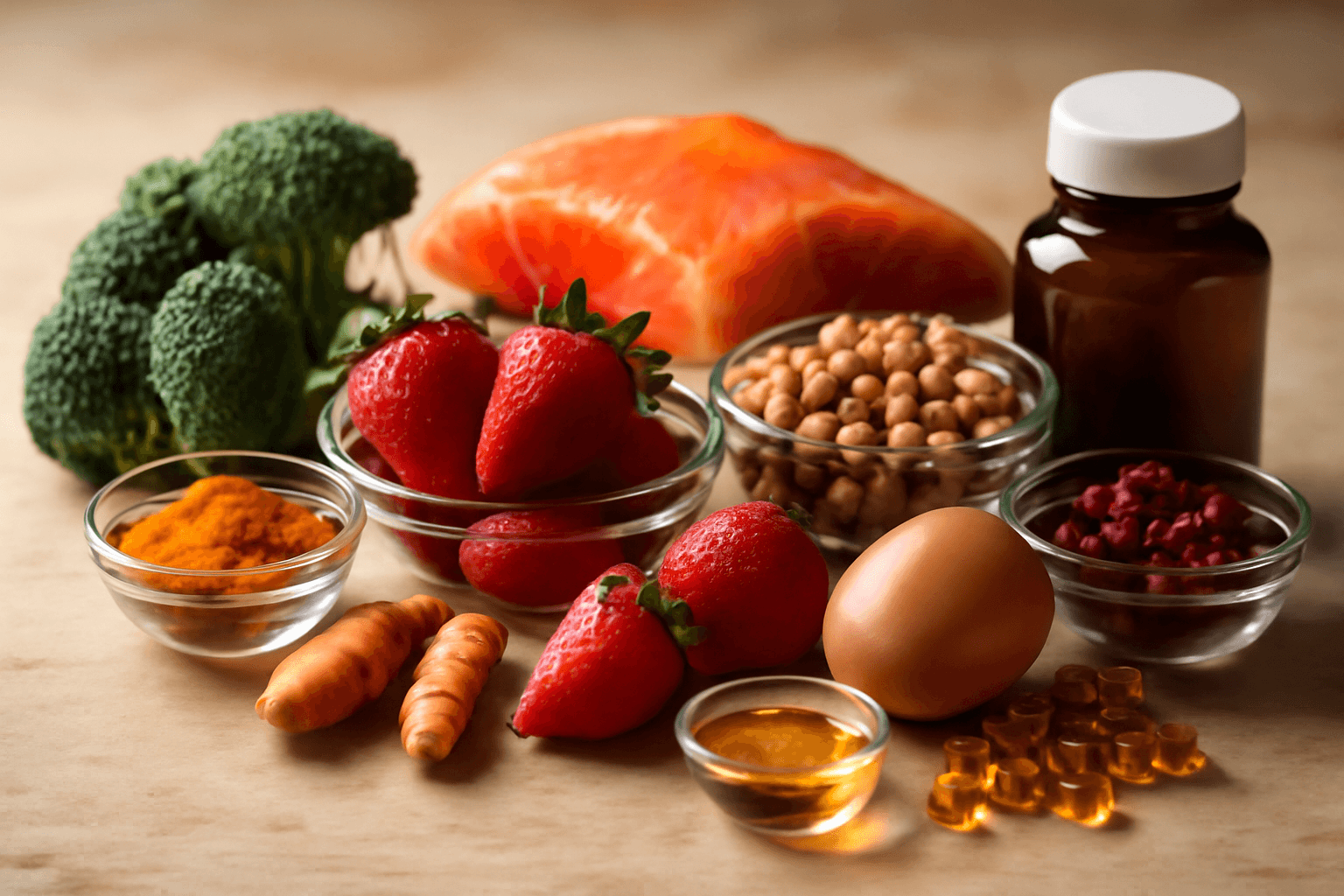
Ginger is relatively low in calories at approximately 80 kcal per 100g, but it is rich in trace nutrients such as vitamin B6, magnesium, manganese, and potassium. While it is not an omega-3 fatty acid source, its anti-inflammatory properties positively impact joint health and hormone balance. Turmeric (curcumin), which is frequently mentioned alongside ginger, also contains anti-inflammatory compounds, so consuming both ingredients together can produce synergistic effects.
3. Why Ginger is Good for the Stomach - 4 Benefits of Ginger
Benefit 1: Promoting Stomach Motility and Improving Digestion
The most direct benefit of ginger is promoting peristalsis of the stomach. Gingerol and shogaol stimulate the stomach muscles to move food more quickly to the small intestine. In a study published in 2013, subjects who consumed ginger extract experienced approximately 25% reduction in gastric emptying time, with significantly decreased indigestion symptoms.
Drinking ginger tea is particularly effective after consuming fatty foods. Ginger's warm nature improves blood circulation to the stomach and stimulates digestive enzyme secretion. Generally, consuming a ginger beverage within 30 minutes after a meal can reduce digestive discomfort.
Benefit 2: Anti-inflammatory and Antioxidant Effects
Gingerol and shogaol found in ginger suppress the secretion of cytokines that trigger inflammation. According to a 2019 meta-analysis, ginger consumption reduced CRP (C-reactive protein), an inflammation marker, by an average of 18%. This helps not only with simple gastritis but also with reducing systemic inflammation such as arthritis and muscle pain.
Antioxidant action refers to ginger's ability to eliminate free radicals. Ginger's antioxidant capacity is comparable to turmeric (curcumin), preventing cell damage and delaying premature aging. These antioxidant effects play an important role in maintaining the health of the stomach lining.
Benefit 3: Hormone Balance and Menstrual Health
Ginger is known to help balance female hormones. In a study of women experiencing premenstrual syndrome (PMS), the group that consumed ginger extract (250mg) four times daily for three months, starting three days before menstruation, experienced a 61% reduction in PMS symptoms.
Ginger is particularly effective in relieving abdominal cramping and pain during menstruation. Ginger's anti-inflammatory components suppress prostaglandin production, reducing pain from uterine contractions. Additionally, ginger improves blood circulation, helping to normalize menstrual flow. Consuming ginger alongside omega-3 fatty acids (fatty fish, nuts) further enhances the hormone-regulating effects.
Benefit 4: Joint Health and Exercise Recovery
Ginger's anti-inflammatory compounds are effective in managing arthritis. In a clinical trial involving 247 osteoarthritis patients, the group taking daily ginger extract (255mg) experienced more than 40% reduction in knee pain compared to the placebo group. This is comparable to the effects of prescription medications.
Ginger benefits joint health by suppressing the production of inflammatory proteins (IL-6, TNF-α). Inflammation from muscle damage after exercise can also be alleviated with ginger. In a 2010 study, the group that consumed ginger after intense exercise experienced 25% less muscle soreness. Using it with turmeric further strengthens joint protection effects.
4. How to Use Ginger
How to Make Ginger Tea
Ingredients: 10-20g fresh ginger, 300ml water, honey or lemon (optional)
- Wash fresh ginger thoroughly and slice thinly without peeling the skin (antioxidant compounds are abundant in the skin)
- Add ginger to boiling water and steep for 5-10 minutes (steep for 15 minutes for a stronger flavor)
- Add a spoonful of honey while warm (add honey at 60°C or below to prevent nutrient loss)
- Consume 1-3 times daily, within 30 minutes after meals or at least 2 hours before bedtime
Healthy Dosage
The general safe daily intake of ginger is 1-2g (10-20g of fresh ginger). This equals approximately one tablespoon. Most clinical studies used similar dosages, and side effects have been rarely reported within this range.
Since ginger has a warming nature, it is more effective to consume it in the late afternoon or evening. Consumption in the morning is also fine, but during menstruation, ginger intake can be appropriately increased. However, if you experience excessive menstrual bleeding, consult with a healthcare professional before consuming it.
Precautions When Consuming Ginger
- While taking blood anticoagulants: Ginger has blood-thinning effects and may interact with anticoagulants such as Warfarin. Consult your doctor.
- Gallstone disease: Since ginger promotes gallbladder contractions, avoid excessive consumption if you have gallstones.
- Peptic ulcers: If you have stomach ulcers, consuming on an empty stomach may cause irritation, so take after meals.
- During pregnancy: While ginger is generally safe, avoid excessive consumption after the first trimester, and consult with a healthcare professional.
- While taking blood sugar-lowering medications: Since ginger may lower blood sugar, consulting with a doctor is essential if you are undergoing diabetes treatment.
Combinations with Other Healthy Ingredients
Consuming ginger together with turmeric (curcumin) enhances anti-inflammatory effects. "Golden milk," made by mixing one teaspoon of ginger and one-quarter teaspoon of turmeric in warm milk, is a traditional Indian beverage effective for joint health and sleep improvement.
Consuming with foods rich in omega-3 fatty acids (salmon, mackerel, flaxseed, walnuts) further strengthens hormone-balancing and anti-inflammatory effects. Adding walnuts or flaxseed to ginger tea increases nutritional value.
Summary
Summary of Ginger's 4 Main Benefits:
- Promoting stomach motility: Gingerol and shogaol reduce gastric emptying time by 25%, improving digestion
- Anti-inflammatory and antioxidant: Reduces systemic inflammation and prevents cell damage for better health
- Hormone balance and menstrual health: 61% reduction in PMS symptoms, alleviates menstrual pain
- Joint health: More than 40% reduction in arthritis pain, promotes exercise recovery
Ginger is a natural health food with sufficient scientific evidence and safety. Optimal effects can be achieved by steeping 10-20g of fresh ginger daily as tea or consuming it together with turmeric and omega-3s. However, if you have specific conditions or are taking medications, be sure to consult with a healthcare professional before consumption. Through regular ginger consumption, you can improve digestive health, hormone balance, and joint health simultaneously.