When the new year begins, many people make a resolution to "live healthier this year," but without concrete action steps, it's easy to abandon these goals within days. This article introduces four key habits necessary to truly regain physical and mental health. We'll take a detailed look at how improving sleep quality, proper recovery after exercise, effective stress management, and improving drinking habits can normalize hormone balance and electrolyte levels, while protecting joint and muscle health.
1. Habit Formation: From 21 Days to 66 Days
The time it takes to form a new habit varies from person to person. While many people believe "21 days is enough," a 2009 study by researchers at University of London found that an average of 66 days is needed. Participants required between 21 to 254 days, revealing that simple behaviors form quickly, while complex habits take much longer.
If you're just starting the new year, it's realistic to view the first three weeks as the initial stage of habit formation. During this period, it's important to accumulate small wins.
- Start with small goals: Begin with 10 minutes of stretching daily and gradually increase to 30 minutes
- Repeat at the same time: Performing the same action at the same time each day accelerates automaticity
- Set triggers: Link new habits to existing ones, such as doing yoga after brushing your teeth in the morning
- Track progress: Mark a calendar or use an app to track and gain visual satisfaction from your accomplishments
The same principles apply to the four healthy habits for the new year. While motivation peaks in the first month, recognizing the "Fresh Start Effect"—where motivation sharply declines from the third week onward—is crucial to successfully completing habit formation.
2. Improving Sleep Quality: The Key to Hormones and Recovery
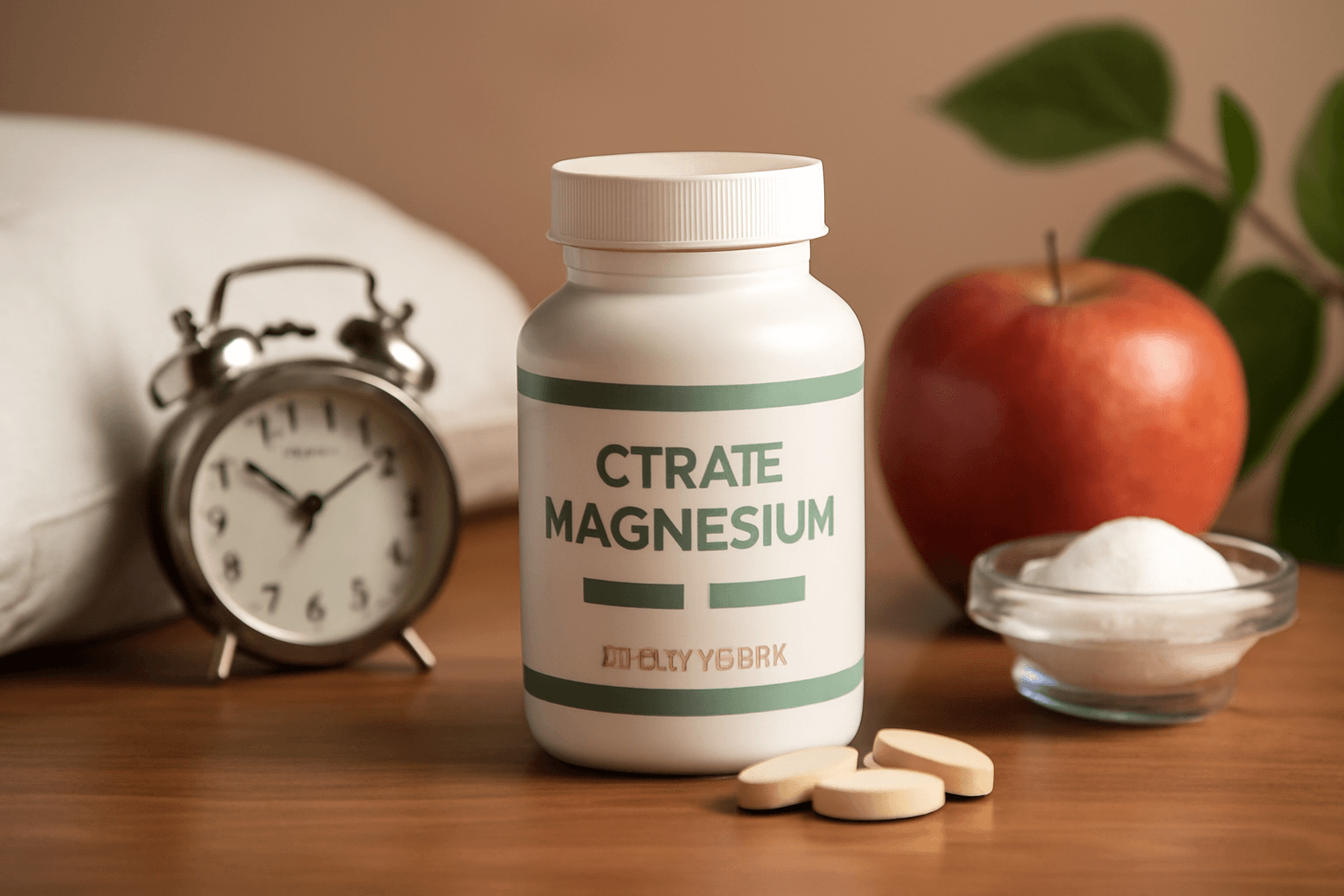
Sleep is not merely about relieving fatigue; it's a physiological process where hormone secretion, muscle recovery, and immune enhancement occur. While adults need an average of 7–9 hours of sleep, sleep quality is even more important. If you don't reach deep sleep stages, you'll feel fatigued no matter how long you sleep.
During sleep, human growth hormone is primarily secreted during the first deep sleep stage. This hormone is essential for muscle recovery, maintaining bone density, and promoting metabolism. For people who exercise, sleep quality can influence training results by 50% or more.
- Consistent sleep schedule: Fall asleep and wake up at the same time daily, including weekends (within ±1 hour)
- Screen blackout one hour before sleep: Blue light suppresses melatonin secretion, so stop using phones, tablets, and computers
- Maintain room temperature between 16–19°C: Lower temperatures promote deep sleep
- Set a caffeine cutoff time: Avoid caffeine after 2 p.m. (caffeine has a half-life of 5–6 hours)
- Avoid evening exercise: Avoid intense exercise within 3 hours of bedtime
Using sleep tracking apps or smartwatches to monitor the ratio of REM sleep to deep sleep helps you objectively understand your sleep patterns. If you wake up frequently during the night, you may have sleep apnea and should consult a healthcare professional.
3. Post-Exercise Recovery: The Role of BCAAs and Electrolytes
Exercise creates microscopic damage to muscle fibers. As this damage heals, muscles become stronger through a process called "supercompensation." However, insufficient recovery leads to accumulated muscle damage, which can result in injury.
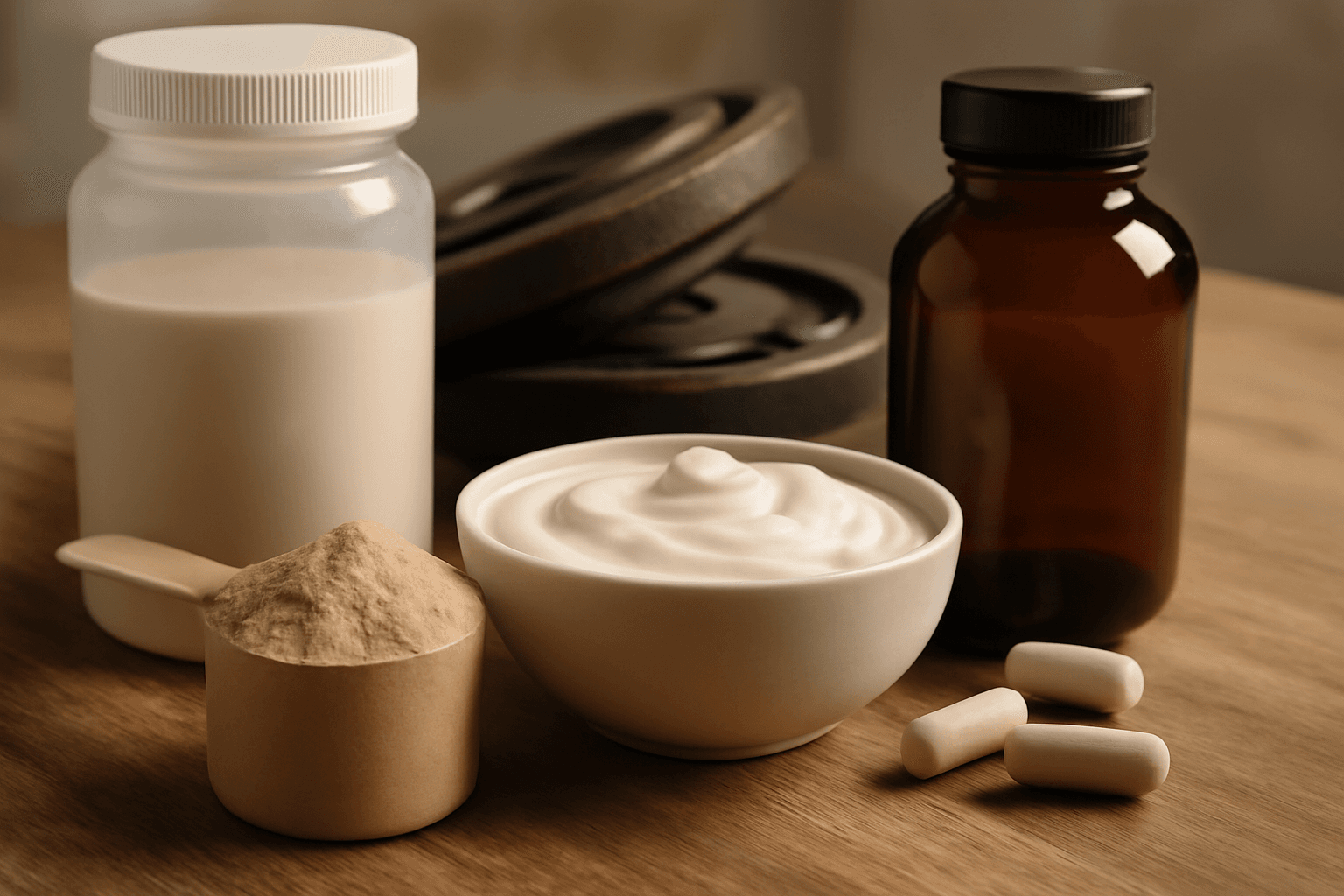
The first key to post-exercise recovery is BCAA (Branched Chain Amino Acids), which consists of leucine, isoleucine, and valine. BCAAs directly trigger muscle protein synthesis. Research shows that consuming BCAAs immediately after strength training can reduce muscle protein breakdown by 40–45%.
- Consume protein within 30 minutes after exercise: Intake 20–40g of protein from chicken breast, eggs, Greek yogurt, soy milk, etc.
- Combine carbohydrates and protein: Consuming at a 3:1 or 4:1 carbohydrate-to-protein ratio accelerates recovery by 25%
- Replenish electrolytes: Replace sodium, potassium, and magnesium lost through sweat (especially after over one hour of exercise or in hot environments)
- Manage joint health: Maintain joint health with foods or supplements containing glucosamine and chondroitin
The post-exercise recovery period is at least 24–48 hours. Training the same muscle group daily prevents recovery, so alternating upper and lower body workouts or scheduling by muscle groups is recommended. If you experience persistent joint pain, reassess whether you're overtraining, and consult a physical therapist or orthopedic surgeon if necessary.
4. Stress Relief: The Science of Yoga and Stretching
Chronic stress elevates cortisol hormone levels. When cortisol remains consistently high, immune function declines, sleep quality worsens, visceral fat accumulates, and muscle loss accelerates. Stress-induced cortisol elevation can even offset muscle gains achieved through exercise.
Yoga and stretching are scientifically validated methods for reducing stress. A group that practiced yoga three times weekly for 12 weeks showed 30% lower cortisol levels compared to the control group, and improved heart rate variability stabilized their autonomic nervous system.
- Hatha yoga: Focuses on body postures and breathing, is easy for beginners to follow, and has high stress-reduction effects
- Progressive Muscle Relaxation (PMR): Deliberately tensing and releasing muscles to relieve tension throughout the body
- 4-7-8 breathing technique: Inhale for 4 seconds, hold for 7 seconds, and exhale for 8 seconds to calm the sympathetic nervous system
- Meditation and mindfulness: 10–15 minutes of daily meditation reduces cortisol levels and improves concentration
Stretching also increases body flexibility and improves joint range of motion. Performing 5–10 minutes of static stretching after exercise accelerates muscle damage recovery by 15% and reduces the intensity of delayed-onset muscle soreness (DOMS) the next day. This occurs because increased blood flow promotes the recovery process.
If anxiety, sleep disturbances, or depressed mood persist for more than two weeks, consultation with a psychiatrist is recommended.
5. Avoiding Excessive Drinking: Obstacles to Hormone Balance and Recovery
Alcohol harms the body in multiple ways. For people who exercise seriously, drinking significantly reduces training results. Alcohol consumption after exercise suppresses muscle protein synthesis by up to 37% and decreases growth hormone secretion by 70%.
Alcohol also interferes with testosterone production. Testosterone is an important hormone not only for men but also for women, essential for muscle recovery, bone health, metabolism, and mood regulation. Research shows that people who drink four or more times weekly have 6–7% lower testosterone levels.
Alcohol also severely impairs sleep quality. Sleep after drinking reduces deep sleep stages and interrupts REM sleep, causing severe fatigue upon waking. Additionally, alcohol's diuretic effects cause dehydration and electrolyte imbalance.
- Limit weekly alcohol consumption: According to WHO guidelines, no more than 100g of pure alcohol per week (approximately 3–4 standard drinks)
- Avoid alcohol for 24 hours after exercise: Especially abstain for at least 24 hours after strength training
- Drink water while consuming alcohol: Drink an additional 500ml of water per drink to prevent dehydration
- Choose lower-alcohol beverages: Select lower-proof drinks or non-alcoholic alternatives
Alcohol takes longer to metabolize than most people think. Your body's recovery capacity remains impaired until the day after drinking, so consider drinking dates when planning your workout schedule.
Summary: A Four-Habit Checklist for a Healthy New Year
A healthy new year isn't built overnight. It requires 66 days of consistent practice, and during this process, small wins accumulate to create significant change.
- Habit formation: Start with small goals and aim for 66 days of consistency. Recognize the high motivation of the first three weeks and prepare for its decline after week four
- Sleep quality: Achieve deep sleep with active hormone secretion through consistent sleep schedules, screen blackout, room temperature control, and caffeine restriction. Aim to reach deep sleep stages at least once per night
- Post-exercise recovery: Promote muscle protein synthesis through protein intake within 30 minutes, 3:1 carbohydrate-to-protein ratio combinations, and electrolyte replenishment. Manage joint health to maintain sustainable exercise
- Stress relief: Lower cortisol levels through yoga or stretching three or more times weekly. Stabilize your autonomic nervous system through meditation and breathing techniques
- Drinking habits: Protect hormone balance and recovery capacity by limiting weekly alcohol consumption, abstaining for 24 hours after exercise, and drinking water while consuming alcohol
These five elements are interconnected. For example, good sleep lowers stress hormones, reduced stress accelerates post-exercise recovery, and better recovery improves next workout performance. Conversely, drinking interferes with all of these processes.
Rather than starting all five simultaneously in the first week of the new year, it's more realistic to prioritize and begin with one or two. Since sleep is foundational and affects everything else, starting with sleep improvement and then adding post-exercise recovery, stress management, and drinking habit improvement in sequence is recommended.
Healthcare Professional Consultation: The information in this article is general health information, and recommendations may vary based on individual health conditions, medications, and underlying diseases. Especially if you have sleep disorders, mental health issues, joint pain, or existing conditions, consult with a doctor, nutritionist, or exercise specialist before establishing a plan.