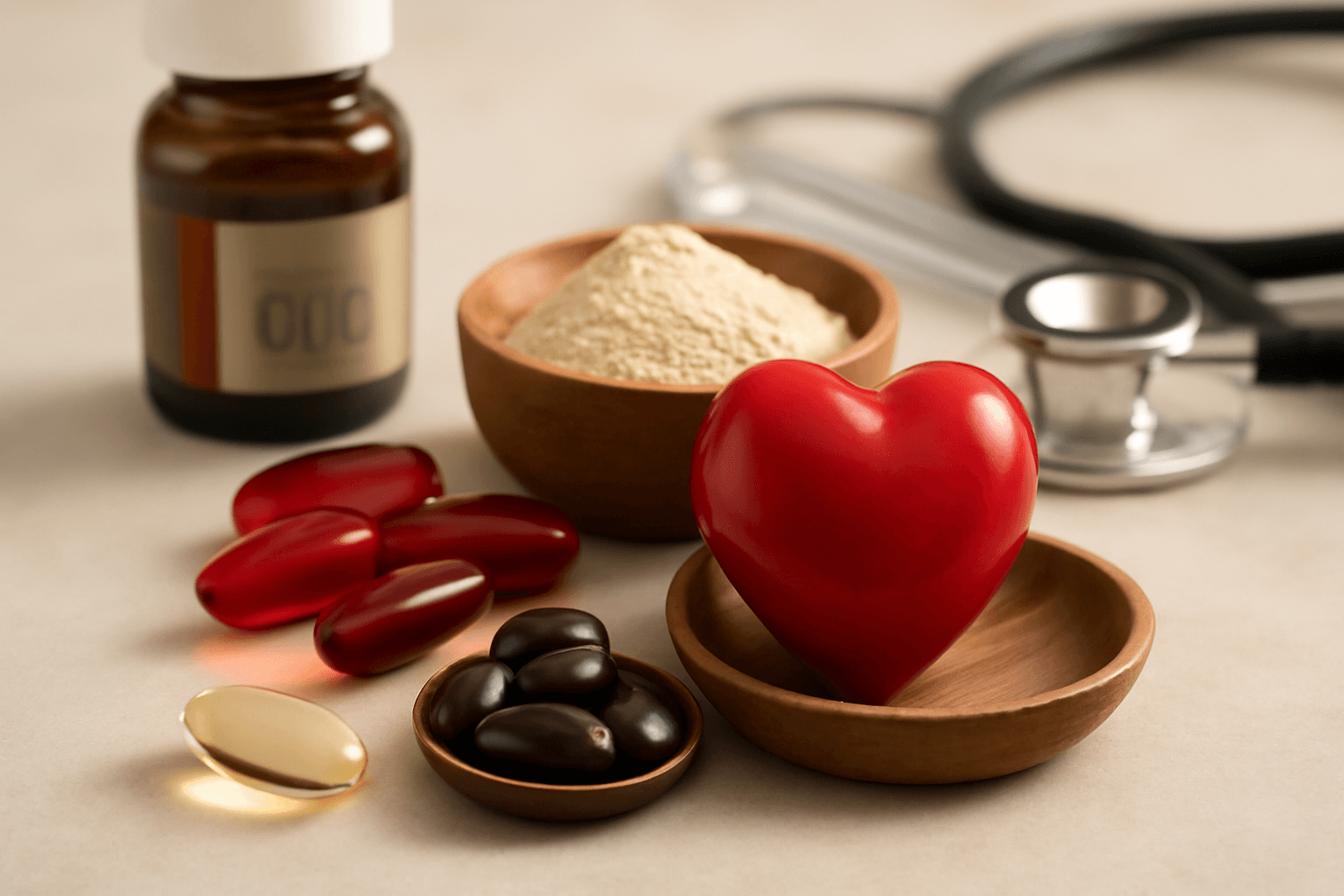
The heart is the most vital organ in our body for circulating blood. Heart disease ranks as the leading cause of death worldwide, and it shows an increasing trend each year in Korea. Fortunately, the lifestyle habits necessary to maintain heart health are something we can manage ourselves. Through regular exercise, proper nutrition, stress management, and scientifically proven nutrient supplementation, we can significantly improve heart health. In this article, I'll introduce four core habits recommended by medical professionals.
The Importance of Heart Health
The heart is a remarkable organ that beats approximately 60-100 times per minute and beats over 2.5 billion times throughout a lifetime. In this process, it supplies oxygen and nutrient-rich blood throughout the body and removes unnecessary metabolic waste. When heart health deteriorates, it can lead to fatal conditions such as myocardial infarction, arrhythmia, and heart failure.
According to statistics from Korea's Disease Control and Prevention Agency, deaths from heart disease are increasing annually, with a particularly sharp rise among middle-aged people aged 40 and above. Interestingly, over 90% of these diseases can be prevented through lifestyle improvements.
Major risk factors threatening heart health include high cholesterol, hypertension, diabetes, obesity, smoking, lack of exercise, and chronic stress. Many of these factors are determined by our daily choices and habits. Therefore, small changes we can make today will significantly affect our heart health ten or twenty years from now.
1. Strengthening Heart Muscle Through Regular Exercise
Exercise is the most fundamental habit for heart health. The American Heart Association recommends at least 150 minutes of moderate-intensity aerobic exercise per week. This means brisk walking, jogging, swimming, or cycling for about 30 minutes a day, five days a week.
The effects of regular exercise are remarkable. With consistent exercise, the heart's stroke volume increases, allowing it to pump more blood at the same heart rate. This lowers your resting heart rate and significantly improves heart efficiency. Additionally, exercise improves the function of blood vessel endothelial cells, facilitating smooth blood circulation.
Resistance training is also important. Combining at least two days per week of light resistance exercises (squats, push-ups, dumbbell exercises, etc.) increases muscle mass, raising your basal metabolic rate and improving blood sugar control. This directly reduces the burden on your heart.
- Moderate-intensity aerobic exercise: 5 days a week, 30 minutes per session (maintaining heart rate at 50-70% of maximum heart rate)
- High-intensity exercise: 2-3 days a week, 15-20 minutes per session (interval training)
- Resistance training: 2 days a week, targeting all major muscle groups
- Flexibility exercise: 2-3 days a week, stretching or yoga
What matters most is consistency. After three months of steady exercise, you'll see significant improvements in heart health indicators (reduced LDL cholesterol, increased HDL cholesterol, and lowered blood pressure).
2. Proper Nutrition for Heart Health
The key to a heart-healthy diet is adequate protein intake and abundant antioxidant nutrients. High-quality protein is essential for maintaining and repairing the heart muscle tissue. Whey protein, in particular, is effective for post-exercise cardiac muscle recovery due to its rapid absorption characteristics.
A recommended diet for heart health has the following characteristics:
- Low saturated fat and low sodium: Reducing saturated fat and sodium intake improves blood pressure and cholesterol levels
- High-protein foods: Eggs, fish, chicken breast, tofu, and legumes (daily protein recommendation: 0.8-1.2g per kilogram of body weight)
- Unsaturated fatty acids: Olive oil, nuts, and omega-3 fatty acids from dark fish (salmon, mackerel, sardines)
- Dietary fiber: Whole grains like brown rice, oats, and barley, plus fresh vegetables and fruits
- Antioxidant foods: Berries (blueberries, strawberries), tomatoes, broccoli, and spinach
A particularly noteworthy nutrient is arginine. Arginine is a type of amino acid that converts into nitric oxide in the body, relaxing blood vessels and improving blood flow. This has a direct impact on lowering blood pressure and preventing atherosclerosis. Arginine is abundantly found in seafood, nuts, seeds, and chicken.
The Mediterranean diet has been proven through numerous large-scale clinical studies to be highly effective in improving heart health. This diet, centered on olive oil, fish, whole grains, and fresh vegetables, reduces the risk of cardiovascular disease by over 30%.
3. Stress Reduction and Mental-Physical Stability
Chronic stress is a hidden enemy of heart health. When stressed, your body oversecrets cortisol and adrenaline hormones. These hormones elevate heart rate and blood pressure, and when continuously secreted, they damage blood vessel endothelium and trigger inflammation.
Stress's impact on the heart is immediate. Excessive psychological shock causes a surge in catecholamine neurotransmitters, temporarily raising heart rate and blood pressure significantly. If this repeats, the heart muscle becomes fatigued and its contractile force decreases, potentially leading to "stress-induced cardiomyopathy."
Effective stress management methods:
- Meditation and mindfulness: 10-20 minutes of daily meditation suppresses sympathetic nervous system hyperactivity and activates the parasympathetic nervous system
- Yoga: Yoga combining slow breathing and stretching lowers heart rate and improves blood pressure
- Breathing exercises: The 4-7-8 breathing technique (inhale for 4 seconds, hold for 7 seconds, exhale for 8 seconds) has an immediate calming effect
- Adequate sleep: 7-9 hours of quality sleep normalizes stress hormones
- Social connection: Time with family and friends enhances psychological stability and improves heart health
- Hobbies: Enjoyable activities like music, art, and gardening promote dopamine release
Research shows that people who effectively manage stress have a 40% lower incidence of cardiovascular disease. Since mortality from chronic stress is as high as the risk from physical inactivity, stress management is not simply a matter of psychological health but a matter of life extension.
4. Supporting Heart Health Through Nutrient Supplementation
Certain nutrients may be lacking even with a balanced diet. Considering modern lifestyles and eating habits, supplementing scientifically proven specific nutrients is effective in improving heart health.
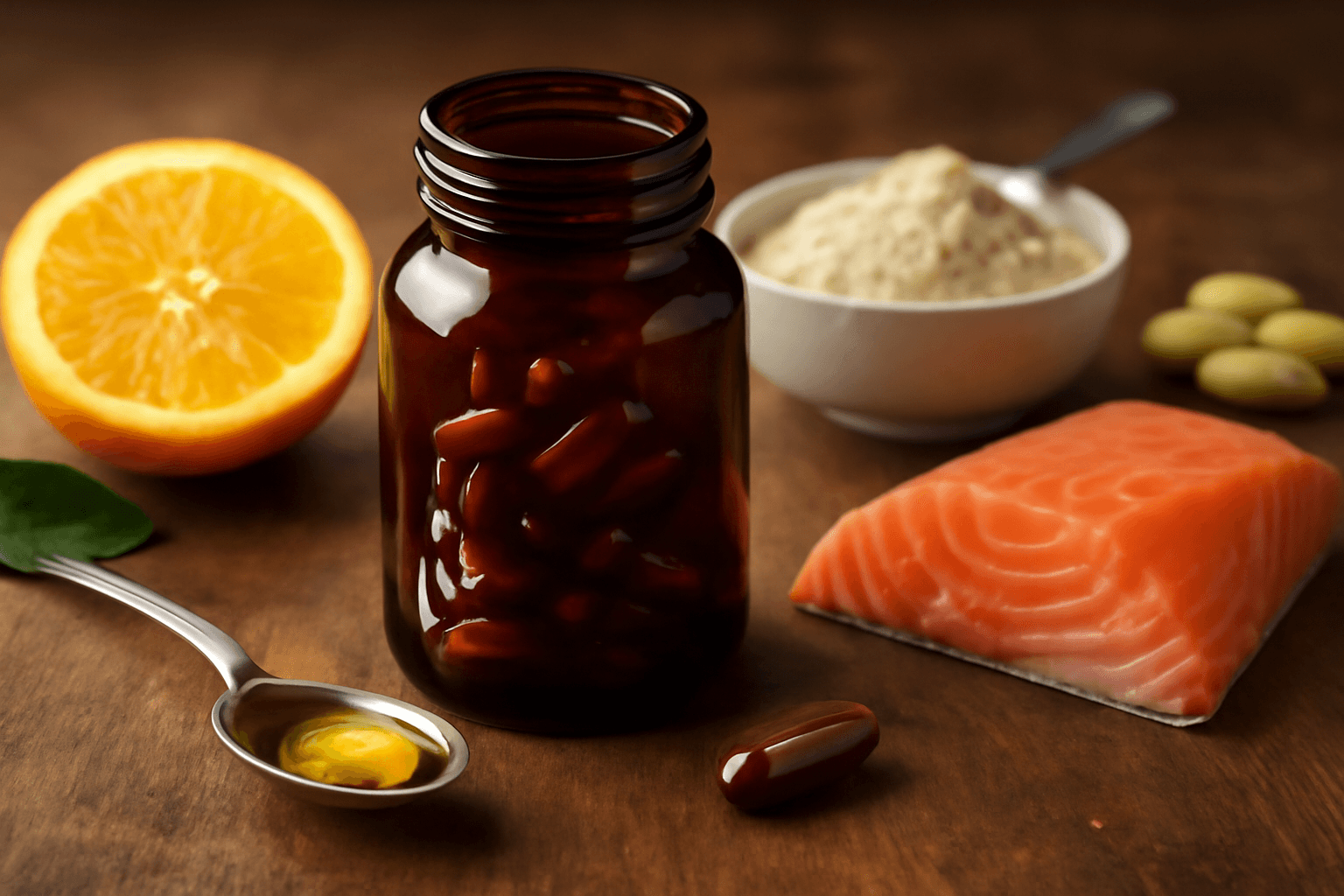
Vitamin E: Vitamin E is a fat-soluble antioxidant vitamin that protects the lipid components of cell membranes from oxidation. In particular, it reduces oxidative stress on blood vessel endothelium, slowing atherosclerosis progression. The recommended daily intake for adults is 15mg for both men and women. While abundant in almonds, sunflower oil, and spinach, supplementation is also effective.
Iron: Iron is a key component of hemoglobin, determining blood's oxygen-carrying capacity. Iron deficiency causes anemia, placing a burden on the heart to beat faster. Especially for postmenopausal women, increased iron loss requires attention. The daily recommended amount is 8mg for adult men and 18mg for premenopausal women.
Whey Protein: Whey protein is a high-quality protein extracted from milk, containing all essential amino acids. It's particularly high in leucine, efficiently promoting muscle protein synthesis. Consuming 20-30g of whey protein within 30 minutes after exercise aids in cardiac muscle recovery and strengthening. Whey protein is also known to improve heart health-related indicators such as lowered blood pressure, improved cholesterol, and better blood sugar control.
Arginine: As mentioned earlier, arginine is a conditionally essential amino acid whose requirement increases under stress conditions. Arginine converts to nitric oxide in the body, playing a central role in blood vessel dilation. It's particularly useful for athletes and those at high risk for heart disease.
Antioxidant nutrients: Antioxidants such as Coenzyme Q10 (CoQ10), alpha-lipoic acid, lycopene, and polyphenols reduce cellular oxidative stress. CoQ10 is particularly involved in cardiac energy metabolism, and its levels tend to be depleted when taking statins for high cholesterol treatment, making supplementation necessary.
Professional consultation is essential: Nutritional supplements, unlike medications intended to treat diseases, are supplements designed for health maintenance and promotion. Especially if you're taking anticoagulants, blood pressure medications, diabetes medications, or other drugs, you must consult with a doctor or pharmacist before choosing appropriate nutrients and determining dosage. Some nutrients can interact with certain medications.
Summary: Implementation Plan for Four Core Heart Health Habits
The four core habits for maintaining heart health can be summarized as follows:
- Regular exercise: Strengthen heart muscle and improve vascular function with 30 minutes of moderate-intensity aerobic exercise five days a week plus resistance training two days a week
- Proper diet: Practice a Mediterranean-style diet or DASH diet rich in high protein, low saturated fat, and abundant antioxidant nutrients
- Stress management: Manage chronic stress and activate the parasympathetic nervous system through meditation, yoga, and adequate sleep
- Scientific nutrient supplementation: Supplement vitamins E, arginine, antioxidants, and other nutrients lacking from your diet as needed, but always consult with a professional
These four habits don't work independently but rather complement each other. For example, oxidative stress caused by exercise is protected by antioxidant nutrients, and muscle damage after exercise is recovered through a high-protein diet and whey protein. Additionally, regular exercise and adequate sleep simultaneously reduce stress.
The most important factor is consistency. Maintaining 80% effort consistently is far more effective for heart health than perfectly implementing all habits. Start small today. A 10-minute walk, a fish-based meal, 5 minutes of meditation, or a glass of whey protein shake—these small changes will significantly transform your heart health a year, five years, or ten years from now.
Consult with medical professionals: Especially if you have existing heart disease, hypertension, diabetes, hyperlipidemia, or other conditions, or before starting a new exercise program, be sure to consult with your physician for personalized advice tailored to your health status.