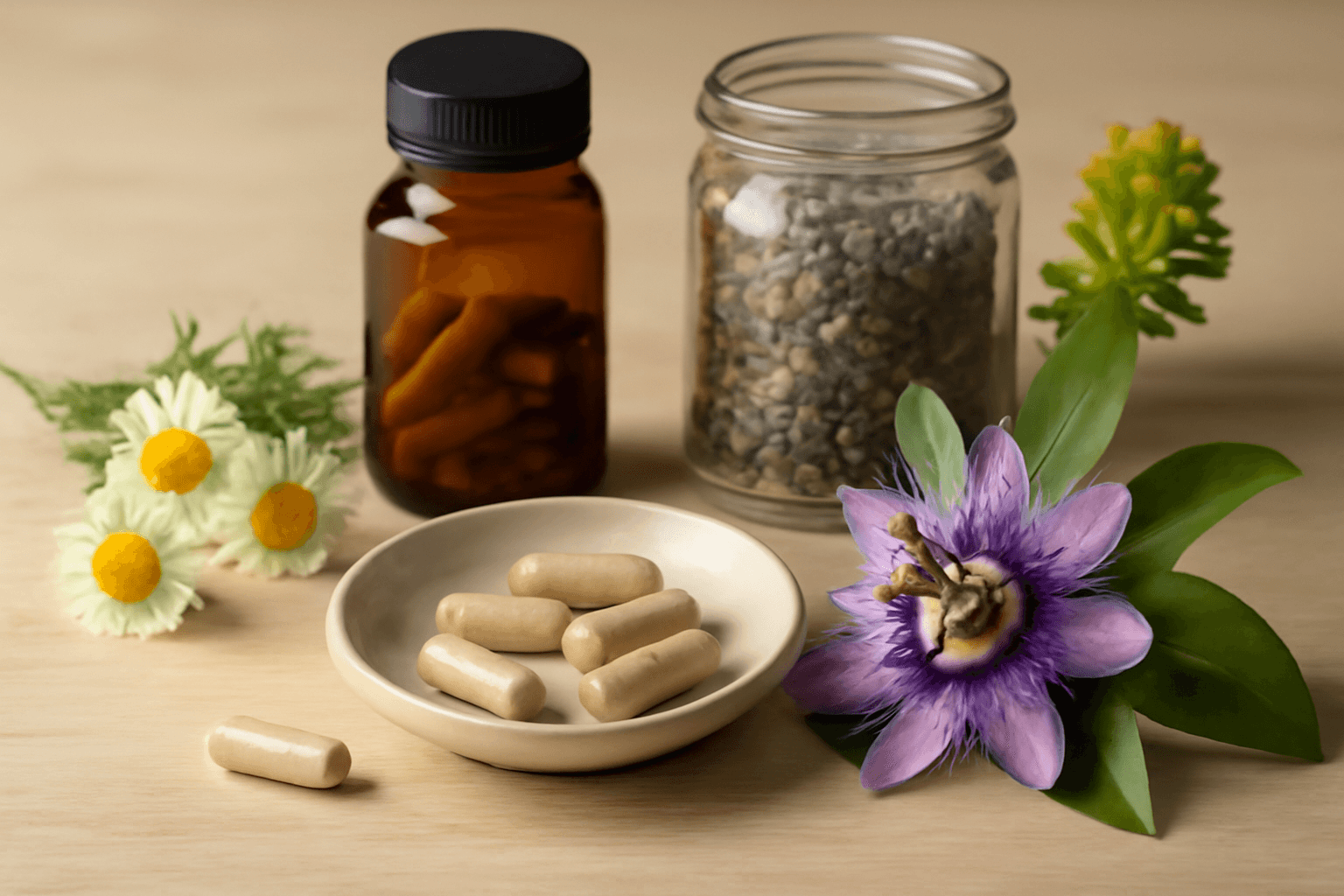
Anxiety is a psychological state that modern people frequently experience, and it's more than just a mental issue. Nutritional deficiencies in the body, lack of sleep, and chronic stress work together to worsen anxiety. This article introduces anxiety management through mindfulness, the relationship between nutrition and anxiety, and the effects of four scientifically-verified herbs. Chamomile, lavender, passionflower, and rhodiola each alleviate anxiety through different mechanisms, and they achieve optimal effects when combined with proper dosing methods and improved lifestyle habits.
Mindfulness
Mindfulness is a meditation technique that focuses on the present moment without judgment, and it has scientific evidence for relieving anxiety. According to research from Massachusetts Medical School, people who practiced mindfulness meditation for 8 weeks showed a 21% reduction in amygdala activity in the brain—the area that processes anxiety and fear.
The key is to observe the moment anxiety arises without trying to eliminate the emotion. The more you try to suppress anxiety, the stronger the "psychological rebound" becomes. Instead, objectively recognize that "I am feeling anxious right now" and practice the "4-7-8 breathing technique"—breathing in slowly for 5 seconds, holding for 7 seconds, and exhaling for 8 seconds—to stabilize your nervous system.
It's practical to start with 10 minutes of mindfulness meditation daily. You can sit with your eyes closed and focus solely on your breathing, or practice mindfulness while doing daily activities slowly (eating, walking) while paying attention to all your senses. During the first two weeks, anxiety may actually increase, but this is a signal that you're beginning to recognize your anxiety patterns, so it's important to continue.
Anxiety and Nutritional Deficiencies
About 40% of anxiety causes are directly related to nutritional deficiencies in the body. In particular, magnesium, zinc, and iron deficiencies interfere with neurotransmitter synthesis, worsening anxiety.
Magnesium activates GABA (gamma-aminobutyric acid) receptors, which suppress nervous system excitation. The recommended daily intake for adults is 400mg for men and 310mg for women, but Koreans' average intake is only about 70% of the recommended amount. Magnesium deficiency reduces sleep quality and causes persistent muscle tension, creating a vicious cycle that worsens anxiety.
Zinc is essential for regulating neurotransmitters in the brain and suppresses excessive secretion of cortisol, a stress hormone. Zinc deficiency also leads to reduced immunity, increasing physical stress. Men need 11mg daily and women need 8mg.
Iron is responsible for transporting oxygen to the brain, and deficiency can cause secondary anxiety from fatigue and lethargy. Especially for menstruating women, iron supplementation after menstruation is important.
Protein is a precursor to neurotransmitters, so for anxiety management, it's recommended to consume 1.2g of protein per kilogram of body weight daily. Animal protein (eggs, fish) is particularly effective because it has a complete essential amino acid profile.
Four Herbs Good for Anxiety
1. Chamomile
Chamomile has the most extensive research data among anxiety-relieving herbs. According to an 8-week clinical trial at Philadelphia Medical College, patients with generalized anxiety disorder who took chamomile extract (500mg/day) showed a 47% reduction in anxiety scores compared to the placebo group.
The key active ingredient in chamomile is apigenin, which binds to benzodiazepine receptors in the brain to provide calming effects. It's also effective for improving sleep quality—brew about 1 teaspoon (approximately 3g) of dried flowers in warm water 30 minutes before bed. Side effects are very rare, but consultation with a medical professional is necessary if you have allergies to plants in the Asteraceae family or are taking blood-thinning medications. During pregnancy, it's best to avoid chamomile due to insufficient safety data.
2. Lavender
The aromatic compounds in lavender, linalool and linalyl acetate, directly affect the nervous system through the olfactory sense. In a large-scale German meta-analysis of 8 clinical trials involving a total of 1,093 participants, lavender essential oil capsules (80mg/day) showed anxiety reduction effects similar to the anti-anxiety drug lorazepam.
There are various ways to use lavender. You can dilute 3-4 drops of essential oil in 200ml of water and inhale the steam, or place dried lavender flowers inside a pillow to absorb the fragrance during sleep. Lavender tea can be consumed 2-3 times daily.
Lavender essential oil should not be applied directly to the skin—it must be diluted in a carrier oil (coconut oil or almond oil) at a 1:10 ratio. Medical guidance is necessary if you're in early pregnancy, have a tendency toward low blood pressure, or are taking certain psychiatric medications.
3. Passionflower
Passionflower is a medicinal plant used in traditional Native American medicine, and its efficacy has been confirmed in modern clinical research. According to German pharmacy health insurance data, passionflower extract is one of the herbs recognized by health insurance for anxiety disorder treatment.
Passionflower works through a dual mechanism: it enhances GABA neurotransmission and inhibits monoamine oxidase (MAO). It's particularly effective for improving restlessness and irritability caused by anxiety. The standard dosage is 500-2,000mg daily of dried powder divided into three doses, or 1-2ml of tincture (liquid extract) three times daily.
Caution is needed when taking passionflower with central nervous system depressants or sedatives, as potentiation may occur. Medical approval is essential before use if you're pregnant or have liver or kidney disease.
4. Rhodiola
Rhodiola is an herb in the "adaptogen" category that helps the body adapt to stress. In a Swedish clinical trial (29 weeks, 564 burnout syndrome patients), rhodiola extract (400mg/day) reduced fatigue by 36% and stress-related anxiety by 28%.
Unlike other anxiety herbs, rhodiola enhances nervous system resilience rather than providing sedation. It maintains excessive secretion of stress hormones cortisol and adrenaline within normal ranges, fundamentally improving anxiety from chronic stress. It's particularly effective for anxiety accompanied by fatigue.
Since rhodiola can increase physiological arousal, taking it late in the afternoon can worsen insomnia. It's recommended to take 200-400mg of standardized extract (containing 3% salidroside) after breakfast. It should be avoided by patients with bipolar disorder and those taking certain antidepressants, particularly MAOI-class drugs.
Practical Guide for Taking Herbs
The effects of anxiety-relieving herbs vary greatly among individuals, so a systematic approach is necessary. You should continue taking one herb for at least 2-4 weeks to assess its effectiveness, and since there's a risk of herb-drug interactions, it's essential to consult with a pharmacist or doctor with a list of medications you're currently taking.
Choosing high-quality herb products is also important. Selecting products with USP (United States Pharmacopeia) certification or third-party tested marks ensures reliability of purity and potency. Prioritize checking ingredient content information over online reviews.
If anxiety symptoms are severe or accompanied by reduced functioning such as insomnia or social withdrawal, herbs alone may be insufficient for treatment. In such cases, it's wise to combine treatment with a psychiatrist. Optimal results can be achieved through an integrated approach combining mindfulness meditation, nutritional improvement, herb consumption, and professional treatment.
Summary
Key points for anxiety management:
- Mindfulness: 8 weeks of meditation focusing on the present moment can reduce amygdala activity by 21%
- Nutritional improvement: Address magnesium, zinc, and iron deficiencies and consume adequate protein (1.2g per kilogram of body weight)
- Herb selection criteria:
- Chamomile: Most abundant scientific evidence, can improve sleep concurrently
- Lavender: Both aromatherapy and capsule forms are effective; choose based on personal preference
- Passionflower: Recommended when restlessness and irritability are severe
- Rhodiola: Effective for anxiety accompanied by fatigue; must be taken in the morning
- Check drug interactions: If you're taking existing medications, always consult a pharmacist or doctor
- Integrated approach: Optimal effects are achieved when herbs, meditation, nutrition, and professional treatment are used together
Anxiety is a signal from your body and mind. Herbs are a means of symptom relief, but they only achieve sustained effects when combined with improved lifestyle habits and stress management. If you experience anxiety symptoms lasting more than two weeks or that make daily life difficult, be sure to seek evaluation from a medical professional.