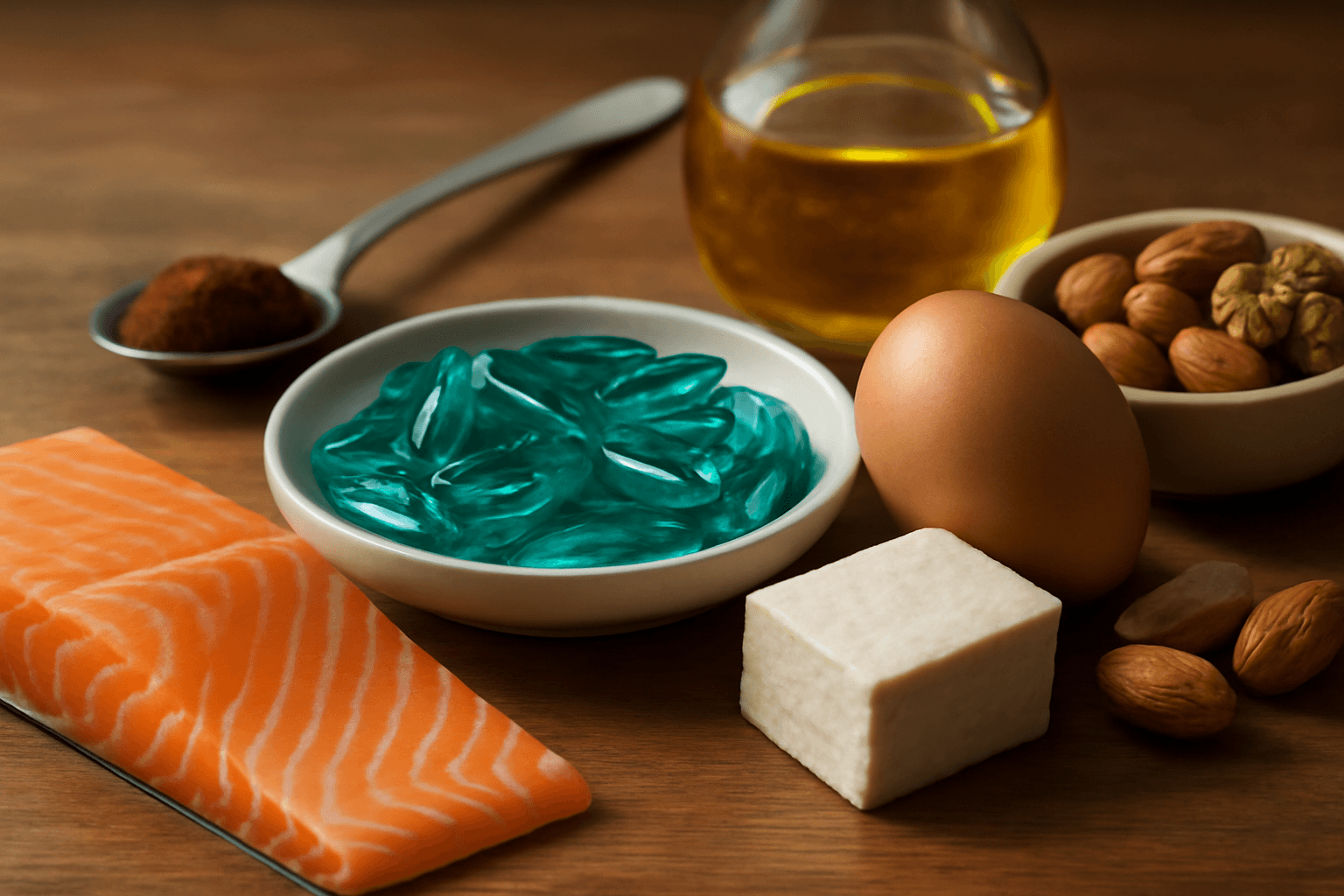
The ketogenic diet is a nutritional approach that severely restricts carbohydrate intake while focusing on fats and proteins. This diet offers multiple health benefits including blood sugar stabilization, weight management, and fatigue recovery, and dessert recipes exist that even those who enjoy sweets can enjoy deliciously. In this post, we'll detail the principles of the ketogenic diet and four practical dessert recipes.
What is the Ketogenic Diet?
The ketogenic diet is a low-carbohydrate, high-fat nutritional approach that induces the body into a state of ketosis. Generally, 70-75% of daily calories come from fats, 20-25% from proteins, and only 5-10% from carbohydrates. This shifts the body from using carbohydrates as its primary energy source to generating energy through fat breakdown.
Ketone bodies are substances produced when the liver breaks down fatty acids, and they serve as primary fuel for the brain and muscles. Generally, restricting carbohydrate intake to 50g or less per day allows entry into ketosis within 2-7 days. In this process, consuming foods with low glycemic index (GI) is very important, and choosing high-quality fat and protein sources determines the success of the diet.
The ketogenic diet has a history of medical use for blood sugar management in diabetics, treatment of intractable epilepsy, and prevention of neurodegenerative diseases. However, its effectiveness and safety can vary depending on individual health status, metabolic characteristics, and underlying conditions, so consulting with a healthcare professional before starting is essential.
Benefits of the Ketogenic Diet
Blood sugar stabilization is the most notable benefit of the ketogenic diet. Restricting carbohydrate intake prevents blood sugar spikes, keeping blood sugar levels stable. This helps minimize insulin secretion and improve insulin resistance. Research shows that people diagnosed with prediabetes who followed a ketogenic diet for 8 weeks experienced an average 15-20% reduction in fasting blood glucose.
Energy and fatigue recovery result from consistent ketone body supply. Unlike carbohydrate-dependent energy metabolism, ketone metabolism provides more stable and sustained energy. Many practitioners report that the 3 p.m. energy slump disappears after adapting to the diet. This is because there are no energy crashes from blood sugar fluctuations.
Immune enhancement is related to the anti-inflammatory effects of ketone bodies. Ketone bodies, particularly beta-hydroxybutyrate (BHB), suppress the NLRP3 inflammasome to reduce chronic inflammation. Reduced inflammation levels directly lead to improved immune system efficiency. Additionally, changes in gut microbiota diversity can allow the immune system to be regulated more precisely.
Protein breakdown inhibition is a benefit that appears when sufficient fat is consumed in the ketogenic diet. When sufficient calories come from fats, muscle protein isn't used as an energy source, minimizing muscle loss. However, protein intake should also be maintained appropriately at 1.6-2.0g per kilogram of body weight.
Suitable Sweeteners for the Ketogenic Diet
Stevia is a natural sweetener extracted from a plant native to Paraguay with a glycemic index of zero and virtually no calories. Some people may detect a slight bitter taste, so it's best to mix it with other sweeteners.
Erythritol is a sugar alcohol produced through glucose fermentation with a GI of 0 and a glycemic load (GL) of 0. Its caloric content is negligible at 0.24 calories per gram, and about 90% is not absorbed during digestion and is excreted. It has a cooling effect in the mouth, making it particularly suitable for mint-flavored desserts.
Allulose is classified as a rare sugar and provides the most similar taste to regular sugar. It contains 0.2 calories per gram with minimal blood sugar impact. However, domestic products are limited and prices are relatively high.
Monk fruit is a sweetener extracted from a fruit native to China. It has stronger sweetness than stevia (150-200 times that of sugar) with a glycemic index of zero. Unlike other sweeteners, it has the advantage of causing almost no digestive side effects.
Sweeteners to avoid include artificial sweeteners such as aspartame, saccharin, and sucralose. Their long-term health effects haven't been fully established, and some research suggests the possibility of gut microbiota changes and increased insulin resistance. Additionally, xylitol and sorbitol are sugar alcohols but have relatively high glycemic indexes (8 and 9 respectively), making them unsuitable for the ketogenic diet.
Healthy Ketogenic Dessert Recipes
1. Avocado Chocolate Mousse
Ingredients (serves 2):
- 1 ripe avocado (about 150g)
- 3 tablespoons unsweetened cocoa powder
- 2 tablespoons butter
- 100ml heavy cream
- 3 tablespoons erythritol
- 1 teaspoon vanilla extract
- A pinch of salt
Instructions: Mash the avocado until smooth. Melt the butter using a double boiler, then mix with cocoa powder and erythritol. Add the melted butter-cocoa mixture to the mashed avocado and mix well. In a separate bowl, whip the heavy cream until soft peaks form, then gently fold into the avocado mixture. Add vanilla extract and salt, and mix one final time. Chill in the refrigerator for at least 30 minutes before serving.
Nutritional Information (per serving): 320 calories, 5g protein, 32g fat, 2g net carbs
Health Benefits: Avocado is rich in potassium, magnesium, and vitamin E, supporting nervous system stability and antioxidant activity. Unsweetened cocoa contains polyphenols that improve cardiovascular health and reduce inflammation. The butyric acid in heavy cream supports gut health and strengthens immune function.
2. Cheesecake Bites
Ingredients (makes 12):
- 200g cream cheese (softened to room temperature)
- 100g butter
- 2 eggs
- 1 teaspoon vanilla extract
- 1 teaspoon lemon juice
- 4 tablespoons erythritol or monk fruit
- 50g ground flaxseed or almond flour (for crust)
- 50g butter (for crust)
- 1 pinch of salt
Instructions: First, prepare the crust by mixing ground flaxseed, 50g butter, and salt in a mixing bowl. Press a small amount of crust into each of 12 baking cups or mini muffin tins and chill in the freezer for 15 minutes. Next, prepare the filling by beating cream cheese and 100g butter in a mixer until creamy. Add eggs one at a time while continuing to beat. Mix in vanilla, lemon juice, and sweetener until smooth. Pour filling over the prepared crusts and bake in a 170°C oven for 15-18 minutes until the centers slightly jiggle. Cool completely, then refrigerate for at least 2 hours before serving.
Nutritional Information (per bite): 240 calories, 6g protein, 23g fat, 1g net carbs
Health Benefits: Cream cheese provides high-quality protein and calcium, contributing to muscle maintenance and bone health. Eggs contain choline, which enhances brain function and memory. Ground flaxseed is rich in omega-3 fatty acids and lignans, helping reduce inflammation and balance hormones.
3. Pecan Butter Fat Bombs
Ingredients (makes 16):
- 150g organic pecan butter
- 100g coconut oil
- 50g unsalted butter
- 3 tablespoons monk fruit
- 1 teaspoon vanilla extract
- 1 pinch Himalayan pink salt
- 100g dark chocolate (85% or higher)
Instructions: Melt pecan butter, coconut oil, and unsalted butter together using a double boiler. Mix in monk fruit, vanilla, and salt. Drop about 15ml portions onto parchment-lined baking sheets using a large spoon. Freeze for 30 minutes until solid. Melt the dark chocolate using a double boiler. Dip the frozen fat bombs into the chocolate to coat, then return to the freezer for 15 minutes to set.
Nutritional Information (per bomb): 210 calories, 3g protein, 21g fat, 2g net carbs
Health Benefits: Pecan butter is rich in magnesium and manganese, supporting energy metabolism and fatigue recovery. The medium-chain triglycerides (MCT) in coconut oil quickly convert to ketones, providing immediate energy. Dark chocolate at 85% or higher contains polyphenols and magnesium, supporting cardiovascular health and nervous system stabilization.
4. Raspberry Cheesecream Cups
Ingredients (serves 2):
- 150g fresh raspberries
- 150g cream cheese
- 100ml Greek yogurt (unsweetened)
- 30g butter
- 2 tablespoons erythritol
- ½ teaspoon vanilla extract
- ½ lemon zest (for the raspberry layer)
- 2 tablespoons sliced almonds (for topping)
- 1 pinch of salt
Instructions: Crush half of the raspberries and simmer them in a pan with butter over low heat for 5 minutes. Add 1 tablespoon erythritol and lemon zest, mix well, and set aside to cool. Beat cream cheese and Greek yogurt in a mixer until smooth. Add the remaining erythritol, vanilla, and salt, and mix again. Layer the raspberry sauce in cups or small glasses, then top with the cheese cream mixture. Garnish with fresh raspberries and sliced almonds. Chill in the refrigerator for at least 1 hour before serving.
Nutritional Information (per serving): 280 calories, 8g protein, 24g fat, 3g net carbs
Health Benefits: Raspberries are a low-carb berry rich in anthocyanins and ellagic acid, providing antioxidant and anti-cancer properties. Greek yogurt supplies probiotics and high protein, strengthening gut health and immunity. Almonds contain vitamin E and arginine, contributing to vascular health and improved blood flow.
Precautions and Recommendations
The ketogenic diet is not suitable for everyone. Pregnant and nursing women, type 1 diabetics, those with liver disease, those with kidney disease, and those with a history of pancreatitis must consult healthcare professionals before starting.
In the early stages of the ketogenic diet, symptoms called "keto flu" may appear. Headaches, fatigue, muscle soreness, and reduced concentration may occur temporarily as withdrawal symptoms from carbohydrates. These typically resolve within 1-2 weeks, but if symptoms persist, consult a healthcare professional.
When practicing the ketogenic diet long-term, regular blood tests should monitor kidney function, liver function, electrolyte levels, and cholesterol levels. Particular attention is needed as LDL cholesterol can spike significantly.
Even with dessert consumption, excessive amounts should be avoided. The recipes above contain calories, and overconsumption can lead to caloric excess, negating weight management goals. Distribute your daily total caloric intake appropriately when consuming these desserts.
Summary
The ketogenic diet is a nutritional approach that stabilizes blood sugar through carbohydrate restriction, maintains consistent energy levels through ketone metabolism, and strengthens immunity by reducing chronic inflammation. The key of this diet is that delicious desserts can be enjoyed using sweeteners with glycemic indexes near zero.
Recommended sweeteners are erythritol, stevia, monk fruit, and allulose. Understanding each sweetener's characteristics and combining them will yield even more delicious results.
Characteristics of the 4 recipes introduced:
- Avocado Chocolate Mousse: Excellent for antioxidant effects and gut health
- Cheesecake Bites: Outstanding for protein and brain function enhancement
- Pecan Butter Fat Bombs: Optimal for fatigue recovery and energy supply
- Raspberry Cheesecream Cups: Contains antioxidant compounds and probiotics
Before starting the ketogenic diet, be sure to consult with a healthcare professional, and after starting, monitor your health status with regular check-ups. When practiced correctly, the ketogenic diet provides the benefits of blood sugar stabilization, improved energy, and enhanced immunity, and the dessert recipes in this article will help increase the sustainability of your diet.