Allergic rhinitis is a chronic condition that worsens with seasonal changes. Particularly in fall and winter when weather becomes colder, symptoms like runny nose, sneezing, and nasal congestion worsen due to temperature differences between indoor and outdoor environments, dry air, and increased dust mites. To alleviate this discomfort, in addition to medication, you can utilize foods and supplements that act as natural antihistamines. This article introduces four natural ingredients that help improve allergic rhinitis, their benefits, and practical methods of consumption.
Why Does Nasal Discharge Occur When the Weather Gets Cold?
Allergic rhinitis worsens in winter because the body's immune response and environmental changes work together. Cold air constricts blood vessels in the nasal mucosa, and when these vessels then expand due to sudden warming, it triggers an inflammatory response. Additionally, the decrease in indoor humidity (below 30% on average) caused by winter heating makes the nasal mucosa dry, making it vulnerable to virus and allergen infiltration.
Dust mites prefer warm, humid environments and increase in bedding and carpets. Research shows that indoor dust mite concentration in winter reaches more than twice that of summer. Simultaneously, as the body works to respond to the cold, the immune system becomes overactive, increasing histamine release, which intensifies allergy symptoms. In windy seasons, fungal spores float in the air along with pollen, triggering allergic reactions.
When the immune system recognizes harmless substances as threats, mast cells and basophils secrete histamine. When this chemical binds to histamine receptors on the nasal mucosa, vascular permeability increases, leading to increased mucus secretion and inflammation. Ultimately, typical allergy symptoms such as runny nose, sneezing, and itching appear.
Four Natural Supplements Good for Allergies
1. Beta-Glucan Foods Rich in Vitamin C and Flavonoids
Vitamin C is a powerful antioxidant that promotes histamine breakdown and normalizes immune cell function. Daily intake of 500-1,000mg of vitamin C is effective in alleviating allergy symptoms. It is abundant in fruits and vegetables like oranges, kiwis, and bell peppers. Bell peppers in particular contain about 150mg of vitamin C per 100g. However, since it is destroyed by heat, raw consumption is most ideal.
Beta-glucan found in mushrooms, barley, and oats is a polysaccharide that strengthens the immune system. Research shows that beta-glucan enhances the activity of natural killer cells (NK cells) and macrophages, increasing resistance to allergy-triggering substances. Shiitake mushrooms, oyster mushrooms, and ganoderma have particularly high beta-glucan concentrations, with 10-15g daily intake recommended. Dried mushrooms soaked in water and added to soup or broth can maximize nutritional benefits.
Flavonoids naturally act as antihistamines. A flavonoid called quercetin is known to inhibit histamine release from mast cells. It is abundant in blueberries, black beans, green tea, onions, and apple skin, with 200-400mg daily intake being effective. Raw onions in particular contain more anti-inflammatory compounds, so adding them to salads is beneficial.
2. Omega-3 Fatty Acids and Probiotics
Omega-3 fatty acids are key nutrients that regulate the body's inflammatory response. Alpha-linolenic acid (ALA), eicosapentaenoic acid (EPA), and docosahexaenoic acid (DHA) all increase the production of anti-inflammatory cytokines. Research shows that daily intake of 1,000-2,000mg of omega-3 reduces allergic rhinitis symptoms by 30-40%.
Fatty fish like salmon, mackerel, and sardines are excellent sources of EPA and DHA. Consumption of 150g portions of fish 2-3 times per week is recommended. For vegetarians, ALA can be obtained from flaxseeds, chia seeds, walnuts, and perilla leaves. One tablespoon of perilla oil or one tablespoon of flaxseed powder daily is sufficient.
Intestinal microbiota diversity is essential for normal immune system development. Allergic patients show an imbalance in their intestinal microbiota with decreased beneficial bacteria and increased harmful bacteria. Probiotic intake restores this balance and suppresses allergic reactions. Strains like Lactobacillus plantarum and Bifidobacterium longum are particularly effective.
You can consume fermented foods like yogurt, kimchi, miso, and tempeh or probiotic supplements (10 billion CFU or higher daily). However, since probiotic effectiveness varies greatly among individuals, it's good to evaluate the response after 2-8 weeks of trial consumption.
3. Foods Containing Quercetin and Bromelain
Quercetin shows the strongest antihistamine activity among flavonoids. In test tube studies, quercetin inhibited histamine release from mast cells by 50-80%. This ingredient is primarily found in onions, apples, berries, and green tea, with daily intake of 500mg or higher needed for optimal effects.
Half a raw onion (about 100g) contains about 15-20mg of quercetin, so you can consume 2-3 servings of raw onion daily or use quercetin supplements. Since over 50% is lost through heating, raw consumption is most effective. Quercetin-containing foods can interfere with iron absorption, so if you have iron deficiency, consult with a doctor.
Bromelain is a digestive enzyme found in pineapple with excellent anti-inflammatory properties. Bromelain breaks down inflammatory proteins and promotes mucus discharge, alleviating nasal congestion. Fresh pineapple containing 100g contains about 50mg of bromelain. Canned pineapple has enzymes destroyed during heat processing, so fresh fruit should be chosen.
Daily bromelain supplements of 1,000-2,000mg are effective in alleviating allergy symptoms and improving sinusitis. However, if you have a pineapple allergy or are taking blood-thinning medication, you must consult with a healthcare professional.
4. Ginger and Turmeric's Curcumin
Active ingredients found in ginger and turmeric, gingerol and curcumin, directly inhibit the body's inflammatory signaling pathway (NF-κB). Research shows that allergy patients who consumed 500mg of curcumin for 8 weeks experienced a 60% reduction in symptoms. In particular, curcumin normalizes the imbalance in Th1/Th2 immune response, weakening the allergic reaction itself.
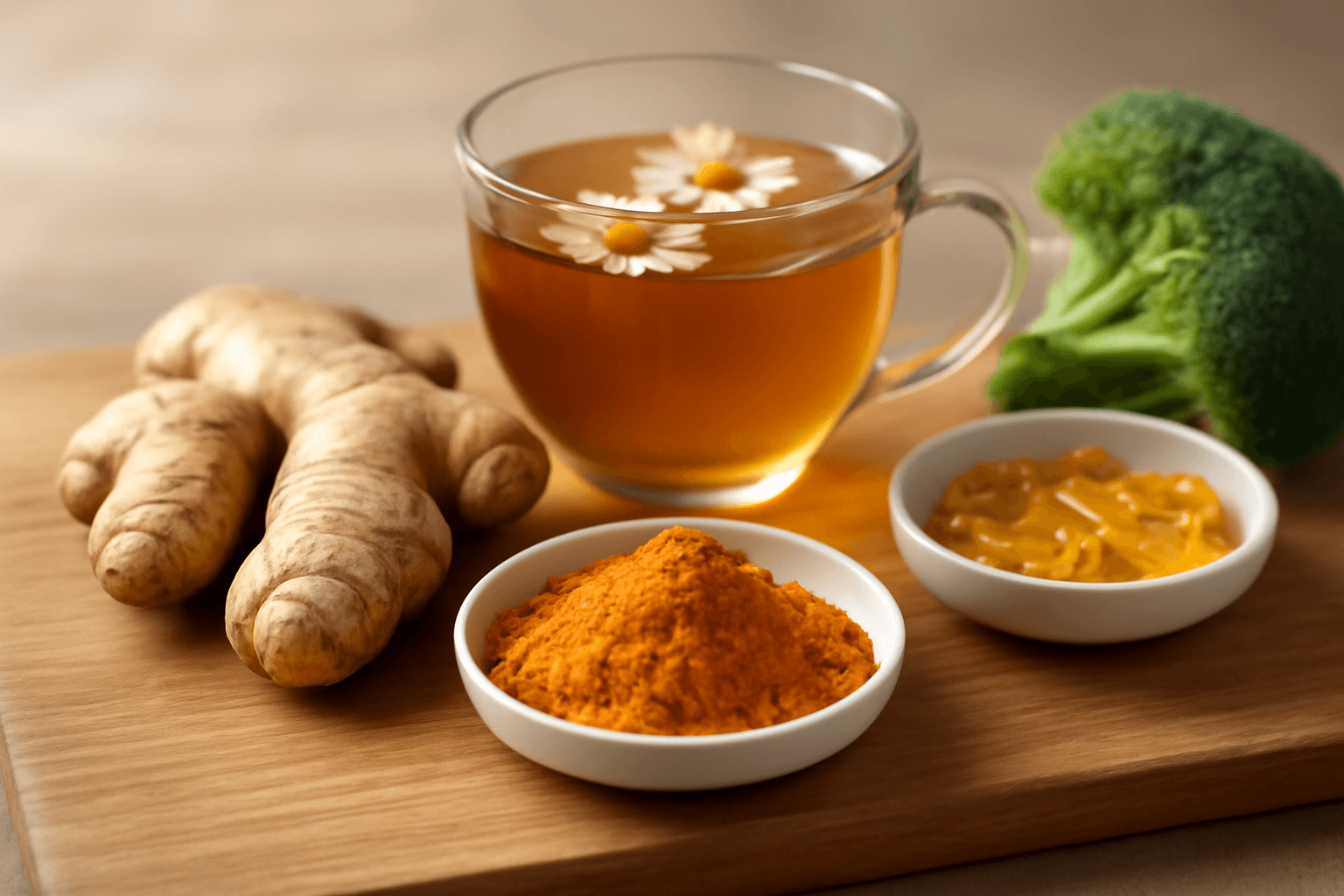
Fresh ginger of 10-15g (about 1 inch size) can be boiled in hot water and consumed daily. The spicy taste of ginger promotes blood circulation in the nasal mucosa, helping to relieve congestion. Turmeric absorption of curcumin increases 200-fold when consumed with milk, so consuming it as turmeric latte is efficient. Adding half a teaspoon of turmeric powder and a pinch of black pepper to a cup of warm milk maximizes bioavailability.
For turmeric supplements, choose products containing 500-1,500mg of curcumin daily. However, if you have gallbladder disease or are taking anticoagulants, prior consultation with a healthcare professional is essential. Ginger and turmeric also have digestive promotion effects, improving immune function through enhanced gut health.
Additional Lifestyle Management When Using Natural Antihistamines
Food consumption alone may not be sufficient, so environmental management should also be conducted together. Maintaining indoor humidity at 45-55% can greatly reduce allergen concentration. Adjust humidity using a humidifier or by air-drying washed laundry, and wash bedding 1-2 times per week with hot water of 60 degrees or higher to remove dust mites.
Sleep quality is also directly linked to immunity. Adequate sleep increases NK cell activity and decreases inflammatory cytokine production. Getting 7-9 hours of deep sleep between 10 p.m. and 2 a.m. alleviates allergy symptoms by 20-30%. Stress management is also important, as excessive secretion of cortisol, a stress hormone, suppresses immune function and increases histamine release. Meditation, yoga, and regular exercise (3-4 times per week for 30 minutes) are effective in reducing stress and strengthening immunity.
When engaging in outdoor activities, wearing a quality mask is essential. N95 masks block 90% or more of particles 2.5μm and larger, greatly reducing allergen exposure. After returning home, wash your hair and face to remove airborne allergens.
Summary
Allergic rhinitis occurs due to excessive immune response in the body, and winter environmental changes worsen symptoms. Using foods and supplements that act as natural antihistamines can complement the effects of medication.
- Vitamin C and Flavonoids: Consume 500mg or more daily from oranges, bell peppers, onions, and blueberries to promote histamine breakdown
- Omega-3 and Probiotics: Restore inflammatory control and intestinal microbiota balance through fatty fish and fermented foods
- Quercetin and Bromelain: Maximize anti-inflammatory effects by consuming 500mg and 1,000mg or more daily from raw onions and fresh pineapple
- Ginger and Curcumin: Consume ginger tea and turmeric latte daily to inhibit immune signaling pathways
Medical Precautions: These natural supplements can interact with prescription medications, so if you are taking blood thinners, iron supplements, or diabetes medications, you must consult with your doctor or pharmacist. If allergy symptoms are severe or persistent, seek professional diagnosis and combine with appropriate treatment. Natural foods can also cause allergic reactions in some individuals, so it's safe to start with small amounts initially and monitor your response.