Hair loss is a common condition experienced by 3 out of 10 Koreans, but the treatment method varies greatly depending on the cause. Various factors trigger hair loss, from genetics and hormonal changes to stress, nutritional deficiencies, and autoimmune diseases. By practicing natural remedies tailored to each cause, you can slow down hair loss progression and restore hair health. This article introduces 4 major causes of hair loss along with practical natural remedies for each.
Hair Loss Due to Stress
Stress-induced hair loss (telogen effluvium) occurs when psychological stress prematurely terminates the growth phase of hair follicles. When cortisol levels, a stress hormone, increase, hair follicle stem cells are damaged, and intensive hair loss appears after 3 months. This type of hair loss is particularly pronounced in groups with high psychological burden, such as office workers, test-takers, and postpartum mothers.
To alleviate stress-induced hair loss, physical recovery and mental stability are priorities.
- Meditation and deep breathing practice: 10-15 minutes of daily meditation reduces cortisol levels by an average of 25%. Activating the parasympathetic nervous system through diaphragmatic breathing alleviates stress responses.
- Regular aerobic exercise: Walking, jogging, or swimming for 30 minutes, 3-4 times per week promotes endorphin secretion and lowers cortisol. Physical fatigue from exercise leads to decreased stress hormones.
- Adequate sleep: 7-8 hours of daily sleep is essential for normalizing the growth phase of hair follicles. Growth hormone is secreted during deep sleep and directly affects hair regeneration.
- Increased magnesium intake: Magnesium, abundant in seaweed, sea squirt, walnuts, and almonds, stabilizes the nervous system, with 300-400mg daily intake recommended.
Hair Loss Due to Nutritional Deficiency
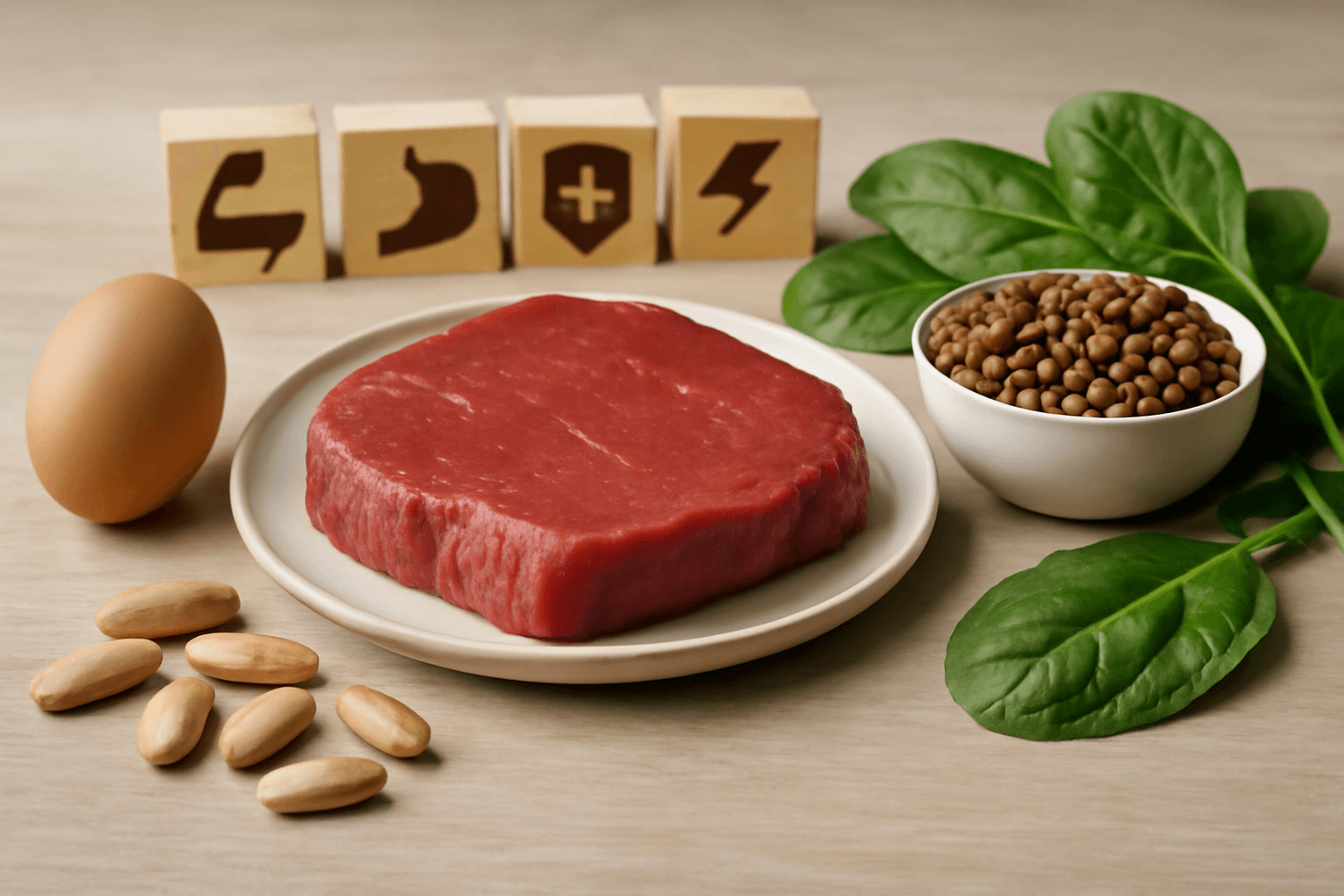
Hair is composed of keratin, a protein-based structure, and deficiency of specific trace elements immediately manifests as hair loss. Deficiency in iron, zinc, and B vitamins stops cell division in hair follicles, while vitamin C and omega-3 deficiency worsen scalp blood circulation. Such deficiencies are commonly observed especially in vegetarians, women on diets, and those with gastrointestinal disorders.
Hair loss due to nutritional deficiency improves 3-6 months after removing the cause, so early detection and systematic nutritional supplementation are important.
Iron deficiency and hair loss: Iron is essential for energy production in hair follicle cells. Women lose 15-30mg of iron monthly due to menstruation, and iron deficiency reduces hemoglobin production, decreasing oxygen supply to hair follicles. Consuming heme iron with high absorption rates from red fish (tuna, salmon), oysters, spinach, and black beans is 3-5 times more efficient than non-heme iron sources. Daily iron intake of 8-18mg is recommended, and absorption improves by 30% when consumed with vitamin C.
Zinc deficiency and hair loss: Zinc participates in enzyme actions of over 60 types that promote protein synthesis and cell division in hair follicles. Zinc deficiency causes early entry of follicles into the regression phase, and abnormal sebum secretion on the scalp may lead to seborrheic dermatitis. Oysters (13.2mg per 100g), beef, pumpkin seeds, and cashews are excellent sources of zinc, with 8-11mg daily intake recommended.
B vitamin deficiency and hair loss: Vitamins B1 (thiamine), B2 (riboflavin), B3 (niacin), B6 (pyridoxine), and B12 (cobalamin) regulate energy metabolism in hair follicle cells. B12 deficiency leads to insufficient red blood cell formation, reducing scalp blood flow. More than 30% of strict vegetarians who don't consume animal products are B12 deficient. Obtaining sufficient B12 from eggs, milk, raw oysters, and beef liver or, if necessary, monthly 1,000mcg intramuscular injections of supplements help.
Vitamin C and omega-3 deficiency: Vitamin C promotes collagen synthesis and iron absorption, reducing oxidative stress in hair follicle cells through antioxidant action. Omega-3 fatty acids improve scalp blood circulation and suppress inflammation. Consuming adequate omega-3 from salmon, mackerel, flaxseeds, and chia seeds, and supplementing 75-90mg daily vitamin C from kiwi, bell pepper, and broccoli restores hair health.
Autoimmune Disease: Alopecia Areata
Alopecia areata is an autoimmune disease where the immune system attacks one's own hair follicles, experienced by 0.5-2% of Koreans. Unlike normal individuals, CD8+ T cells intensively attack melanocytes and keratin-forming cells in hair follicles. Alopecia areata is characterized by coin-shaped circular bald patches and can suddenly develop, sometimes naturally recovering within months. However, severe cases can expand to total hair loss or involve eyebrows and facial hair.
Natural remedies for immune system regulation:
- Anti-inflammatory food consumption: Polyphenols and antioxidants in ginger, turmeric (curcumin), nuts, and berries (blueberries, black currants) calm overactive immune responses. Curcumin in turmeric inhibits the NF-κB signaling pathway to reduce autoimmune reactions, with 500-1,000mg daily intake being effective.
- Gut microbiota health management: Overgrowth of harmful gut bacteria damages the intestinal barrier (leaky gut), worsening autoimmune disease. Consuming probiotic foods like yogurt, kimchi, miso, and kombucha and dietary fiber (25-30g daily) promotes beneficial bacteria and induces proper differentiation of immune cells.
- Vitamin D supplementation: Research shows over 90% of alopecia areata patients are vitamin D deficient. Vitamin D promotes regulatory T cell generation, suppressing autoimmune reactions. Aim for 15-30 minutes of sun exposure 3-4 times weekly to promote vitamin D synthesis in the skin. If insufficient, daily supplementation of 1,000-2,000 IU is recommended.
- Glutamic acid and arginine amino acid intake: These amino acids strengthen the differentiation and function of regulatory T cells. Consuming adequate amounts from chicken broth, bone broth, eggs, and sesame alleviates abnormal immune responses.
Medical considerations: Alopecia areata is often difficult to recover from natural remedies alone. If symptoms persist for over 3 months or hair loss covers 50% or more of the scalp, consult a dermatologist for localized steroid injections, cysteine supplementation, light therapy, and other medical treatments.
Hormonal Changes: Androgenetic Alopecia
Androgenetic alopecia results from the interaction of genetic predisposition and androgen hormones, accounting for over 95% of all hair loss. When testosterone is converted to DHT (dihydrotestosterone) by the 5-alpha-reductase enzyme, the growth phase of genetically sensitive follicles shortens, causing hair to thin and fall out. Men experience higher incidence in their 20s-30s, while women show higher incidence around menopause.
Complete natural treatment alone is difficult for androgenetic alopecia, but the following measures help slow progression.
- Saw palmetto supplementation: The active compound in saw palmetto weakly inhibits 5-alpha-reductase, reducing DHT production by 20-40%. Clinical studies show that 320mg daily intake results in reduced hair loss and increased hair thickness after 6 months, with fewer side effects than existing medications.
- Green tea polyphenol consumption: EGCG in green tea inhibits 5-alpha-reductase and, as an antioxidant, reduces oxidative stress in hair follicle cells. 2-3 cups of green tea daily is recommended, with hair loss reduction expected after 12 weeks of continuous consumption.
- Scalp massage and increased blood flow: Regular scalp massage increases scalp blood flow by over 30%, promoting oxygen and nutrient delivery to hair follicles. Using a low-frequency vibration massage device for 5-10 minutes daily or scalp acupressure with fingers is also effective.
- Topical application of caffeine-containing products: Caffeine dilates blood vessels around hair follicles, and in vitro research shows it alleviates DHT-induced follicle damage by approximately 50%. Using caffeine shampoo or essence daily provides additional blood flow improvement benefits.
- Combined zinc and L-lysine supplementation: Zinc inhibits 5-alpha-reductase activity, while L-lysine strengthens protein synthesis in hair follicle cells. Taking these two components together produces synergistic effects.
Medical considerations: Androgenetic alopecia is a progressive disease, and natural remedies alone make it difficult to completely halt hair loss progression. If type 1 or type 2 or greater hair loss progression is observed, it is wise to consult a dermatologist to combine medical treatments such as minoxidil (Rogaine) or finasteride (Propecia).
Summary
Hair loss treatment varies completely depending on the cause. Stress-induced hair loss can recover significantly through meditation, exercise, and improved sleep. Hair loss from nutritional deficiency improves within 3-6 months with systematic supplementation of iron, zinc, vitamin B12, and omega-3. Alopecia areata requires anti-inflammatory foods and vitamin D supplementation to suppress autoimmune reactions, but severe cases require medical intervention. Androgenetic alopecia is progressive and requires combining natural and medical treatments.
The most important principle is early diagnosis and cause identification. If hair loss is observed, monitor progress for over 3 months, and if no improvement occurs, consult a dermatologist for accurate diagnosis. After identifying your hair loss type, practicing the natural remedies above while combining medical treatment when necessary will help you recover hair health and effectively slow hair loss progression.