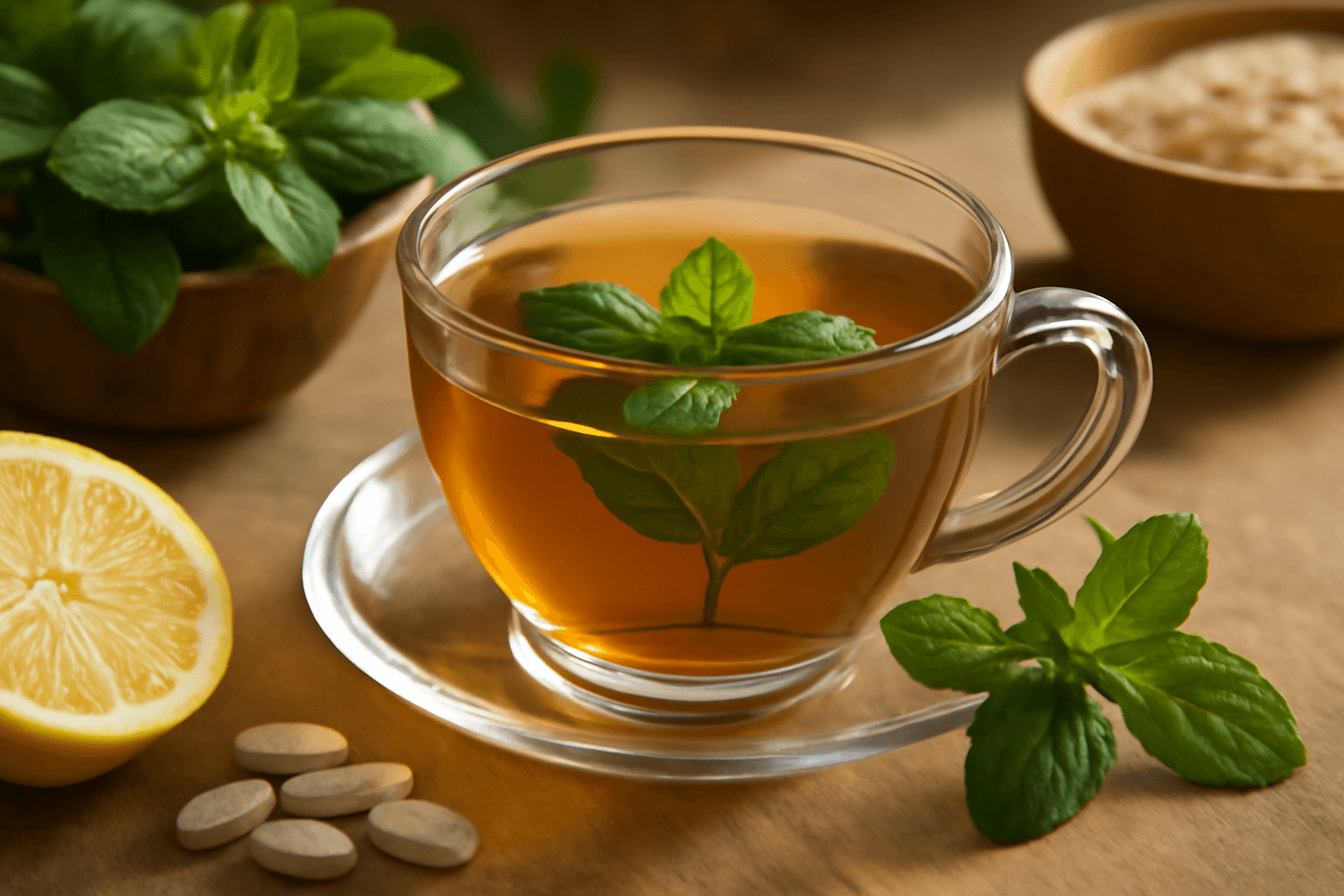
Spearmint is a mint plant native to Southeast Asia, characterized by a gentler taste and aroma compared to peppermint. Over the past few decades, medical researchers have discovered evidence that spearmint tea can alleviate various health issues beyond being a simple beverage, including hormonal imbalances, skin problems, and digestive disorders. Particularly noteworthy results have been reported in improving symptoms related to women's health, and its antioxidant components and anti-inflammatory effects contribute to overall wellness improvement. This article will examine in detail the five scientifically proven key benefits of spearmint tea and important precautions.
Benefits for Alleviating Polycystic Ovary Syndrome
Polycystic ovary syndrome (PCOS) is a major cause of female infertility, causing ovulation disorders, irregular menstruation, and insulin resistance due to excessive androgen (male hormone) production. In a clinical trial conducted by researchers at a Turkish university in 2007, 21 PCOS patients were divided into two groups, with one group consuming spearmint tea twice daily for 30 days.
The research results were quite positive. Women in the spearmint tea group experienced an average 30% decrease in free testosterone levels, and overall androgen levels also dropped significantly. In particular, menstrual irregularity improved, and excessive body hair symptoms were also alleviated. This is believed to be due to flavonoids and phenolic compounds found in spearmint affecting hormone metabolism.
Spearmint's hormone regulation mechanism works in two ways. First, it promotes testosterone metabolism in the liver, lowering free testosterone levels in the body, and second, it is known to directly suppress androgen production in the ovaries. PCOS patients can expect symptom improvement within 3-6 months by consistently consuming spearmint tea 2-3 times daily.
Benefits for Acne Relief
Acne is closely related to hormonal imbalances, particularly excessive androgen activity. When androgens increase, sebaceous gland activity increases, promoting bacterial growth and worsening inflammatory acne. According to a study conducted by a Spanish dermatology research team in 2013, spearmint tea was provided twice daily to 32 women with moderate acne for 12 weeks.
Remarkably, the spearmint tea group showed an average 25% reduction in inflammatory acne, and sebum production also decreased significantly. Compared to the 9% improvement in the control group (placebo), this represents more than double the effect. In addition, skin assessment results showed that over 70% of the spearmint group reported subjective skin improvement.
This effect is due not only to spearmint's anti-androgen properties but also to its powerful antibacterial and anti-inflammatory components. Compounds found in spearmint such as rosmarinic acid and carvacrol show strong inhibitory effects against acne-causing bacteria (Propionibacterium acnes). People struggling with acne can expect fundamental improvement through internal hormone regulation by consistently consuming spearmint tea alongside topical skin treatments.
Benefits for Hirsutism Relief
Hirsutism is a condition in which unwanted body hair grows excessively in areas with high androgen sensitivity. Experienced by over 70% of PCOS patients, it causes not only external complexes but also psychological stress. In the previously mentioned Turkish study, spearmint's hormone-regulating effects directly contributed to improving hirsutism.
As measured by the Ferriman-Gallwey score, the spearmint tea group showed an average 32% decrease in hirsutism index after 6 months. Hair reduction was particularly noticeable in the facial, chest, and back areas. However, this effect requires at least 3-4 months of consistent consumption because hormone changes must be reflected in the hair growth cycle.
While existing hirsutism treatments (hair removal, laser hair removal) are temporary, spearmint tea improves fundamental hormone levels, thus providing long-term and sustained effects. Additionally, spearmint's anti-inflammatory properties can be utilized as an adjunctive therapy to alleviate skin irritation after hair removal.
Benefits for Memory Improvement
Volatile compounds found in spearmint such as 1,8-cineole and carton directly affect the nervous system. In a 2018 study conducted by an Australian neuroscience research team, the cognitive function improvement effects of spearmint extract were verified in 180 healthy adults.
When participants were divided into three groups (spearmint 900mg, spearmint 1050mg, and placebo) and consumed for 3 months, the high-dose spearmint group showed a 15% improvement in working memory performance. Complex logical problem-solving and number memorization abilities showed particularly significant improvement. Additionally, cognitive response time was shortened by an average of 250ms.
This mechanism is explained by spearmint's antioxidant components reducing neuroinflammation in the brain and promoting the generation of neurotrophic factors (BDNF). It is particularly effective at preventing memory impairment in stressful situations, and is recommended as a natural cognitive function supplement for students and office workers with cognitively demanding jobs.
Digestive Benefits
Mint species have long been used as digestive aids in traditional medicine, and modern medicine provides supporting evidence for this. Menthol and limonene found in spearmint relax the smooth muscles of the digestive tract to ease cramping and regulate stomach acid secretion. In a 2015 study conducted by Italian gastroenterology researchers, spearmint tea was provided to 100 irritable bowel syndrome (IBS) patients for 8 weeks.
The results were clinically significant. The spearmint group showed a 40% decrease in abdominal bloating, a 35% decrease in abdominal pain, and a 28% improvement in constipation symptoms. In particular, post-meal abdominal discomfort was significantly reduced, and digestive enzyme activity increased. The control group showed improvements of only 12%, 8%, and 5% respectively.
Spearmint's digestive promotion mechanism is multifaceted. First, it increases bile secretion, improving fat digestion; second, it promotes diversity in the gut microbiome, providing probiotic effects; and third, it exerts anti-inflammatory action protecting the digestive tract mucosa. For those with chronic digestive discomfort, consuming 2-3 cups of spearmint tea daily after meals is effective.
Additionally, spearmint tea inhibits gas production and promotes intestinal peristalsis, improving overall gut health. It can particularly help with recovery from gut microbiome imbalance caused by antibiotic use.
Side Effects and Precautions of Spearmint Tea
Spearmint is generally a safe plant, but like all health supplements, side effects can occur in some individuals. The most common side effect is digestive system reactions. Excessive consumption can cause abdominal discomfort, nausea, and diarrhea, which usually occur when consuming more than 3 cups per day.
Allergic reactions have also been reported. People with allergies to mint family plants or those with sensitive skin may experience oral swelling, throat irritation, and skin rashes. Particularly if there is a peppermint allergy, spearmint may cause cross-reactions, so caution is necessary.
People with hormone-sensitive conditions should consult with a healthcare professional before consuming spearmint. While spearmint's anti-androgen action can be an advantage, it may conversely reduce the effectiveness of medications for those undergoing hormone therapy. This is particularly important for women receiving hormone replacement therapy (HRT) or patients being treated for thyroid disease.
For pregnant or breastfeeding women, safety data on spearmint consumption is limited, so consumption without explicit doctor approval is not recommended. Additionally, diabetic patients taking blood sugar-lowering medications should consider that spearmint can lower blood sugar levels, requiring more frequent blood sugar monitoring.
People with kidney disease or liver disease should also consult with healthcare professionals before use. Spearmint's potent metabolic effects can place a burden on damaged organs. In general, 1.5-3 cups per day (approximately 3-6g of dried leaves) is considered a safe dose for healthy adults.
Summary
Spearmint tea is a natural health product with proven efficacy from traditional herbal medicine to modern clinical research. It provides various health benefits ranging from treating hormone imbalances related to PCOS to skin problems like acne and hirsutism, and further to improving cognitive function and promoting digestion.
The key points are as follows:
- Reduces androgen levels in PCOS patients by an average of 30%, improving hormone balance
- Reduces inflammatory acne by over 25% through antibacterial and anti-inflammatory effects
- Decreases hirsutism index by 32%, improving external symptoms
- Enhances working memory and cognitive response speed by 15% through neuroprotective effects
- Improves digestive health by alleviating IBS symptoms and promoting gut microbiome diversity
However, it must be stated that spearmint tea is not a medication and is not a complete treatment replacement for existing conditions. In cases of hormone-related diseases, pregnancy/breastfeeding, or ongoing medication use, it is essential to consult with your doctor or pharmacist before consumption. The safest method is to brew tea directly using dried spearmint leaves from a reliable source, and consistent consumption of 1-3 cups per day is sufficient.
Spearmint tea reaches its maximum effectiveness when incorporated as part of a healthy lifestyle, alongside a balanced diet, regular exercise, and adequate sleep. When used wisely according to individual health status and needs, it can serve as an effective natural health supplement that provides practical benefits.