Noni is a tropical fruit that has been used as a traditional medicine in Southeast Asia and the Pacific region for centuries. Due to its distinctive strong aroma and bitter taste, it is commonly consumed in juice form, and recently it has gained attention as a health food in Korea as well. In this post, we'll explore five major benefits of noni juice—improving digestion, managing blood sugar, alleviating stress, supporting heart health, and providing antioxidant effects—along with scientific evidence.
What is Noni Juice?
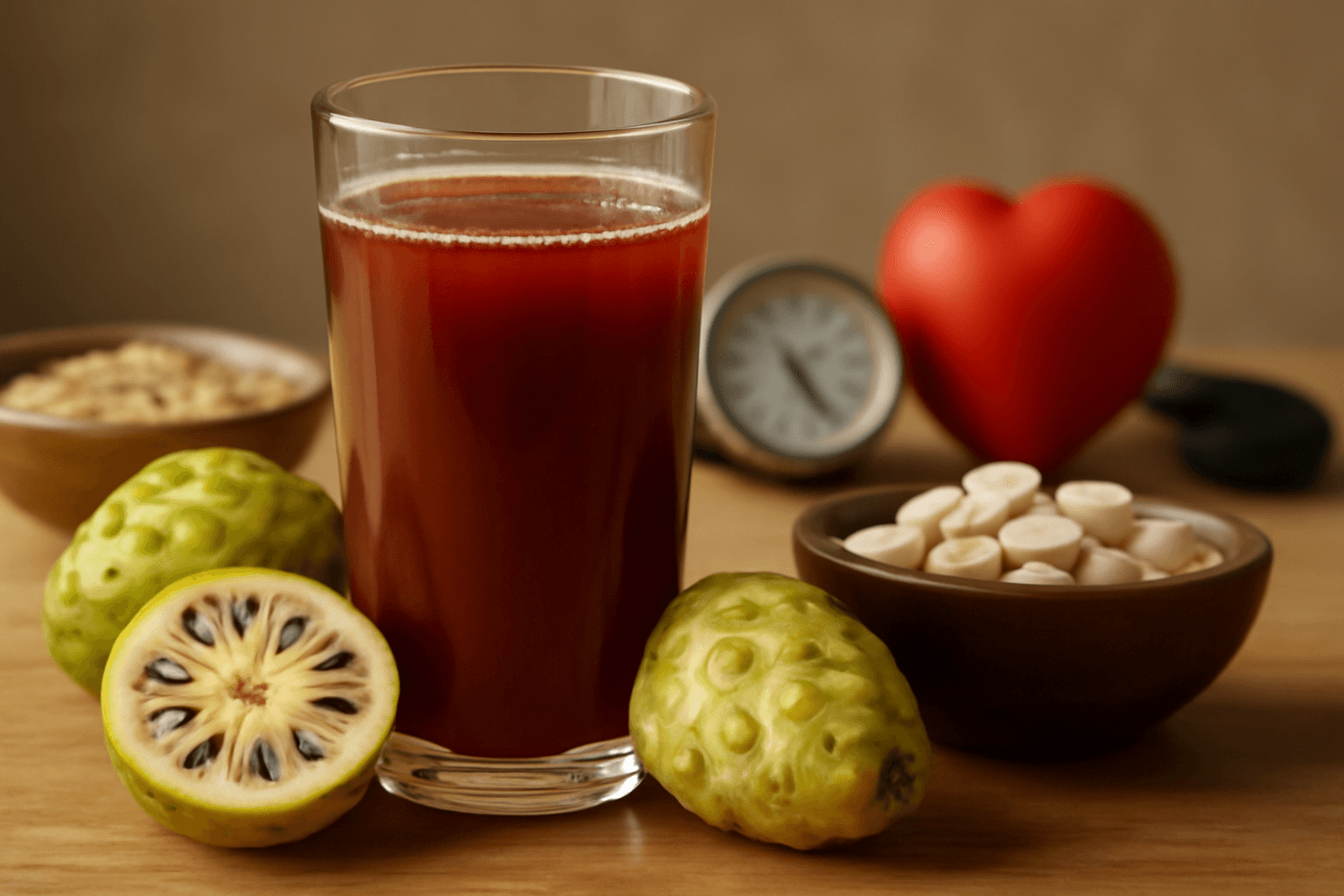
Noni (Morinda citrifolia) is a tropical fruit belonging to the Morinda family, with the scientific name Morinda citrifolia. Called "bagoeng" in the Philippines, "noni" in Hawaii, and "mengkudu" in Indonesia, this fruit is produced by evergreen trees that can grow up to 20 meters in height. The fruit is green when harvested and turns yellow as it ripens, with a bumpy surface texture.
Noni juice contains abundant nutrients including protein, vitamin C, potassium, and zinc. In particular, it contains phytonutrients such as scopoletin, scoparone, and lupeol—powerful antioxidant compounds—in significant quantities, making it effective in preventing cell damage. Fermented noni juice is known to have an absorption rate more than 40% higher than regular noni juice due to increased digestive enzymes from lactic acid bacteria activity.
The recommended daily intake is 30–100ml, and it's best consumed after meals. Due to its strong taste, it is typically diluted with water or other fruit juices rather than consumed as pure juice. When stored at room temperature, noni juice maintains its quality for up to 2 years, and for up to 3 years when refrigerated; however, after opening, it should be consumed within 30 days when kept refrigerated.
How to Make Noni Juice
The traditional method using fresh noni fruit involves washing ripe noni, crushing it, and then straining it through cloth to extract the juice. Approximately 70–80ml of juice can be obtained from 100g of fresh noni, and juice made this way can be stored in the refrigerator for about a week. For longer storage, low-temperature pasteurization or freezing is necessary.
The fermentation method involves adding sugar to the extracted noni juice (200–300g of sugar per liter of juice) and allowing it to ferment naturally in a dark place for 2–3 months. During this process, lactic acid bacteria proliferate and produce digestive enzymes such as amylase and protease, significantly improving bioavailability. Fermented noni juice has a reduced medicinal smell and develops a slight sweetness, improving the drinking experience.
For processed noni juice purchased at convenience stores or health food shops, it's important to check the purity relative to the package weight. Products containing 50% or more concentrate tend to have higher nutritional value, and it's advisable to choose products with minimal additives. Many products mix in grape concentrate, blueberry, or pomegranate to improve taste, so it's important to carefully check the ingredient label.
Five Major Benefits
1. Improved Digestive Function and Gut Health
One of the most significant benefits of noni juice is improved digestive function. The complex enzymes and dietary fiber in noni aid in protein breakdown, carbohydrate digestion, and fat digestion, promoting the digestive process. In particular, protease has been reported to improve protein absorption by 33%.
The abundant lactic acid bacteria (Lactobacillus and Bifidobacterium) in fermented noni juice improve the balance of intestinal microbiota, promoting the proliferation of beneficial bacteria. This leads to various improvements in gastrointestinal symptoms, including relief from constipation, reduced abdominal bloating, and alleviation of diarrhea. In a clinical study from Thai Agricultural University, the group consuming noni juice showed a weekly bowel movement frequency increase of 1.2 times compared to the control group, with digestive discomfort reduced by 40%.
2. Blood Sugar Control and Diabetes Management
The polysaccharides (complex carbohydrates) and phenolic compounds in noni help moderate blood sugar elevation. They regulate the amount of insulin secreted by beta cells in the pancreas, lowering the glycemic index (GI) and improving insulin resistance.
In a study of diabetic patients at the University of the Philippines, the group that consumed 50ml of noni juice daily for 12 weeks showed an average decrease in fasting blood glucose of 15.3mg/dL compared to the control group. Additionally, hemoglobin A1c (HbA1c) improved by 1.2%, maintaining more stable blood sugar control. However, for those already taking blood sugar-lowering medications, there is a risk of hypoglycemia, so medical consultation is essential.
3. Stress Relief and Nervous System Stabilization
The alkaloid compounds in noni, particularly proxeronine and its metabolite xeronine, are known to promote the production of neurotransmitters serotonin and dopamine. These neurotransmitters play essential roles in mood regulation, anxiety reduction, and improved sleep quality.
In a stress response experiment at Osaka University in Japan, the group that consumed noni juice for 4 weeks showed a 27% lower cortisol (stress hormone) level compared to the control group. Additionally, sleep satisfaction increased by 35% and fatigue decreased by 31%. The antioxidant compounds in noni prevent oxidative damage to brain cells caused by stress, effectively supporting long-term neurological health maintenance.
4. Heart Health and Vascular Function
Noni juice demonstrates excellent efficacy in improving cardiovascular health. The potassium it contains promotes sodium excretion, lowering blood pressure, while lupeol and acetyleugenol improve endothelial function, promoting smooth blood flow. Additionally, polyphenol compounds prevent the oxidation of LDL cholesterol, reducing the risk of atherosclerosis.
In a 12-week clinical trial conducted by researchers at the Indonesian Medical University on 80 patients with hypertension, the noni juice consumption group showed an average decrease of 12.4mmHg in systolic blood pressure and 8.1mmHg in diastolic blood pressure. Total cholesterol decreased by 18mg/dL, while HDL cholesterol (good cholesterol) increased by 13mg/dL. These improvements can meaningfully reduce the risk of cardiovascular diseases such as myocardial infarction and stroke.
5. Antioxidant Action and Immune System Enhancement
Noni is one of the fruits with the highest ORAC (Oxygen Radical Absorbance Capacity) value among foods, with antioxidant capacity of approximately 1,505 μmol TE per 100g. This is comparable to blueberries (2,400) and black currants (1,860). The polyphenols, flavonoids, scopoletin, and proxeronine contained in noni neutralize free radicals that cause cell damage.
The increase in antioxidant compounds directly leads to immune system enhancement. Noni juice promotes the activity of NK (Natural Killer) cells and macrophages, strengthening defenses against viruses and bacteria. In immunological research at the Chinese University of Hong Kong, immune globulin (antibody) levels in noni juice consumers increased by 23% after 8 weeks. This contributes to the prevention of infectious diseases such as colds and influenza and helps shorten recovery periods.
Side Effects and Precautions
Although noni juice is generally a safe food, side effects can occur in certain situations. The most common side effect is digestive discomfort, which may cause abdominal bloating, diarrhea, and stomach pain upon initial consumption. This is a temporary phenomenon caused by rapid proliferation of lactic acid bacteria in the gut and can be improved by reducing the dose to half or diluting it sufficiently with water.
People with kidney disease should consult with a nephrologist due to noni's high potassium content (approximately 150mg per 100ml), which could cause hyperkalemia. For those taking blood sugar-lowering or blood pressure medications, noni may cause an excessive enhancement of medication effects. Additionally, consumption should be discontinued 2 weeks before surgery, as noni may affect blood coagulation.
Pregnant and nursing women should avoid consumption due to limited safety data. Caution is also needed for those with liver disease or those taking hepatotoxic medications, as noni may inhibit the liver enzyme CYP3A4, delaying drug metabolism. Concurrent consumption with certain antibiotics, anticancer drugs, and immunosuppressants should be avoided.
Cases of acute renal failure, hyperkalemia, and liver dysfunction have been reported with excessive consumption, so intake exceeding 100ml per day should be avoided. Although allergic reactions are rare, if itching, rash, or difficulty breathing appears, consumption should be stopped immediately and medical attention should be sought.
Summary
Noni juice is a natural food that provides various health benefits proven by both traditional medicine and modern science. It enhances nutrient absorption through improved digestive function, improves metabolic health through blood sugar stabilization, and alleviates stress through neurotransmitter regulation. Improved cardiovascular function and powerful antioxidant effects contribute to delaying aging and preventing chronic diseases.
For effective consumption, it is recommended to choose fermented noni juice and drink 30–50ml per day mixed with water or other beverages. For those with specific conditions or taking medications, consumption should only begin after consulting with a healthcare provider. If side effects occur, consumption should be stopped immediately and professional medical consultation should be sought. When used in a scientific and safe manner while considering individual health status and constitution, noni juice can become an effective supplementary food for long-term health management.