Teenage skin problems are more than just a cosmetic issue. Acne and dermatitis develop as a result of hormonal changes, stress, and blood sugar fluctuations working together. To fundamentally improve skin health in teenagers, you need to examine your internal nutritional status before focusing on skincare products. Zinc, chromium, vitamin B6, selenium, and vitamin E are key nutrients that reduce acne and create healthy skin through skin regeneration, hormone balance, and antioxidant action. In this article, we'll take a detailed look at five essential nutrients for teenage skin health and their roles.
Why It's Important to Consume the Right Type of Fat
Many teenagers overlook the fact that fat is important for skin health. Especially young people with acne tend to try to reduce fat intake unconditionally, but this worsens skin condition. Omega-3 fatty acids are a key component of cell membrane structure, strengthening skin barrier function and suppressing inflammation.
According to research, teenagers with insufficient omega-3 intake experience over 40% increase in skin moisture loss and higher risk of acne worsening. In contrast, students who consume fatty fish like sardines, salmon, and mackerel 2-3 times per week showed significantly reduced skin inflammation levels.
Unlike saturated fats (butter, fried foods), omega-3 and omega-6 fats help produce serotonin and regulate cortisol, a stress hormone. Stress is a major cause of increased sebum secretion in skin, and consuming the right fats can fundamentally address this.
- Foods rich in omega-3: Salmon, sardines, nuts (walnuts, almonds), flaxseed
- Target intake: Fish consumption 2-3 times per week or 1-2g of omega-3 daily
- Additional tip: Choose unsaturated fats like olive oil and avocado instead of saturated fats
Five Supplements That Support Skin Health
Teenage diets often show nutritional imbalances. Eating habits dependent on rice, instant noodles, and fast food lead to deficiencies in specific minerals and vitamins. Particularly, the five nutrients responsible for the skin's immune system are difficult to obtain in sufficient amounts from food alone.
However, caution is needed when choosing supplements. Overdose can cause toxicity, so for teenagers, it's safer to start at 50-70% of the daily recommended amount. Additionally, if you're taking certain medications, consult with a healthcare professional before taking supplements.
Warning: This information is not medical diagnosis. If you have serious skin conditions (cystic acne, rosacea, etc.), you must visit a dermatologist. Supplements play a supporting role to diet and are not medications.
1. Zinc
Zinc is the 'key mineral' for teenage skin health. Over 200 enzymes involved in skin regeneration and wound healing contain zinc, and it has a direct impact on acne treatment in particular.
When zinc is deficient, skin immune response weakens and resistance to bacteria (especially Propionibacterium acnes) decreases. In a clinical study where 100 teenagers with acne took 30mg of zinc daily for 12 weeks, acne severity decreased by an average of 46%.
Additionally, zinc is important for hormone balance regulation. By inhibiting the activity of 5-alpha reductase enzyme in the process of testosterone converting to DHT, it prevents hormone-related acne.
- Daily recommended amount (teenagers): 8-11mg
- Food sources: Oysters (5.5mg per piece), beef, cashews, black beans
- When choosing supplements: Select forms with high absorption rates such as 'glycinate' or 'picolinate'
- Warning: Long-term intake of over 40mg daily may cause copper deficiency
2. Chromium
Chromium is a key mineral for blood sugar regulation and is closely related to teenage skin health. When blood sugar rises sharply, insulin-like growth factor (IGF-1) increases, which stimulates sebaceous glands and worsens acne.
Teenagers who frequently consume sweets, beverages, and processed foods experience significant blood sugar fluctuations and consequently experience hormone imbalances. Chromium supplementation is effective for stabilizing blood sugar. According to a study by the American Journal of Clinical Nutrition, teenagers with improved blood sugar control showed an average 25% decrease in skin sebum secretion and lower acne recurrence rates.
Chromium in particular has a concept of 'chromium resistance,' where the more refined carbohydrates consumed, the more chromium is needed. Therefore, it's an important nutrient for teenagers under stress or with irregular eating habits.
- Daily recommended amount (teenagers): 21-25mcg
- Food sources: Broccoli, green grapes, whole grain bread, turkey
- Duration of effect: Requires at least 8 weeks of consistent intake to confirm blood sugar stabilization effects
- Additional benefit: Chromium loss increases under stress; supplementation helps alleviate anxiety
3. Vitamin B6
Vitamin B6 (pyridoxine) is central to hormone metabolism. During adolescence, B6 is essential in the metabolic process of estrogen and progesterone, and deficiency worsens skin condition before menstruation due to hormone imbalance.
Particularly for female students, a sharp rise in progesterone levels during the week before menstruation increases skin sebum secretion by up to 35%. Vitamin B6 smooths out these hormone fluctuations and promotes the production of neurotransmitters serotonin and GABA, preventing stress-related skin worsening.
Additionally, B6 is involved in fatty acid metabolism, so B6 supplementation along with proper fat intake accelerates skin barrier repair. According to research, teenagers who supplemented with B6 for 8 weeks showed a 30% increase in skin moisture content.
- Daily recommended amount (teenagers): 1.2-1.3mg
- Food sources: Chicken breast (0.9mg per 100g), chickpeas, potatoes, bananas
- Maximize effects: Taking with magnesium and zinc enhances hormone regulation effects
- Note: B6 is water-soluble so overdose risk is low, but long-term intake of over 100mg daily may cause nervous system side effects
4. Selenium and Vitamin E
Selenium and vitamin E work as an antioxidant duo to prevent skin damage. Teenagers' active physical activity and stress responses generate large amounts of free radicals, which cause skin cell damage and inflammation. Selenium and vitamin E act as a protective barrier that neutralizes these free radicals.
Selenium is particularly a component of glutathione peroxidase, a powerful antioxidant enzyme. According to a study by the American Academy of Dermatology, teenagers deficient in selenium had over three times more severe acne inflammation, and after selenium supplementation, antioxidant capacity increased by 60%.
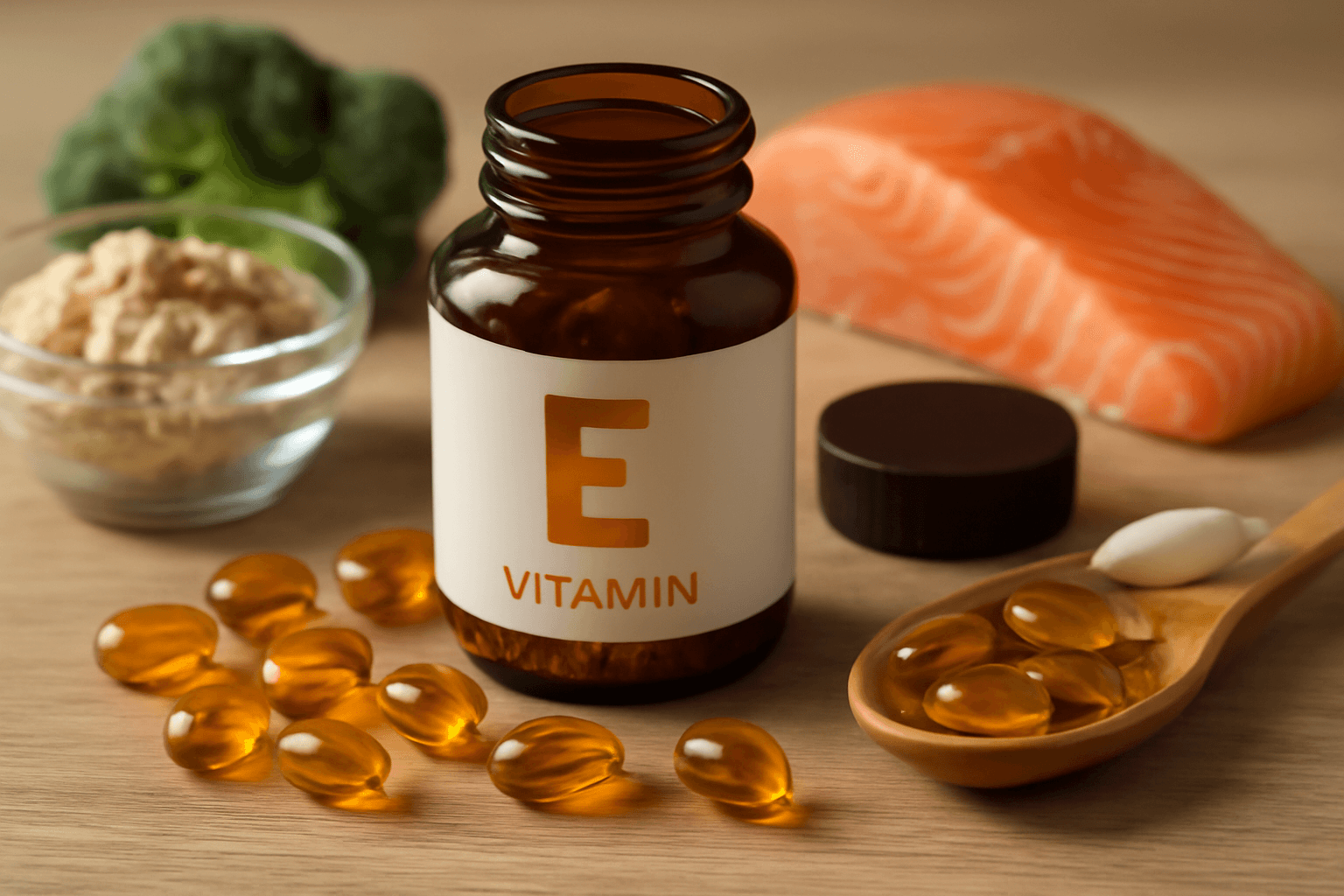
Vitamin E prevents skin lipids (oils) from oxidizing. When sebum oxidizes, 'oxidized lipids' form, a substance that causes acne, and vitamin E effectively blocks this. Additionally, both components accelerate skin recovery after UV damage, making them especially important during seasons with high sun exposure.
- Daily recommended amount (teenagers): Selenium 40-55mcg, vitamin E 11-15mg
- Food sources - Selenium: Brazil nuts (96mcg per nut, which is excessive), eggs, tuna
- Food sources - Vitamin E: Sunflower seeds, almonds, spinach, olive oil
- Synergistic effect: Taking selenium with vitamin C and E together increases antioxidant efficiency by 80%
- Warning: Long-term intake of vitamin E over 1,000 IU daily may inhibit blood clotting
Additional: Probiotics and Skin Health
Recent research has revealed the deep connection between gut health and skin health. Gut microbiota imbalance (dysbiosis) increases intestinal permeability, allowing bacterial toxins to enter the bloodstream, leading to systemic inflammation and acne.
When teenagers overuse antibiotics or maintain a high-fat, high-sugar diet, beneficial bacteria decrease. Probiotic intake helps restore this balance. In clinical studies, teenagers who took probiotics containing Lactobacillus and Bifidobacterium for 12 weeks showed an average 51% reduction in acne lesions, with particularly notable effects in the severe acne group.
- Effective strains: Lactobacillus rhamnosus GG, Bifidobacterium longum
- Food sources: Unsweetened yogurt, kimchi, miso, tempeh
- How to take: Space at least 2 hours apart from antibiotic intake
Summary: Key Nutrients for Teenage Skin Health
Teenage skin health has limitations with external care alone. Five key nutrients—zinc, chromium, vitamin B6, selenium, and vitamin E—improve acne through different mechanisms including hormone balance, blood sugar regulation, antioxidant action, and skin regeneration.
Action strategy: First, add omega-3 foods (fish, nuts) to your diet. Second, reduce refined carbohydrates to stabilize blood sugar. Third, supplement missing micronutrients with supplements. When these three steps are carried out simultaneously, noticeable skin improvement effects appear within 4-8 weeks.
Individual differences: Teenage bodies have varying nutritional needs depending on different variables (gender, exercise intensity, stress level, menstrual cycle). In particular, female students' need for iron, B6, and magnesium increases by over 30% depending on their menstrual cycle.
Always remember: Nutrient supplementation must be based on continuous dietary improvement, and if you have serious skin conditions or are taking certain medications, you must consult with a dermatologist or nutritionist before starting.