Stomach upset is a digestive discomfort that modern people experience frequently. Various causes, such as stress, irregular eating habits, and hormonal changes, work together to trigger symptoms like abdominal discomfort, gas, and delayed digestion. Fortunately, you can improve digestive function and relieve stomach upset by using natural foods and supplements. Ginger, peppermint, and fennel are ingredients traditionally used for digestive health, while digestive enzyme supplements promote food breakdown. This article will introduce 5 effective methods to relieve stomach upset and foods to avoid.
1. Ginger - A Natural Choice for Promoting Digestion
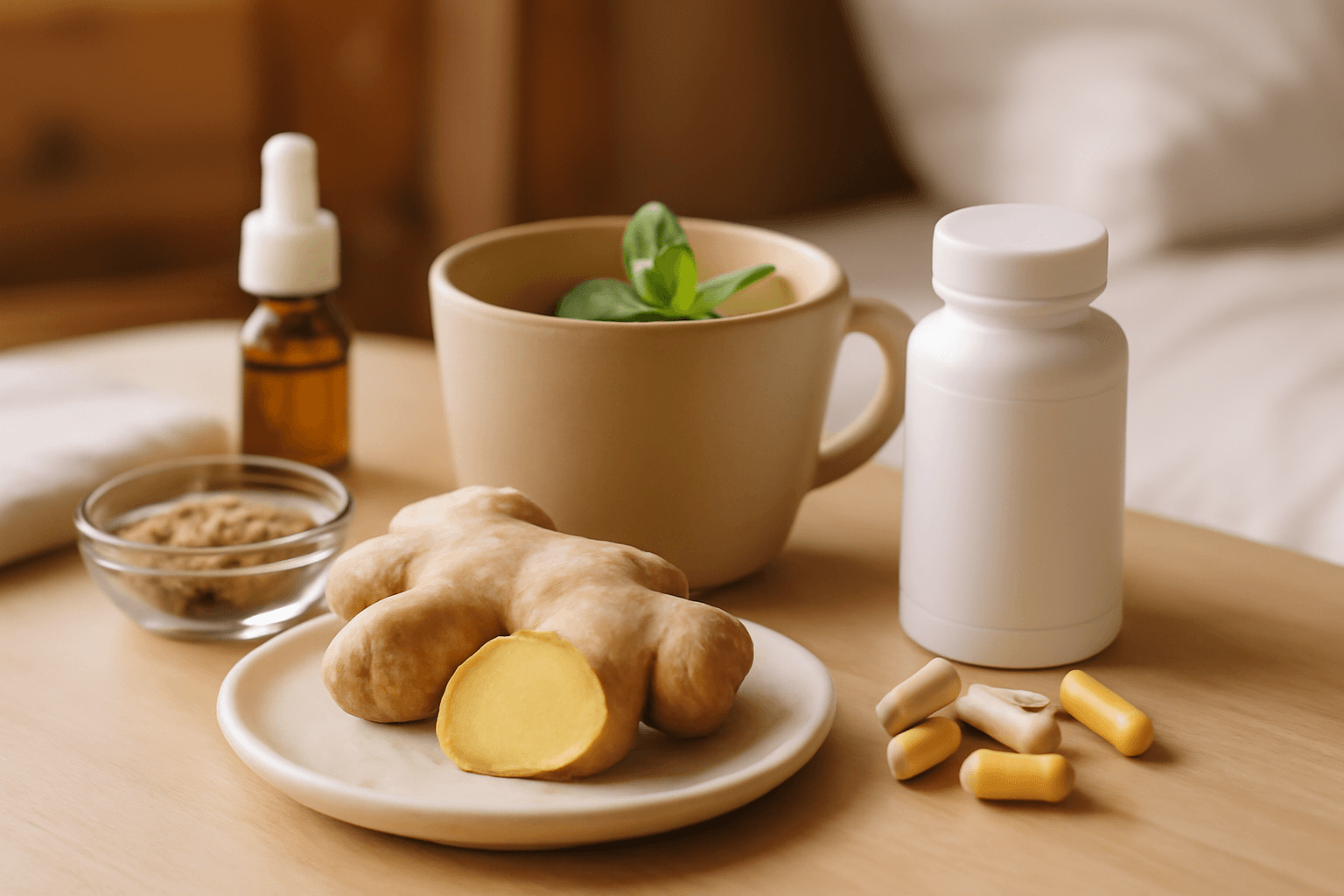
Ginger has been used for thousands of years in Asian traditional medicine as a key ingredient to resolve digestive discomfort. Active compounds in ginger, gingerol and shogaol, stimulate the contraction of stomach muscles, helping food pass through the digestive tract more efficiently.
According to a study published in the International Journal of Pharmacology in 2015, subjects who consumed ginger extract experienced a 25% improvement in gastric emptying rate and reduced digestive-related discomfort. Ginger doesn't just aid digestion—it also reduces inflammation in the stomach and provides antioxidant effects, improving overall gut health.
How to use ginger:
- Make ginger tea by adding 1-2cm of fresh ginger to boiling water (2-3 times daily)
- Add minced ginger or ginger powder when cooking
- Ginger supplements (1000-2000mg daily, taken after meals)
- Chew ginger candy or lozenges
However, if you're taking blood thinners or have gallstones, consult with a healthcare professional before consuming large amounts of ginger. Pregnant women should also avoid excessive consumption.
2. Peppermint - Powerful Effectiveness in Relieving Cramping
Menthol, a compound found in peppermint, is very effective at relaxing smooth muscles in the digestive tract to relieve cramping and pain. In a meta-analysis of irritable bowel syndrome (IBS) patients, peppermint oil supplements achieved symptom improvement in approximately 58% of cases.
Peppermint works by blocking calcium channels to reduce muscle spasms while simultaneously inhibiting pain signal transmission through visceral nerves. This rapidly alleviates abdominal bloating and discomfort, and is particularly effective for stress-related digestive discomfort.
How to use peppermint:
- Peppermint tea (fresh leaves or tea bags, 3 times daily)
- Enteric-coated peppermint oil capsules (0.2-0.4ml, 3 times daily)
- Massage peppermint essential oil on the abdomen (must be diluted with coconut oil or similar)
Caution: Consuming non-enteric-coated peppermint oil directly can actually worsen acid reflux symptoms. If you have acid reflux, consult your doctor before using peppermint.
3. Fennel - The Solution for Gas and Bloating
Fennel seeds have long been used as a digestive aid in Indian, Middle Eastern, and European cuisine. The essential oil compounds in fennel inhibit gas production in the intestines and regulate large intestine motility to reduce bloating.
In a 2016 Ayurvedic medicine study, fennel extract reduced abdominal bloating symptoms by 65% in just four weeks. Fennel also acts as a prebiotic by promoting the growth of beneficial bacteria, improving the microbial balance in the gut. It is particularly helpful for women experiencing digestive problems from hormonal changes.
How to use fennel:
- Fennel seed tea (steep 1 teaspoon of seeds in boiled water for 10 minutes, drink after meals)
- Chew fennel seeds directly (1 small spoonful after meals)
- Fennel extract supplements (75-300mg, 2-3 times daily)
- Add fennel seeds or leaves to cooking
Fennel is generally safe, but if you have estrogen-sensitive tumors, consult with a healthcare professional. If you're breastfeeding, avoid large amounts of fennel.
4. Digestive Enzymes - Biochemical Support for Food Breakdown
Digestive enzyme supplements break down food into smaller molecules, facilitating absorption in the small intestine. These enzymes—protease (protein), amylase (carbohydrates), and lipase (fats)—naturally decrease with age, causing digestive discomfort.
In a 2014 study published in the American Journal of Gastroenterology, the group taking digestive enzyme supplements experienced a 56% reduction in stomach discomfort and 47% reduction in bloating. These supplements are particularly effective for people who consume large amounts of fatty foods, dairy products, and meat. Enzymes work most effectively when consumed with food.
Guidelines for choosing digestive enzyme supplements:
- Verify a diverse enzyme spectrum (including protease, amylase, and lipase)
- Take during or immediately after meals
- Choose cold-processed products (to maintain enzyme activity)
- Select products suited to your individual diet type
Caution: If you have gastroenteritis or inflammatory bowel disease, highly concentrated digestive enzymes can worsen symptoms, so you must consult your doctor. Additionally, long-term use of digestive enzyme supplements can reduce your body's own enzyme secretion capacity, so use them only when necessary.
5. Avoiding Foods That Trigger Stomach Upset - Prevention is the Best Treatment
To truly relieve stomach upset, identifying and avoiding foods that trigger symptoms is the fundamental solution. Not everyone reacts to the same foods, but there are common foods that generally worsen stomach upset.
Major foods that trigger stomach upset:
- Fatty foods: French fries, butter, fatty meats—they take longer to digest and delay intestinal motility
- Caffeine: Coffee, chocolate, energy drinks—they increase stomach acid production and overstimulate intestinal motility
- Acidic foods: Tomatoes, oranges, wine—they trigger acid reflux
- Dairy products: Whole milk, cheese, ice cream—they cause bloating if you have lactose intolerance
- Legumes: Black beans, lentils—complex carbohydrates increase gas production
- Cruciferous vegetables: Broccoli, cabbage, cauliflower—they cause fullness and gas
- Artificial sweeteners: Sorbitol, xylitol—osmotic effects can cause diarrhea
- Processed foods: High-fat processed foods, excessive salt—they increase inflammation
Keeping a food diary is effective for identifying your food reactions. By recording when you eat certain foods and when symptoms appear, you can accurately identify your personal triggers for stomach upset. Stress and lack of sleep also impair digestive function, so meditation, yoga, and adequate rest are also important.
6. Summary - An Integrated Approach to Relieving Stomach Upset
Since stomach upset has multiple causes, an integrated approach is more effective than a single solution.
Key summary:
- Ginger: A science-based digestive promoter that improves gastric emptying rate by 25%
- Peppermint: A natural antispasmodic that relieves intestinal cramping and improves IBS symptoms by 58%
- Fennel: A prebiotic that reduces intestinal gas and bloating by 65%
- Digestive enzymes: Improve food breakdown efficiency, reducing stomach discomfort by 56% and bloating by 47%
- Avoiding trigger foods: Prevent symptom recurrence by identifying your individual reactions
Most of these natural foods and supplements are safe, but if you're taking specific medications or have underlying health conditions, you must consult with a healthcare professional. If symptoms persist or worsen for more than two weeks, see your doctor to rule out more serious digestive diseases. The wisest approach to relieving stomach upset is to view it not just as short-term symptom relief, but as long-term digestive health improvement.