Foods That Disrupt Sleep: Why You Should Avoid Them in the Evening
Modern sleep issues are more serious than you might think. According to the 2022 National Health and Nutrition Survey by the Korea Disease Control and Prevention Agency, 1 in 5 Koreans suffers from sleep deprivation, with a significant portion related to food choices. The foods we eat do more than just provide nutrition; they directly affect our sleep quality. Foods consumed late in the evening can disrupt the body's circadian rhythm and keep the brain awake due to the energy expenditure involved in digestion.
In this article, we will introduce five foods that hinder deep sleep based on scientific evidence, discuss how each food affects sleep, and explore alternatives.
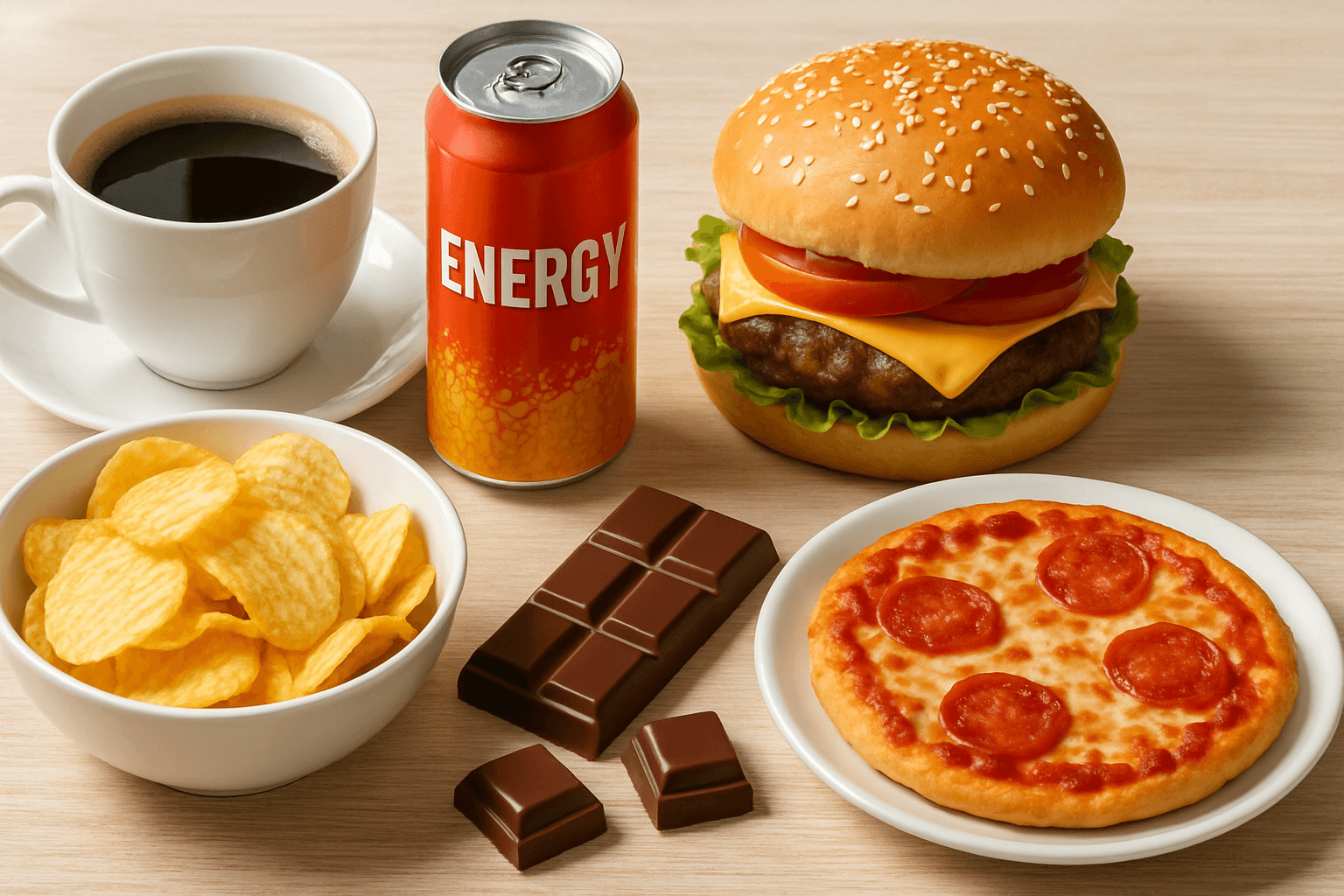
1. Caffeine-Rich Foods: Coffee, Chocolate, Energy Drinks
Caffeine is the biggest enemy of sleep. The half-life of caffeine is about 5 hours, meaning that half of the coffee consumed at 3 PM can still be in your system by 8 PM. Koreans consume about 2.8 kg of coffee annually (according to the International Coffee Organization), which is higher than the global average.
Caffeine blocks adenosine receptors in the brain, disrupting signals of drowsiness. Research from the American Academy of Sleep Medicine indicates that caffeine intake after 2 PM delays sleep onset by an average of more than 45 minutes. Additionally, caffeine reduces the duration of deep sleep (REM sleep), increasing fatigue the next day.
- Coffee: Contains about 150-200mg of caffeine in a cup (250ml) of Americano
- Chocolate: Contains about 12-26mg of caffeine in 100g of dark chocolate
- Energy Drinks: Contains about 80-160mg of caffeine in a can (250ml)
- Green Tea: Contains about 25-50mg of caffeine in a cup (200ml)
Evening Alternatives: It is best to completely stop caffeine intake after 3 PM. Instead, choose caffeine-free beverages like rooibos tea, Korean barley tea, or corn silk tea. These options also provide a calming effect due to their warmth.
2. Spicy and Greasy Foods
Spicy and greasy foods commonly found in Korean dinners can cause gastroesophageal reflux and digestive discomfort. According to research from the Korean Society of Food Science, spicy foods stimulate gastric acid secretion, causing discomfort for about 2-3 hours.
Greasy foods take longer to digest. High-fat foods can remain in the stomach for over 4 hours, leading to continuous digestive activity. This prevents the body from entering rest mode and disrupts deep sleep. Foods like chicken, pizza, and ramen, which are often consumed as late-night snacks, are the worst combinations.
- Effects of Spicy Foods: Increased gastric acid secretion, risk of reflux during sleep
- Effects of Greasy Foods: Extended digestion time (3-4 hours), abdominal discomfort
- Examples of High-Fat Foods: Chicken (about 18g of fat per 100g), pork belly (about 30g of fat per 100g), ramen (about 20-25g of fat per bowl)
Evening Alternatives: Choose easily digestible, protein-rich foods like grilled white fish (such as sea bream or flounder), chicken breast, or tofu around 6-7 PM. It is also advisable to include side dishes that are less stimulating, such as soybean paste soup or vegetable side dishes.
3. Excessive Sugars and Refined Carbohydrates
Consuming sweet foods or refined carbohydrates like white rice and bread late at night causes blood sugar levels to spike and then crash. These fluctuations stimulate the release of adrenaline and cortisol, keeping you alert.
Research from the American Journal of Clinical Nutrition indicates that consuming high glycemic index (GI) foods after 10 PM shortens sleep latency by an average of 58 minutes. Additionally, excessive sugars negatively affect the body's production of serotonin and melatonin.
Convenience store meals (about 50-80g of carbohydrates), red bean bread (about 50g of carbohydrates), and chocolate cookies (about 60-80g of carbohydrates) are particularly common late-night snacks that should be avoided.
- High Glycemic Index (GI) Foods: White rice, bread, popcorn, snacks, ice cream
- Blood Sugar Fluctuations from Late-Night Snacks: Peaks within 40-60 minutes followed by a sharp drop
- Reduced Sleep Duration: Average decrease of 45-60 minutes in deep sleep when consuming high GI foods
Evening Alternatives: Choose low glycemic index (GI) foods like sweet potatoes, oats, brown rice, and whole grain bread. These foods raise blood sugar levels slowly, helping maintain stability and supporting melatonin production. It is recommended to have a light meal with sufficient protein, around 1 serving, after 7 PM.
4. Alcohol and Acidic Foods
Many people mistakenly believe that alcohol helps with sleep, but this is a significant misconception. While alcohol may initially provide a calming effect, it produces stimulating substances during metabolism that seriously degrade sleep quality. According to data from the Korean Alcoholism Management Center, evening alcohol consumption reduces REM sleep (the dream phase) by 30-50%.
Additionally, alcohol can lead to nocturia due to its diuretic effects. Research shows that Korean men wake up 3-4 times on average during the night, with a significant portion related to alcohol consumption.
Acidic foods (such as tomatoes, oranges, and grape juice) stimulate gastric acid secretion, worsening gastroesophageal reflux. Consuming these foods late at night increases the likelihood of acid refluxing into the esophagus while lying down.
- Effects of Alcohol: 30-50% reduction in REM sleep, increase in nocturia by 3-4 times
- Examples of Acidic Foods: Orange juice (pH 3.5), tomatoes (pH 4.3), wine (pH 3.8)
- Sleep Delay After Drinking: Average of 30-60 minutes
Evening Alternatives: Avoid drinking alcohol after 7 PM, and if you go out, finish drinking at least 3 hours before bedtime. When thirsty, opt for warm water, milk, or unsweetened soy milk. Choose neutral pH fruits like bananas and strawberries instead of acidic foods.
5. High-Protein Dinner and Overeating
Protein is essential for our bodies, but excessive protein intake can disrupt sleep. Consuming high-protein foods like steak, abalone, or grilled shrimp late at night can lead to significant energy expenditure during digestion.
According to research from the Korean Nutrition Society, protein intake at dinner should be within 30% of the daily recommended amount (about 15-20g). Exceeding this can activate the body's nervous system, making it difficult to reach the deep sleep stage (N3 stage).
Moreover, 'overeating' is a hidden factor that disrupts sleep. Foods consumed excessively to feel full can cause bloating, leading to uncomfortable sleeping positions and increasing the risk of sleep apnea.
- Appropriate Protein Intake for Dinner: About 15-20g (1 egg or 1/3 block of tofu)
- Digestion Time for High-Protein Foods: More than 3-4 hours
- Changes in Sleep Stages Due to Overeating: 20-30% reduction in N3 (deep sleep) time
Evening Alternatives: Complete a proper meal before 7 PM, and avoid snacks after 9 PM. If you feel hungry, choose light protein options like warm milk (about 150ml, 5g of protein) or Greek yogurt (about 100g, 10g of protein).
How to Structure Your Dinner for Better Sleep
To achieve deep sleep, it is important not only to avoid bad foods but also to construct a proper diet.
Principles for an Ideal Dinner:
- Timing: Finish dinner 3 hours before bedtime (e.g., if you sleep at 10 PM, finish by 7 PM)
- Calories: Aim for 25-30% of daily total calories (about 500-700kcal)
- Protein: Include 15-20g (from fish, eggs, tofu, etc.)
- Carbohydrates: 40-50g from low glycemic index (GI) foods (brown rice, sweet potatoes, etc.)
- Fats: Less than 5-10g (use light cooking methods)
- Dietary Fiber: 5-8g (from vegetables and fruits)
Specific Dinner Example:
"One bowl of rice (mixed brown rice or barley, about 150g) + grilled white fish (about 100g) + spinach side dish (about 60g) + tofu seaweed soup (about 150ml) + diced radish (about 30g)"
This combination provides about 550kcal, 25g of protein, and 45g of carbohydrates, all of which are easy to digest.
Post-Dinner Sleep Management Tips
Just as important as food choices is how you manage your life after meals.
- After 7 PM: Drink water freely, but completely stop caffeine beverages
- After 8 PM: Engage in light walking or stretching to promote digestion
- After 9 PM: Start using a blue light blocking filter on your smartphone
- 30 Minutes Before Bed: Take a warm shower to lower body temperature
- Bedroom Environment: Maintain a dark environment with a temperature of 16-19°C and light levels of 0-5 lux
Summary: Key Guide for a Sleep-Friendly Dinner
Good sleep is essential for a healthy life in modern society. According to the National Health and Nutrition Survey in Korea, the medical costs associated with sleep deprivation are estimated to be around 15 trillion won annually, highlighting the importance of personal health management.
Five Key Points to Remember:
- Avoid caffeine after 3 PM. The caffeine in coffee, chocolate, and energy drinks can stay in your system for up to 5 hours, disrupting deep sleep.
- Avoid spicy and greasy foods. These take 3-4 hours to digest and can cause gastric reflux.
- Avoid refined carbohydrates and simple sugars. Blood sugar fluctuations can trigger the release of alertness hormones, disrupting sleep.
- Avoid alcohol and acidic foods. Alcohol seriously degrades sleep quality and can lead to nocturia.
- Consume a proper amount of low-stimulus foods 3 hours before bed. A meal of about 500-700kcal is sufficient 3 hours before sleep.
Good sleep is the greatest investment that cannot be replaced with medication. Starting today, review your dinner choices and avoid the five foods mentioned above to experience deeper and more restful sleep. Regular and proper eating habits are the simplest and most powerful way to protect your physical and mental health.