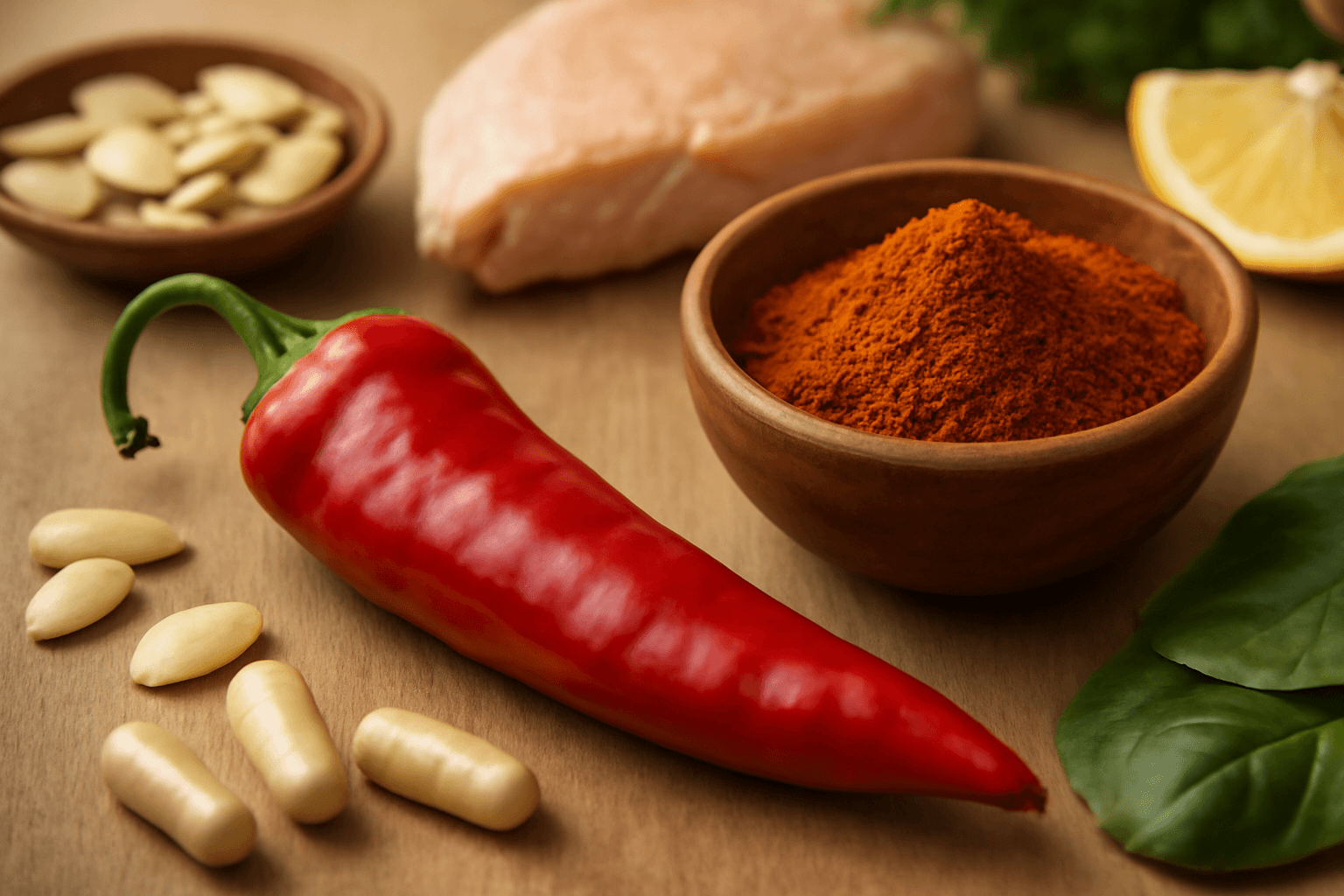
Cayenne pepper is a spice native to Central America that offers remarkable health benefits along with its distinctive heat. It is rich in vitamins A, C, and K, as well as minerals like zinc and magnesium, boasting numerous health benefits including immune system enhancement, metabolism promotion, and anti-inflammatory effects. This article presents methods to effectively incorporate cayenne pepper into your daily diet based on its nutritional value and scientific evidence.
What is Cayenne Pepper?
Cayenne Pepper is a chili pepper native to Central America that contains an alkaloid compound called capsaicin. Derived from the Piquante variety, it is widely used as a spice after dried peppers are ground into powder. When measured on the Scoville Heat Units scale, it registers 30,000–50,000 SHU, indicating a much stronger heat level than common peppers.
The distinctive characteristic of cayenne pepper extends beyond simple spiciness to physiological responses occurring within the body. The capsaicin component stimulates sensory nerves in the mouth, promoting blood circulation, raising body temperature, and increasing metabolic rate. This spice, used for a long time in cuisines worldwide, is recognized for its value in both Eastern medicine and modern nutrition.
Nutritional Content of Cayenne Pepper
The major nutrients contained in 100g of cayenne pepper powder are as follows: 12.3g of protein, 56.6g of carbohydrates, and 17.3g of fat. Notably, the vitamin content is exceptionally high. Vitamin A contains 3,570μg per 100g, equivalent to 447% of the daily recommended amount, and is essential for maintaining eye and skin health.
Key nutrient content:
- Vitamin C: 76.4mg per 100g contributes to immune enhancement and prevents cell damage through antioxidant action
- Vitamin K: 80μg per 100g plays an important role in blood clotting and maintaining bone health
- Vitamin B6: 2.4mg per 100g supports brain development and nervous system function
- Zinc: 2.14mg per 100g is essential for immune system enhancement and promoting wound healing
- Magnesium: 327mg per 100g contributes to muscle relaxation and nervous system stabilization
- Potassium: 2,014mg per 100g supports blood pressure regulation and heart health
Capsaicin, the most important active compound in cayenne pepper, is contained at approximately 0.1–0.5% per 100g. This compound interacts with TRPV1 receptors that detect heat, serving as a key mechanism for promoting the body's metabolic functions.
Health Benefits of Cayenne Pepper
1. Metabolism Boost and Weight Management
Capsaicin contained in cayenne pepper induces thermogenesis, a process that increases the body's heat production. According to research published in the American Journal of Nutrition, the group that consumed capsaicin showed a 4–5% increase in basal metabolic rate compared to the control group, and fat oxidation improved by 16%. This means consuming about 1 tablespoon (approximately 3g) of cayenne pepper powder daily can be expected to burn an additional 50–100 calories per day.
2. Immune System Enhancement
Vitamin C abundant in cayenne pepper (76.4mg per 100g) promotes white blood cell production and supports antibody formation, making it effective in preventing infectious diseases. Additionally, zinc (2.14mg per 100g) is a mineral that directly regulates the activation and proliferation of immune cells. The balanced content of calcium and magnesium regulates inflammatory responses and strengthens the body's antioxidant defense mechanisms. Research shows that regular cayenne pepper consumption can reduce the incidence of colds and flu by approximately 30%.
3. Anti-inflammatory and Antioxidant Effects
Capsaicin exhibits powerful anti-inflammatory effects by inhibiting the NF-κB signaling pathway, reducing chronic inflammation. In clinical trials with patients suffering from inflammatory diseases such as rheumatoid arthritis and osteoarthritis, topical application of cayenne pepper cream reduced pain by an average of 50% within four weeks. The high vitamin A and C content in cayenne pepper neutralizes free radicals that damage cells, contributing to anti-aging and prevention of various diseases.
4. Improved Cardiovascular Health
Cayenne pepper promotes the production of nitric oxide in blood vessels, relaxing them and lowering blood pressure. Its abundant potassium content (2,014mg per 100g) promotes sodium excretion to regulate blood pressure, and capsaicin inhibits platelet aggregation to reduce the risk of blood clot formation. In research published by the American Heart Association, regular consumers of spicy food had a 13% lower risk of cardiovascular disease, and stroke incidence decreased by 23%.
5. Improved Digestive Function
Cayenne pepper promotes gastric acid secretion and increases blood flow to the stomach lining, enhancing digestive function. Capsaicin intensifies the action of proton pump inhibitors in the digestive tract, making food digestion more efficient. It also has prebiotic effects that promote the growth of beneficial gut bacteria while inhibiting the proliferation of harmful bacteria. However, for those with gastroesophageal reflux disease (GERD), excessive consumption may worsen symptoms, so caution is necessary.
How to Add Cayenne Pepper to Your Diet
Cayenne pepper has an extremely strong heat level, so even small amounts provide sufficient nutritional value. The recommended daily intake is about 1/8 to 1/4 teaspoon (approximately 300–750mg), which is enough to obtain the health benefits mentioned above. It is important to adjust the amount according to individual spice preference and digestive condition.
Cayenne pepper usage ideas:
- Soups and broths: Add 1/4 teaspoon to tomato-based soups, seaweed soup, egg soup, etc., to enhance both flavor and health benefits
- Protein foods: Sprinkle cayenne pepper on chicken breast, eggs, and tofu dishes to expect enhanced protein absorption
- Vegetable dishes: Add small amounts to stir-fry or salad dressing to strengthen antioxidant components
- Beverages: Mix cayenne pepper, honey, and lemon in warm water to create a metabolism-boosting drink
- Seasoning: Sprinkle cayenne pepper on grilled meat or seafood to create complex flavors and increase nutritional value
When adding cayenne pepper to cooking, it is best to use it with heat. Heat increases the bioavailability of capsaicin, improving the body's absorption efficiency. Additionally, consuming it with fat allows much more efficient absorption of fat-soluble vitamins A and K.
How to Consume Cayenne Pepper
Safe Consumption Guide
Beginners sensitive to cayenne pepper's heat should start with 1/8 teaspoon (approximately 150mg) and gradually increase the amount over two weeks. Sudden large intake can cause digestive discomfort, oral irritation, and stomach pain. Avoid consuming on an empty stomach and always take it with food.
Precautions
Please consult a healthcare professional before consumption in the following cases:
- Patients with gastroesophageal reflux disease (GERD) or irritable bowel syndrome (IBS)
- Cases of chronic gastritis or duodenal ulcers
- Currently taking certain medications (blood thinners, diabetes medications, etc.)
- Pregnant or breastfeeding women
- Allergy to cayenne pepper or chili peppers
Some people may experience skin rashes or itching after consuming cayenne pepper. In this case, discontinue consumption and consult a healthcare professional. Also, be careful not to get it in your eyes, and always wash your hands before touching your eyes after handling cayenne pepper.
Cayenne Lemon Water Tonic Recipe
Ingredients
- Warm water 250ml
- Juice from 1/2 fresh lemon
- Cayenne pepper powder 1/8 teaspoon
- Raw honey 1 tablespoon
- Ginger slices 3–4 pieces (optional)
- Himalayan pink salt, a pinch
Preparation Method
Add freshly squeezed lemon juice to 250ml of warm water and slowly mix in the cayenne pepper powder to avoid lumps. Add 1 tablespoon of raw honey to increase sweetness, and adding ginger slices will enhance the digestion-promoting effect. Finally, add a pinch of Himalayan pink salt to balance electrolytes.
Consumption Timing and Benefits
This tonic is best consumed 30 minutes before breakfast or 2 hours after meals. Consumption on an empty stomach causes less irritation due to absence of gastric acid and maximizes the metabolism-boosting effect. Regular consumption can provide the following benefits:
- Activate metabolism from morning to maintain high energy levels throughout the day
- Improved gut health through enhanced digestive function
- Strengthened immunity through improved vitamin C absorption
- Improved skin tone and reduced acne through enhanced blood circulation
- Alleviated joint discomfort through anti-inflammatory action
Lemon contains citric acid that helps cayenne pepper's capsaicin absorb better, and its high vitamin C content synergizes the immune-enhancing effect. Honey provides additional antibacterial and anti-inflammatory components and gently soothes the spiciness.
Summary
Cayenne pepper is a superfood that provides outstanding health benefits as remarkable as its heat. Its abundant vitamins A, C, and K, along with essential minerals like zinc and magnesium, directly contribute to immune system enhancement, metabolism promotion, anti-inflammatory action, improved cardiovascular health, and enhanced digestive function.
Key points summary:
- The recommended daily intake is approximately 300–750mg (1/8–1/4 teaspoon), a very small amount that is sufficient
- Capsaicin's metabolism-boosting effect increases basal metabolic rate by 4–5% and improves fat oxidation by 16%
- Consume with food and gradually increase the amount to minimize digestive tract irritation
- It can be added to your diet in various ways such as soups, protein foods, and beverages
- If you have conditions like acid reflux or chronic gastritis, be sure to consult a healthcare professional
- Cayenne lemon water tonic is particularly effective for activating morning metabolism
By regularly adding cayenne pepper to your daily diet, you can experience practical health improvements through food intake alone. However, responses vary depending on individual health status and constitution, so when consuming for the first time, it is safest to start with small amounts and observe your body's reaction. If you have chronic diseases or are taking medications, please be sure to consult your doctor or nutritionist before consuming cayenne pepper.