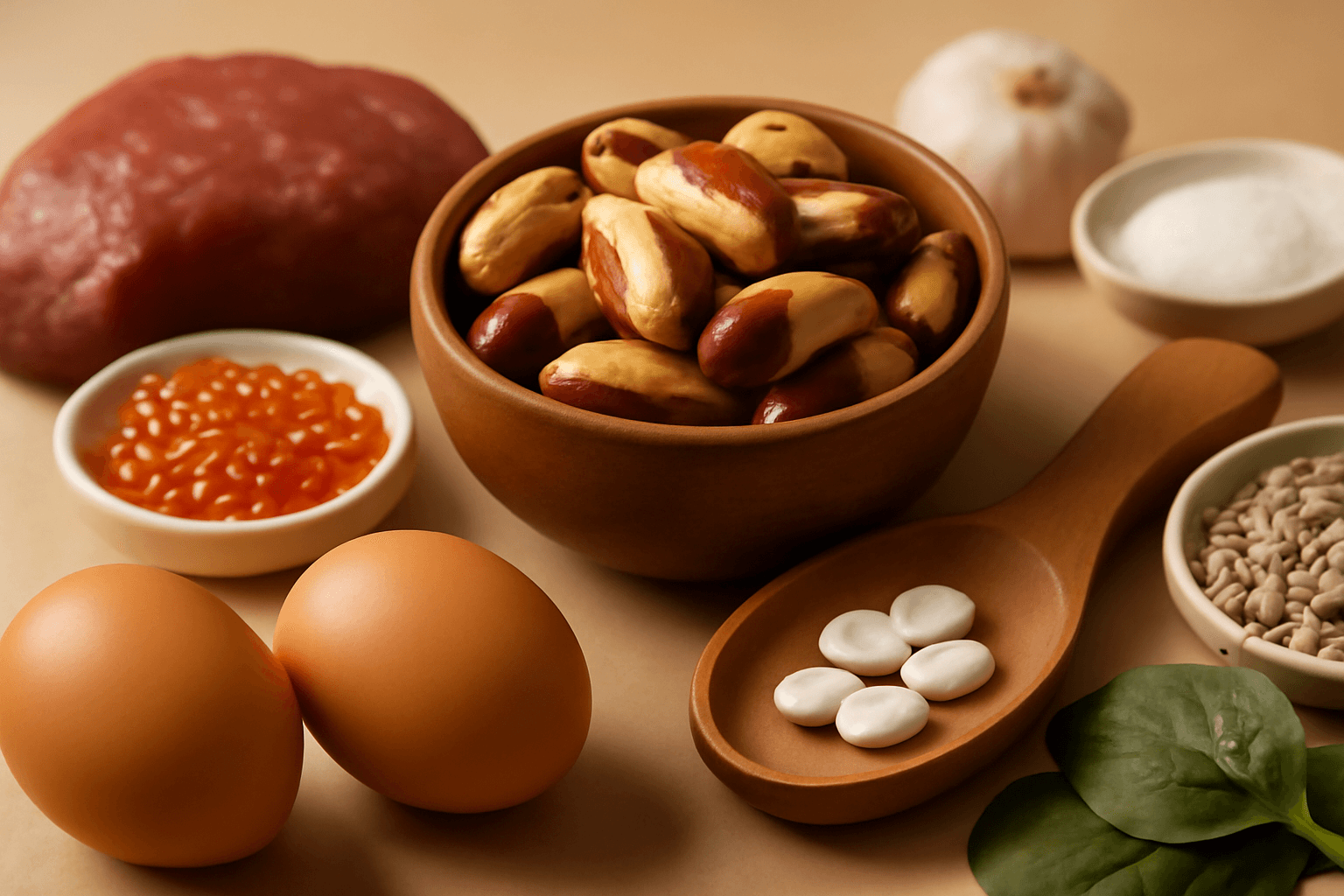
Many people in developing countries suffer from health problems caused by nutritional deficiencies. In particular, micronutrient deficiencies can lead far beyond fatigue to weakened immunity, delayed cognitive development, and various diseases. This article examines the five most common micronutrient deficiencies in developing countries, their health impacts, and practical solutions for improvement.
Nutritional Deficiency: Macronutrients vs. Micronutrients
Nutritional deficiencies fall into two major categories. Macronutrient deficiency refers to an overall calorie shortage resulting from inadequate carbohydrates, proteins, and fats. Micronutrient deficiency, on the other hand, is a condition where vitamins and minerals are lacking despite sufficient food intake. This is sometimes called "hidden hunger."
According to the World Health Organization (WHO), more than 2 billion people worldwide experience micronutrient deficiencies, with over 90% concentrated in developing countries. The reasons micronutrient deficiencies are so severe in developing countries include:
- Diet simplicity: Eating habits that rely primarily on single staple grains like rice and corn
- Lack of animal-based foods: Limited consumption of meat, dairy products, and eggs due to economic constraints
- Poor access to fresh vegetables: Shortage of nutrient-rich foods due to underdeveloped refrigerated distribution systems
- Frequent infections: Intestinal parasites, diarrheal diseases, and other infections that hinder nutrient absorption
1. Folate (Vitamin B9)
Folate is a B-complex vitamin essential for DNA synthesis and cell division. Approximately 30-40% of women in developing countries suffer from folate deficiency, which is particularly serious for women of childbearing age.
The health impacts of folate deficiency are more widespread than many realize. Inadequate folate in early pregnancy increases the risk of birth defects such as neural tube defects and spina bifida. In fact, countries that have implemented folate supplementation programs have reduced neural tube defect rates by up to 70%. In adults, folate deficiency causes megaloblastic anemia, leading to severe fatigue, shortness of breath, and cognitive decline.
Foods rich in folate include dark leafy greens (spinach, kale), lentils, chickpeas, asparagus, and broccoli. Since 50-95% of folate is lost during cooking, it's best to consume these foods lightly cooked or raw. In developing countries, food fortification policies that add folate to flour and rice have proven to be effective prevention methods.
2. Vitamin A
Vitamin A is a key nutrient for vision, immunity, and skin health. Approximately 2.5 million children in developing countries experience vision loss due to vitamin A deficiency, with over 500,000 progressing to complete blindness.
The specific symptoms of vitamin A deficiency develop in stages. Night blindness (reduced night vision) appears first and is the earliest sign of deficiency. As it progresses, corneal xerosis develops, and in severe cases, corneal ulceration and permanent blindness can follow. Additionally, immune system function deteriorates, reducing resistance to infections and increasing the frequency and severity of respiratory infections and diarrheal diseases.
Vitamin A exists in two forms: retinol found in animal-based foods and beta-carotene from plant-based foods. Retinol is abundant in liver, eggs, and milk, while beta-carotene is found in carrots, sweet potatoes, squash, spinach, mangoes, and papayas. Vitamin A supplementation campaigns targeting children are among the most efficient public health interventions in developing countries, reducing under-five mortality rates by 12-24%.
3. Iron
Iron deficiency anemia is the most common nutritional deficiency disease worldwide. Forty to fifty percent of pregnant women in developing countries suffer from iron deficiency anemia, and in some regions, this figure reaches 70%.
Iron deficiency occurs for reasons beyond simple inadequate intake. The iron in plant-based foods has low bioavailability. For example, iron from leafy greens has an absorption rate of only 2-3%, whereas iron from meat has an absorption rate of 15-35%. Additionally, intestinal parasitic infections (particularly hookworms), which are common in developing countries, cause chronic blood loss and exacerbate iron deficiency.
The health impacts of iron deficiency are serious. Fatigue, shortness of breath, and cognitive decline occur, and in pregnant women, premature birth, low birth weight, and maternal mortality rates increase. In children, learning ability and motor development are delayed. Good sources of iron include animal-based foods such as red meat, poultry, and fish. Plant-based foods can increase absorption rates when consumed with vitamin C. Iron-fortified flour and salt, along with systematic deworming programs, are effective interventions in developing countries.
4. Zinc
Zinc is an essential mineral for immune function, protein synthesis, and DNA replication. Approximately 17% of the population in developing countries suffers from zinc deficiency, and in some low-income areas, this exceeds 50%.
Understanding the multifaceted impact of zinc deficiency is important. When zinc is lacking, Th1 cell-mediated immune responses decline sharply, reducing the body's ability to defend against infections. Research shows that zinc-deficient children have respiratory infection rates more than three times higher, and infection duration is longer. Additionally, the frequency and duration of diarrheal disease increase, and the risk of malaria infection rises. Skin damage, hair loss, and growth failure are also common symptoms.
Zinc is found mainly in meat, seafood, nuts, seeds, and legumes. Plant-based food zinc has low bioavailability due to phytates, so processing methods such as fermentation, soaking, and sprouting improve absorption rates. Zinc supplementation has been proven effective in reducing childhood diarrhea and promoting growth, and the WHO recommends zinc supplementation for 10-14 days in acute diarrheal patients.
5. Iodine
Iodine is a key element in thyroid hormone synthesis, regulating metabolism and brain development. Approximately 1.8 billion people are at risk of iodine deficiency, and about 400 million children in developing countries suffer from iodine deficiency disorders.
The severity of iodine deficiency lies in the fact that it is a major preventable cause of brain damage. Iodine deficiency during pregnancy increases the risk of miscarriage, stillbirth, and birth defects. Iodine deficiency in infancy results in cretinism, characterized by severe intellectual disability, growth failure, hearing loss, and muscle rigidity. In children, goiter (enlargement of the thyroid), reduced learning ability, and attention deficit appear.
Iodine deficiency is frequent in developing countries because of low soil iodine content. Due to volcanic activity, glacial deposits, and iodine leaching through drinking water, some regions have almost no iodine remaining in their soil. Iodine sources include seafood, dairy products, and eggs, but accessibility is low in developing countries. The most effective solution is the use of iodized salt. The WHO aims to ensure that over 90% of the population has access to adequately iodized salt, and countries implementing this policy have nearly completely eliminated iodine deficiency disorders.
Summary
Micronutrient deficiency in developing countries is a public health crisis that extends beyond a simple health problem to affect generations. Folate, vitamin A, iron, zinc, and iodine are the five most common nutrient deficiencies in this region, each responsible for essential functions: neural development, vision, oxygen transport, immunity, and brain development, respectively.
Core solution strategies require a multifaceted approach. First, food fortification policies (adding essential nutrients to flour, rice, and salt) are cost-effective and can rapidly reach large populations. Second, it is important to provide nutrition education on how to construct balanced diets using local ingredients. Third, direct supplementation for specific populations (pregnant women, infants, school-age children) is effective in immediately addressing deficiencies. Fourth, improvements in water safety and deworming programs enhance nutrient absorption.
Individually, consume a variety of colored vegetables, fruits, and protein foods within your means, and pay particular attention to nutrition management during pregnancy and lactation. If you experience chronic fatigue, frequent infections, or growth delays, be sure to consult a medical professional and undergo blood tests to confirm whether micronutrient deficiency is present.
Medical Notice: The information in this article is for general educational purposes and is not intended for diagnosing or treating individual nutritional status. If micronutrient deficiency is suspected or chronic health problems exist, consult a healthcare professional. Personalized nutritional assessment is especially essential for pregnant women, nursing mothers, children, and those with chronic conditions.