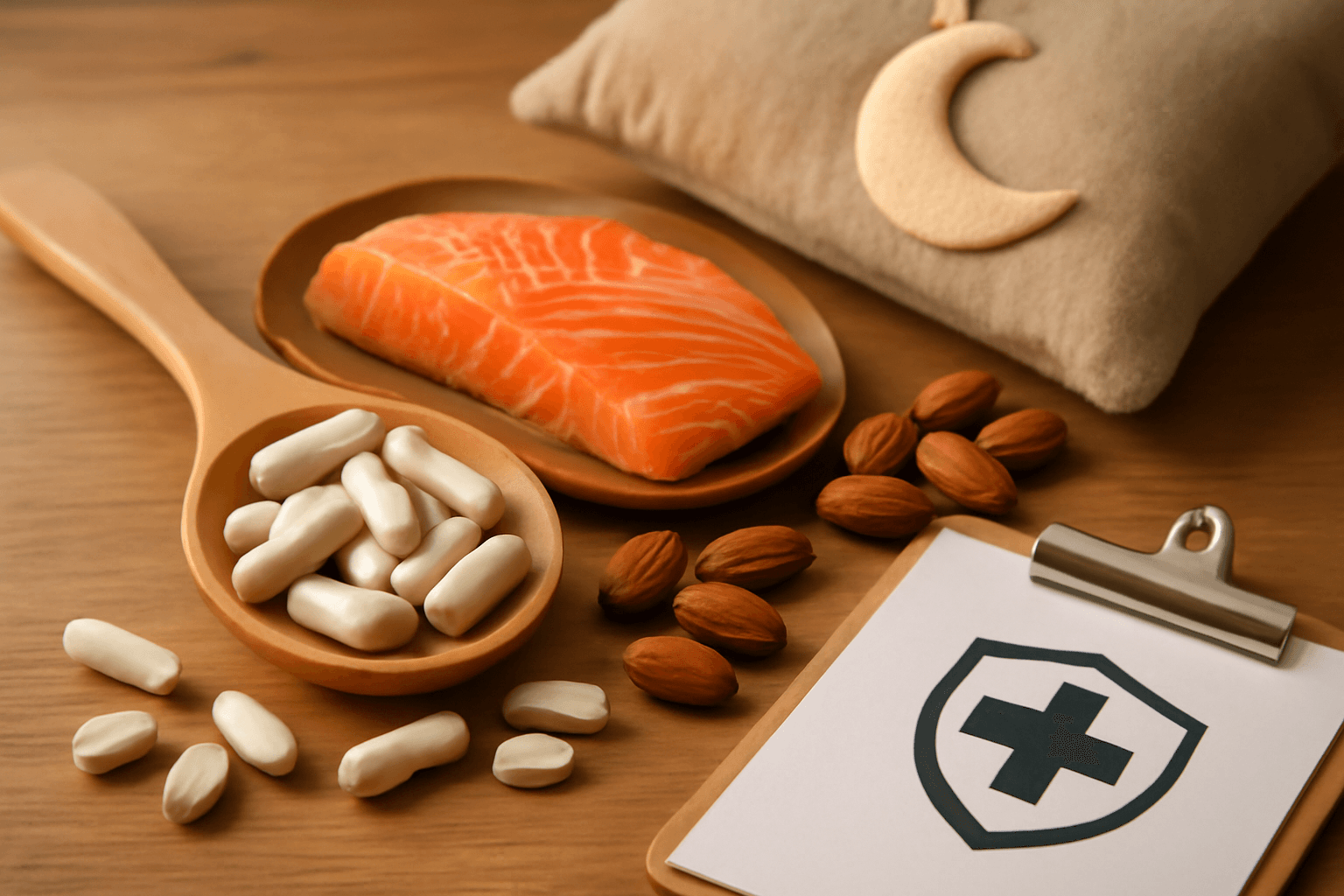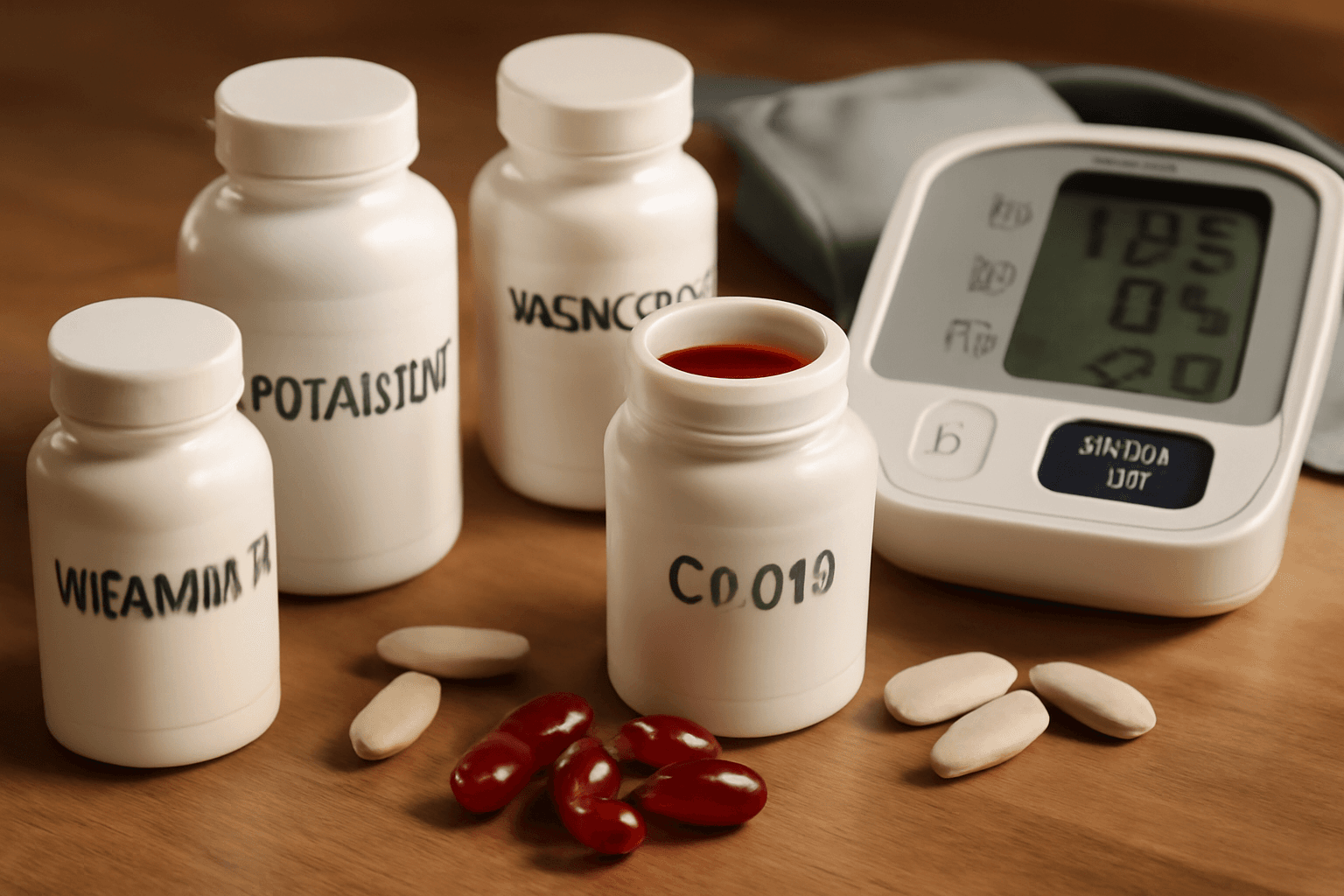
High blood pressure is a common condition affecting approximately 30% of South Korean adults. Along with medication, lifestyle improvements are crucial, and certain supplements can provide practical benefits for blood pressure management. In this article, we'll examine the causes and risks of hypertension and present five scientifically-backed supplements as natural methods for improving blood pressure.
What is High Blood Pressure?
High blood pressure refers to a condition where systolic blood pressure remains at 140mmHg or higher, or diastolic blood pressure remains at 90mmHg or higher. Normal blood pressure is below 120/80mmHg, while 120~139/80~89mmHg is classified as elevated normal.
The causes of high blood pressure are diverse. Genetic factors account for approximately 60%, but environmental factors such as excessive salt intake, obesity, stress, sleep deprivation, and lack of physical activity also play important roles. In particular, magnesium deficiency increases blood vessel constriction, directly leading to elevated blood pressure, and calcium deficiency also results in impaired vascular function.
Most hypertension patients don't experience initial symptoms, which is why it's called the "silent killer." This is why regular blood pressure monitoring and prevention are extremely important. Blood pressure management requires not only medication but also dietary improvements, exercise, stress management, and adequate sleep.
Complications of High Blood Pressure
Leaving high blood pressure untreated causes serious damage to multiple organs in the body. Persistent hypertension thickens blood vessel walls and reduces their elasticity, causing atherosclerosis, which can develop into fatal conditions such as stroke, heart attack, and kidney failure.
Specific complications include:
- Cerebrovascular disease: Stroke (cerebral infarction and intracerebral hemorrhage) occurs 4-6 times more frequently in hypertension patients. Damaged cerebral blood vessels can cause hemiplegia, speech disorders, and cognitive decline.
- Heart disease: Myocardial infarction is a major cause of death from hypertension. It can progress to left ventricular hypertrophy and heart failure.
- Kidney disease: High blood pressure damages the kidney's microvasculature, causing kidney failure similar to diabetic nephropathy.
- Eye disease: Risk of vision loss and blindness from retinopathy increases.
- Sexual dysfunction: Vascular damage can cause erectile dysfunction in men and sexual dysfunction in women.
To prevent these serious complications, blood pressure management from the beginning is extremely important. A comprehensive approach combining medication with nutritional supplements is necessary.
Five Supplements That Lower Blood Pressure
1. Magnesium
Magnesium is the most crucial mineral for blood pressure management. Magnesium in the body is responsible for relaxing vascular smooth muscles, and when deficient, blood vessels constrict and blood pressure rises. Research shows an inverse correlation: the higher the magnesium intake, the lower the blood pressure.
Effectiveness and Clinical Evidence: According to a 2016 meta-analysis by the American Nutrition Society, daily supplementation of 368mg of magnesium reduced systolic blood pressure by an average of 2-3mmHg and diastolic blood pressure by 1-2mmHg. The effect was particularly pronounced in hypertension patients.
Recommended Dosage and Intake Method:
- Daily recommended amount: Adult males 400-420mg, females 310-320mg
- For hypertension improvement, 300-400mg taken 1-2 times daily in divided doses
- Magnesium glycinate or malate forms with higher absorption rates are recommended
- Taking after dinner or one hour before sleep also provides improved sleep benefits
Dietary Sources: Abundant in almonds, pumpkin seeds, spinach, black beans, and avocados.
Precautions: Excessive intake (over 2000mg daily) can cause abdominal discomfort and diarrhea. If you have kidney disease, consult a doctor before taking supplements.
2. Vitamin D
Vitamin D is not merely a bone health nutrient. Vitamin D receptors exist on vascular endothelial cells, and deficiency impairs vascular function and increases inflammation, raising blood pressure.
Effectiveness and Clinical Evidence: Multiple epidemiological surveys found that people with low vitamin D levels (20ng/mL or below) had 30-40% higher hypertension incidence rates compared to those in the normal range (30ng/mL or above). A 2018 European Heart Association study showed that vitamin D supplementation reduced systolic blood pressure by 3-4mmHg, particularly in winter and those with limited outdoor activity.
Recommended Dosage and Intake Method:
- General daily recommended amount: 600-800IU (15-20mcg)
- Target blood serum level for hypertension management: 30-50ng/mL
- For hypertension patients, 1000-2000IU daily is recommended after consulting healthcare providers
- Absorption rate improves when taken with calcium
Natural Sunlight Exposure: Adequate vitamin D synthesis is possible through 20-30 minutes of midday sun exposure three times a week (varies by skin type and location).
Precautions: Excessive intake (over 4000IU daily for long-term use) can raise blood serum calcium, leading to kidney stones and vascular calcification.
3. Calcium
Calcium works with vitamin D to regulate vascular function and stabilize blood pressure. Calcium deficiency increases parathyroid hormone, causing blood vessel constriction and elevated blood pressure.
Effectiveness and Clinical Evidence: According to a 2019 meta-analysis by the International Hypertension Society, adequate calcium intake (1000mg or more daily) reduced systolic blood pressure by 3-5mmHg. Effects were maximized when combined with low-sodium diet and calcium supplementation.
Recommended Dosage and Intake Method:
- Adult daily recommended amount: 1000-1200mg
- Absorption rate decreases if more than 500mg is consumed at once, so divide into multiple servings
- Calcium citrate has higher absorption rate than calcium carbonate
- Synergistic effect when taken with vitamin D and magnesium
Dietary Sources: Abundant in low-fat milk, yogurt, cheese, sardines, broccoli, and kale.
Precautions: Over-supplementation (over 2000mg daily) can cause kidney stones, constipation, and reduced iron absorption. Consult healthcare providers if you have kidney disease or elevated blood serum calcium.
4. Vitamin B Complex (B6, B12, Folate)
B vitamins are important for lowering homocysteine levels. Homocysteine is an amino acid, and elevated levels promote blood vessel inflammation and atherosclerosis, triggering blood pressure elevation.
Effectiveness and Clinical Evidence: A 2017 American Heart Association study showed that folate (B9) supplementation reduced homocysteine levels, resulting in an average systolic blood pressure decrease of 4-5mmHg. B6 and B12 help improve vascular function and regulate stress hormones.
Recommended Dosage and Intake Method:
- Vitamin B6: 1.3-1.7mg/day
- Vitamin B12: 2.4mcg/day
- Folate (B9): 400mcg/day
- B complex supplements provide convenient intake
- Taking with breakfast also helps improve energy levels
Dietary Sources: Abundant in chicken breast, eggs, salmon, chickpeas, spinach, and asparagus.
Precautions: B12 deficiency is particularly common in elderly people and those with gastrointestinal surgery history, making supplementation more important for these groups.
5. Potassium
Potassium, along with sodium, regulates body fluid osmotic pressure and vascular function. Modern diets tend to be high in sodium and low in potassium, and this imbalance is a major cause of elevated blood pressure.
Effectiveness and Clinical Evidence: According to meta-analyses by the World Health Organization and hypertension societies (2020), adequate potassium intake (3500-4700mg daily) combined with sodium restriction reduced systolic blood pressure by 5-8mmHg and diastolic blood pressure by 2-4mmHg. Effects were most pronounced when the sodium-to-potassium ratio was improved.
Recommended Dosage and Intake Method:
- Adult daily recommended amount: 3500-4700mg
- Food sources are preferred over supplements
- Taking potassium supplements without medical guidance can be dangerous
- Very abundant in brown rice, sweet potatoes, bananas, avocados, spinach, and tomatoes
Precautions: Those with kidney disease, diabetes, or taking certain blood pressure medications such as ACE inhibitors should avoid potassium supplements. Excess potassium (hyperkalemia) can cause serious arrhythmias. Consult healthcare providers before taking supplements.
Conclusion: Comprehensive Blood Pressure Management Strategy
High blood pressure improvement is impossible with a single supplement. The five supplements above support medication therapy and assist lifestyle improvements.
Key Elements of Effective Blood Pressure Management:
- Practice low-sodium diet of 6g or less daily
- Moderate-intensity exercise for 150 minutes or more weekly
- Stress management and meditation (10-20 minutes daily)
- Adequate sleep (7-9 hours daily)
- Weight loss for overweight individuals (even 5-10% weight loss is effective)
- Regular blood pressure monitoring (twice weekly or more)
Additional Lifestyle Improvement Tips: Regulating stress hormones is also important for blood pressure management. Sleep deprivation leads to increased cortisol levels, causing blood pressure elevation. Combined with evening magnesium intake and maintaining regular sleep schedules, caffeine intake limited to 200mg daily or less helps stabilize blood pressure and improve immunity.
Consultation with Healthcare Providers: All supplements introduced above may vary in effectiveness and safety depending on individual health status, current medications, and underlying conditions. Particularly important is consulting healthcare providers before starting supplements if you have kidney disease, diabetes, are taking blood pressure medication, or if you are pregnant or nursing.
High blood pressure is a chronic condition requiring lifelong management, not a temporary symptom. Rather than relying solely on medication, combining the five supplements presented above with lifestyle improvements can stably lower blood pressure and prevent serious complications. Starting small changes today is the first step toward a healthier future.