As flu season approaches, strengthening immunity becomes a hot topic. Our body's immune system varies greatly depending on lifestyle habits, nutritional status, and mental state. In particular, during the autumn and winter transition periods, immunity tends to weaken due to sudden temperature changes. This article identifies the causes of weakened immunity and presents five practical strengthening methods to help you stay healthy during flu season.
Can Immunity Really Decline?
Immunity is not an absolute concept but a relative and fluctuating one. Our immune system is a complex system where multiple elements such as white blood cells, antibodies, and lymph nodes work together organically, and the efficiency of this system changes day by day. According to the World Health Organization (WHO) and various medical studies, immunity can fluctuate by 30-40% based on everyday lifestyle factors alone.
In particular, when sleep deprivation persists for two weeks, the activity of immune cells decreases significantly, and chronic stress suppresses immune responses by causing excessive cortisol hormone secretion. Additionally, when the gut microbiota ecosystem is unhealthy, the overall immune function declines because over 70% of the body's immune cells are distributed in the intestines. Therefore, weakened immunity is not an abstract concept but a measurable and improvable phenomenon.
Causes of Weakened Immunity
The reasons for decreased immunity are diverse and complex. Let's examine the main causes.
Stress and Hormone Imbalance: Acute stress is temporary, but chronic stress continuously elevates cortisol hormones, increasing immune-suppressing substances. This interferes with the differentiation of T cells and B cells and reduces antibody production.
Sleep Deprivation: During sleep, immune substances called cytokines are produced. Research shows that sleeping less than 6 hours for four consecutive days increases the risk of catching a cold by four times.
Deteriorating Digestive Health: When beneficial gut bacteria decrease, the intestinal barrier function weakens, allowing harmful substances to enter the bloodstream. This triggers chronic inflammation and weakens the immune system.
Nutritional Imbalance: Deficiencies in zinc, vitamin C, selenium, and omega-3 directly affect immune cell generation and activation.
Seasonal Temperature Changes: Rapid temperature fluctuations interfere with the body's homeostasis and weaken the defensive function of respiratory mucous membranes.
Signs of Weakened Immunity
The body sends several signals indicating weakened immunity. It's important to recognize these signals early.
- Frequent Colds: Catching a cold three or more times a year or having a cold that lasts more than two weeks
- Fatigue: Persistent fatigue and lethargy despite getting sufficient sleep
- Digestive Issues: Frequent diarrhea, constipation, or abdominal bloating
- Delayed Wound Healing: Minor wounds take a long time to heal or show signs of festering
- Skin Changes: Worsening of inflammatory skin conditions such as acne or eczema
- Mouth Ulcers: Frequent cold sores or oral ulcers
- Swollen Lymph Nodes: Frequent swelling of lymph nodes in the neck, armpits, or groin
- Worsening Allergies: Sudden intensification of seasonal allergy symptoms
Strengthening Immunity During Cold and Flu Season
Boosting immunity goes beyond simply taking supplements—it means improving your lifestyle overall. The following five methods are practical approaches based on scientific evidence.
1. Managing Stress to Reduce Immune Suppression
Cortisol, the stress hormone, is necessary at appropriate levels, but when maintained chronically at high levels, it directly attacks the immune system. According to Harvard Medical School research, a group that consistently practiced meditation for eight weeks showed significant increases in interferon-gamma levels, a substance that promotes immune responses.
Implementation Methods:
- Mindfulness Meditation: Practice for 10-15 minutes daily, in the morning or before bedtime. Focus on your breathing and observe passing thoughts without judgment.
- Progressive Muscle Relaxation: Repeat the process of tensing each muscle group from your feet to your head for five seconds, then releasing.
- Nature Activities: Go for walks in parks or forests 2-3 times per week for at least 20 minutes. Nature exposure reduces cortisol by 15-20%.
- Hobbies: Allocate three or more hours per week to enjoyable activities such as music, art, or reading.
- Social Connection: Meaningful time with family and friends is effective in reducing stress hormones.
With stress management, cumulative effects are more important than immediate results. You should maintain these practices for at least three weeks to experience bodily changes.
2. Boosting Immunity Through Adequate Sleep
Sleep is the immune system's most powerful reset button. During sleep, immune-enhancing cytokines such as interleukin-12 and gamma interferon are produced. These enhance antibody responses against infectious agents. According to Stanford University research, consistently sleeping less than seven hours increases the risk of catching a cold by more than three times.
Implementation Methods:
- Consistent Sleep Schedule: Go to bed and wake up at the same time daily, including weekends, to stabilize your body's circadian rhythm.
- Sleep Duration Goal: 7-9 hours for adults. Individual variations exist, so use feeling fully recovered as your guideline.
- Optimize Sleep Environment: Indoor temperature of 16-19°C, complete darkness, noise blocking.
- One Hour Before Bedtime: Block blue light (limit phone and computer use), take a warm bath.
- Evening Diet: Complete meals three hours before bed, avoid caffeine after 2 p.m.
- Melatonin-Rich Foods: Consume cherries, kiwis, and whole grains in the evening to naturally induce sleep.
While sleep improvement shows short-term effects, maintaining it for four weeks leads to noticeable improvements in immune-related blood markers.
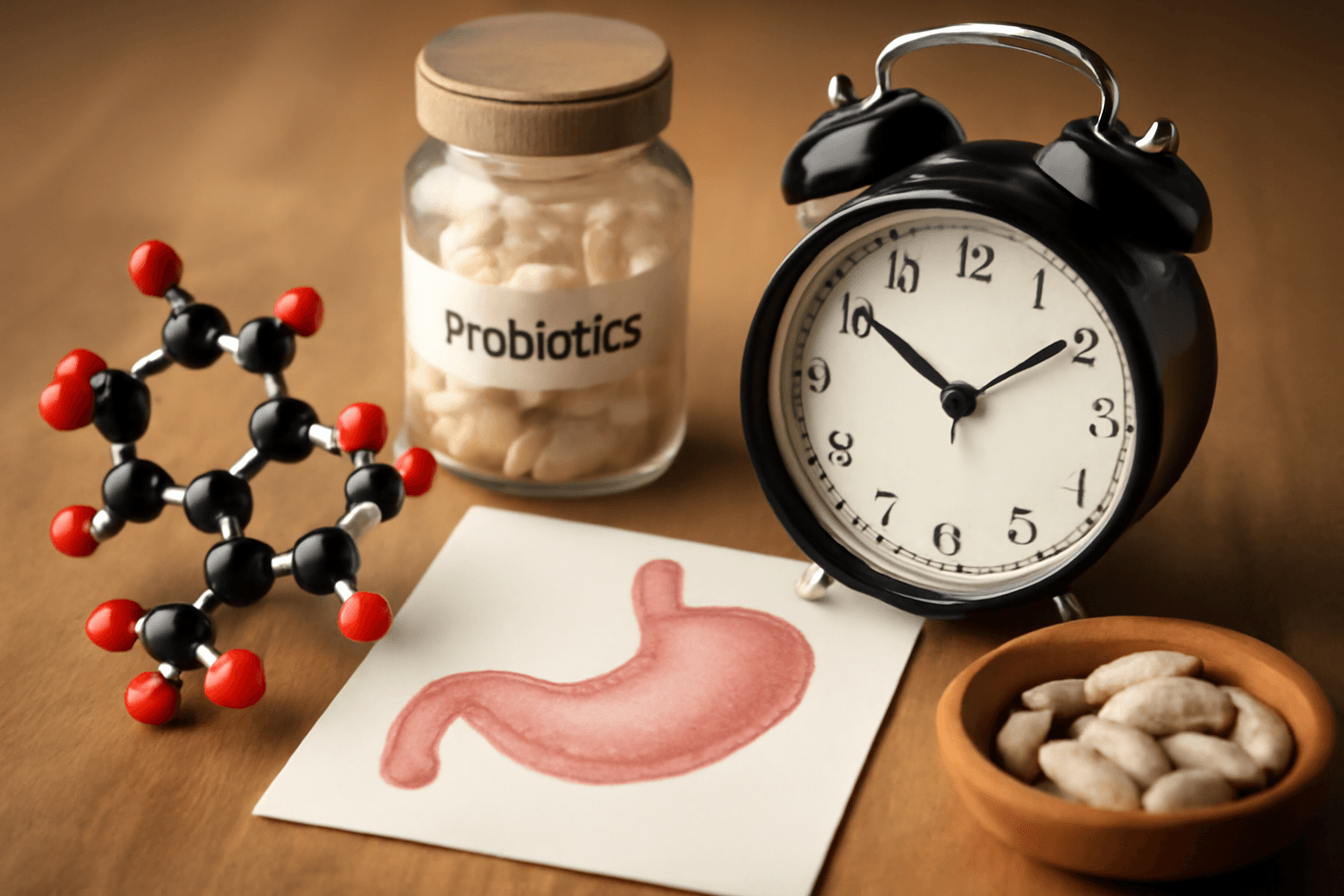
3. Improving Digestive Health and Probiotics
The gut is both a "second brain" and the "center of immunity." The gut microbiome strengthens the intestinal barrier where over 70% of the body's immune cells are concentrated and prevents harmful substances from penetrating. When beneficial gut bacteria are sufficient, our body can effectively recognize and eliminate pathogens.
Selecting and Consuming Probiotics:
- Fermented Foods: Yogurt (200ml daily), kimchi (as a side dish daily), miso soup (three times weekly), kefir
- Probiotic Supplements: Choose products with CFU counts of 1 billion or higher and enteric-coated formulations. Taking on an empty stomach increases absorption rates.
- Prebiotic Intake: Consume dietary fiber that serves as food for beneficial bacteria, such as onions, garlic, asparagus, and bananas.
- Diet Diversity: Consuming at least 30 different plant-based foods per week increases gut microbiota diversity.
Additional Tips for Digestive Health:
- Adequate water intake (2-3 liters daily)
- Thorough chewing during meals (at least 30 chews)
- Limit irritating and high-fat foods
- Enhance probiotic intake for at least two weeks after antibiotic use
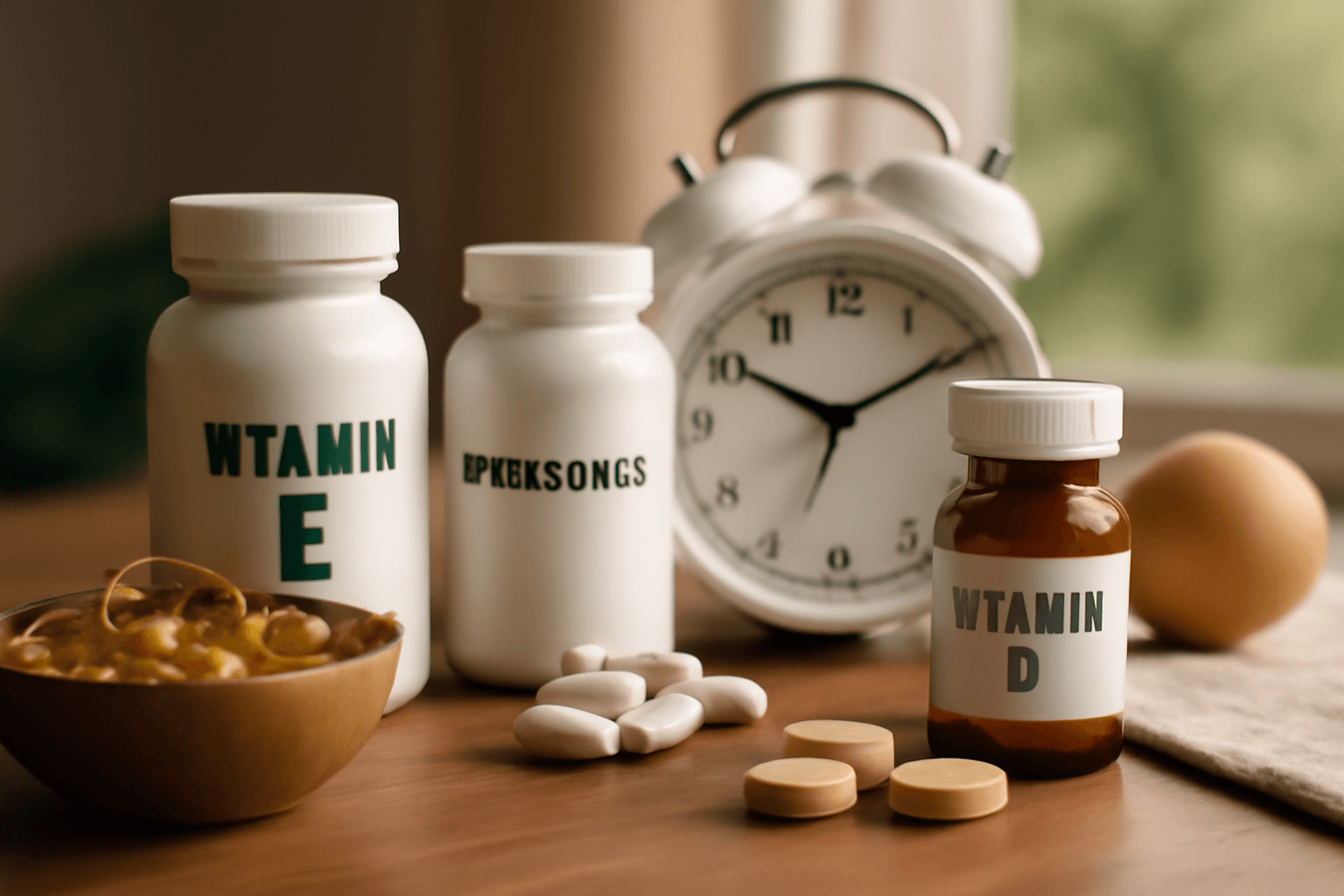
4. Appropriate Intake of Essential Nutrients
Certain nutrients are essential for the generation and activation of immune cells. They are often insufficient in a typical diet, requiring intentional supplementation.
Zinc: Plays a central role in the generation and activation of T cells and B cells. The recommended daily intake is 11mg for adult men and 8mg for women.
- Food Sources: Oysters (about 76mg in six raw oysters), beef (about 7mg per 100g), pumpkin seeds (about 2.2mg per 1 ounce), cashews (about 1.6mg per 1 ounce)
- Supplements: 20-30mg daily, consume with meals for increased absorption.
Vitamin C: Enhances immune cell function and provides antioxidant protection to boost resistance against infection. The recommended daily intake for adults is 75-90mg.
- Food Sources: Orange (about 70mg in a medium fruit), red bell pepper (about 150mg in half), kiwi (about 64mg per fruit), raw broccoli (about 89mg per cup)
- Supplements: Taking 500-1000mg daily at the onset of cold symptoms can shorten symptom duration.
Omega-3 Fatty Acids: Their anti-inflammatory properties help balance the immune system. The recommended daily intake is 1-2g.
- Food Sources: Salmon (about 2.3g per 100g), mackerel (about 2.2g per 100g), flaxseed (about 2.3g per tablespoon), walnuts (about 0.3g per nut)
- Supplements: Fish oil or algae-based products, selected after checking for rancidity.
Other Important Nutrients:
- Vitamin D: Prevents seasonal immune decline. Get sun exposure 2-3 times weekly for 10-30 minutes or take 600-2000 IU supplements daily.
- Selenium: A component of antioxidant enzymes. Brazil nuts (about 96mcg per nut), tuna, eggs
- Iron: Essential for immune cell generation. Red meat (about 2.6mg per 100g), spinach, lentils
5. Physical Activity and the Immune-Boosting Effects of Exercise
Regular exercise increases immunoglobulin A (IgA) levels, enhancing resistance to respiratory infections. Research shows that people who engage in moderate-intensity exercise for at least 150 minutes per week have a 50% lower infection rate.
Exercise Plan:
- Aerobic Exercise: Brisk walking, jogging, swimming (4-5 times weekly, 30-40 minutes per session)
- Strength Training: Light weightlifting, resistance band exercises (2-3 times weekly)
- Flexibility Exercise: Yoga, stretching (2-3 times weekly, 20-30 minutes per session)
Precautions: Excessive exercise can temporarily weaken immunity, so maintaining an appropriate exercise intensity is important. If you feel extreme fatigue, reduce your exercise intensity.
Summary
The key to strengthening immunity during flu season is comprehensive improvement of lifestyle habits, not a single factor. The best immune state is maintained when stress management, adequate sleep, improved digestive health, essential nutrient intake, and regular exercise all work together.
Implementation Strategy:
- Rather than starting everything simultaneously, begin with the most feasible item.
- Maintain each improvement for at least 3-4 weeks to observe bodily changes.
- Gradually add other items.
- Adjust in a customized manner according to individual physical condition and preferences.
Medical Disclaimer: The information in this article is provided as general health information and cannot replace medical diagnosis or treatment. Especially if you have chronic conditions or are taking medications, consult with your doctor or nutritionist before starting an immunity-boosting program. It is safe to receive personalized advice considering your individual health status and allergies.
To stay healthy this winter, start making small changes today. While immunity doesn't develop overnight, consistent effort and correct habits will certainly protect your health.