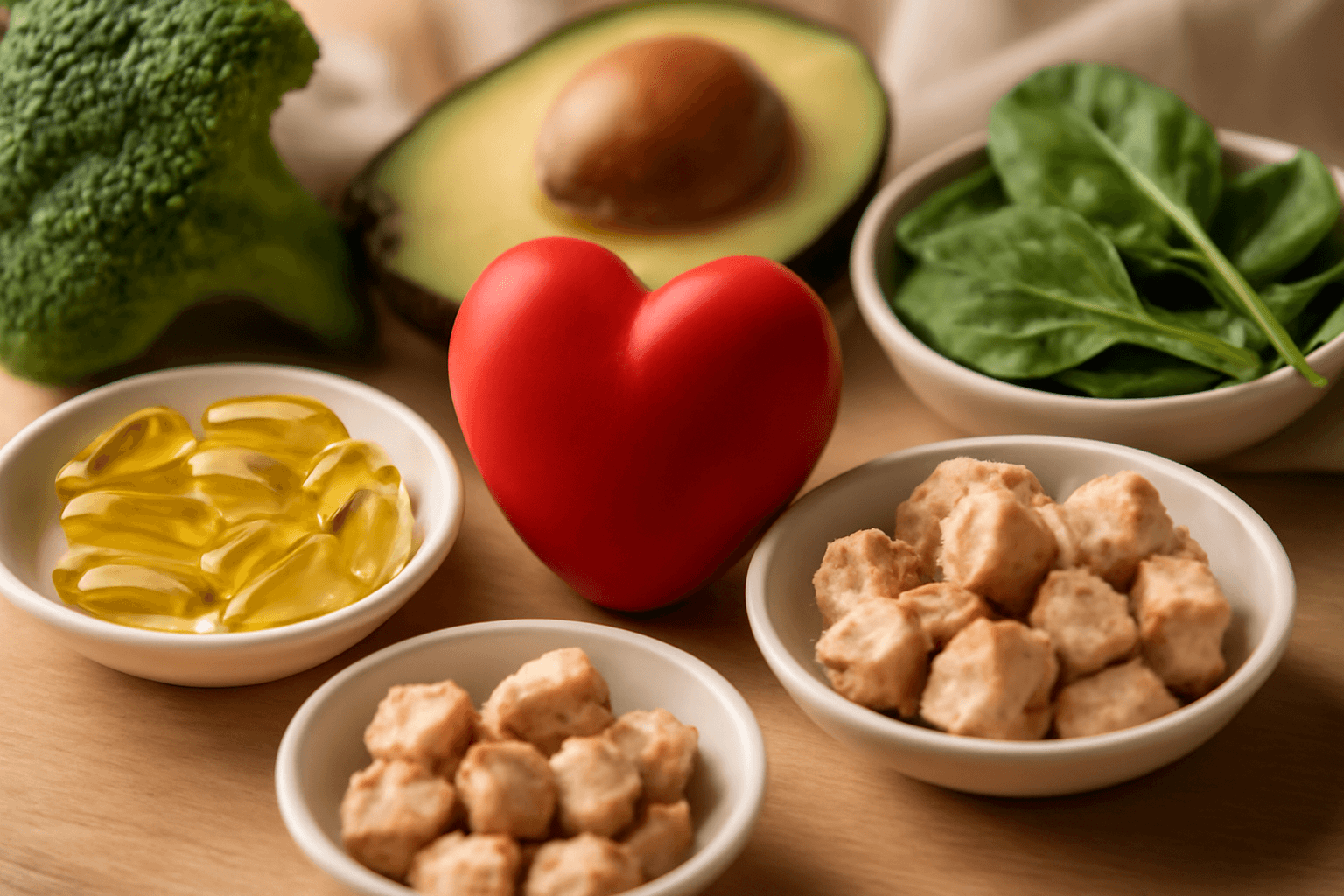
Heart disease is one of the leading causes of death worldwide. Fortunately, you can significantly improve heart health through lifestyle changes and dietary management. This post introduces five practical strategies for maintaining heart health. We'll cover everything from cholesterol management to the role of specific foods and nutrients, as well as easy-to-implement strategies you can practice in your daily life.
The Pros and Cons of Cholesterol
Cholesterol is often viewed as something to simply avoid, but it's actually an essential component of our bodies. Cholesterol plays a vital role in forming cell membranes, producing hormones, and synthesizing vitamin D. The problem lies in the type and level of cholesterol.
LDL cholesterol (bad cholesterol) accumulates in arterial walls, narrowing blood vessels and increasing the risk of heart disease. In contrast, HDL cholesterol (good cholesterol) removes excess cholesterol from blood vessels, protecting heart health. According to the American Heart Association, it's recommended to keep total cholesterol at or below 200 mg/dL and LDL at or below 100 mg/dL.
To maintain healthy cholesterol levels, you need to reduce saturated fat intake and increase unsaturated fats. Regular exercise and weight management are also important. Since cholesterol levels and heart health status vary significantly from person to person, it's essential to understand your own condition through regular checkups.
First Tip: Diet Matters
The key to a heart-healthy diet is reducing inflammation and getting sufficient antioxidants. The Mediterranean diet has been proven in numerous studies to significantly improve heart health. This diet is centered around olive oil, fish, vegetables, fruits, and whole grains.
Here are specific dietary strategies you can implement:
- Omega-3 rich fish 2-3 times per week: Salmon, mackerel, and sardines lower LDL cholesterol and reduce triglycerides.
- Choose whole grains: Selecting brown rice, oats, and barley instead of white rice doubles your dietary fiber intake.
- Antioxidant-rich fruits and vegetables: Berries, leafy greens, and tomatoes contain vitamin C, vitamin E, and antioxidants.
- Choose lean proteins: Chicken breast, tofu, and legumes are heart-healthy protein sources.
- Limit sodium: Keeping salt intake to 2,300 mg or less per day helps maintain normal blood pressure.
Dietary changes won't show immediate results, but after consistently following these changes for about eight weeks, you can expect an average blood pressure reduction of 11 mmHg and improved cholesterol levels. Rather than making drastic dietary changes all at once, it's easier to stick with adding one healthy food at a time.
Second Tip: Green Tea Extract
Green tea is rich in catechins, a powerful antioxidant. In particular, EGCG (epigallocatechin gallate) is excellent at preventing cell damage and reducing inflammation. According to several epidemiological studies conducted in Japan and China, people who consistently drank 2-3 cups of green tea daily experienced a 31% reduction in heart disease risk.
The specific heart health benefits of green tea are as follows:
- Reduced risk of atherosclerosis by preventing LDL cholesterol oxidation
- Improved blood circulation by enhancing endothelial function in blood vessels
- Inhibition of ACE (angiotensin-converting enzyme) that triggers blood pressure elevation
- Reduced blood clot formation by preventing blood coagulation
Green tea extract can be consumed as a supplement, but fresh green tea is preferable when possible. Fresh green tea contains more catechins. Three to four cups per day is sufficient, and drinking too much can cause anxiety or sleep disturbances due to caffeine. Since green tea can interfere with iron absorption, if you're taking iron supplements, wait 2-3 hours between consuming green tea and your supplement.
Third Tip: Omega-3 Fatty Acids
Omega-3 fatty acids are key nutrients for heart health. EPA (eicosapentaenoic acid) and DHA (docosahexaenoic acid) are powerful anti-inflammatory compounds that are effective at normalizing heart rhythm and lowering triglycerides. The FDA has even acknowledged that omega-3 fatty acids reduce the risk of heart disease.
The specific mechanisms of action for omega-3 are as follows:
- Reduced blood viscosity: Makes blood flow better and prevents blood clot formation.
- Reduced triglycerides: Consuming 2-3g of omega-3 daily reduces triglycerides by 25-30%.
- Increased blood vessel elasticity: Improves endothelial function and lowers blood pressure.
- Arrhythmia prevention: Stabilizes the electrical signals of heart muscle.
The best way to consume omega-3 is to eat fish directly. 100g of salmon contains approximately 2g of omega-3. If eating fish is difficult, consider fish oil supplements, with 1,000-2,000 mg per day being recommended. However, if you're taking blood-thinning medications like warfarin, consult your doctor before taking omega-3 supplements.
Fourth Tip: Ginger
Ginger is an ingredient that has been used in traditional Eastern medicine for thousands of years, and modern science has verified its effectiveness. Gingerol and shogaol, the main active compounds in ginger, have powerful anti-inflammatory and antioxidant properties.
Ginger's role in heart health is as follows:
- Prevents blood clotting: Ginger acts as a natural blood thinner, reducing blood clot formation.
- Reduces cholesterol: According to research, people who consumed 5g of ginger powder daily experienced a 5-8% reduction in total cholesterol.
- Lowers blood pressure: Gingerol in ginger relaxes blood vessels and lowers blood pressure.
- Improves digestion: Ginger promotes intestinal movement, improving digestive efficiency, which leads to better weight management.
- Antioxidant effects: Neutralizes free radicals and prevents heart muscle damage.
Ginger can be consumed in various forms: fresh, dried powder, tea, or supplements. An effective daily amount is 1-2g (approximately 1-2cm of fresh ginger). Excessive consumption can cause digestive discomfort, abdominal pain, and diarrhea, so caution is needed. Particularly if you're taking anticoagulants, consulting with your doctor is essential.
Fifth Tip: Garlic
Garlic is a food ingredient historically used for heart health. Allicin, the main active compound in garlic, is produced when garlic is cut or crushed and has a significant impact on cardiovascular health.
The mechanisms by which garlic contributes to heart health are as follows:
- Reduced blood pressure: Hypertension patients who took garlic extract for 12 weeks experienced an average blood pressure reduction of 6-8 mmHg.
- Improved cholesterol: Consuming 600-900 mg of garlic powder daily reduces LDL cholesterol by 5-10%.
- Antibacterial and anti-inflammatory effects: Garlic's antioxidant compounds reduce arterial inflammation and protect blood vessel health.
- Inhibits blood clotting: Garlic prevents platelet aggregation and acts as a natural blood thinner.
- Reduces stress: Some compounds in garlic have a calming effect on the nervous system, mitigating stress-induced blood pressure elevation.
Raw garlic is most effective, but many beneficial compounds are preserved during cooking. Consuming 1-3 cloves of garlic daily is ideal. Allowing garlic to sit for 10-15 minutes after cutting maximizes allicin formation, so it's best to cut it just before cooking. If garlic's odor is too strong, consider garlic supplements; some high-quality products have had the odor removed. If you're taking anticoagulants or have upcoming surgery, consulting with a healthcare professional is necessary.
Summary
Here's a recap of the five key strategies for maintaining heart health:
- Improve your diet: Center your diet around the Mediterranean diet, whole grains, fish, and antioxidant vegetables and fruits while reducing sodium intake.
- Green tea: 2-3 cups of green tea daily significantly reduce heart disease risk through catechins' antioxidant effects.
- Omega-3: Eat fish 2-3 times per week or take 1,000-2,000 mg of fish oil supplements daily to lower triglycerides and improve blood circulation.
- Ginger: 1-2g of ginger daily lowers cholesterol and blood pressure while providing anti-inflammatory effects.
- Garlic: 1-3 cloves of fresh garlic daily reduce blood pressure and improve cholesterol levels.
Important disclaimer: This post provides general health information. If you have specific conditions or are taking medications, be sure to consult with your doctor before starting. Especially if you're taking anticoagulants, blood pressure medications, or blood sugar medications, professional guidance is essential. Heart health is achieved through consistent lifestyle improvements over the long term, not through short-term efforts. By combining and implementing the methods above, you can expect improvements in blood pressure and cholesterol levels within weeks, and in the long term, significantly reduce your risk of heart disease.