Depression is a mental health issue experienced by many people in modern society. To overcome depression, which goes beyond simple mood decline and has serious impacts on daily life, professional treatment combined with lifestyle improvements is essential. This article explains the causes of depression and introduces five scientifically proven natural improvement methods including nutritional therapy, natural supplements, magnesium, vitamin B, and omega-3. We'll examine the mechanisms and actual effects of each method in detail, from key nutrients like magnesium, vitamin B, and omega-3 to St. John's Wort, SAM-e, and 5-HTP.
Depression
Depression is different from simple sadness or mood decline. The World Health Organization (WHO) classifies depression as a major mental health disorder, reporting that approximately 280 million people worldwide suffer from depression. In Korea, according to Statistics Korea data, over 10% of adults experience depression symptoms.
The main symptoms of depression include persistent fatigue, loss of interest and pleasure (anhedonia), sleep disorders, appetite changes, reduced concentration, and suicidal thoughts. If these symptoms persist for more than two weeks, diagnosis and treatment by a specialist are necessary. Depression occurs due to the complex interaction of various causes including neurotransmitter imbalance in the brain, genetic factors, environmental stress, and physical illness.
The important point is that depression is not caused by weak willpower but is a condition resulting from biochemical imbalance. Therefore, improving physical health along with appropriate treatment is key to recovery. The most effective results are achieved when combining medication, psychological counseling, and lifestyle improvements.
Why Does Depression Occur?
The physiological causes of depression primarily stem from neurotransmitter imbalance in the brain. Depression occurs when neurotransmitters like serotonin, dopamine, and norepinephrine are deficient or receptors don't function properly. Serotonin is responsible for several important bodily functions including mood regulation, sleep, and digestive function, and when it's deficient, serious depressive symptoms appear.
Stress is also a major cause of depression. Prolonged psychological stress elevates cortisol, a stress hormone, which interferes with neurotransmitter production in the brain. In particular, workplace stress, interpersonal conflicts, and financial difficulties in modern society act as continuous stressors, increasing the risk of depression.
Sleep deprivation and lack of physical activity are also important causes. During sleep, the brain synthesizes neurotransmitters and undergoes recovery, but insufficient sleep interferes with this process. Additionally, lack of physical activity reduces the production of brain-derived neurotrophic factor (BDNF), worsening depression.
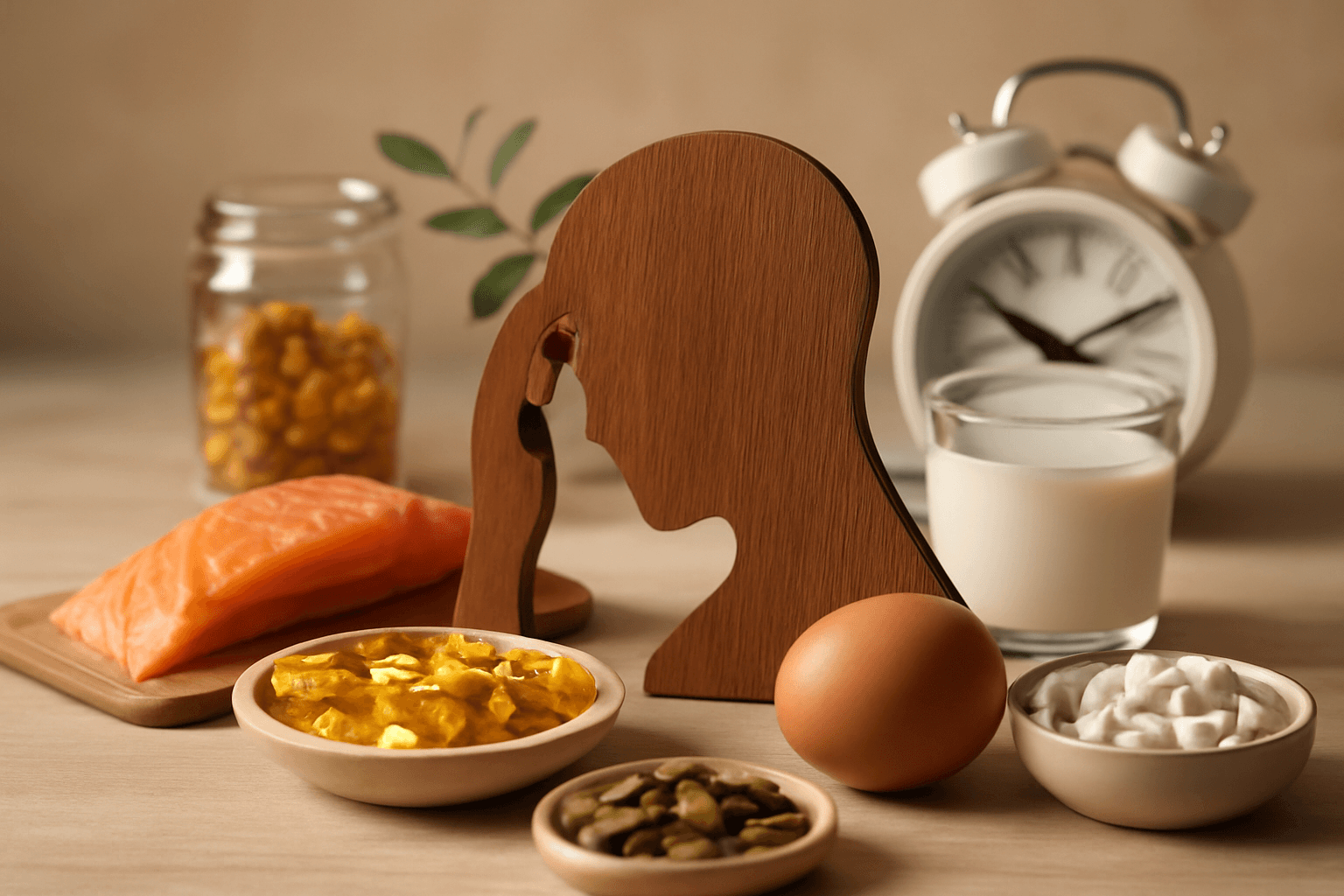
Nutritional deficiency is also a cause that cannot be overlooked. When essential nutrients like magnesium, B vitamins, vitamin D, and omega-3 fatty acids are lacking, neurotransmitter synthesis cannot occur properly. Gut health and digestive function are also important, as the state of the gut directly affects mental health through the gut-brain axis.
Natural Ways to Improve Depression
While medication and professional counseling are fundamental to depression treatment, natural methods can also support symptom improvement. The natural methods discussed here absolutely do not replace medical treatment but rather complement it. You must consult with a doctor to confirm potential interactions with any currently taken medications.
First, nutritional supplementation through dietary improvement is essential. Protein is a major source of amino acids, which are precursors to neurotransmitters. Aim to consume 1.2 to 1.6 grams of protein per kilogram of body weight daily. Eggs, fish, chicken breast, and legumes are good options.
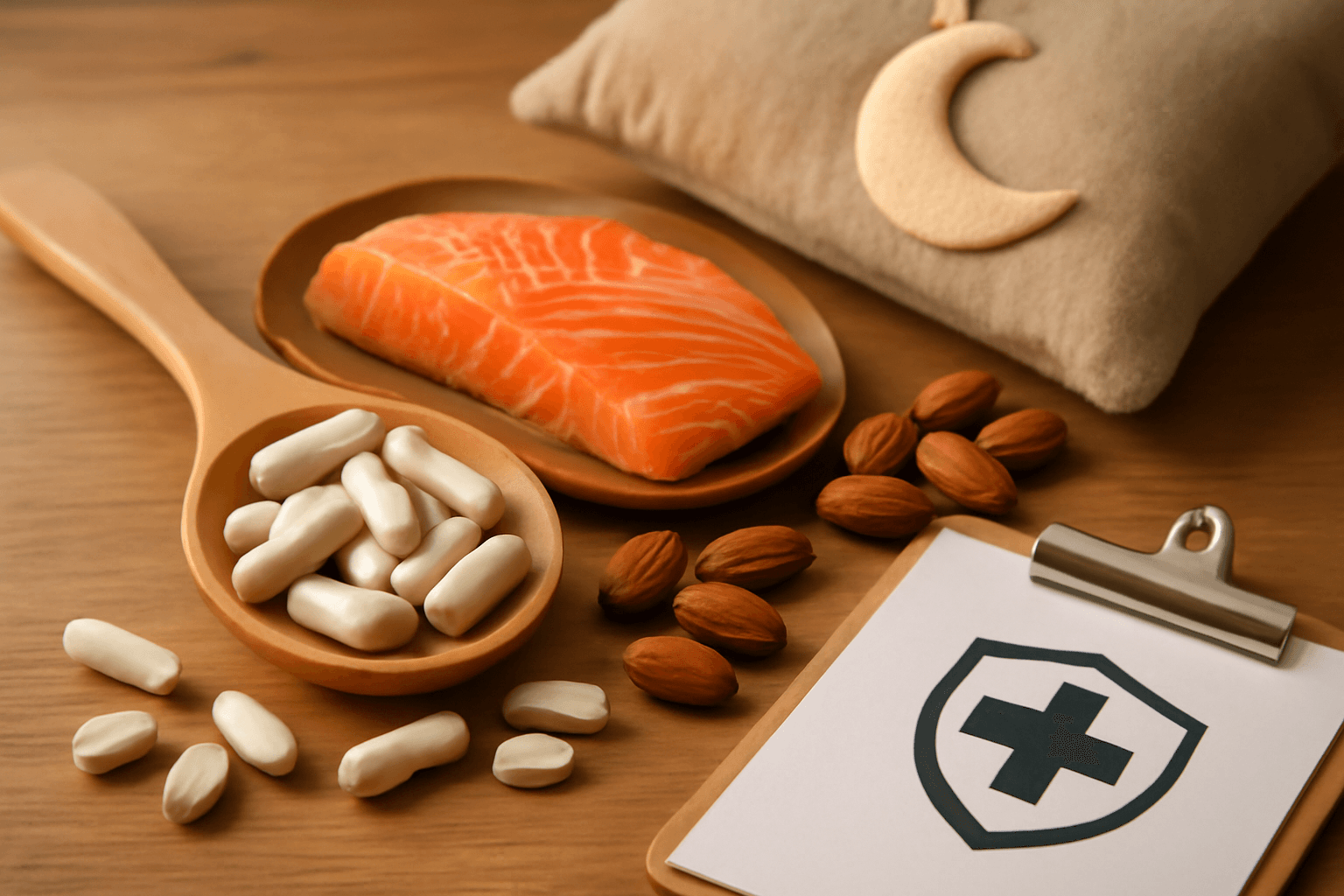
Second, increase omega-3 fatty acid intake. Omega-3, abundant in salmon, mackerel, and nuts, reduces brain inflammation and improves neurotransmitter function. It's recommended to consume fish 2-3 times per week or supplement with 1000-2000mg of omega-3 daily.
Third, check and supplement magnesium levels. Magnesium is essential for nerve stabilization, stress hormone regulation, and sleep improvement. Generally, adult men need 400mg and women need 320mg daily. It's abundant in dark leafy vegetables, nuts, and seeds.
Fourth, improve gut health. Consume fermented foods containing probiotics (kimchi, yogurt, miso), and eat sufficient soluble dietary fiber to maintain a healthy gut microbiome environment. A healthy gut improves absorption of tryptophan, a serotonin precursor.
Fifth, ensure regular exercise and adequate sleep. Moderate exercise for 30 minutes or more, 3-5 times per week, increases BDNF and promotes neurotransmitter release. Sufficient sleep (7-9 hours) is also essential for nervous system recovery.
1. St. John's Wort and Depression Management
St. John's Wort is a medicinal plant traditionally used in Europe for treating depression. According to scientific research, the plant's main active components are hypericin and adhyperforin, which work by inhibiting the reuptake of neurotransmitters.
According to a large-scale German clinical trial, St. John's Wort extract showed similar effects to some antidepressants in alleviating mild to moderate depression symptoms. In most studies, effects appeared when taking 900mg daily of standardized extract (containing 0.3% hypericin) for 12 weeks. Symptom improvement typically takes 4-6 weeks.
However, there are precautions to consider when using St. John's Wort. This plant can cause interactions with several medications. Particularly, taking it together with SSRI antidepressants (sertraline, paroxetine, etc.) can cause serotonin syndrome, and it can reduce the effectiveness of oral contraceptives, anticoagulants, and immunosuppressants. It can also increase skin sensitivity upon sun exposure.
For these reasons, St. John's Wort must be used only after doctor approval, and extra caution is needed if you're taking other medications. The Food and Drug Administration also recommends consulting with a specialist when using St. John's Wort.
2. SAM-e and Chemical Balance
SAM-e (S-adenosylmethionine) is a compound naturally produced in the body that promotes the methylation process essential for neurotransmitter production in the brain. It directly contributes to the synthesis of serotonin, dopamine, and norepinephrine. It also supports the synthesis of brain cell membrane components like phosphatidylserine and phosphatidylethanolamine.
Several clinical trials have confirmed SAM-e's antidepressant effects. An Italian meta-analysis reported that when patients with major depression took 1600mg of SAM-e for 4 weeks, symptom improvement was observed in approximately 50% of patients. Some studies showed SAM-e producing effects similar to tricyclic antidepressants. SAM-e also provides additional benefits of energy improvement and enhanced cognitive function.
The typical dosage is 800-1600mg daily, preferably taken in the morning (taking it in the evening can interfere with sleep). Side effects are very rare, but some people may experience mild digestive discomfort or anxiety. People with bipolar disorder must consult a doctor before use, as SAM-e can trigger mania.
Additionally, SAM-e has low potential for interaction with other antidepressants or supplements, but it should not be used together with monoamine oxidase inhibitor (MAOI) medications. The relatively high cost is also a consideration.
3. 5-HTP and Serotonin Level Relationship
5-HTP (5-hydroxytryptophan) is a substance derived from the amino acid tryptophan and is a direct precursor to serotonin in the body. For depression patients with low serotonin, 5-HTP supplementation works by directly raising neurotransmitter levels.
5-HTP is extracted from the seeds of the African plant Griffonia simplicifolia. Several clinical studies showed that depression symptoms improved when patients took 50-100mg of 5-HTP three times daily (total 150-300mg) for 8 weeks. It was particularly effective for sleep improvement and anxiety reduction. This is because 5-HTP can serve as a precursor not only to serotonin but also to sleep hormones like melatonin.
5-HTP can be used together with SSRI antidepressants, but extreme caution is necessary to avoid serotonin syndrome risk. It must never be used together with MAOI medications. People taking carbidopa (a Parkinson's disease medication) should also avoid 5-HTP.
Possible side effects include mild digestive discomfort, nausea, and skin rash. Some people experience increased anxiety initially, but this is temporary and resolves with dose adjustment. 5-HTP is recommended to be taken in the evening before sleep.
The important point is that 5-HTP supplementation cannot address underlying causes (stress, sleep deprivation, nutritional deficiency, etc.). Therefore, it should be used together with lifestyle improvements and only under a doctor's guidance.
Summary
Key strategies for overcoming depression:
- Professional treatment is fundamental: Medication, psychological counseling, and lifestyle improvements are most effective when combined. Natural methods are complementary measures, not replacements.
- Importance of nutritional supplementation: Adequate protein intake, omega-3 1000-2000mg, magnesium 320-400mg, and B-complex vitamins are foundational for depression improvement.
- Gut health and immunity: A healthy gut microbiome supports serotonin production and boosts immunity, accelerating depression recovery.
- Natural supplement selection:
- St. John's Wort: Effective for mild to moderate depression but requires caution with drug interactions
- SAM-e: Promotes neurotransmitter synthesis, improves energy, avoid if bipolar disorder
- 5-HTP: Improves serotonin and sleep, absolutely contraindicated with MAOI medications
- Lifestyle improvements: Exercise 3-5 times weekly (increases BDNF), 7-9 hours of sleep, and stress management promote natural neurotransmitter production.
- Doctor consultation is essential: When using any supplement, always check for interactions with current medications. If depression symptoms persist, seek professional medical evaluation immediately.
- Patience and consistency: Depression improvement takes time. Recovery typically requires 4-12 weeks, so consistent treatment and lifestyle improvements are keys to success.
Depression is a condition that cannot be overcome alone. Complete recovery is possible when medication, psychological counseling, nutritional management, and lifestyle improvements are comprehensively implemented under medical professional guidance. The methods presented in this article are science-based complementary treatments, so it is strongly recommended to consult with your doctor or a psychiatrist to establish a plan tailored to your individual circumstances.