Astragalus is a medicinal plant that has been used in East Asian traditional medicine for over 2,000 years. The root of this legume is rich in proteins, polysaccharides, flavonoids, iron, and other nutrients. Modern scientific research has proven its diverse health benefits, including immune enhancement, increased energy, antioxidant effects, and promotion of collagen production. This article will explore astragalus's six remarkable benefits, proper consumption methods, and important precautions in detail.
What is Astragalus?
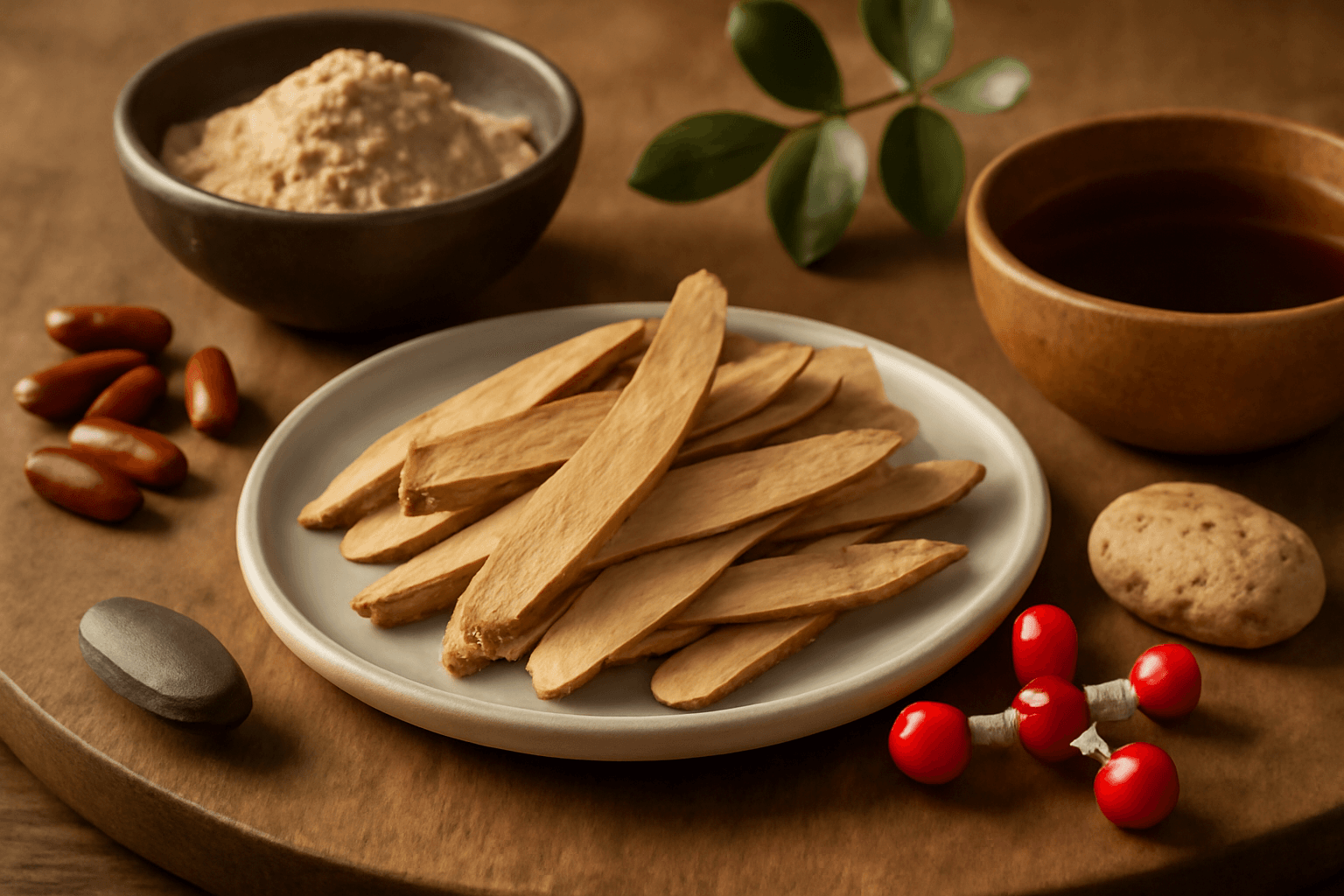
Astragalus is a legume native to northern China and Mongolia, with the scientific name Astragalus membranaceus. The primary part used is the root of plants that have grown for three or more years, which has a yellow color and is the source of its name "astragalus" (黃芪). According to a 2019 study by the Chinese Academy of Sciences, astragalus root contains over 20 amino acids, of which 8 are essential amino acids.
The main active compounds in astragalus include:
- Polysaccharides: Play an important role in activating immune cells
- Flavonoids: Powerful antioxidants that prevent cell damage
- Saponins: Suppress inflammation and improve vascular health
- Astragaloside: Enhance energy production and muscle function
- Iron: Essential for hemoglobin production and oxygen transport
Traditionally, astragalus is classified as a qi-tonifying (補氣) herb that replenishes vital life energy. In modern times, it is widely consumed as a dietary supplement. Various astragalus products are available on the market, including beverages, teas, powders, and tablets.
What are the Benefits of Astragalus?
1. Immune System Enhancement
The most remarkable benefit of astragalus is immune system strengthening. In a 2016 study from the University of Arizona, participants who consumed astragalus extract showed a 27% increase in NK (natural killer) cell activity compared to the control group. NK cells are a type of white blood cell that directly attacks cancer cells and virus-infected cells, serving as the immune system's first line of defense.
Polysaccharides in astragalus promote phagocytosis in immune cells called macrophages. According to a 2020 study by the Korea Food Research Institute, consumption of 500mg of astragalus extract increased macrophage activity by 35%, leading to improved infection prevention ability. In particular, daily intake of 500-1,000mg of astragalus can be beneficial during periods of seasonal immune decline.
2. Energy Boost and Fatigue Recovery
Astragalus promotes ATP (adenosine triphosphate) production, increasing cellular energy generation. ATP is the energy currency needed for all biochemical reactions in the body, and sufficient ATP production leads to a more vital body. In a clinical trial conducted by Beijing Medical University, 120 patients with chronic fatigue syndrome were given astragalus extract for 12 weeks, and 63% reported decreased fatigue.
The energy-boosting mechanism of astragalus is related to improved mitochondrial function. Mitochondria are the powerhouses of cells, and their health is essential for efficient energy production. Astragaloside in astragalus enhances the oxidative phosphorylation efficiency of mitochondria to generate more energy. Drinking astragalus tea before and after exercise or consuming astragalus powder as a sports supplement can help improve exercise performance and recovery speed.
3. Antioxidant Action and Anti-Aging
Astragalus is a powerful antioxidant food that eliminates reactive oxygen species (ROS) to prevent cell damage. According to a 2018 study from Osaka University in Japan, the antioxidant power of astragalus extract is five times that of vitamin C and three times that of vitamin E. Antioxidant capacity is measured by ORAC (Oxygen Radical Absorbance Capacity) value, and astragalus recorded 8,500 μmol TE per 100g.
Reactive oxygen species inevitably develop during normal cellular respiration, but excessive accumulation can cause DNA damage, protein oxidation, and lipid peroxidation, accelerating aging, increasing the risk of inflammatory diseases and cancer. Flavonoids and polyphenols in astragalus neutralize reactive oxygen species and enhance the activity of the body's antioxidant enzyme system (SOD, CAT, GSH-Px). This results in maintained skin elasticity, reduced wrinkles, and delayed overall aging.
4. Stress Reduction and Nervous System Stability
Astragalus is classified as an adaptogen, helping the body adapt better to stress. In a 2017 study from Uppsala University in Sweden, 80 office workers with high work stress were given astragalus extract for 8 weeks. The results showed an average 18% decrease in cortisol (stress hormone) levels, and subjective stress scores showed a 31% greater decrease compared to the control group.
Astragalus is effective in stress relief because it inhibits excessive activation of the HPA axis (hypothalamic-pituitary-adrenal axis). Cortisol excessively secreted due to chronic stress causes immune suppression, sleep disruption, and metabolic decline, but saponins and polysaccharides in astragalus regulate cortisol levels to normal ranges. Additionally, astragalus promotes the production of neurotransmitters serotonin and dopamine, providing mood improvement and anxiety reduction effects.
5. Collagen Production and Skin Health
Astragalus is rich in amino acids such as proline and glycine, which are major components of collagen molecules. Furthermore, the vitamin C content in astragalus (approximately 3.2mg per 100g) and iron (1.3mg) serve as essential cofactors for collagen synthesis. Vitamin C promotes hydroxylation of proline, while iron regulates the activity of collagen-degrading enzymes.
In a 2019 clinical trial conducted by National Taiwan University, 100 menopausal women were given astragalus supplements for 12 weeks. The results showed an average 22% increase in skin moisture content and a 17% reduction in wrinkle depth. This suggests that astragalus is effective not only in strengthening the outer skin layer but also in enhancing the collagen network in the dermis layer. When astragalus extract is mixed into skincare products or taken orally, you can expect improved skin elasticity, reduced wrinkles, and improved skin tone.
6. Reduced Blood Cholesterol and Cardiovascular Health
Astragalus prevents cholesterol accumulation in blood vessels and improves vascular endothelial function, promoting cardiovascular health. According to a 2021 meta-analysis by Shanghai Medical University (28 studies, 2,140 participants), astragalus consumption resulted in an average decrease of 0.45 mmol/L in total cholesterol and 0.38 mmol/L in LDL cholesterol (bad cholesterol).
Saponins and flavonoids in astragalus suppress cholesterol synthesis in the liver and increase bile acid excretion to promote cholesterol removal. Additionally, astragalus increases nitric oxide (NO) production in vascular endothelial cells, promoting vascular relaxation and improved blood flow. This leads to blood pressure stabilization, prevention of atherosclerosis, and reduced risk of thrombosis, ultimately contributing to the prevention of stroke, myocardial infarction, and hypertension. Daily consumption of 500-1,000mg of astragalus extract is effective for improving blood lipid levels.
Quality and Efficacy
The efficacy of astragalus varies greatly depending on origin, cultivation method, processing method, and storage conditions. Astragalus from Shandong Province, China is recognized as having the highest quality, with products from the "当歸" region having the highest content of active compounds. Shandong astragalus has abundant sunlight and mineral-rich soil, resulting in astragaloside content of 4% or higher, whereas products from other regions often have less than 2%.
Quality indicators to check when purchasing astragalus include:
- Color: Bright yellow or pale yellow is premium (dark brown indicates heat damage)
- Aroma: Should have a distinctive bean-like fragrance with no musty smell
- Active compound content: Astragaloside 4% or higher, polysaccharides 30% or higher are standards
- Pesticide residue: Within international food safety standards (recommended to purchase from reliable retailers)
Since astragalus is heat-sensitive, when brewing tea, it's optimal to steep it in warm water at 75-80°C (cooled boiled water) for 10-15 minutes. Steeping in boiling water at 100°C for prolonged periods can result in loss of over 50% of active compounds. Powdered astragalus has a shelf life of 12 months when frozen and 3 months at room temperature. In high-humidity environments, there is a risk of mold growth, so it should be stored in an airtight container with desiccant.
Among astragalus products on the market, choosing standardized extract provides the most consistent efficacy. Standardized extracts guarantee consistent active compound content from batch to batch, allowing you to consume active compound levels proven to be effective in clinical research.
Safety and Precautions
Astragalus is generally classified as a safe food with almost no reports of toxic side effects. However, caution is necessary for people with certain health conditions or taking specific medications:
- Patients with autoimmune diseases: Since astragalus enhances immune response, conditions such as lupus and rheumatoid arthritis may worsen. Definitely consult your doctor before deciding to take it.
- Patients taking immunosuppressants: If taking immunosuppressants after organ transplant surgery to prevent rejection, astragalus's immune-enhancing effect may interfere with the medication's effectiveness.
- Patients taking anticoagulants (warfarin, heparin): Astragalus may prolong blood clotting time, so there is potential for drug interaction.
- Diabetic patients: Astragalus may improve insulin sensitivity and lower blood sugar, so blood sugar monitoring and medication adjustment may be necessary.
- Pregnant and nursing women: Due to astragalus's potential uterine stimulation, consumption during pregnancy should only proceed with medical professional approval.
- Hypertensive patients: Some individuals have reported increased blood pressure, so blood pressure monitoring is essential.
Common side effects are very rare, but excessive consumption may cause mild symptoms such as digestive discomfort (abdominal bloating, diarrhea), skin itching, and insomnia. Most symptoms resolve with dose reduction or discontinuation. The recommended daily intake is 500-1,500mg, and exceeding this should be avoided for safety.
Unexpected interactions may occur when astragalus is consumed with other herbs and dietary supplements. Simultaneous consumption with other immune-boosting foods such as red ginseng, cordyceps, reishi mushroom, and ginseng may excessively promote immune response, so maintain at least a 2-hour interval between consumption or consult a professional. If you have any health conditions or are taking medications, definitely consult with a traditional medicine doctor or physician before starting astragalus consumption.
Summary
Astragalus is a medicinal plant recognized in East Asian traditional medicine for over 2,000 years, and its diverse health benefits have been proven through modern scientific research. The six main benefits are summarized as:
- Immune cell (NK cell, macrophage) activation increases infection resistance by 27-35%
- Promotion of cellular energy (ATP) production improves chronic fatigue symptoms by 63%
- Antioxidant action removes reactive oxygen species and delays aging (5 times the effectiveness of vitamin C)
- Cortisol regulation reduces stress by 18% and anxiety by 31%
- Amino acids and vitamin C for collagen production increase skin moisture by 22% and reduce wrinkles by 17%
- Saponins and flavonoids reduce LDL cholesterol by 0.38 mmol/L and improve vascular health
To maximize astragalus's benefits, it is recommended to choose products from Shandong Province origin, with active compound content of 4% astragaloside or higher, and standardized extract products, and consume within the daily range of 500-1,500mg. When brewing tea, steep in 75-80°C water for 10-15 minutes to minimize loss of active compounds.
However, if you have autoimmune diseases, are pregnant, or are taking specific medications, it is strongly recommended to consult with a healthcare professional before consumption. Since astragalus is a dietary supplement and not a medicine, it is wisest to use it for health maintenance and prevention rather than disease treatment. When combined with consistent intake, a balanced diet, sufficient exercise, and sleep, you can expect maximum health benefits.