Sleep is not simply a time of rest. It is an essential physiological process where our body repairs damaged cells, organizes memories, and strengthens the immune system. However, more than 80% of modern people experience sleep problems, and many rely on prescription medications. This article begins with a scientific understanding of sleep and presents 6 natural sleep aids as a way to achieve quality sleep without medications.
Sleep Stages
Sleep is not a simple state but a complex process consisting of 5 distinct stages. The first 4 stages are non-REM (NREM) sleep, and the final stage is REM sleep. During the first 1-2 hours of deep sleep (stages 3-4) after falling asleep, the body secretes growth hormones and recovers muscles. During this time, blood sugar levels normalize and metabolism is regulated.
REM sleep appears approximately every 90 minutes, and during this stage, the prefrontal cortex of the brain becomes active, allowing for emotional processing, learning, and memory consolidation. Healthy adults should spend about 20-25% of their 7-9 hours of nightly sleep in REM sleep. When sleep medications disrupt this natural sleep structure, the body's recovery processes don't occur properly, resulting in incomplete fatigue recovery.
Sleep is a Dynamic State
During sleep, our body is never in a state of rest. Brainwaves continuously change, hormone secretion is finely regulated, and the nervous system operates actively. Melatonin secretion increases starting around 9 p.m., peaks at 2-3 a.m., and cortisol rises at 4-5 a.m., waking us up.
This hormone cycle has been formed through hundreds of thousands of years of evolution and is perfectly synchronized with our body clock (circadian rhythm). When stress hormones like cortisol and adrenaline are high, melatonin secretion is suppressed, causing insomnia. Therefore, natural supplements that support the body's natural sleep mechanisms are more effective than medications.
Sleep Quality vs. Sleep Duration
Many people focus only on sleep duration, but actually sleep quality is far more important. Five hours of deep sleep is far more restorative than eight hours of light sleep. The main indicators for measuring sleep quality are sleep latency (time to fall asleep), frequency of nighttime awakenings, and the proportion of deep sleep.
According to recent research, people who wake up 3 or more times at night have double the risk of developing diabetes and a 30% decrease in immunity. Additionally, lack of sleep decreases leptin (satiety hormone) secretion and increases ghrelin (hunger hormone), increasing appetite and making blood sugar control difficult. Therefore, securing continuous deep sleep is the first step toward health.
The Problem with Sleep Medications
Prescription sleep medications completely ignore the body's natural sleep structure. Benzodiazepine-class drugs suppress REM sleep, leading to memory loss, decreased cognitive function, and in severe cases, dementia risk. In a large 2016 study, long-term sleep medication users aged 65 and older had a 50% increased risk of developing Alzheimer's disease.
Additionally, sleep medications create physical dependence, and the same dose becomes less effective over time, leading to gradual dose increases. Stopping abruptly causes withdrawal symptoms that result in even more severe insomnia. Long-term use also increases the risk of falls, respiratory suppression, and drug interactions. In contrast, natural supplements strengthen the body's natural sleep mechanisms, so they have no dependence and extremely minimal side effects.
Sleep and Immunity
Quality sleep is essential for a strong immune system. During deep sleep, the body produces immune proteins called cytokines, which are the defense force against infection and inflammation. After staying awake for one night, the activity of natural killer (NK) cells decreases by 70%, and this only normalizes 4-5 days later.
When sleep deprivation becomes chronic, inflammatory markers like C-reactive protein (CRP) and tumor necrosis factor (TNF-α) continuously rise, increasing the risk of autoimmune diseases, allergies, and infectious diseases. Recent research has shown that adequate quality sleep increases COVID-19 vaccine effectiveness by more than 2 times. This demonstrates how important sleep is for forming immune memory. Therefore, maintaining healthy immunity starts not with just nutritious food but with quality sleep.
Naturally Improving Sleep Quality: The 6 Best Natural Sleep Aids
1. Magnesium - The Nerve Relaxer
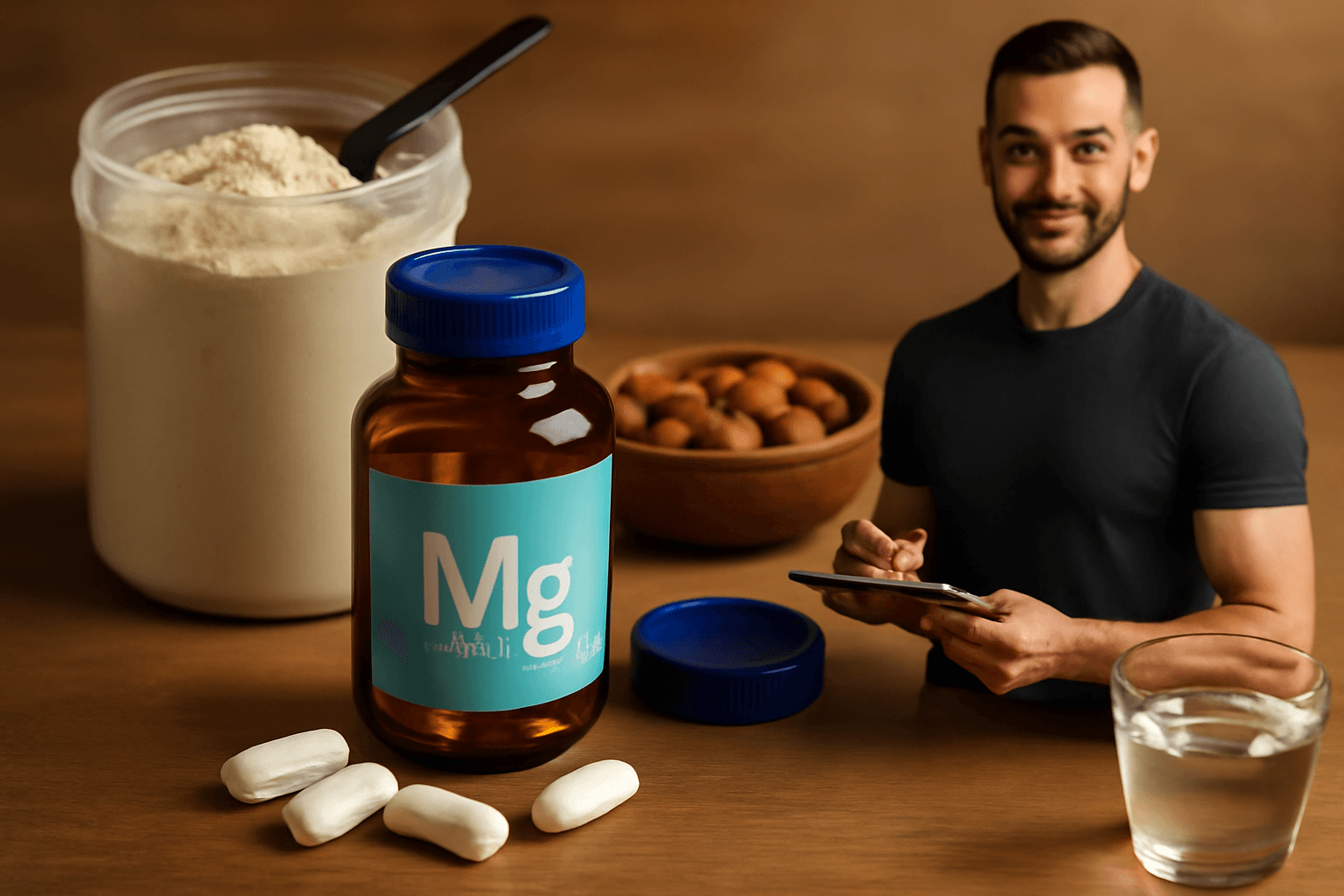
Magnesium is an essential mineral involved in more than 300 enzyme reactions in the body and is particularly effective for nerve relaxation. Magnesium activates GABA receptors that regulate nerve stimulation, calming excessive nervous activity. More than 70% of modern people are magnesium deficient, making supplementation essential.
In clinical trials, magnesium supplementation reduced sleep latency by 17 minutes and increased deep sleep duration by 26%. In particular, magnesium glycinate has high absorption rates and no digestive side effects. Taking 200-400mg around 8 p.m. allows you to feel the effects after 2-3 weeks. Additionally, magnesium improves blood sugar control, relieves muscle cramps, and lowers cortisol, a stress hormone.
2. L-Theanine - Brainwave Optimization
L-theanine is an amino acid found in green tea that induces brainwaves into an alpha state. Alpha waves represent a state of relaxation while awake, the type of brainwave that appears during meditation. According to research, taking 100-200mg of L-theanine increases alpha wave activity by 40% within 30 minutes.
Unlike typical medications, L-theanine doesn't directly induce drowsiness but rather calms the nerves, naturally leading to sleep. Therefore, it improves not only sleep quality but also daytime concentration and energy levels. Fatigue recovery accelerates and stress resilience increases. Taking L-theanine during the day can reduce the side effects of caffeine while improving focus, providing a twofold benefit.
3. Valerian Root - The Ancient Relaxant
Valerian is a traditional herb used in Europe for more than 2,000 years and is rich in components that stabilize the nervous system. Valerenone and valeric acid, the key active compounds in valerian, increase the efficiency of the GABA neurotransmitter. In clinical trials lasting 4 weeks or longer, 44% of insomnia patients reported improved sleep quality.
What's distinctive is that valerian's effects accumulate gradually. In the first week, you may feel minimal improvement, but maximum effectiveness is reached after 4 weeks. This means the body doesn't form drug tolerance, making it suitable for long-term use. The typical dosage is 400-900mg around 9 p.m., and because of its distinctive earthy smell, capsule form is recommended.
4. Passionflower - Anxiety Reliever
Passionflower (Passiflora) is an herb used in South American traditional medicine to treat anxiety and insomnia. It directly lowers nervous system overstimulation and reduces nighttime anxiety and obsessive thoughts. According to research, 56% of anxiety disorder patients who took 64mg of passionflower extract daily showed significantly reduced daytime anxiety.
It is particularly effective for people who can't sleep because stress or worry causes them to repeat the same thoughts all night. Passionflower calms the brain's overactivity, helping it escape from "analytical thinking mode." It also inhibits the nighttime rise of cortisol, a stress hormone, promoting entry into deep sleep. When combined with magnesium or valerian, it creates a synergistic effect.
5. Melatonin - The Body Clock Signal
Melatonin is a hormone produced by the pineal gland that regulates the body clock. As people age, melatonin production decreases, which is why the prevalence of insomnia in older adults is high. Melatonin production in people in their 50s is half that of people in their 20s, and drops to just 5% in those in their 70s.
Natural melatonin supplementation is very effective at resetting the body clock. It is particularly excellent for jet lag adaptation, sleep rhythm disruption from shift work, and improved insomnia in older adults. What's important is the appropriate dose—generally, 0.5-3mg is sufficient, and overdosing actually reduces effectiveness. Taking it around 9 p.m. synchronizes with the body's natural melatonin rhythm. Melatonin also has antioxidant effects, preventing cell damage and strengthening immunity.
6. Glycine - Temperature Regulation and Deep Sleep Induction
Glycine is a non-essential amino acid produced by the body itself and plays an important role in nervous system relaxation and temperature regulation. Glycine expands peripheral blood vessels, increasing blood flow to the hands and feet, which lowers core body temperature and induces deep sleep.
In clinical research, people who took 3g of glycine in the evening had their sleep latency reduced by 13 minutes, and the time it took to reach the deep sleep stage decreased significantly. Additionally, glycine reduced next-day fatigue by 33% and improved performance. Glycine's advantages are extremely high safety, no interaction with other supplements, and the body automatically regulates excess intake. After quality sleep, the body automatically normalizes temperature, promoting metabolism and improving blood sugar control.
Precautions When Using Natural Sleep Aids
Even natural supplements are not suitable for everyone. Pregnant women or those breastfeeding must consult a doctor before taking them, and in particular, valerian and passionflower can affect hormone changes. If you're taking blood pressure medications, antidepressants, or blood thinners, glycine, L-theanine, and valerian can alter medication effectiveness, so you must consult with a healthcare provider.
Additionally, individual reactions vary depending on personal health conditions. For some people, valerian may actually induce wakefulness, and passionflower can cause headaches. Therefore, you should start with one at a time, observe for 2-3 weeks to assess effectiveness, and if necessary, switch to or combine with other supplements. Those taking sleep medications who want to switch to natural supplements should gradually reduce medication under medical supervision.
Summary: Recovering Healthy Sleep with Natural Sleep Aids
Key Takeaways:
- Magnesium is the foundation of nerve relaxation, and more than 70% of modern people are deficient.
- L-theanine and glycine restore natural sleep structure without medications.
- Valerian and passionflower have continuously increasing effects with 4+ weeks of use.
- Melatonin is essential for regulating the body clock, and low-dose (0.5-3mg) intake is important.
- Natural supplements don't create physical dependence, making them suitable for long-term use.
- Because individual differences are significant, you should try one at a time to find the combination that works for you.
- If you have chronic insomnia, are taking sleep medications, or are on other medications, consult with a healthcare professional.
Sleep is not a luxury but an essential physiological process. Rather than relying on medications, understanding and supporting your body's natural sleep mechanisms is the true path to health recovery. By choosing one of the 6 natural supplements above that matches your symptoms and constitution and approaching it systematically, you can experience significant improvements in sleep quality within 2-4 weeks.