Zinc is an essential mineral involved in over 200 enzyme reactions in our body, including immune system function, protein synthesis, wound healing, and DNA creation. It plays a particularly important role in preventing colds and infections, promoting skin health, and supporting male reproductive health. However, since our body cannot produce or store zinc on its own, we must obtain it daily through food. This article introduces the daily recommended intake of zinc, six zinc-rich foods, and practical ways to increase zinc consumption in your daily life.
Daily Zinc Requirements
According to the Korean Nutrition Society, the daily recommended zinc intake is 10mg for adult men and 8mg for adult women. Pregnant and breastfeeding women require higher amounts of 11mg and 12mg, respectively. Zinc deficiency can manifest as fatigue, weakened immunity, loss of appetite, delayed wound healing, and hair loss. Conversely, excessive intake can interfere with copper absorption, cause neurotoxicity, and lead to nausea.
The daily upper intake limit for adults is set at 40mg. Infants and young children, elderly individuals, pregnant women, and those with digestive disorders have lower zinc absorption rates and require more careful management. For vegetarians, phytic acid in plant-based foods inhibits zinc absorption, so an intake 25% higher than that of non-vegetarians is recommended.
Zinc-Rich Foods
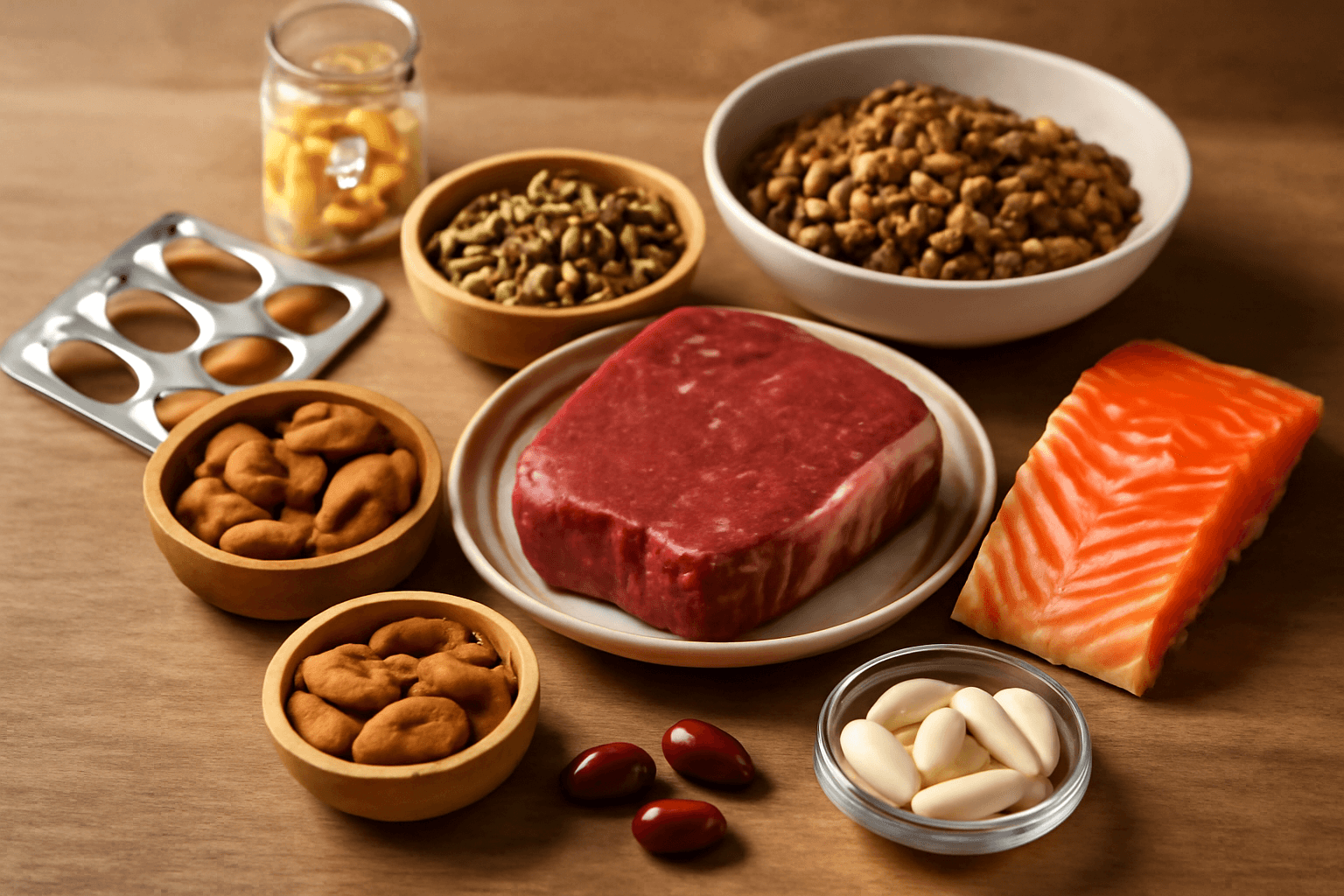
Zinc is more abundant in animal-based foods and has higher bioavailability. The bioavailability of zinc in animal products is approximately 20-40%, while in plant-based foods it is only 5-10%. Therefore, even vegetarians should combine various zinc sources to ensure adequate intake. Let's explore the zinc content and effective consumption methods for each food group.
1. Seafood
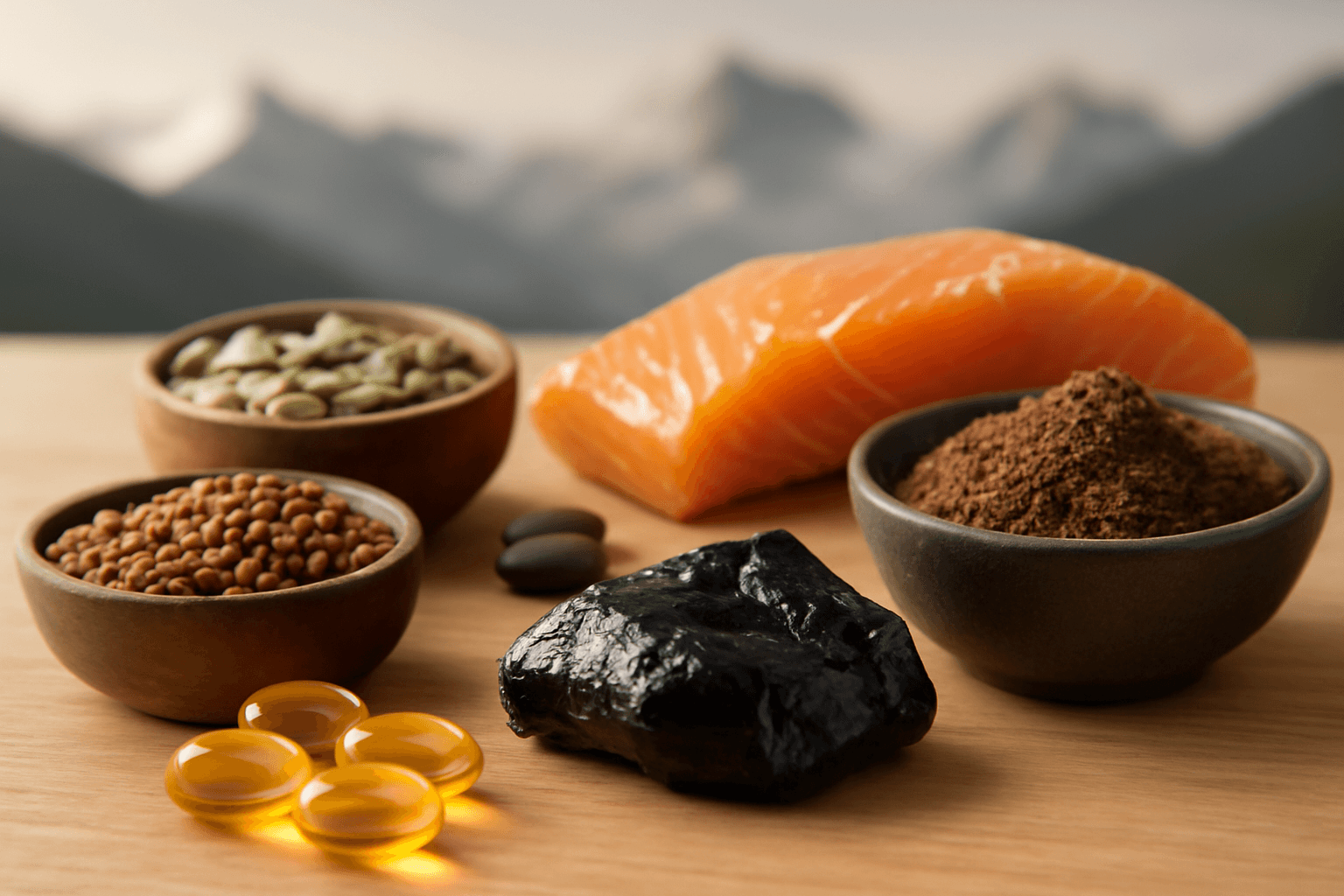
Oysters are known to have the highest zinc content among foods. Six raw oysters (approximately 84g) contain 5.48mg of zinc, fulfilling more than half the daily requirement in a single serving. Oysters are also rich in selenium, a powerful antioxidant, vitamin B12 essential for nerve function, and iron.
Shrimp and crab are also excellent zinc sources. 100g of boiled shrimp contains approximately 1.5mg, while 100g of crab contains about 3.6mg of zinc. If eating raw oysters is difficult, prepare them grilled, in oyster rice bowls, or as oyster pancakes, but avoid overcooking to minimize zinc loss. Among fish, fatty varieties such as salmon, trout, and sardines provide both zinc and omega-3 fatty acids.
2. Beef
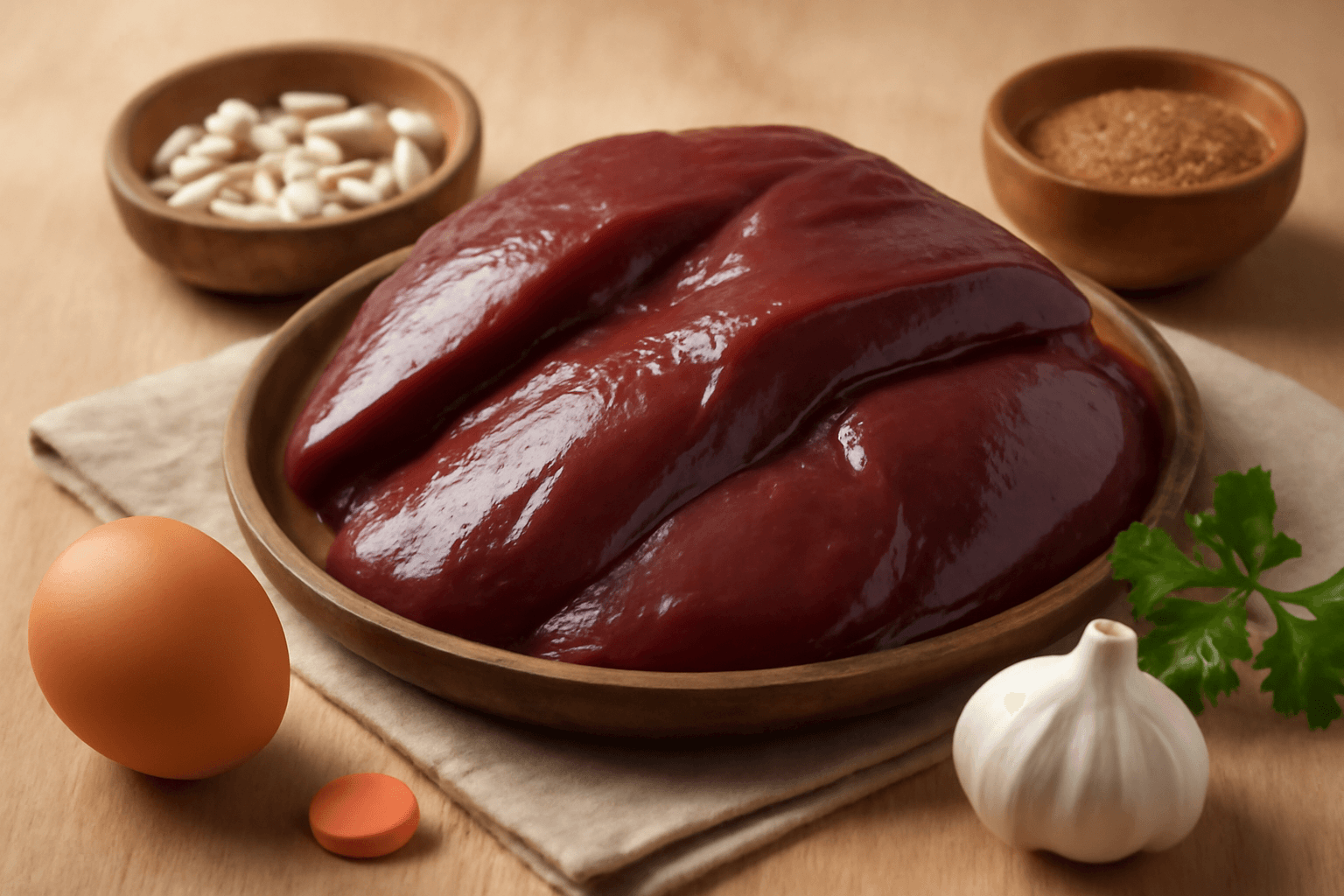
Beef is a protein food with very high zinc bioavailability. 100g of beef sirloin contains approximately 6.5mg, while 100g of beef liver contains about 5.2mg of zinc. Beef liver is particularly a superfood that provides not only zinc but also iron, vitamin A, and folate. However, due to its high saturated fat content, consumption of about 100g per serving once or twice weekly is recommended.
Lamb and pork are also good zinc sources. 100g of lamb sirloin contains approximately 8.4mg of zinc, while pork tenderloin contains about 2.4mg. To enhance zinc absorption, cook beef by grilling or stewing, but be mindful of what you eat alongside it. Consuming antioxidant-rich foods such as tomato sauce, bell peppers, and onions together with beef can enhance zinc's antioxidant effects.
3. Legumes
Legumes have the highest zinc content among plant-based foods. 100g of cooked black beans contains approximately 2mg, while 100g of cooked white beans contains about 2.1mg of zinc. 100g of cooked chickpeas contains approximately 1.7mg. Beyond zinc, legumes provide dietary fiber, magnesium, folate, and calcium.
Several cooking methods can improve zinc absorption from legumes. Phytic acid content decreases when beans are soaked in water, so soak them thoroughly before cooking. Additionally, adding vinegar or lemon juice increases acidity and promotes zinc absorption. Including lentils and chickpeas in soups or salads and topping with vinegar dressing creates a nutrient-rich meal.
4. Nuts and Seeds
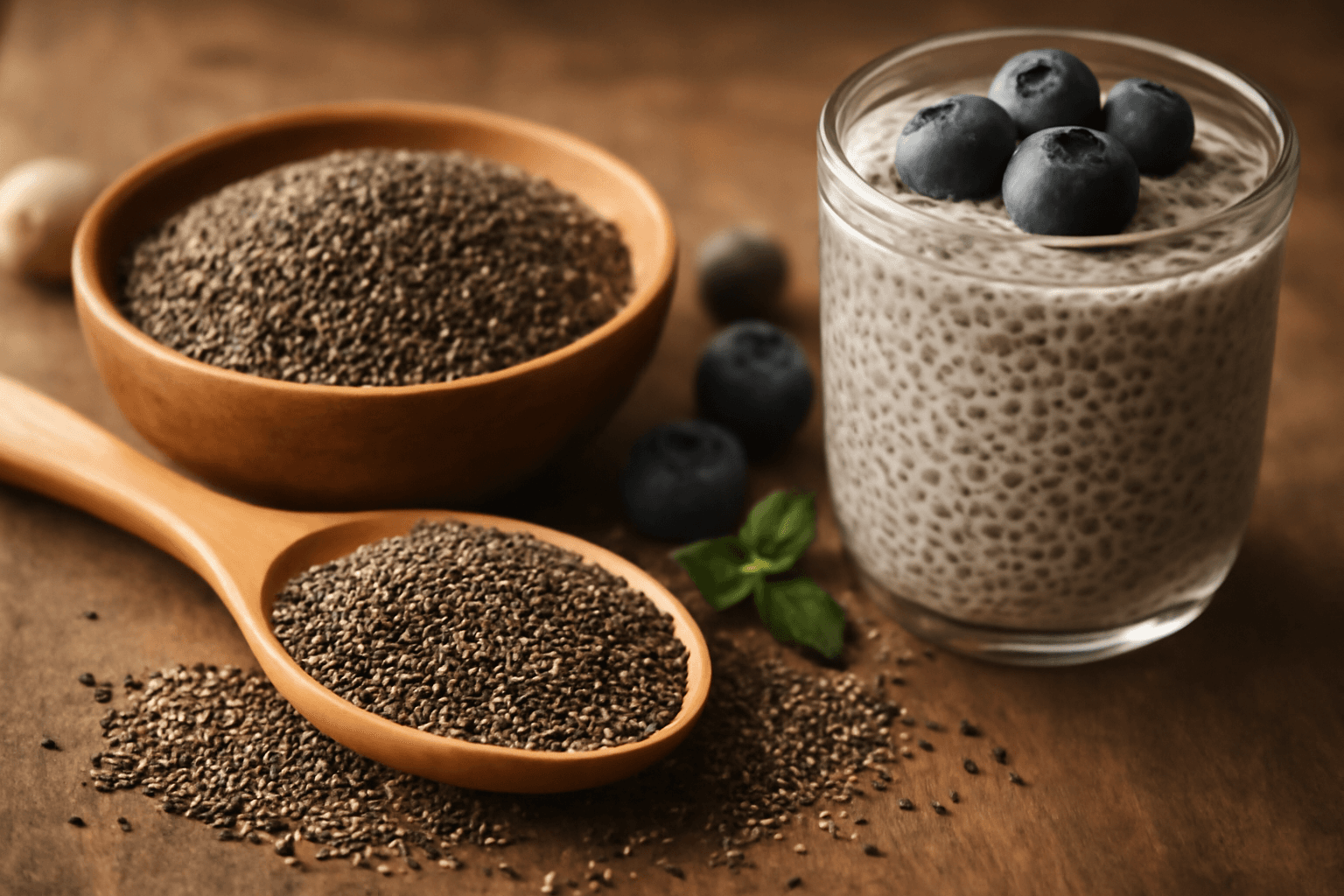
Nuts and seeds are convenient snacks and excellent sources of zinc. A handful of cashews (approximately 28g) contains about 1.6mg, while a handful of almonds contains approximately 0.9mg of zinc. Pumpkin seeds are particularly high in zinc among nuts, providing about 2.2mg per 28g. One tablespoon of sesame seeds (about 9g) contains approximately 0.8mg of zinc.
Pumpkin seeds also contain magnesium, antioxidants, and healthy unsaturated fats, supporting both thyroid health and antioxidant function. Since nuts oxidize easily, store them in the refrigerator and consume within 2-3 weeks of opening. Consuming a handful (about 30g) of mixed nuts daily as a snack or adding them to salads and yogurt as toppings is an easy way to increase zinc intake. Nut butters such as cashew butter and almond butter are also good choices, providing about 1mg of zinc per tablespoon.
Practical Ways to Increase Zinc Intake
Meal Planning: When planning meals for the week, it's effective to include zinc-rich foods in each meal. For example, pre-planning oyster rice for Monday lunch, beef steak for Wednesday dinner, and chickpea salad for Friday lunch ensures consistent zinc intake.
Food Combinations: To maximize zinc absorption, combine protein-rich foods with vitamin C-rich foods. Squeezing lemon on grilled oysters or cooking beef with bell peppers and tomatoes enhances zinc absorption. Consuming iron alongside zinc also improves absorption of both minerals.
Cooking Methods: While zinc is relatively heat-stable, excessive heating should be avoided. Consume raw oysters, shrimp, and fish raw or lightly cooked. Cook meat by grilling or stewing without prolonged high-heat cooking. For boiled legumes, consume the cooking liquid as well since some zinc leaches into the water during cooking.
Snacking Strategy: Developing a habit of consuming a handful of pumpkin seeds or cashews daily allows you to gain additional zinc with minimal effort. Keep nuts in your desk or bag to enjoy as an afternoon snack.
Beverage Choices: One glass of milk (approximately 240ml) contains about 1mg of zinc. Choosing milk or fortified soy milk instead of coffee or soft drinks naturally increases daily zinc intake.
Zinc Intake Strategies for Specific Groups
Pregnant and Breastfeeding Women: Given the increased zinc requirements, it's important to consult with healthcare professionals to develop a personalized nutrition plan. If you have food allergies, confirm safe alternative foods in advance.
Elderly Individuals: As age increases, zinc absorption decreases and digestive function declines. Therefore, prioritize animal-based foods with high bioavailability such as oysters and beef, and consult with a doctor about considering supplementation if necessary.
Vegetarians: Since zinc bioavailability in plant-based foods is low, aim for 125% of the recommended intake. Combine legumes, nuts, and seeds in variety, and use cooking methods such as soaking and fermentation to reduce phytic acid content. If necessary, consult with a doctor about zinc supplementation.
Precautions and Medical Consultation
Overdosing on zinc supplements can cause side effects including neurotoxicity, copper deficiency, and reduced immune function. In particular, zinc in certain cold medicines and nasal sprays may cause loss of smell when taken in excess, so caution is needed. If you have chronic conditions or are taking prescription medications, consult with a doctor or nutritionist before significantly increasing zinc intake. This is especially important if you have digestive disorders, kidney disease, or immune disorders.
Some antibiotics and diuretics may interfere with zinc absorption, so adjust medication timing to avoid taking them with zinc-rich foods. If symptoms of zinc deficiency (hair loss, chronic fatigue, recurrent infections, delayed wound healing) persist for more than three weeks, it's advisable to have a serum zinc test to confirm actual deficiency.
Summary
Zinc is a mineral responsible for essential bodily functions including immunity, protein synthesis, wound healing, and antioxidant action. Adult men should consume 10mg daily and adult women 8mg daily, which can be sufficiently achieved through the following foods.
- Oysters: 5.48mg zinc per 6 oysters (84g) - highest content
- Beef: 6.5mg per 100g sirloin - high bioavailability
- Beef Liver: 5.2mg per 100g - contains various nutrients besides zinc
- Black Beans: 2mg per 100g cooked - provides dietary fiber and magnesium simultaneously
- Pumpkin Seeds: 2.2mg per 28g - convenient snack
- Cashews: 1.6mg per 28g - available anytime
To effectively increase zinc intake, utilize meal planning, food combinations, appropriate cooking methods, and daily snacking strategies. Prioritize animal-based foods such as oysters and beef, and if vegetarian, combine multiple plant-based foods while enhancing absorption through soaking or adding vinegar. Pregnant women, elderly individuals, and those with chronic conditions should consult with healthcare professionals before significantly increasing zinc intake to confirm safe levels.