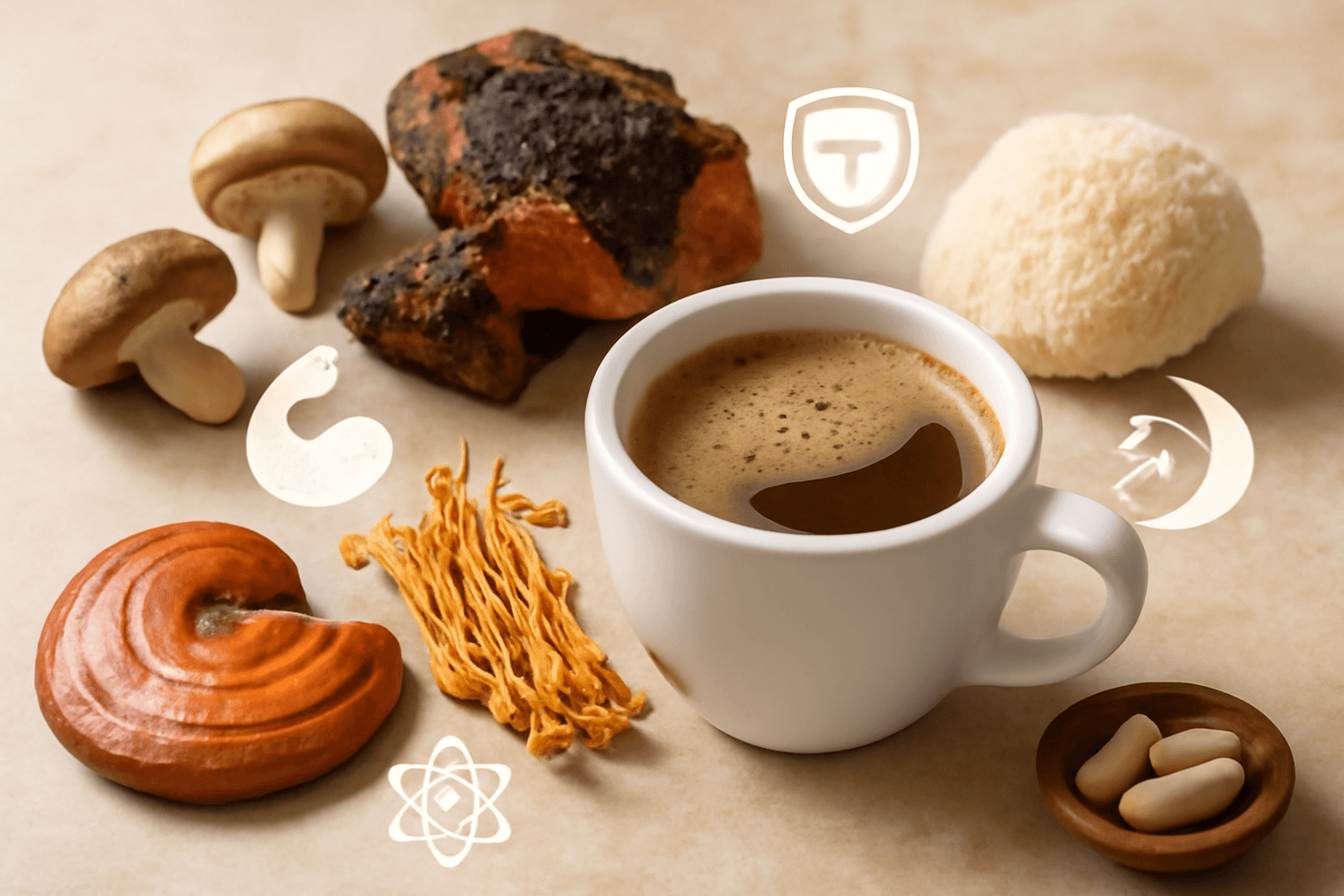
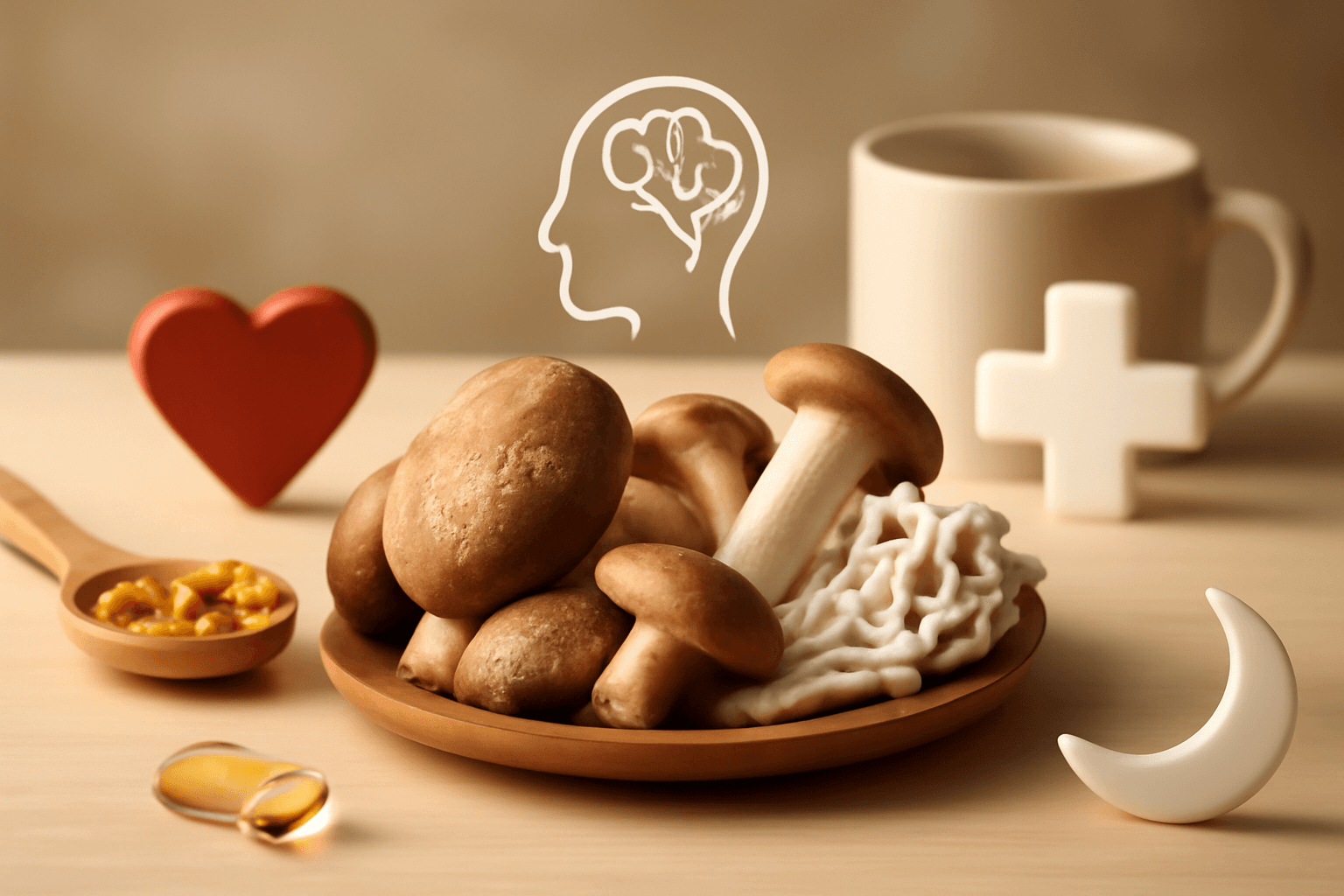
Mushrooms are far more than simple ingredients—they are functional foods that have been utilized in Eastern traditional medicine for thousands of years. Specific mushroom varieties such as reishi, shiitake, chaga, and cordyceps offer diverse health benefits including enhanced immunity, stress relief, improved sleep, and antioxidant properties. As recent scientific research continues to validate this traditional knowledge, interest in functional mushrooms has surged dramatically. This article provides practical information on the benefits, nutrients, and coffee substitute recipes of six major functional mushrooms.
Nutritional Content of Mushrooms
Mushrooms boast remarkable nutritional density while remaining low in calories. At just approximately 22 calories per 100 grams, they contain essential nutrients including 3.3g of protein, 1g of dietary fiber, vitamin D, selenium, and potassium. Of particular note, beta-glucans (β-glucan) found in mushrooms are polysaccharides that strengthen the immune system, with multiple clinical studies confirming enhanced NK cell (natural killer cell) activity.
The key active compounds in functional mushrooms include:
- Beta-glucans: Enhanced immunity, blood sugar regulation, cholesterol improvement
- Polyphenols: Antioxidant action, reduced inflammation, potential anti-cancer properties
- Ergothioneine: Neuroprotective compound, prevention of degenerative diseases
- Vitamin D: Bone health, immune regulation, mood improvement (abundant in sun-dried mushrooms)
- Trehalose: Cell damage protection, improved skin health
Notably, functional mushrooms contain these compounds at concentrations 10 to 100 times higher than common edible mushrooms, allowing meaningful benefits from modest amounts.
Types of Functional Mushrooms and Their Health Benefits
While approximately 140,000 mushroom species exist worldwide, only a small fraction have verified nutritional value as functional mushrooms. The mushrooms most extensively used in traditional Eastern medicine for the longest periods are now demonstrating efficacy in modern scientific research. Since each mushroom possesses a unique chemical composition that offers distinct health benefits, selecting mushrooms aligned with your personal health goals is important.
1. Reishi Mushroom (Ganoderma lucidum)
Reishi mushroom, nicknamed the "mushroom of immortality," is the most revered fungus in Eastern traditional medicine. It has been used as a royal health food in China for over 2,000 years and is currently approved as a medicinal product in both Japan and South Korea.
Key Benefits:
- Improved Sleep: Adenosine and germanium found in reishi mushrooms calm the nervous system and induce deep sleep. Research shows that daily consumption of 2-4g of reishi extract resulted in a 24% average improvement in sleep efficiency after four weeks.
- Stress Reduction: Polysaccharides in reishi lower cortisol (stress hormone) levels and activate GABA (brain relaxation neurotransmitter) receptors.
- Enhanced Immunity: With beta-glucan content of 30-50%, reishi promotes lymphocyte production and strengthens anti-infection capabilities.
- Fatigue Recovery: Promotes ATP (energy molecule) production, improving chronic fatigue and lethargy.
Selection and Usage: Since reishi is naturally bitter and hard, it's typically consumed as an extract, powder, or capsule. The recommended daily intake is 1.5-5g, and consistent consumption for at least four weeks is necessary to see results. Water-soluble extracts offer superior bioavailability.
2. Shiitake Mushroom (Lentinula edodes)
Shiitake is the most accessible functional mushroom. Widely cultivated in Korea, Japan, and China, it easily appears on everyday dining tables while offering powerful health benefits.
Key Benefits:
- Immune Enhancement: Lentinan, a distinctive compound in shiitake, is used clinically as an FDA-approved anticancer agent. Daily consumption of 10-15g of dried shiitake increased NK cell activity by an average of 40%.
- Vascular Health: Eritadenine, a unique compound, lowers cholesterol and stabilizes blood pressure. Research shows that after eight weeks of daily shiitake consumption, total cholesterol decreased by an average of 9%.
- Antibacterial and Antiviral Properties: Contains the highest ergothioneine content among mushrooms (approximately 5mg/100g), providing potent antioxidant and anti-inflammatory effects.
- Bone Health: Sun-dried shiitake is rich in vitamin D, which promotes calcium absorption.
Selection and Usage: Sun-dried shiitake has greater nutritional value than fresh shiitake (with vitamin D content up to four times higher). It can be prepared through various methods including soup, stir-fry, and grilling, and key compounds are not lost with heating. Consuming approximately 100g three to four times per week is sufficient for noticeable benefits.
3. Chaga Mushroom (Inonotus obliquus)
Chaga is a black mushroom parasitic on Siberian birch trees, known as a traditional folk remedy in Russia and Finland. Thriving in extreme environments, it accumulates very high concentrations of bioactive compounds.
Key Benefits:
- Antioxidant and Anticancer Action: ORAC (antioxidant capacity measurement) values reach 64 times those of strawberries. Polysaccharides and phenolic compounds in chaga prevent DNA damage and inhibit cancer cell growth. Laboratory studies have confirmed inhibition of leukemia, breast cancer, and lung cancer cell proliferation.
- Blood Sugar Regulation: Improves insulin sensitivity and moderates blood sugar spikes. In a study of type 2 diabetes patients, twelve weeks of chaga extract consumption reduced fasting blood glucose by an average of 16%.
- Liver Health: Protects liver cells from damage and improves liver function markers (AST, ALT). Particularly effective in preventing alcohol-related liver damage.
- Reduced Inflammation: Possesses superior anti-inflammatory effects compared to turmeric's curcumin, helping alleviate symptoms of autoimmune conditions like rheumatoid arthritis.
Selection and Usage: Since chaga is expensive, purchasing from reliable suppliers is essential. Typically sold as black powder or extract, it's consumed as tea mixed with warm water or blended into smoothies. The recommended daily intake is 1-3g, and excessive consumption may cause gastrointestinal irritation.
4. Cordyceps (Cordyceps militaris)
Called the "treasure of the Himalayas," cordyceps is a mushroom parasitic on insects. In ancient Chinese medicine, only emperors could consume this precious ingredient. Today, artificially cultivated varieties are primarily used.
Key Benefits:
- Energy and Athletic Performance Enhancement: Adenosine and cordycepin in cordyceps promote ATP production in mitochondria. In athlete studies, eight weeks of cordyceps consumption increased maximum oxygen uptake (VO2max) by 8-11%.
- Fatigue Recovery: In clinical trials with chronic fatigue syndrome patients, fatigue decreased by an average of 31% after four weeks.
- Respiratory Health: Improves lung function and oxygen exchange efficiency. Helps alleviate asthma symptoms.
- Sexual Health: Traditionally used as a sexual health enhancer, with some research reporting improved sexual satisfaction in both men and women.
Selection and Usage: Since cordyceps is an extremely expensive natural product, selecting trusted certified products (such as organic-certified varieties) is important. The recommended daily intake is 1-3g, typically consumed as capsules, powder, or extract. For use as a coffee alternative, consuming in the morning or before exercise maximizes energy-boosting effects.
Functional Mushroom Coffee Alternative Recipes
Functional mushroom powders offer an excellent coffee alternative for those with caffeine sensitivity. Since each mushroom possesses unique flavors and benefits, the following recipes can be combined according to your individual health goals.
1. Reishi Mushroom Latte (Sleep Induction)
Mix one teaspoon (approximately 2g) of reishi powder and one teaspoon of honey into 250ml of warm milk or plant-based milk. Drink around 8-9 PM to naturally promote sleep. Optionally, add 1/4 teaspoon of cinnamon to further enhance blood sugar regulation.
2. Shiitake Mushroom Scorched Rice Tea (Daily Immune Booster)
Mix one teaspoon of shiitake powder into a cup of lukewarm water or sprinkle directly into morning soup. It can also be mixed into traditional scorched rice tea powder. This combination maintains traditional Korean flavors while adding modern nutritional value.
3. Chaga Mushroom Hot Chocolate (Antioxidant Enhancement)
Whisk one teaspoon of unsweetened cocoa powder, 0.5 teaspoon of chaga powder, and stevia or honey into 200ml of warm water. Chaga's powerful antioxidant properties combine with chocolate's theobromine to create a premium wellness beverage. Cocoa polyphenols and chaga antioxidants work synergistically.
4. Cordyceps and Turmeric Energy Drink (Pre-Workout)
Mix 0.5 teaspoon of cordyceps powder, 1/4 teaspoon of turmeric, a pinch of black pepper, and honey into 200ml of warm milk. Black pepper enhances turmeric's curcumin absorption by 2000% through piperine. Drink 30 minutes before exercise or physical activity for sustained energy and improved strength.
5. Blended Mushroom Tea (Comprehensive Wellness)
Combine 0.5 teaspoon each of reishi, shiitake, and chaga powders and mix into hot water. Steeping with ginger, jujube, and licorice creates a flavor reminiscent of traditional Eastern tonics. This method captures all the benefits of each mushroom, particularly recommended for comprehensively strengthening immunity during seasonal transitions.
Summary
Functional mushrooms are natural health foods grounded in scientific evidence that do more than provide nutrients—they activate the body's innate healing capacity. Each mushroom offers unique value: reishi for sleep improvement, shiitake for immune enhancement, chaga for antioxidant action, and cordyceps for energy boosting.
Key Points:
- Key mushroom compounds including beta-glucans, polyphenols, and ergothioneine comprehensively support the immune, nervous, and circulatory systems.
- Functional mushrooms are legitimate food ingredients, not synthetic supplements, and can be naturally integrated into your diet.
- Consistent daily intake of 1-3g produces noticeable health improvements, requiring at least four weeks of continued use.
- Using them as coffee alternatives allows building a wellness routine without caffeine sensitivity concerns.
Medical Precautions: While functional mushrooms support health improvement, they are not disease treatments. Those taking anticoagulants (such as warfarin), pregnant or nursing women, and those with autoimmune conditions must consult healthcare professionals before use. Personalized medical advice is especially necessary based on individual health status, current medications, and allergy history. Excessive consumption may cause gastrointestinal discomfort, hives, or thrombocytopenia.