Bromelain is a protein-digesting enzyme abundant in pineapples that offers diverse health benefits, including improved digestion, reduced inflammation, and enhanced immune function. This article details bromelain's six key health benefits, food sources, proper intake methods, and potential side effects. Learn how bromelain works from sports injuries to post-surgical recovery and joint health, and discover how to effectively incorporate it into your wellness routine.
What is Bromelain?
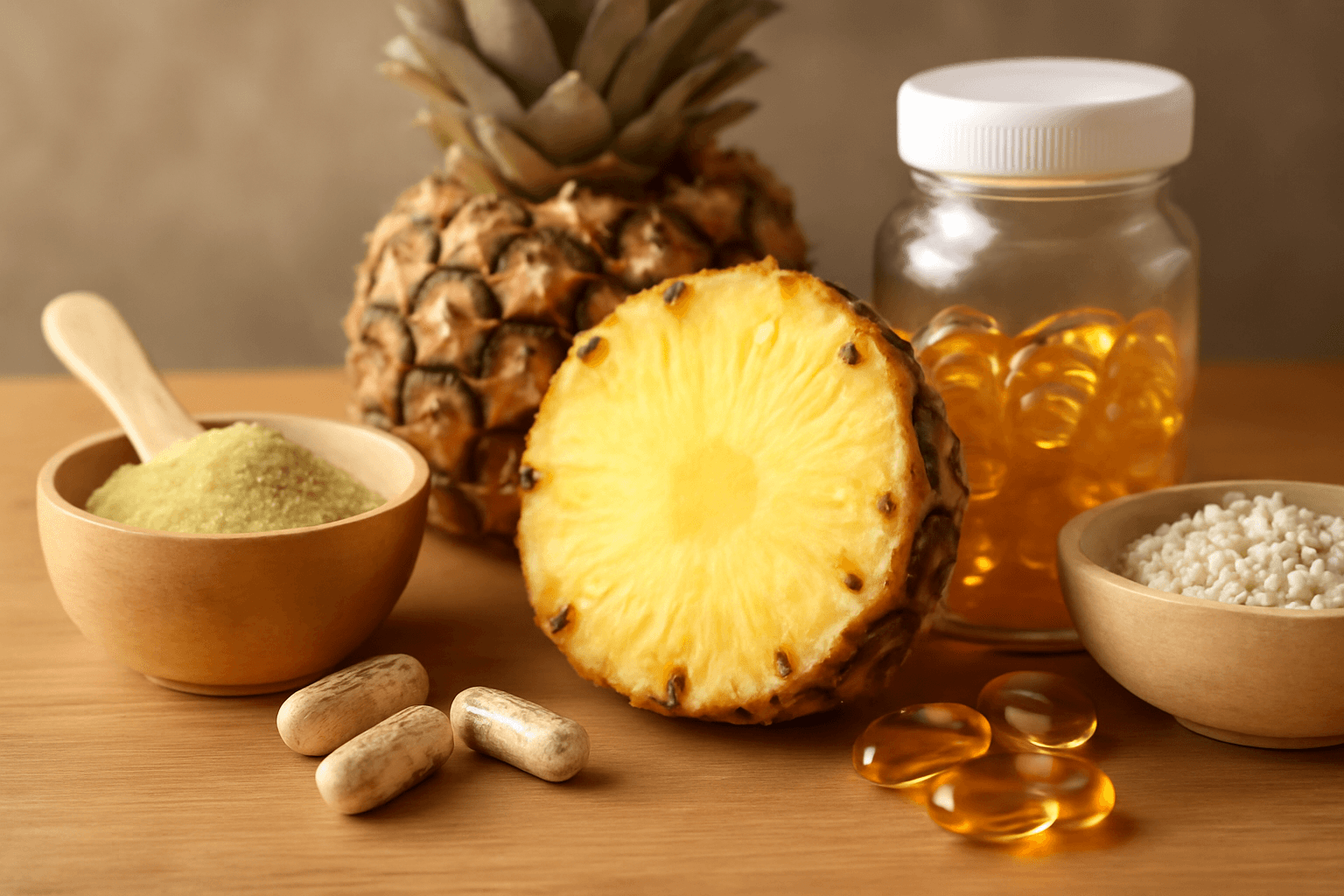
Bromelain is a natural protein-digesting enzyme (protease) extracted from pineapple stems and fruit. This enzyme breaks down proteins into amino acids, supporting the digestive process and positively affecting various physiological functions in the body. Bromelain was first discovered in 1891 and has since been extensively studied in medical and nutritional research.
One of bromelain's most notable characteristics is its anti-inflammatory action. It helps suppress the production of inflammation-causing compounds in the body and regulate inflammatory responses. Additionally, bromelain possesses immune-modulating abilities, enhancing natural killer (NK) cell activity and strengthening the overall immune system.
Interestingly, bromelain retains approximately 40% of its activity without being destroyed by stomach acid in the mouth, stomach, and small intestine. This is why bromelain supplements can be effective. Pure pineapple fruit contains about 40-160 mg of bromelain per 100g, while the stem contains even higher concentrations.
Where is Bromelain Used?
Bromelain is utilized in both traditional medicine and modern clinical practice in various ways. The most common application is digestive support. Particularly for people experiencing digestive discomfort after high-protein meals or those lacking digestive enzymes, bromelain supplements can promote protein breakdown.
In sports medicine, bromelain is widely used to accelerate injury recovery. It can help shorten recovery periods for muscle damage, ligament sprains, and bruising. Additionally, it's utilized to accelerate post-surgical recovery and reduce swelling and inflammation at surgical sites.
- Digestive Support: Promotes protein breakdown and alleviates digestive discomfort
- Inflammation Management: Helps ease chronic inflammatory conditions
- Immune Enhancement: Activates natural defense systems
- Joint Health: Alleviates arthritis symptoms
- Respiratory Health: Eases respiratory infection symptoms
- Wound Healing: Promotes recovery after surgery or trauma
Bromelain and Sports Injuries
Sports injuries cause microscopic damage to muscles, ligaments, and connective tissue, resulting in inflammation, swelling, and pain. In this process, bromelain performs a dual role. First, it reduces swelling in damaged tissue, and second, it accelerates the recovery process.
In a study published in the Sports Medicine journal in 2006, when athletes took bromelain supplements, they experienced an average 2-3 day reduction in muscle damage recovery time compared to a control group that didn't take bromelain. Additionally, swelling reduction and pain relief were achieved more quickly.
Bromelain's mechanism of action involves suppressing the production of inflammatory mediators and improving blood supply to damaged tissue. This promotes nutrient and oxygen delivery, accelerating the body's natural healing process. For the most effective results, begin taking bromelain within 2-3 days after injury occurs.
Recommendation: For serious sports injuries, always consult an orthopedic surgeon or sports medicine specialist before taking bromelain supplements.
Bromelain and Surgical Recovery
Surgery is intentional trauma to the body. The incision, tissue damage, and blood vessel damage at surgical sites naturally trigger inflammatory responses. While this inflammation is a necessary healing process, excessive inflammation can increase pain, swelling, and infection risk.
Several clinical trials have shown remarkable results when surgical patients took bromelain supplements. In a 2005 meta-analysis study, the bromelain-taking group experienced 42% faster swelling reduction, with significantly lower pain levels. Infection complication rates also decreased.
Bromelain is effective for surgical recovery for several reasons. First, it removes endogenous and exogenous metabolic products from damaged tissue. Second, it improves blood and lymphatic circulation, enhancing the body's natural healing ability. Third, it has antimicrobial properties that prevent infection. Generally, taking 500-1000 mg daily for 1-2 weeks after surgery can be expected to yield optimal results.
Caution: If you've been taking blood clot prevention medication starting two weeks before surgery, bromelain can further thin your blood, so definitely consult your doctor.
Bromelain and Joint Health
Arthritis (particularly osteoarthritis and rheumatoid arthritis) is a chronic condition characterized by joint inflammation and cartilage damage. Because conventional anti-inflammatory drugs can cause side effects, many patients are seeking natural alternatives. Bromelain is one such alternative.
In a double-blind study conducted in Germany in 2002, arthritis patients taking bromelain experienced an average 35% reduction in joint pain. Joint stiffness also improved, enhancing everyday functional ability. It was particularly effective for patients with mild to moderate osteoarthritis.
The mechanism by which bromelain benefits joint health is as follows. First, it suppresses the production of inflammatory cytokines, directly reducing inflammation within the joint. Second, it modulates the immune system, alleviating autoimmune responses. Third, it prevents scar tissue formation and maintains joint flexibility. For joint health, consistent intake is important, with a recommended daily intake of 500-1500 mg for at least 3-4 weeks.
Additionally, bromelain's effects are maximized when combined with omega-3 fatty acids, magnesium, and turmeric (curcumin). Omega-3 provides additional anti-inflammatory effects, magnesium aids muscle relaxation, and turmeric works synergistically with bromelain to more effectively reduce joint inflammation.
Bromelain and Respiratory Health
Respiratory infections include a range of conditions from upper respiratory tract infections (colds, pharyngitis) to lower respiratory tract infections (bronchitis, pneumonia). These infections are characterized by airway inflammation and mucus accumulation. Bromelain helps address both of these issues.
Bromelain's respiratory health benefits are supported by multiple clinical studies. In research published in 2013, chronic bronchitis patients taking bromelain experienced a 66% reduction in cough symptoms, and mucus clearance improved. Shortness of breath was also significantly relieved.
Bromelain is effective for respiratory health through three mechanisms. First, through its expectorant action, it breaks down airway mucus, making it easier to expel. Second, it reduces airway inflammation, facilitating easier breathing. Third, its antimicrobial properties suppress infection. It is most effective in the early stages of upper respiratory infections, so beginning use as soon as symptoms appear is beneficial.
Bromelain intake for respiratory health differs from general wellness use. To alleviate respiratory conditions, it's most effective to take 400-500 mg daily divided into 3-4 doses on an empty stomach (without food). This approach increases absorption rates while maintaining digestive health.
Information: Bromelain is not a cold medication, and medically diagnosed lower respiratory tract infections (such as pneumonia) must be treated with antibiotics alongside bromelain.
Bromelain Food Sources and Forms
Fresh pineapple is the best source of bromelain. It contains approximately 40-160 mg of bromelain per 100g, with higher concentrations in the stem. However, bromelain is heat-sensitive, so canned or heat-processed pineapple contains little to no active bromelain. Therefore, choosing fresh pineapple is important.
It's difficult to obtain sufficient bromelain from pineapple alone. To consume therapeutic levels of bromelain (500-2000 mg) for health benefits, you would need to eat 2-4 pineapples daily, which isn't practical. Therefore, bromelain supplements are the most practical choice.
Bromelain supplements are available in several forms:
- Capsules/Tablets: The most common form, providing doses in the 250-500 mg range.
- Powder: Can be mixed into smoothies or beverages, allowing flexible dosage adjustment.
- Liquid: Allows for rapid absorption, though few products are currently available.
- Combination Formulas: Include other digestive enzymes alongside bromelain, such as papaya pepsin, ginger, and turmeric.
When selecting supplements, choose products certified by GMP (Good Manufacturing Practice), and look for products with clearly labeled active enzyme units (FIP units or GDU). Generally, 250-500 mg daily for general wellness and 1000-2000 mg for therapeutic purposes is recommended.
Bromelain Side Effects and Precautions
Bromelain is generally a safe natural enzyme, but like all health products, side effects or interactions can occur in certain situations. The most common side effects are gastrointestinal symptoms. Particularly when taking high doses of bromelain or on an empty stomach, nausea, abdominal discomfort, and diarrhea may occur.
Allergic reactions are also possible. If you have a pineapple allergy or a latex allergy or sensitivity, consult a doctor before using bromelain supplements. Some people may experience mouth tingling, tongue swelling, or skin rashes.
Blood clotting and drug interactions are more important considerations. Since bromelain has properties that slightly inhibit blood clotting:
- If you're taking warfarin (Warfarin), aspirin, or anticoagulants, doctor approval is necessary.
- It should not be used if you have blood clotting disorders.
- Discontinue use two weeks before surgery.
- Taking simultaneously with antibiotics can increase antibiotic absorption, so doctor consultation is needed.
During pregnancy and nursing, bromelain use should be avoided due to insufficient safety data. Additionally, children should only use it under medical supervision.
Important: If you have chronic conditions or take prescription medications, consult your doctor or pharmacist before starting bromelain supplements.
Summary: Key Points About Bromelain
Bromelain is a powerful protein-digesting enzyme naturally present in pineapples, offering the following key health benefits:
- Enhanced Digestion: Aids protein breakdown and alleviates digestive discomfort.
- Sports Injury Recovery: Reduces swelling and shortens recovery period by 2-3 days.
- Accelerated Surgical Recovery: Swelling decreases 42% faster and infection risk is reduced.
- Improved Joint Health: Reduces arthritis pain by 35% and enhances flexibility.
- Respiratory Health: Reduces coughing by 66% and improves mucus clearance.
- Enhanced Immunity: Promotes natural killer cell activity.
For effective intake:
- Fresh pineapple is beneficial, but supplement use is recommended if you're seeking therapeutic effects.
- 250-500 mg daily for general wellness maintenance; 1000-2000 mg for treating specific conditions.
- For maximum efficiency, take on an empty stomach (or as directed by your doctor).
- Taking with omega-3, magnesium, and turmeric maximizes anti-inflammatory effects.
While side effects are generally mild, those taking blood thinners, pregnant women, and those with blood clotting disorders must consult healthcare professionals. Remember that bromelain is part of a complementary health strategy, not a replacement for medical treatment. Always prioritize professional diagnosis and guidance from specialists for chronic conditions or serious symptoms.