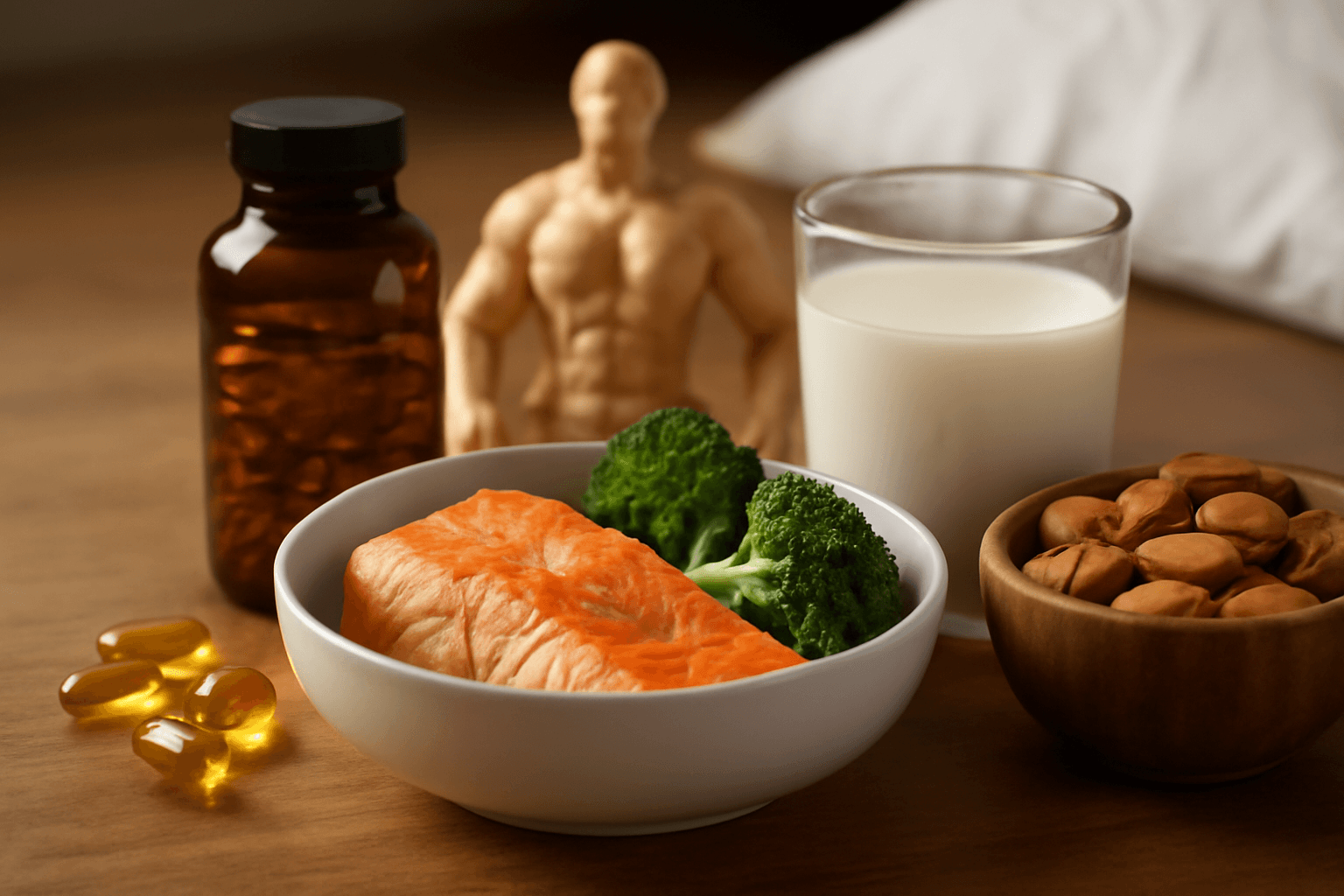
The thyroid is a crucial endocrine gland responsible for metabolism, energy levels, and body temperature regulation. Approximately 12% of modern people experience thyroid disease, and it is particularly common in women. Hypothyroidism and hyperthyroidism caused by autoimmune diseases can have their symptoms alleviated through improved lifestyle habits and nutrition. This article explores how key nutrients like protein, iron, zinc, and omega-3 fatty acids, along with adequate sleep, stress management, and digestive health, naturally support thyroid function.
Signs Your Thyroid May Need Support
Early signs of hypothyroidism are highly varied and easily confused with other conditions. Chronic fatigue is the most common symptom, with tiredness persisting even after adequate sleep. Body temperature runs below the normal range (approximately 36.5°C or lower) and sensitivity to cold increases.
Weight gain occurs due to slowed metabolism, and weight may not decrease despite exercise or dietary changes. Dry skin, hair loss, and weak nails are also typical symptoms. Reduced cognitive function leads to decreased concentration, memory impairment, and commonly accompanies depression or anxiety.
Decreased digestive function appears as constipation, bloating, and food sensitivities. Irregular menstruation, decreased libido, and muscle pain are symptoms to watch carefully. Physical changes such as swelling at the front of the neck (goiter), neck discomfort, hoarseness, or difficulty swallowing may also occur. If these symptoms persist for more than two weeks, you should see a medical professional.
What Causes the Immune System to Attack the Thyroid?
Hashimoto's thyroiditis, an autoimmune thyroid disease, occurs when the body's immune cells recognize thyroid tissue as foreign invaders and attack it. This results from a combination of genetic predisposition and environmental factors.
Gut microbiota imbalance (dysbiosis) is one of the major causes. A healthy gut microbiome educates and regulates the immune system, but when this balance is disrupted by excessive antibiotic use, processed food consumption, and low dietary fiber intake, immune dysfunction can occur. Research shows that patients with "leaky gut syndrome," characterized by increased intestinal permeability, have higher rates of autoimmune disease development.
Viral infections also play an important role. Cases of thyroid disease developing after Epstein-Barr virus (EBV), rubella virus, and coronavirus infections have been reported. A phenomenon called "molecular mimicry" can occur, where viral antigens have structures similar to thyroid tissue, causing the immune system to become confused.
High stress hormones also lead to immune imbalance. When cortisol levels remain continuously elevated during chronic stress, the balance of Th1/Th2 immune responses is disrupted, triggering autoimmune reactions. Hormonal changes, particularly fluctuations in estrogen levels in women, also strengthen autoimmune responses, which is why women experience thyroid disease 10 times more frequently than men.
Nutritional deficiencies, particularly lack of vitamin D, selenium, and zinc, impair immune regulation. People with vitamin D blood concentrations of 20 ng/mL or lower have significantly higher risk of Hashimoto's thyroiditis.
How to Support Thyroid Health
1. Consume Adequate High-Quality Protein
Protein is the basic building block for thyroid hormone (T3, T4) production and is essential for synthesizing immune proteins that regulate thyroid antibodies. The daily recommended amount is 1.2–2.0g per kilogram of body weight (for a 60kg person: 72–120g).
Top protein sources:
- Free-range chicken and turkey (rich in selenium)
- Wild-caught salmon and sardines (containing omega-3 fatty acids and vitamin D)
- Organic grass-fed beef (rich in iron and zinc)
- Whole eggs (containing choline and lutein)
- Organic Greek yogurt and kefir (including probiotics)
- Lentils and black beans (combining dietary fiber and protein)
Distributing protein intake across meals maximizes absorption efficiency. Consuming 30g at breakfast and 35–40g at lunch and dinner respectively maintains optimal amino acid levels.
2. Enhance Digestive Health
Only about 20% of thyroid hormone is converted to its active form in the liver, while the remaining 80% is converted in the intestines. Therefore, a healthy gut microbiome directly affects thyroid function.
Practices to improve digestive health:
- Consume fermented foods daily: Probiotics from kimchi, miso, tempeh, and sauerkraut strengthen intestinal wall integrity and reduce inflammation
- Get adequate dietary fiber: Consume 25–35g daily (women) or 30–40g (men) to increase microbial diversity
- Maintain HCl (stomach acid) levels: Low stomach acid impairs iron, vitamin B12, and calcium absorption. Improve with ginger tea or apple cider vinegar (1 tablespoon before meals)
- Consider eliminating gluten: Even without celiac disease, gluten sensitivity can damage the small intestine, and trial elimination is recommended especially for those with thyroid disease
- Remove inflammatory foods: Limit refined oils, ultra-processed foods, and excessive caffeine
3. Optimize Iron and Zinc
Iron is essential for thyroid peroxidase (TPO) production, and iron deficiency increases hypothyroidism risk by 5 times. Serum ferritin levels of 30–100 ng/mL are ideal for thyroid health (though the general normal range is wider).
Iron-containing foods:
- Oysters and mussels (25% absorption rate)
- Grass-fed beef liver (27% absorption rate; 85g per week is sufficient)
- Black beans and lentils (plant-based iron; consume with vitamin C)
- Beets and dark chocolate (70% or higher)
Zinc is important for immune regulation and T3 conversion, and thyroid function declines when serum zinc is below 50mcg/dL. Zinc sources: oysters (7mg per oyster), beef (7mg per 100g), pumpkin seeds (9mg per ounce), cacao (1.3mg per tablespoon). Daily intake of 8–11mg (women) or 11mg (men) is necessary. When taking iron or zinc supplements, dosage should be determined after professional testing.
4. Get Adequate Omega-3 Fatty Acids
The EPA and DHA in omega-3 fatty acids reduce inflammation in hypothyroidism patients and lower antibody levels. One study found that after consuming 2,000mg of omega-3 for 12 weeks, TPO antibodies decreased by 22%.
Optimal omega-3 choices:
- Wild-caught salmon (540mg EPA and 510mg DHA per 100g)
- Sardines, mackerel, and anchovies
- Walnuts (9,080mg ALA per 100g—partially converted in the body)
- Flaxseeds and chia seeds (1 tablespoon daily)
- Seaweed supplements (vegan option containing 200–300mg DHA)
The daily recommended amount is 1,000–2,000mg EPA+DHA. When choosing high-quality fish oil supplements, verify through third-party testing that they are free from heavy metal contamination.
5. Support Thyroid Regeneration with Deep Sleep
Thyroid hormone secretion follows a daily rhythm, with TSH (thyroid-stimulating hormone) peaking around 10 PM. Sleep deprivation causes TSH suppression and reduced T4 conversion, worsening thyroid function. Thyroid disease risk increases by 30% in people sleeping less than 6 hours.
Thyroid-friendly sleep routine:
- Keep a consistent sleep schedule: Sleep and wake at the same time daily (including weekends)—stabilizes circadian rhythm
- Sleep between 10 PM and 6 AM: Optimal window for cortisol and melatonin levels
- Stop light exposure 2 hours before bed: Wear blue light-blocking glasses and avoid smartphones
- Finish eating 3 hours before bed: Prevent digestion from interfering with sleep
- Maintain bedroom temperature of 16–19°C (61–66°F): Promotes deep REM sleep
- Magnesium supplementation: Take 200–400mg glycinate magnesium 30 minutes before bed (muscle relaxation effect)
If sleeping less than 7 hours per week, consult a healthcare professional to establish sleep improvement strategies.
6. Recalibrate the Immune System Through Stress Management
Chronic stress continuously elevates cortisol, activating Th1 immune response and worsening autoimmune reactions. 78% of autoimmune thyroiditis patients experienced serious stress within 6 months before disease onset.
Proven stress-reduction methods:
- Mindfulness meditation: 10–15 minutes daily meditation reduces TNF-alpha (inflammatory cytokine) by 30%
- Yoga: Practicing gentle yoga 3 times weekly reduces cortisol by 25% and decreases TPO antibodies
- Breathing exercises: 4-7-8 breathing (inhale for 4 seconds, hold for 7 seconds, exhale for 8 seconds) for 5 minutes activates the parasympathetic nervous system
- Nature exposure: Spend 20–30 minutes in green spaces 3+ times per week—normalizes stress hormones
- Social activities: 3+ meaningful face-to-face interactions per week—reduces inflammation related to loneliness
- Artistic expression: Journaling, drawing, and music (2 hours per week) improve emotional regulation
If experiencing chronic stress symptoms (insomnia, anxiety, depression), professional help from a therapist or mental health specialist is necessary.
Conclusion
Six core strategies to naturally support thyroid health:
- High-quality protein: 1.2–2.0g per kilogram of body weight daily, distributed across meals for sustained amino acid supply
- Digestive health: Optimize hormone conversion with probiotics, gluten elimination, and 25–35g dietary fiber
- Iron and zinc: Support enzyme production with ferritin at 30–100 ng/mL and zinc at 8–11mg daily
- Omega-3: Reduce inflammation and regulate antibodies with 1,000–2,000mg EPA+DHA
- Deep sleep: Synchronize thyroid hormone secretion with 7–9 hours daily at consistent times
- Stress management: Correct immune imbalance through meditation, yoga, and nature exposure
Medical disclaimer: This information is for educational purposes and cannot replace medical diagnosis or treatment. If you suspect thyroid dysfunction, see a healthcare professional for TSH, T3, T4, and TPO antibody testing. If taking thyroid medications, consult your doctor before making supplement or dietary changes. Supplementation with specific nutrients like iodine, selenium, and vitamin D requires customized plans that consider your underlying conditions and potential drug interactions.
Thyroid health improves through an integration of multiple life aspects—nutrition, sleep, stress, and digestion—rather than a single factor. Gradually implement the above methods over 8–12 weeks and monitor progress with blood tests. Since individual genetic predisposition and environment vary, it is important to systematically identify which methods are most effective under professional guidance.