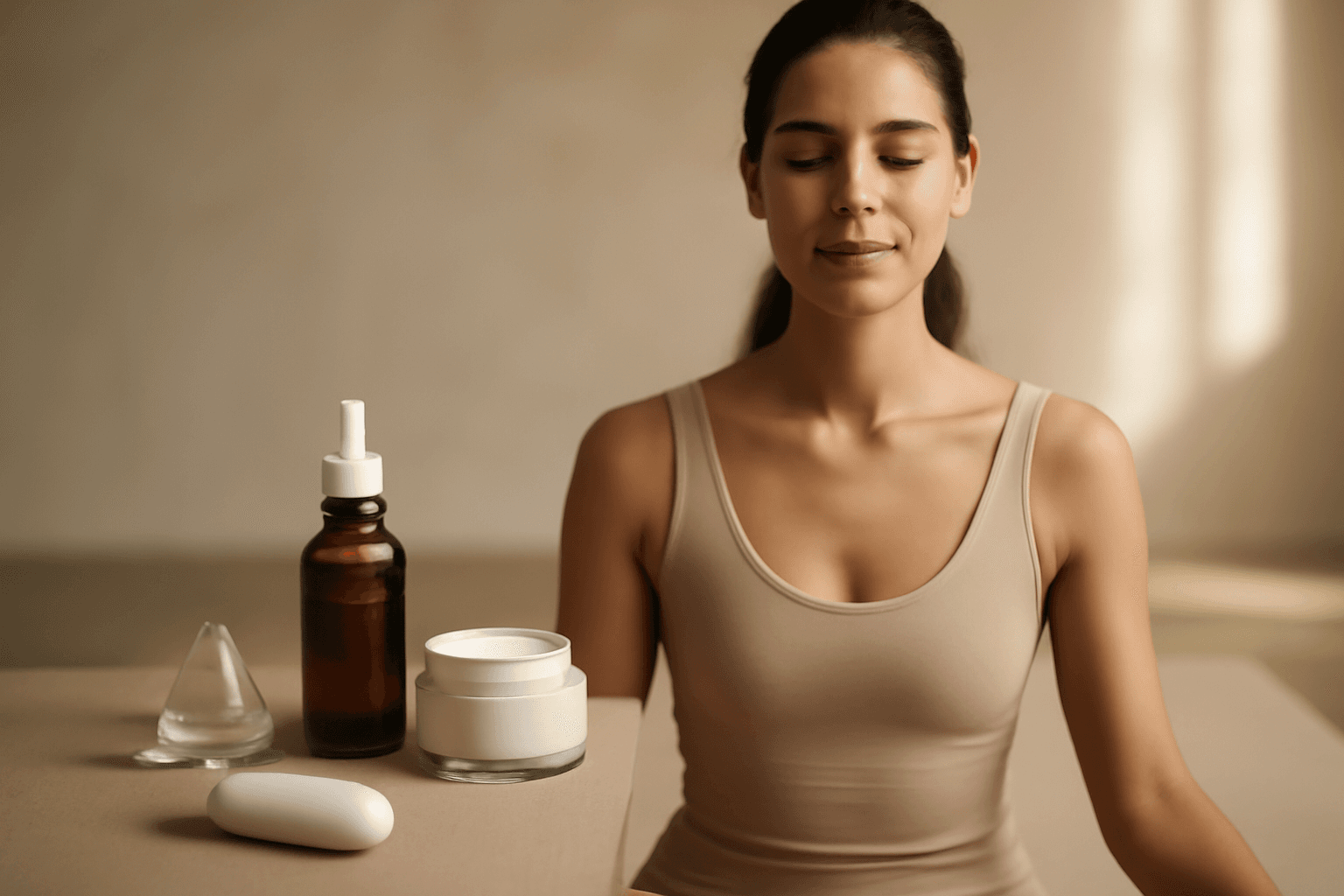
As mask-wearing has become commonplace, the number of people suffering from maskne (acne caused by masks) has increased. This phenomenon occurs when the humid environment and friction inside the mask irritate the skin and promote bacterial growth, leading to acne. This article identifies the root causes of maskne and presents six preventative methods you can implement in your daily life. Through appropriate skincare routines and skin health management, you can effectively prevent maskne.
What Causes Maskne?
Maskne is classified as occlusive acne caused by mask-wearing. The interior of a mask creates a high-humidity environment where humidity levels reach 75-99% due to breathing. In this environment, the skin's pH becomes alkaline, weakening the skin barrier and promoting the growth of Cutibacterium acnes, the bacteria responsible for acne.
The repetitive friction between the mask and skin causes microscopic damage to the skin surface and clogs pores, preventing sebum and dead skin cells from being expelled. Acne develops intensively in areas that contact the mask, such as the cheeks, chin, and nose. Additionally, limited sweat drainage intensifies skin irritation, and existing acne may worsen.
Mask material also plays an important role. Synthetic fiber masks with low breathability cause more skin irritation than disposable surgical masks. Choosing cotton masks or masks made from highly breathable materials can lower humidity levels and help improve symptoms to some degree.
How Can You Prevent Maskne?
1. Maintain Clean Cleansing Habits
The first step in preventing maskne is keeping your skin clean. On days you wear a mask, you should wash your face twice daily with a gentle cleanser in the evening. Avoid using excessively hot water or rubbing too hard during cleansing, as this can damage your skin barrier. Instead, cleanse gently with lukewarm water.
After cleansing, pat your skin dry with a towel instead of rubbing. Rubbing provides similar irritation to mask friction, so it won't produce good results. After coming home and removing your mask, soothing your skin with a light cleansing water or mist is also a good approach.
2. Strengthen Your Skin Barrier Through Adequate Moisturization
A healthy skin barrier protects your skin from external irritation and inhibits bacterial growth. Within three minutes of cleansing, supply moisture with a toner or essence, and using an essence containing hyaluronic acid can increase skin hydration. Hyaluronic acid can retain moisture equal to 1000 times its own weight, providing deep moisturization.
During the moisturizing step, using cream or lotion containing ceramides is effective. Ceramides function as intercellular lipids in the skin's stratum corneum, preventing water loss and strengthening the skin barrier. If your skin is dry, use a moisturizing essence and cream twice daily, and apply intensive moisturization with hydrating cream or mask packs at night.
3. Minimize Skin Irritation with Retinol Products
Retinol, a vitamin A derivative, promotes skin regeneration and improves exfoliation of follicles, making it effective for acne prevention. Retinol increases collagen synthesis to improve skin elasticity and shortens the skin turnover cycle from 28 days to 21 days, maintaining healthy skin before acne develops.
However, since retinol is an irritating ingredient, it's best to start with low-concentration products during severe maskne periods. Use it 2-3 times per week in the evening only, applying just a rice grain-sized amount thinly. You must use sunscreen after applying retinol. If your skin becomes dry or irritated while using retinol, reduce the frequency or temporarily discontinue use.
4. Minimize Mask-Wearing Time and Choose the Right Material
If there's no medical necessity, reducing mask-wearing time is effective. Remove your mask indoors and regularly take breaks from wearing it in well-ventilated areas to let your skin rest. When you remove your mask, exposing your face to air for 2-3 minutes to remove moisture also helps.
Choosing the right mask material is important. Select cotton-blend masks or materials with high breathability, and you can place a thin cotton cloth inside the mask to reduce direct contact with your skin. If using disposable masks, replace with a new one after wearing for more than four hours. Adjust the mask strap length appropriately to ensure the mask isn't too tight, reducing friction from the straps.
5. Utilize Anti-Inflammatory Ingredients and Soothing Essences
If maskne has already developed, use products containing inflammation-reducing ingredients. Niacinamide (vitamin B3) regulates sebum secretion and provides anti-inflammatory action, while Centella asiatica excels at skin soothing and recovery of damaged skin.
After cleansing, it's important to first calm skin inflammation with a soothing essence or toner before applying moisturizing products. Choose a gentle soothing essence without alcohol content, and using a refrigerated soothing mask pack 2-3 times per week helps reduce inflammation. For severe inflammation, using a sheet mask rich in soothing ingredients daily is also an option.
6. Protect Skin Health by Improving Lifestyle Habits
Lifestyle habits are as important as skincare. Sufficient sleep (7-9 hours per day) is essential for skin self-regeneration, and sleep between 10 p.m. and 2 a.m. is particularly important. During this time, growth hormone secretion peaks, making skin cell regeneration most active.
Regular exercise improves blood circulation and supplies oxygen and nutrients to the skin. However, you must wash thoroughly after exercise to prevent sweat and sebum from remaining in your pores. It's good to limit excessive consumption of greasy foods, dairy products, and refined carbohydrates, as these increase sebum secretion. Conversely, berries rich in antioxidants, green leafy vegetables, and omega-3 fatty acids found in fish help reduce skin inflammation.
Stress is also a major cause of acne. When cortisol, a stress hormone, increases, sebum secretion rises and the skin barrier weakens. Managing stress through activities like yoga, meditation, and walking directly improves skin condition.
What Else Can You Do?
The Importance of Consulting a Dermatology Expert
If maskne persists for more than two weeks or doesn't improve with self-care, you should consult a dermatologist. A doctor can accurately diagnose your skin condition and recommend treatments such as topical antibiotics, benzoyl peroxide, or prescription retinoids as needed. Professional treatment is essential, especially if acne becomes pustular or develops into deep cystic forms.
Additional Care Methods
Undergoing chemical peeling or enzyme peeling 1-2 times per week can remove dead skin cells and relieve pore congestion. However, during severe maskne, this can provide additional skin irritation, so it's safer to proceed after consulting with a dermatologist.
Blue light masks and LED light therapy devices are also effective. Blue light (430-450nm) kills acne-causing bacteria, while red light (620-700nm) promotes inflammation relief and skin regeneration. Using for 10-20 minutes per session, three times per week, can show improvement results after two weeks.
Coping Strategies When Mask Use is Essential
For healthcare workers or those who must wear masks all day for essential work, special preventative strategies are necessary. Place disposable gauze or cotton sheets inside the mask to reduce direct contact, and remove your mask in ventilated areas every two hours to dry your skin. It's important to wash your face during lunch and reapply moisturizing essence. You can also spray a mild mist with antibacterial ingredients inside the mask to inhibit bacterial growth.
Conclusion
While maskne is an unavoidable skin problem in modern society where mask-wearing is inevitable, it can be sufficiently improved through appropriate prevention and management.
The key points for preventing maskne are as follows:
- Balance cleansing and moisturization: Avoid overly strong cleansing that causes damage; cleanse thoroughly with gentle products while providing sufficient moisturization with ceramides and hyaluronic acid.
- Strengthen your skin barrier: A healthy skin barrier effectively blocks external irritation and inhibits bacterial growth.
- Utilize retinol and vitamin A: Using low-concentration retinol 2-3 times per week promotes skin turnover and improves pore congestion.
- Improve mask-wearing habits: Reduce wearing time, choose highly breathable materials, and replace masks regularly.
- Utilize anti-inflammatory ingredients: For already-developed acne, soothing ingredients like niacinamide and Centella are effective.
- Improve lifestyle habits: Sufficient sleep, regular exercise, proper diet, and stress management form the foundation of skin health.
If your condition doesn't improve with self-care for more than two weeks or if acne worsens, please consult a dermatologist. Customized treatment may be necessary depending on your individual skin condition and acne severity, and proceeding under professional guidance is the safest and most effective approach.
Maskne is not a temporary phenomenon but a skin problem that requires management as long as mask-wearing continues. By consistently practicing the methods above, you can significantly improve your skin condition and ultimately maintain healthy, clear skin.