Maintaining healthy skin and immunity as you age requires more than just external care alone. True beauty and longevity stem from balanced management of both internal and external factors. Through six key methods—from protein intake to sleep quality and stress management—you can delay skin aging, strengthen your immune system, and prevent cellular damage with antioxidants. This article will introduce science-based, practical methods to guide you toward a healthier and more beautiful life.
1. Skincare: Building Skin Health from the Basics
The skin is the body's largest organ, serving as a protective barrier against external environmental factors. Effective skincare is not simply about eliminating wrinkles, but rather strengthening the skin barrier and preventing moisture loss. As we age, collagen production in the skin decreases by approximately 1% each year, making the use of products with appropriate ingredients essential to compensate for this loss.
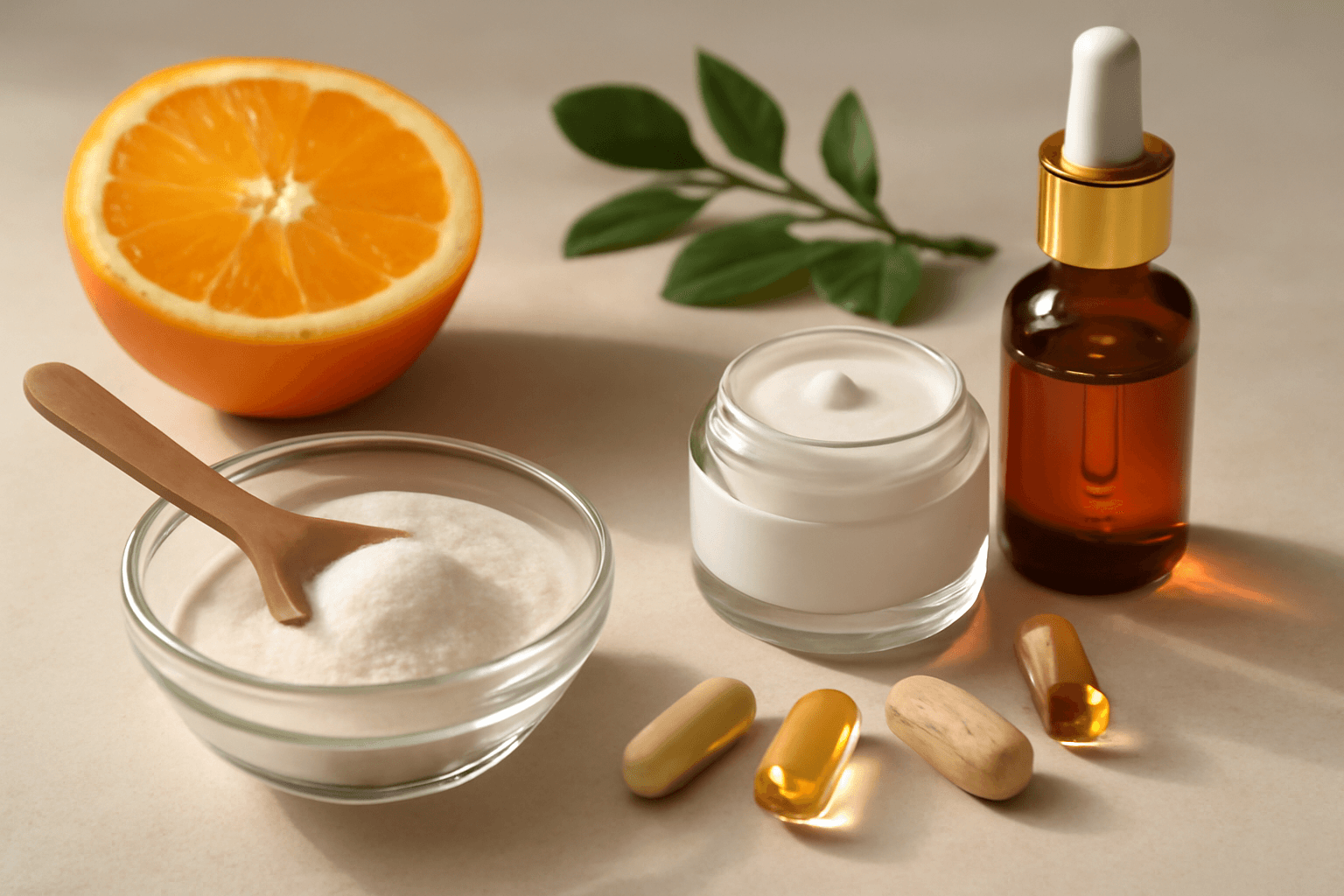
Products containing Vitamin A (retinol) promote cell regeneration and are effective for improving wrinkles. It is recommended to use them at night, starting with 2-3 times per week initially, then increasing frequency as your skin adapts. If you have sensitive skin, start with a low concentration or consult a specialist.
Vitamin C serum neutralizes free radicals through antioxidant action and brightens skin tone. Using it after morning cleansing provides protection from environmental pollution throughout the day. A 10-15% concentration product achieves a balance between effectiveness and safety.
- Use lukewarm water (approximately 32°C) during morning and evening cleansing to minimize skin irritation
- Choose moisturizing cream according to your skin type, always applying it after essence
- Use exfoliants 1-2 times per week to remove dead skin layers
- Adjust product ingredients according to seasonal changes
The most important principle of skincare is consistency. You should use the same product for at least four weeks before assessing its effectiveness, as abrupt product changes can cause skin irritation. If you experience irritation or allergic reactions, discontinue use immediately and consult a dermatologist.
2. Sun Protection: Eliminating the Biggest Cause of Skin Aging
UV rays are the primary cause of approximately 80% of skin aging. UVA penetrates deep into the skin, damaging collagen and elastin, while UVB damages the epidermis, causing inflammation and loss of elasticity. Sun protection is essential year-round, 365 days a year, since UV rays penetrate through glass even on cloudy days and indoors.
SPF (Sun Protection Factor) indicates the ability to block UVB rays. SPF 30 blocks 97% of UV rays, while SPF 50+ blocks 99% or more. While it's easy to assume that higher SPF values are better, the correct application amount and reapplication frequency are actually more important. Experts recommend using at least a coin-sized amount (approximately 1/4 teaspoon) of sunscreen on your face.
PA index (Protection Grade of UVA) indicates the ability to block UVA rays, with more plus signs indicating superior protection. PA+++ effectively blocks UVA rays that penetrate deep into the skin. For general outdoor activities, use SPF 30 PA++, and for activities with strong UV exposure (swimming, hiking, etc.), use SPF 50+ PA+++.
- Apply sunscreen 15 minutes before going out to allow absorption time
- Reapply every 2-3 hours, especially after exposure to sweat or water
- Apply to not just the face, but also the neck, ears, scalp, and back of hands
- Strengthen physical protection by using UV-blocking clothing, hats, and sunglasses
- UV index is low between 10 p.m. and 4 a.m., so sun protection can be relaxed during outings at those times
UV rays also increase the risk of cancer. Sun protection is crucial for preventing skin cancer. If you have experienced severe sunburn in the past or have a family history of skin cancer, receive regular dermatological examinations.
3. Building Healthy Habits: Skin that Glows from Within
Skin health starts with food. Protein is the foundation of collagen and elastin, the main components of skin, and antioxidants protect cells from free radicals. As muscle mass decreases after your 30s and metabolism slows, adequate protein intake prevents this decline and maintains skin elasticity.
Daily protein intake should be 0.8-1.0g per kilogram of body weight. For someone weighing 60kg, 50-60g of daily protein is needed, which can be met by a combination of 3 eggs, 100g of chicken breast, 200g of tofu, and 1 cup of yogurt. It's good to consume both animal and plant-based proteins in balanced amounts.
Antioxidant-rich foods eliminate reactive oxygen species that accelerate skin aging. Berries (blueberries and strawberries) are rich in anthocyanins, and green tea has high catechin content. Polyphenols in dark chocolate (70% cacao or higher) improve blood circulation. Salmon and egg yolks rich in Vitamin D are also effective for strengthening immunity and reducing inflammation.
- Consume at least 5 different colored fruits and vegetables daily
- Consume omega-3 fatty acids (salmon, flaxseed, nuts) 2-3 times per week
- Minimize refined sugars and processed foods (which trigger skin inflammation)
- Limit processed meat intake (high in saturated fat and sodium)
- Minimize alcohol consumption (causes skin dehydration and inflammation)
If you have food allergies or sensitivities, identifying and eliminating them can also help improve your skin. If your skin condition worsens after eating certain foods, keep a record to identify patterns, and consult with a nutritionist or doctor if needed.
4. Hydration: The Foundation of Skin Health
The outermost layer of skin (epidermis) is composed of more than 70% water. Adequate water intake maintains skin elasticity, activates metabolism, and helps eliminate waste. While many people aim for "eight glasses of water a day," the actual requirement varies depending on individual body weight, activity level, and climate.
The basic daily water intake is body weight (kg) × 30ml. For someone weighing 60kg, 1.8L (approximately 9 glasses) is needed. If exposed to exercise or warm environments, you need to drink more. The benefits of water intake extend beyond the skin to overall health. Research shows that adequate hydration improves skin elasticity and is effective in reducing wrinkles.
Methods to improve hydration efficiency include distributed intake. Drinking in smaller amounts spread throughout 2-3 hour intervals is more effective for maintaining skin moisture content than consuming large amounts at once. In the morning, choose caffeine-free beverages (water, herbal tea), and in the afternoon, green tea or oolong tea are also good options. Excessive caffeine intake causes diuretic effects leading to water loss, so limit it to 200mg per day (2 cups of coffee) or less.
- Drink a glass of warm water immediately after waking to activate metabolism
- Consume water 30 minutes before meals (improves digestion)
- Drink adequate electrolyte beverages during and after exercise
- Limit excessive water intake after 8 p.m. (may interfere with sleep)
- Develop the habit of drinking before feeling thirsty
Water intake alone is insufficient; external skin moisture management is also important. Immediately after cleansing, apply essence or emollients (water-containing basic skincare products) to prevent moisture loss. Especially in dry seasons or air-conditioned environments, using hydrating mask packs 1-2 times per week is effective for additional moisture supply.
5. Getting Quality Sleep: The Golden Hours of Skin Regeneration
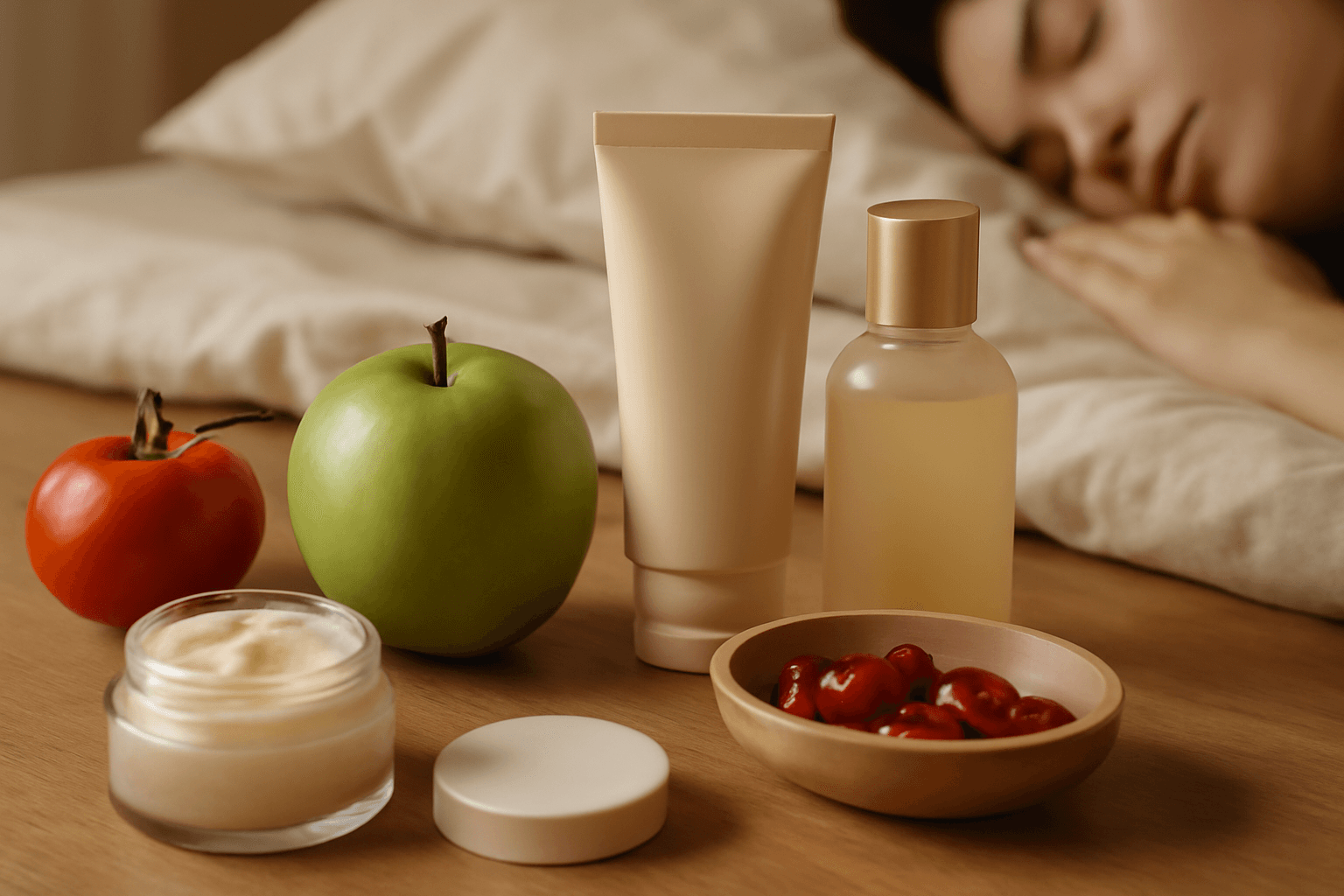
During sleep, growth hormone secretion increases, making skin cell regeneration most active. Between 10 p.m. and 2 a.m., skin moisture content reaches its peak, and collagen synthesis and antioxidant activity are maximized. Chronic sleep deprivation increases skin inflammation and raises levels of cortisol, a stress hormone, triggering acne and loss of skin elasticity.
Seven to nine hours of daily sleep is the baseline, but sleep quality is more important. Skin recovery is most active during deep sleep (slow-wave sleep), making the continuity and depth of sleep essential. According to research, sleep deprivation increases skin moisture loss rate by 30% and reduces the skin's ability to recover from UV damage by 30%.
Lifestyle habits to improve sleep quality are as follows. Maintain a consistent sleep schedule by going to bed and waking up at the same time every day. Limit exposure to blue light from smartphones and computers one hour before sleep, maintain bedroom temperature at 16-19°C, and create a dark environment. Stop eating two hours before bed so that digestion doesn't interfere with sleep.
- Wake up at a set time every day (including weekends, with minimal variation of 1 hour)
- Avoid caffeine after 3 p.m.
- Limit excessive water intake after 7 p.m.
- Practice relaxation exercises or meditation for 10-15 minutes before bed
- Keep your bedroom dedicated to sleep only
- Take a warm bath (38-40°C, 15-20 minutes) before bed to relax your body
If insomnia persists for more than two weeks or your sleep quality significantly declines, consult a sleep specialist. You may have sleep apnea or another sleep disorder, which affects not only skin health but also cardiovascular health.
6. Regular Stress Relief and Self-Care: Peace of Mind
Stress directly impacts skin health through hormonal changes. When cortisol and adrenaline secretion increases during stress, skin inflammation worsens and conditions like acne, eczema, and psoriasis develop or worsen. Additionally, stress weakens the immune system, making you vulnerable to infection, and increases free radicals, accelerating cellular damage.
Meditation and mindfulness are scientifically proven methods for stress reduction. Daily meditation practice of 10-20 minutes reduces cortisol levels by an average of 25% and activates the parasympathetic nervous system for body relaxation. If meditation is difficult, even deep breathing exercises are effective. The 4-7-8 breathing technique (4-second inhale, 7-second hold, 8-second exhale) repeated 5-10 times shows immediate calming effects.
Physical activity serves as a dual purpose for stress relief and immune strengthening. The recommended amount is 150 minutes per week of moderate-intensity aerobic exercise (brisk walking, cycling) or 75 minutes per week of high-intensity aerobic exercise (running, jump rope). During exercise, endorphins are released, improving mood, and improved blood circulation delivers oxygen and nutrients to the skin more efficiently. Strength training is also effective in preventing aging by maintaining muscle mass and promoting metabolism.
- Engage in at least 10 minutes of outdoor activity daily (sunlight exposure generates Vitamin D)
- Exercise regularly, 3-4 times per week, for 30 minutes or longer
- Pursue your favorite hobbies at least 1-2 times per week
- Maintain social relationships (isolation increases stress)
- Minimize electronic devices in the evening to relieve tension
If you suspect mental health issues such as depression or anxiety disorder, consult a professional psychotherapist or psychiatrist. Mental health and physical health are inseparable, and appropriate treatment directly leads to improved skin health.
Summary: The Importance of Internal and External Balance
True beauty and healthy aging are impossible with fragmented efforts. All elements work together—from skincare to sun protection, nutrition, hydration, sleep, and stress management—to achieve maximum results.
Summary of Key Points:
- Skincare: Utilize Vitamin A and C ingredients to promote cell regeneration and antioxidant action
- Sun Protection: Use SPF 30 or higher and PA++ or higher products year-round, reapplying every 2-3 hours
- Nutrition: Consume 0.8-1.0g of protein per kilogram of body weight and antioxidant-rich foods
- Hydration: Consume water at body weight × 30ml distributed throughout the day
- Sleep: Maximize skin cell regeneration with 7-9 hours of deep sleep daily
- Stress Management: Reduce cortisol and strengthen immunity through meditation, exercise, and hobbies
Consistently practicing these six methods can result in noticeable skin improvement within four weeks, and significant changes can be felt with three months or longer of continuation. Since individual differences exist, observe your body's response and make adjustments, but consult a healthcare professional if you experience side effects or concerning symptoms. Beauty and health are not achieved overnight but are the result of consistent effort and self-care.