Chronic inflammation, which threatens modern health, is a root cause of various diseases including heart disease, diabetes, and cancer. Certain foods and supplements are effective at lowering inflammation levels in the body and strengthening immunity. This article introduces the concept of an anti-inflammatory diet and seven scientifically proven foods and supplements, while providing practical information that can be applied immediately in daily life.
What is an Anti-Inflammatory Diet?
An anti-inflammatory diet is an eating pattern designed to reduce chronic inflammation in the body. This diet emphasizes foods rich in antioxidants and polyphenols while limiting refined carbohydrates and saturated fats. The Mediterranean diet, DASH diet, and Nordic diet are representative examples of anti-inflammatory diets.
The core principle of an anti-inflammatory diet is consuming whole foods in their natural, complete form. Foods with low glycemic index (GI), those rich in omega-3 fatty acids, and vegetables and fruits high in dietary fiber are prioritized. According to research, people who maintained an anti-inflammatory diet for six months or longer experienced an average 20-30% reduction in C-reactive protein (CRP) levels.
Additionally, this type of diet goes beyond simple weight loss and improves the gut microbiota environment. Healthy gut microbiota produce anti-inflammatory substances, which is important in breaking the vicious cycle that reduces inflammatory markers in the blood plasma. Since diet composition can vary depending on individual constitution and health status, consultation with a healthcare professional or nutritionist is recommended.
What is Inflammation?
Inflammation is the body's biological response to infection, injury, or irritation. Acute inflammation is immediate and temporary, such as when an infected wound becomes swollen and red, and is an essential mechanism that protects the body. However, chronic inflammation is a low-grade inflammation that persists for months or years, progressing without noticeable symptoms.
Major causes of chronic inflammation include excessive alcohol consumption, highly processed foods, chronic stress, lack of exercise, smoking, and being overweight. Key biomarkers for assessing inflammation include C-reactive protein (CRP), tumor necrosis factor-alpha (TNF-α), and interleukin-6 (IL-6). If CRP levels exceed 3 mg/L in a blood test, the risk of cardiovascular disease increases.
Chronic inflammation is the underlying cause of many diseases. Cardiovascular disease, type 2 diabetes, Alzheimer's disease, rheumatoid arthritis, cancer, and obesity are all linked to inflammation. Therefore, managing inflammation proactively through diet and lifestyle is key to disease prevention and extending healthy lifespan. If inflammation levels remain consistently high, it is recommended to seek diagnosis from a healthcare professional.
Seven Foods and Supplements That Suppress Inflammation
1. Omega-3 Fatty Acid Supplements
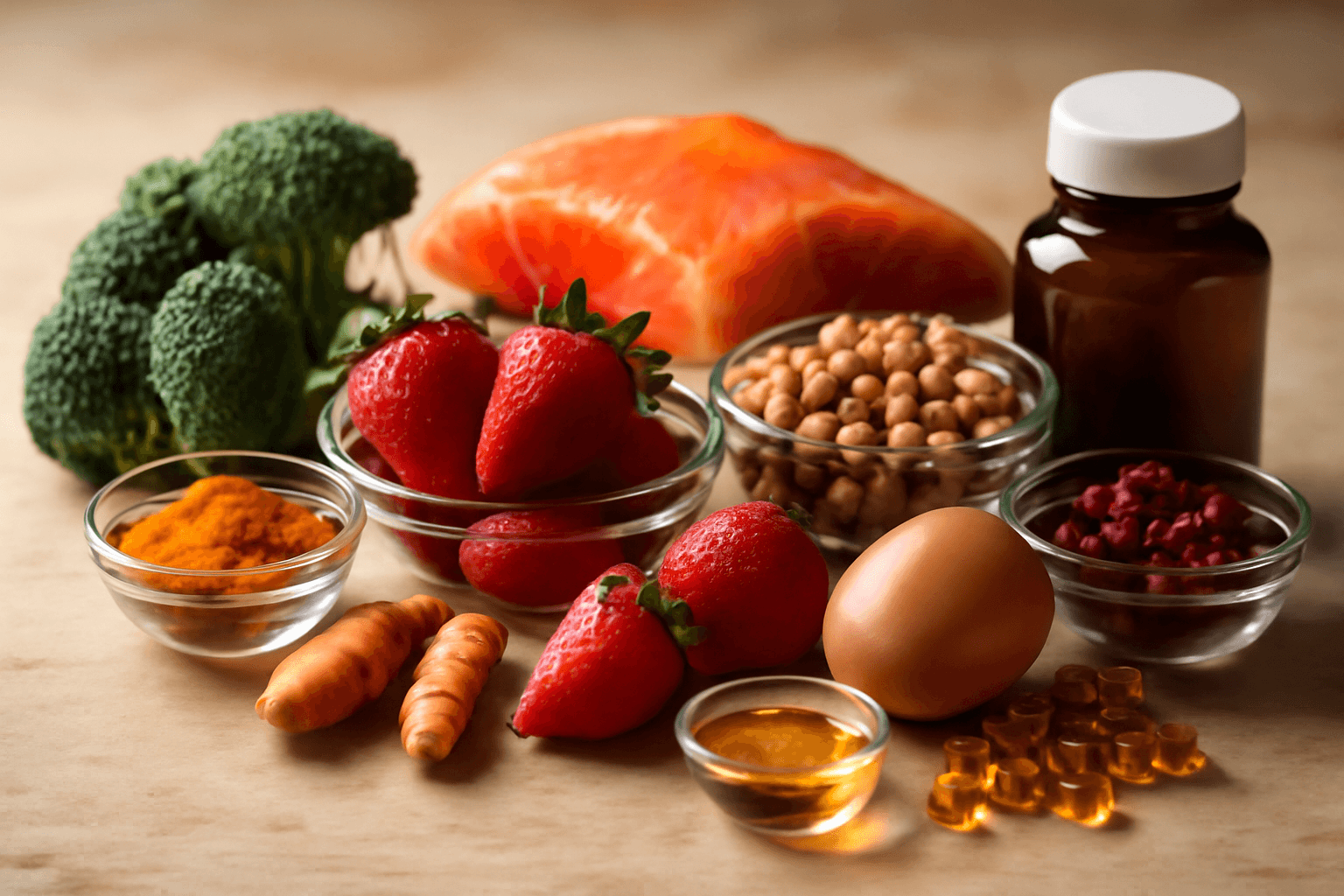
Omega-3 fatty acids (EPA, DHA) are powerful anti-inflammatory compounds that significantly reduce inflammation markers in the body. They are abundant in cold-water fish (salmon, mackerel, sardines, and trout), and consumption 2-3 times per week is recommended. However, when fish consumption is difficult, omega-3 supplements are an effective alternative.
According to research, people who consumed 1-3g of omega-3 EPA/DHA daily for 12 weeks or longer experienced 10-15% reductions in TNF-α and IL-6 levels respectively. Omega-3 also improves blood flow, lowers blood pressure, and protects brain health. High-dose omega-3 supplements may have blood-thinning effects, so medical consultation is essential if you are taking anticoagulants.
2. Turmeric - Curcumin
Curcumin, the active compound in turmeric, is the most actively researched anti-inflammatory ingredient in modern nutrition. Though traditionally used in Indian and Asian cuisine, it has undergone recent scientific validation. Since turmeric contains approximately 3-5% curcumin, high-concentration curcumin supplements or consumption with ginger is recommended for effectiveness.
According to meta-analysis research, subjects who took 1,000-2,000mg of curcumin daily for eight weeks or longer experienced an average 58% reduction in rheumatoid arthritis pain. Additionally, curcumin improves intestinal permeability and strengthens tight junctions between intestinal epithelial cells, helping improve leaky gut syndrome. Curcumin supplements increase bioavailability up to 2,000% when taken with black pepper (piperine). Medical consultation is necessary if you have gallstones or gallbladder-related conditions.
3. Berries (Blueberries, Blackberries, Strawberries)
Berries contain a powerful antioxidant called anthocyanins, which neutralizes free radicals in the body and reduces inflammation. The darker the color of blueberries, blackberries, and strawberries, the higher the antioxidant content. Frozen berries maintain nearly the same nutritional value as fresh berries, making year-round consumption possible.
In research with adults who consistently consumed 150-200g (about one cup) of berries daily, CRP levels decreased by an average of 18% after eight weeks. Anthocyanins in berries also improve endothelial function in blood vessels and reduce the adhesion of inflammatory molecules in the vessel wall. People with sensitive digestion may experience abdominal discomfort with excessive consumption, so it is best to gradually increase the appropriate amount.
4. Green Tea and Green Tea Extract (EGCG)
Epigallocatechin gallate (EGCG), found in green tea, is a powerful polyphenol with excellent anti-inflammatory and antioxidant effects. Green tea undergoes no oxidation process, so its catechin content is 6-10 times higher than black or oolong tea. You can drink 2-3 cups of green tea daily or take it in supplement form.
In research with people who drank green tea daily for 12 weeks, TNF-α levels decreased by 34% and IL-6 decreased by 23%. EGCG also improves mitochondrial function, increasing energy production, and suppresses the NF-κB signaling pathway to block inflammatory responses. Caffeine in green tea may disrupt sleep in sensitive individuals, so it is best to avoid consumption after 3 PM or choose a caffeine-free version.
5. Garlic and Garlic Supplements
Garlic is an anti-inflammatory food containing allicin, a sulfur-containing compound with powerful antioxidant and antimicrobial properties. Allicin is activated when raw garlic is crushed or cut, and heat treatment reduces some of its benefits, making raw garlic more effective. The recommended daily intake is 1-3 cloves of raw garlic.
In research with people who regularly consumed garlic, the incidence of viral infections decreased by 61%, and recovery time was shortened by 70% when infected. Garlic's allicin increases the activity of macrophages and natural killer (NK) cells, strengthening immunity. It also reduces cholesterol levels and decreases blood pressure. If the strong flavor of raw garlic is off-putting, aged garlic extract supplements are a good alternative. Those taking blood-clotting medications should avoid consuming large amounts of garlic.
6. Ginger
Gingerol and shogaol, the main active compounds in ginger, provide powerful anti-inflammatory effects. Fresh ginger can be brewed as tea, added to dishes, or taken in supplement form. When ginger is dried, gingerol converts to shogaol, increasing its anti-inflammatory potency.
In research with arthritis patients who consumed ginger 3-4 times per week, joint pain and swelling decreased by 63% and 58% respectively. Ginger's gingerol blocks inflammatory signals in a manner similar to COX-2 inhibitors (common anti-inflammatory medications). Additionally, ginger improves digestion, alleviates nausea, and has antibacterial properties. Those who are pregnant or taking blood-clotting medications should consult a healthcare professional.
7. Nutritional Yeast and Beta-Glucan Supplements
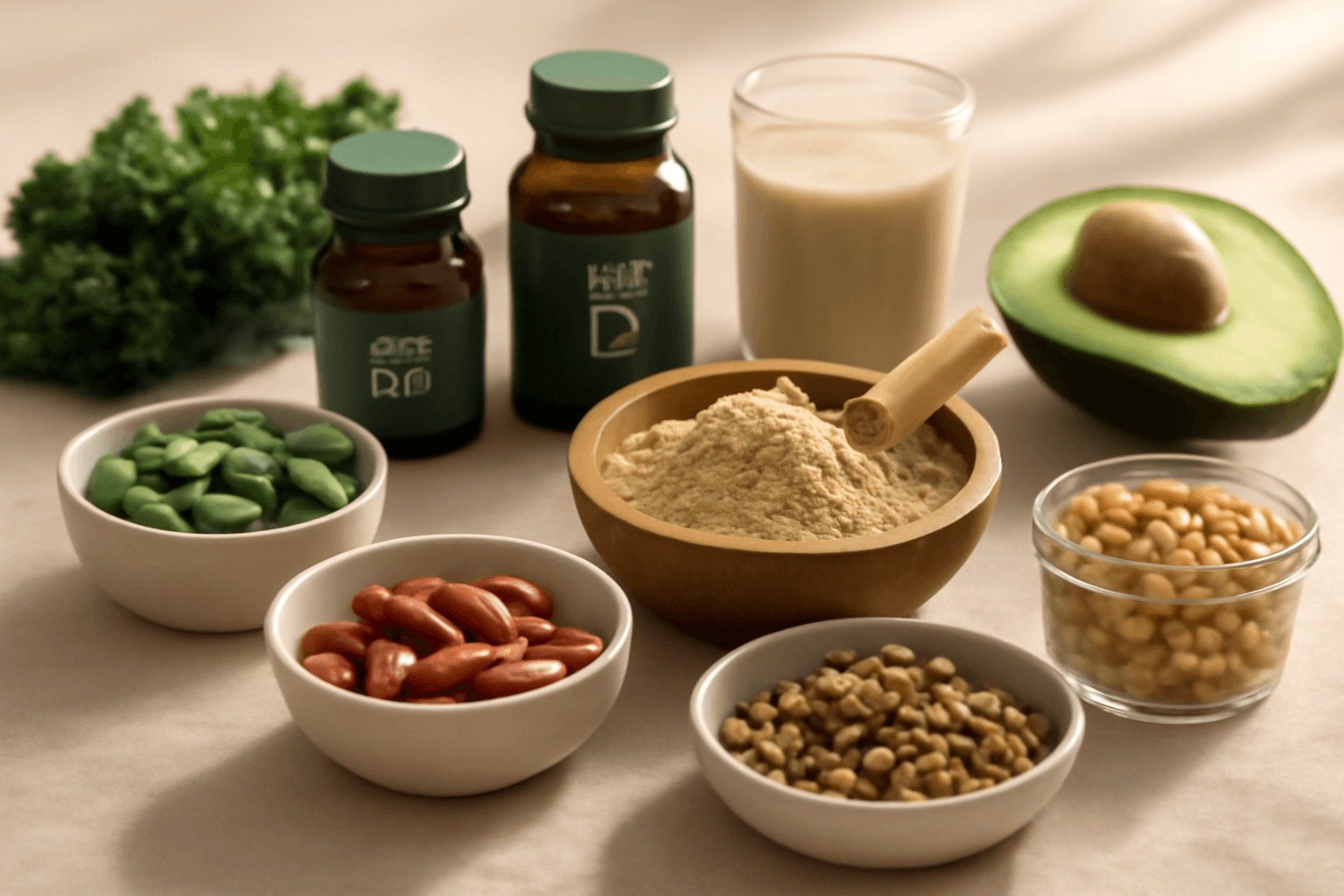
Nutritional yeast and beta-glucans contain 1,3/1,6 beta-glucans, which act on pattern recognition receptors (PRRs) of immune cells to optimize immune response. Beta-glucans are found in mushrooms (reishi, shiitake, maitake), yeast, and oats.
People who took 250-500mg of beta-glucan supplements daily for 12 weeks experienced a 25% reduction in upper respiratory infection incidence, and the severity and duration of cold symptoms were also shortened. Beta-glucans activate macrophages and dendritic cells, enhancing adaptive immune responses. Nutritional yeast is rich in B vitamins that improve energy metabolism and contains selenium and zinc to enhance antioxidant defense. For those sensitive to yeast, it is recommended to start with a small amount and gradually increase.
Summary
Key Points:
- Chronic inflammation is a root cause of various diseases and can be managed through diet and supplements.
- Omega-3, curcumin, berries, green tea, garlic, ginger, and beta-glucans are scientifically proven anti-inflammatory ingredients.
- To see results, consistent consumption for a minimum of 6-12 weeks is necessary.
- Select appropriate foods and supplements considering your health status, medications, and allergies.
- Supplements are not medications and cannot replace medical treatment, so consultation with a healthcare professional is important.
- Inflammation management must consider not only diet but also exercise, stress management, and adequate sleep for effectiveness.
Medical Professional Consultation Recommendations: If you have a chronic inflammation-related condition, are taking prescription medications, have allergies to certain foods or supplements, or are considering starting new supplements, strongly consult with a doctor or nutritionist before proceeding. This information is for educational purposes and cannot replace medical diagnosis or treatment.