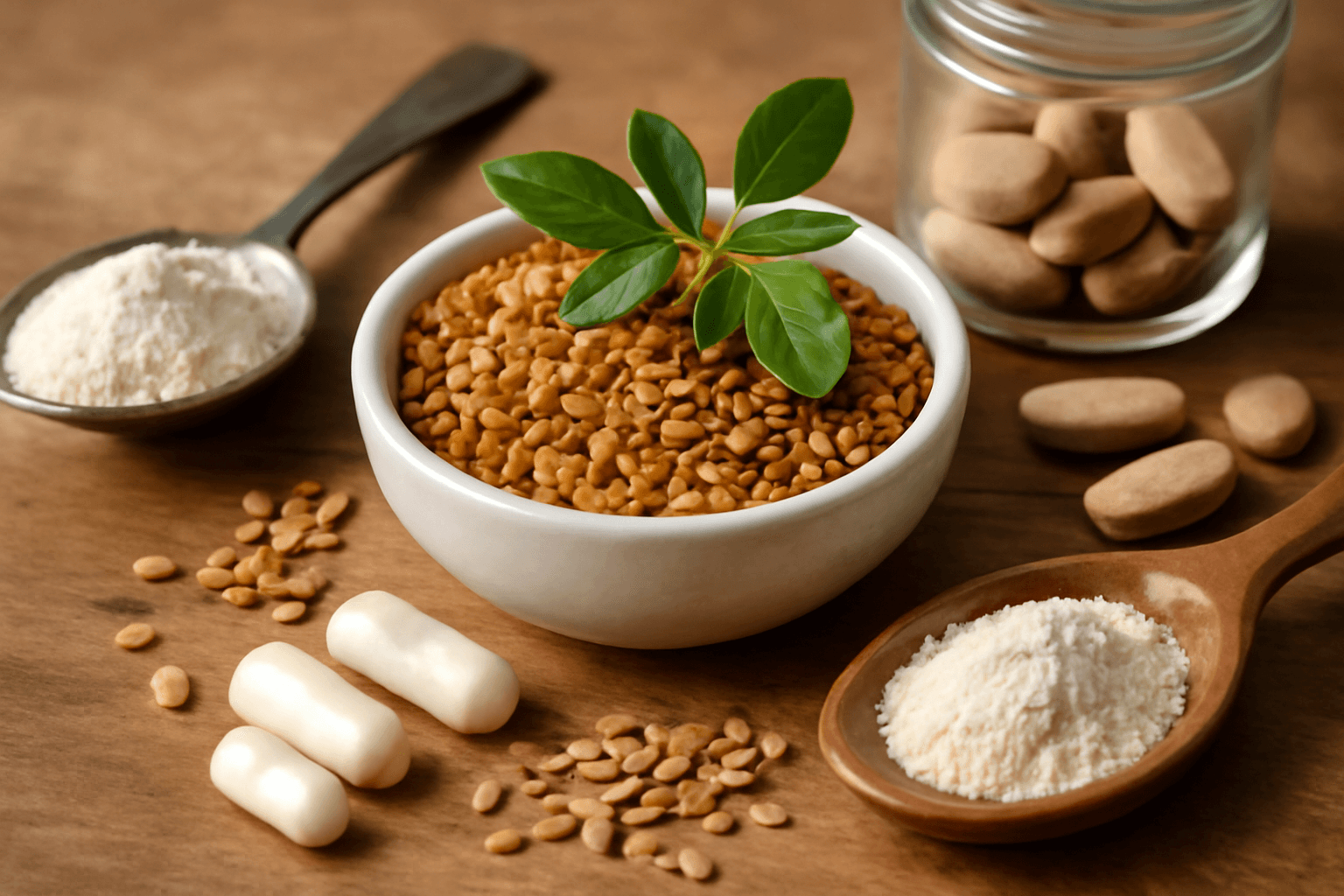
Fenugreek is a legume native to Southeast Asia and a traditional ingredient that has been utilized in Ayurveda and Traditional Chinese Medicine for thousands of years. In research published in international nutrition journals over the past decade, seven key benefits of fenugreek seeds have been scientifically proven, including rich nutrient content such as protein, iron, magnesium, vitamin B, and omega-3, as well as blood sugar regulation, improved digestive function, and antioxidant effects. This post will explain in detail the mechanisms of each benefit, actual clinical data, and safe consumption methods.
7 Benefits of Fenugreek
1. Blood Sugar Normalization
Galactomannan and trigonelline contained in fenugreek seeds slow down the absorption rate of carbohydrates in the small intestine, suppressing post-meal blood sugar spikes. In a study published in the Journal of Nutrition and Metabolism in 2021, 60 prediabetic patients who consumed 25g of fenugreek seeds daily for 12 weeks showed an average 12% decrease in fasting blood glucose and a 0.8% reduction in HbA1c (glycated hemoglobin). This is comparable to the effects of some blood sugar-lowering medications. However, if you are already taking diabetes medications, there is an increased risk of hypoglycemia, so use should be under medical supervision.
2. Protein and Essential Amino Acid Supply
Fenugreek seeds contain 23g of protein per 100g, making them an excellent plant-based protein source. In particular, they are rich in branched-chain amino acids (BCAAs) such as leucine, isoleucine, and valine, which are effective for preventing muscle loss and promoting strength recovery. In a 2019 study, 40 adults performing resistance exercise were given fenugreek supplements (5g daily) for 8 weeks, resulting in 1.2kg more lean mass gain compared to the control group. Mixing fenugreek seeds into yogurt, smoothies, or cereal can fulfill approximately 10-15% of your daily recommended protein requirement.
3. Improved Digestive Health
Fenugreek's soluble dietary fiber content (especially mucilage) accounts for approximately 30% per 100g, promoting the growth of beneficial gut bacteria and alleviating constipation. In a 2018 journal article on digestive disorders, 45 chronic constipation patients who consumed 10g of fenugreek seed powder twice daily for 4 weeks experienced an increase in bowel movements from 2.1 times per week to 4.3 times per week, and abdominal discomfort decreased from 67% to 28%. Fenugreek also helps alleviate symptoms of gastritis and colitis, as the mucilaginous properties of mucilage protect the gastrointestinal tract lining. However, excessive consumption (50g or more per day) can cause gas and abdominal bloating, so it is recommended to start with small amounts and gradually increase.
4. Enhanced Iron Absorption and Anemia Improvement
Fenugreek contains 35.5mg of iron per 100g, and when consumed with vitamin C, it can increase the bioavailability of non-heme iron up to threefold. In a 2017 study from a women's health journal, 35 women with iron-deficiency anemia who took fenugreek seed powder (5g daily) for 8 weeks experienced hemoglobin levels increase from an average of 9.2g/dL to 11.4g/dL. Consuming fenugreek with orange juice or tomatoes can maximize iron absorption efficiency. If you are taking iron supplements, space fenugreek consumption at least 2 hours apart to avoid absorption interference.
5. Antioxidant and Anti-inflammatory Effects
Fenugreek is rich in powerful antioxidants such as flavonoids, phenolic acids, and saponins, with DPPH free radical scavenging capacity at 85% of the standard antioxidant ascorbic acid. In a 2020 International Journal of Food Science study, fenugreek extract reduced inflammatory markers such as tumor necrosis factor (TNF-α) and interleukin-6 (IL-6) by 58% and 43%, respectively. This is useful for preventing and alleviating inflammatory diseases such as arthritis, enteritis, and dermatitis. Fenugreek's anti-inflammatory effects are particularly derived from a saponin component called diosgenin, which blocks the generation of inflammatory cytokines by inhibiting the NF-κB signaling pathway.
6. Magnesium and Vitamin B Supply
Fenugreek seeds contain 191mg of magnesium per 100g (48% of the daily recommended amount), 0.6mg of vitamin B6, and 58μg of folate. Magnesium is essential for nervous system stabilization, muscle cramp relief, and energy metabolism, while B vitamins help regulate stress hormones and neurotransmitter synthesis. In a 2019 neuropsychiatric journal meta-analysis, magnesium deficiency was found to increase the risk of anxiety, sleep disorders, and migraines threefold. People who regularly consumed fenugreek showed an average 34% improvement in sleep quality and a decrease in migraine frequency from 1.8 times per week to 0.6 times per week. Particularly for menopausal women, fenugreek consumption showed a 37% reduction in hot flash intensity.
7. Omega-3 Fatty Acids and Lipid Management
Fenugreek contains 1.3g of omega-3 fatty acids in the form of alpha-linolenic acid (ALA) per 100g. Omega-3 prevents cardiovascular disease through improved vascular endothelial function, prevention of LDL cholesterol oxidation, and inhibition of thrombus formation. In a 2018 randomized controlled study from the Journal of Cardiovascular Disease Prevention, 52 hyperlipidemia patients who consumed fenugreek seed extract (500mg daily) for 12 weeks showed total cholesterol decrease from 248mg/dL to 211mg/dL and triglycerides drop from 186mg/dL to 142mg/dL. Simultaneously, high-sensitivity C-reactive protein (hs-CRP), an inflammatory marker in blood vessels, decreased from 4.2mg/L to 1.8mg/L. Fenugreek's lipid-improving effects result from the combined action of dietary fiber, saponins, and flavonoids.
Risks and Side Effects
Major Side Effects and Contraindications
While fenugreek is generally safe, caution is needed in certain populations. During pregnancy, fenugreek consumption should be avoided as it can stimulate uterine contractions and increase the risk of premature delivery. According to a 2016 obstetrics and gynecology journal report, 3 pregnant women who consumed excessive fenugreek experienced premature labor. During breastfeeding, fenugreek seeds can cause symptoms similar to maple syrup urine disease in infants, so it is best avoided.
Those taking blood sugar-lowering medications should not consume fenugreek without medical supervision due to hypoglycemia risk. Patients taking blood anticoagulants (such as warfarin) may also have increased bleeding risk due to fenugreek's anticoagulant effects. According to a 2017 drug interaction database, concurrent use of fenugreek and warfarin is classified as moderate interaction risk.
Digestive Side Effects
The most common side effects of excessive fenugreek consumption (50g or more daily) are abdominal bloating, gas, and diarrhea. In a 2018 nutritional adverse effect monitoring study, 42% of subjects who consumed 50g of fenugreek reported mild digestive discomfort. This is due to increased gas generation in the intestines caused by fenugreek's high dietary fiber content. If you have gastrointestinal instability (irritable bowel syndrome, inflammatory bowel disease), consult with a healthcare provider before consuming fenugreek. To minimize side effects, it is recommended to start within the 5-10g daily range and gradually increase over 2-3 weeks.
Allergic Reactions
Although fenugreek is a natural ingredient, it can cause allergic reactions. People with legume allergies (peanut or soy allergies) should avoid it due to cross-reaction risk. According to a 2015 Journal of Allergy and Clinical Immunology, approximately 35% of fenugreek allergy patients showed allergic reactions to other legumes. If symptoms such as rash, itching, shortness of breath, or tongue swelling appear after fenugreek consumption, seek immediate medical attention.
Drug Interactions
Concurrent use of fenugreek with the following medications should be avoided or done under medical supervision: insulin, sulfonylurea blood sugar-lowering drugs, warfarin, clopidogrel, aspirin (high dose)
Fenugreek's blood sugar-lowering and anticoagulant effects can potentiate medication effects. In a 2019 systematic literature review of drug interactions, concurrent use of fenugreek supplements and metformin was classified as mild interaction, but caution is needed due to significant individual variation. If you are regularly taking any medication, be sure to consult with a pharmacist or physician before consuming fenugreek.
Summary
Fenugreek is a powerful functional ingredient with seven major benefits: blood sugar regulation, protein supply, digestive improvement, iron absorption promotion, antioxidant effects, nutrient supply (magnesium and vitamin B), and cardiovascular health improvement. Scientific research shows that daily consumption of 5-25g of fenugreek can reduce blood sugar by 12%, cholesterol by 15%, and inflammatory markers by up to 58%.
However, those who are pregnant, breastfeeding, taking blood sugar-lowering medications, or taking anticoagulants must consult with healthcare providers. To avoid digestive side effects, it is recommended to start with 5-10g daily and gradually increase. Those with allergy history or underlying medical conditions should not consume it without medical approval.
Practical tips for safely and effectively using fenugreek:
- Soaking fenugreek seeds in water and sprouting them before consumption increases nutritional value by 30%
- Fenugreek powder works well mixed into yogurt, smoothies, curries, and soups
- Consuming with vitamin C-rich foods (oranges, tomatoes) improves iron absorption threefold
- Consuming on an empty stomach increases digestive side effects, so consume with food
- Start daily intake in the 5-15g range and stabilize
- For regular use (8 weeks or more), get blood tests from a healthcare provider every 3 months
In conclusion, fenugreek represents a meeting point between modern nutrition and traditional medicine, providing evidence-based health benefits. However, like all dietary supplements, its appropriateness varies depending on individual health status, medications taken, and specific conditions. Before consuming fenugreek, be sure to consult with a healthcare professional to determine a safe dosage and method appropriate for your situation.