Modern life is filled with various stress factors. Work pressure, interpersonal conflicts, and financial anxiety accumulate in the body, leading to multiple health problems such as weakened immunity, sleep disorders, and digestive issues. Fortunately, there are methods you can implement in your daily life. This article introduces 7 practical, scientifically-backed strategies to effectively manage stress. From supplement selection to lifestyle improvements, let's explore strategies you can start today.
How Stress Affects Your Health
Stress goes beyond a mere psychological state and has direct effects on your entire body. When stressed, our body releases hormones like cortisol and adrenaline. When these hormones remain chronically elevated, they worsen heart health and raise blood pressure. According to research from the American Heart Association, people in chronic stress conditions have a risk of heart attack increased by up to 40%.
Additionally, stress impairs digestive function. When stress hormone levels increase, intestinal motility decreases and the balance of beneficial gut bacteria is disrupted, causing indigestion and abdominal discomfort. Immunity is also severely affected, making you more susceptible to colds and infectious diseases. Researchers at Stanford University have demonstrated that immune cell activity in stressed individuals drops by over 30%.
Sleep is also a major victim of stress. Anxiety and tension reduce sleep quality, and insufficient sleep increases stress in return, creating a vicious cycle. Managing stress is essential to break this complex negative cycle.
1. Supplements That Help Relieve Stress
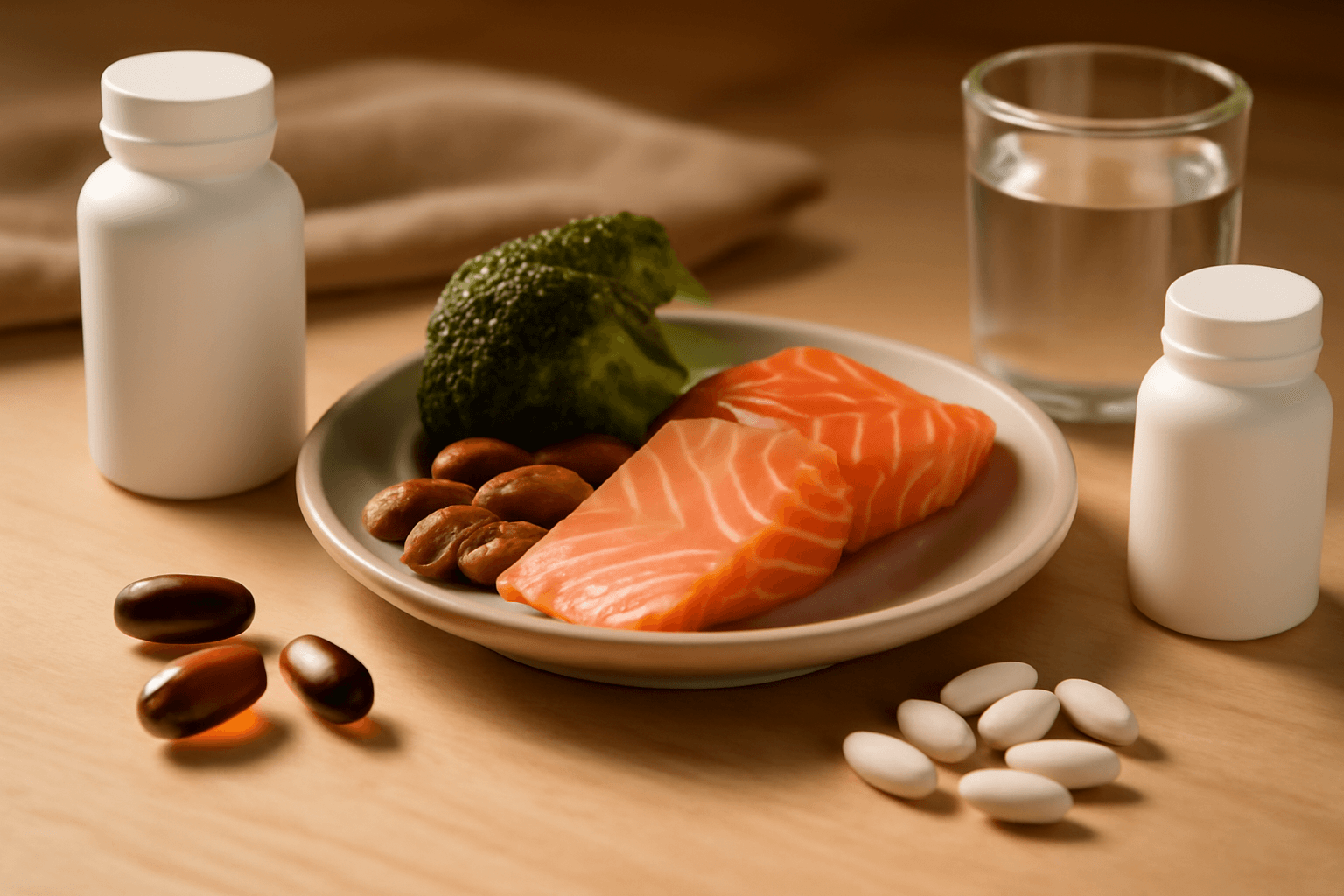
Magnesium is an essential mineral often called a "natural sedative." Magnesium regulates nerve signal transmission, relieves muscle tension, and suppresses the secretion of stress hormones. About 70% of Korean adults have insufficient magnesium intake, with recommended daily amounts of 420mg for men and 320mg for women. Taking 200-400mg of magnesium supplements 30 minutes before bed is effective for improving sleep quality and relieving stress.
Omega-3 fatty acids also play an important role in stress management. While protecting heart health, they promote neurotransmitter production in the brain, helping to improve mood and reduce anxiety. Consuming fatty fish 2-3 times a week or taking about 1000mg of omega-3 supplements daily is beneficial.
B-complex vitamins are also worth recommending as supplements. Vitamins like B1, B6, and B12 maintain nervous system health and help metabolize stress hormones. Since vitamin B consumption increases in stressful situations, supplementation is necessary. Finally, L-theanine is an amino acid found in green tea that increases alpha brain waves and induces a state of relaxation. Taking 100-200mg daily can reduce tension.
Medical Note: Before starting any supplements, be sure to consult with a doctor or pharmacist. It's important to check for interactions with existing medications and determine appropriate dosages based on your individual health condition.
2. Reducing Caffeine
Caffeine acts as a central nervous system stimulant and promotes stress hormone secretion. Research shows that blood cortisol levels increase by 25% after caffeine consumption. Excessive caffeine intake during already stressful situations worsens anxiety, nervousness, and sleep disorders. While the recommended daily caffeine intake is 400mg (about 4 cups of coffee), consuming less is better when managing stress.
When reducing caffeine intake, gradual reduction is more effective than abrupt cessation. Reducing by 25% per week minimizes withdrawal symptoms like headaches and fatigue. Avoid caffeine completely after 3 PM and switch to caffeine-free beverages like chamomile tea, peppermint tea, or herbal tea instead.
Drinking more water instead of coffee is also important. Adequate hydration reduces your body's stress response and prevents cognitive decline. Drinking 1.5-2 liters of water regularly throughout the day improves hormonal balance and reduces fatigue.
3. Self-Care Through Spa Bathing
Soaking in a warm bath is a scientifically proven stress relief method. Warm water relaxes muscle tension, promotes blood circulation, and activates the parasympathetic nervous system, shifting your body into "rest mode." Immersing yourself in 38-40°C warm water for 15-20 minutes reduces cortisol levels by an average of 15%.
You can enhance the effects of bathing by using essential oils. Lavender oil calms the nervous system and alleviates anxiety, while eucalyptus oil promotes muscle relaxation. Adding sea salt or Epsom salt to the bath increases magnesium absorption, multiplying the relaxation effect. Since magnesium is also absorbed through the skin, this is an effective supplementation method alongside magnesium intake mentioned earlier.
Making spa bathing a habit also improves sleep quality. Bathing 1.5 hours before bed allows your body temperature to gradually drop, naturally inducing sleepiness. You can expect effects such as reduced chronic stress and strengthened immunity with just 2-3 baths per week.
4. Exercise
Regular exercise is one of the most effective stress management methods. Endorphins released during exercise are natural painkillers and mood-improving substances—endorphin levels increase by up to 500% with just 30 minutes of aerobic exercise. This rapidly decreases stress hormones and brings psychological stability.
There are various types of exercise. Intense high-intensity workouts are beneficial, but moderate-intensity exercise may be more suitable in highly stressful situations. 150 minutes of moderate-intensity aerobic exercise weekly (brisk walking, cycling) or 75 minutes of high-intensity exercise (jogging, jump rope) are recommended. Yoga or Pilates provide mindfulness along with physical activity, simultaneously improving physical and mental health.
Exercise directly impacts sleep quality improvement. Research shows that people who exercise regularly have 65% higher sleep efficiency. However, avoid intense exercise late in the evening and complete workouts at least 3 hours before sleep. Morning or afternoon exercise minimizes negative effects on sleep.
5. Release Daily Tension on the Same Day
Psychologists emphasize the principle of "timely emotional processing." When stressed, you must acknowledge it and resolve it the same day to prevent it from becoming chronic stress. One concrete method is journaling. Writing about stress factors and your feelings about them at the end of the day helps your brain categorize that experience as "complete." This journalistic therapy shows 15-20% anxiety reduction and sleep improvement.
Meditation and breathing exercises are also effective for immediate tension relief. The "4-7-8 breathing technique"—inhaling for 4 seconds, holding for 7 seconds, and exhaling for 8 seconds—activates the parasympathetic nervous system even in just 5 minutes, providing immediate relaxation. Mindfulness meditation for just 10-15 minutes daily reduces amygdala (emotional center) activity in the brain by 25%.
Conversation with friends and family is also an important stress relief method. The experience of expressing emotions and receiving empathy increases psychological stability, and the shared time itself promotes oxytocin (intimacy hormone) secretion. Keeping stress to yourself creates a negative thought cycle, so active communication is important.
Summary
Stress relief comes from a combination of methods rather than a single approach. Supplements like magnesium, omega-3, and B vitamins strengthen your physical foundation, while reducing caffeine decreases nervous system overstimulation. Warm baths release muscle tension, and regular exercise rapidly depletes stress hormones. Through immediate emotional processing, you prevent progression to chronic stress.
All these methods are implementable in daily life, and since individual responses vary, finding the most effective combination for you is important. You can experience positive changes in stress reduction, sleep improvement, and immune enhancement in just about 2 weeks.
Medical Note: If stress is severe and significantly impacts your daily functioning, or if you experience severe depression or anxiety, be sure to consult a psychiatrist or mental health professional. The information in this article is for general health promotion and cannot replace clinical treatment.