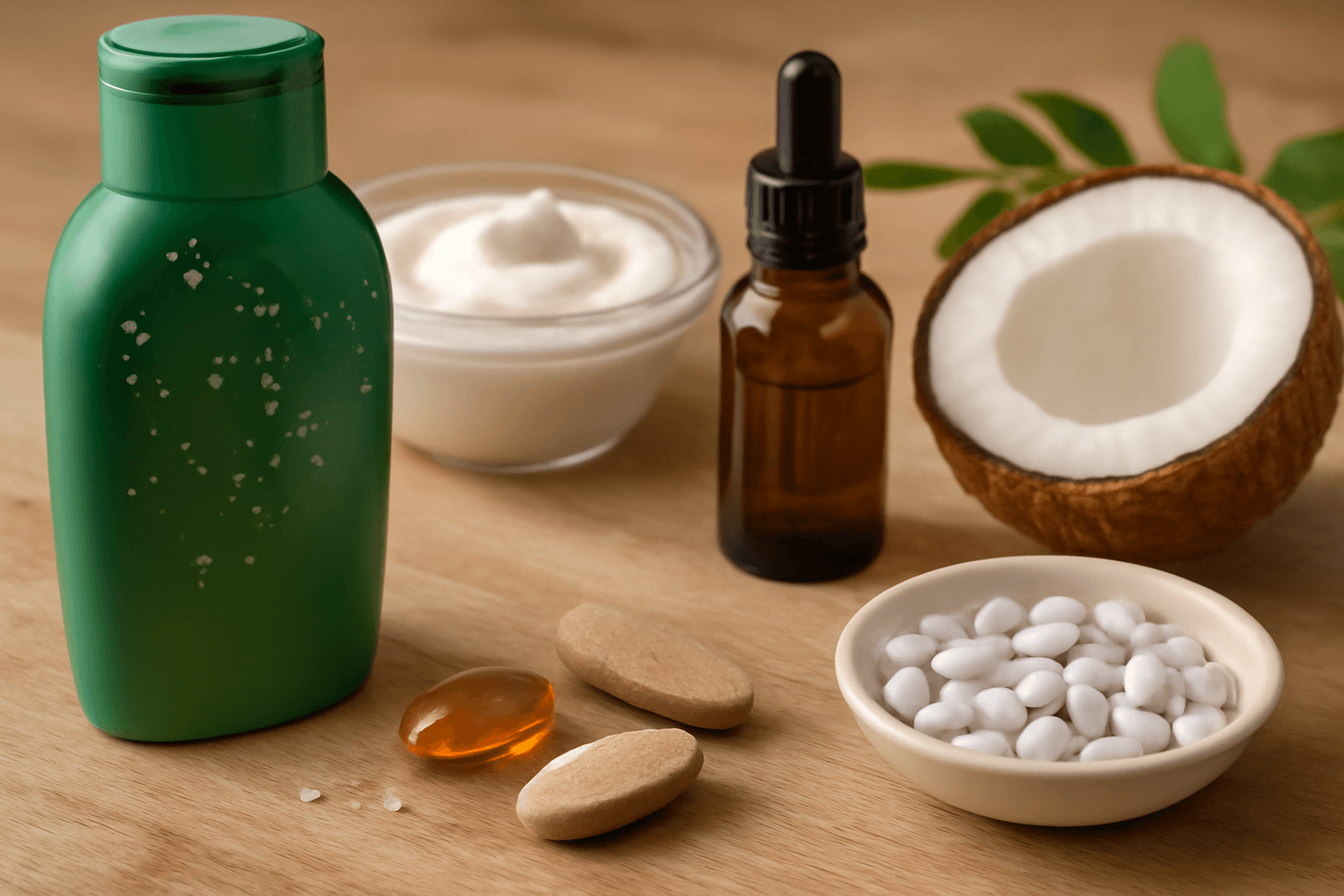
The beauty products we use every day impact not only our skin but also the environment. Single-use plastic packaging, chemical ingredients, and microplastics pollute marine ecosystems and increase our carbon footprint. Sustainable beauty habits go beyond simply protecting the environment—they can also improve skin health. This article introduces seven eco-friendly beauty care habits you can practice in your daily life and examines how each method can protect both your health and the environment.
1. Using Soap and Shampoo Bars
Soap and shampoo bars are an eco-friendly alternative that can reduce packaging by up to 90% compared to liquid products. One shampoo bar provides the same effectiveness as 2-3 bottles of regular liquid shampoo while being lighter in weight, reducing carbon emissions from transportation.
The advantage of solid soaps and shampoo bars is that they minimize preservatives and water content. This is particularly beneficial for people with sensitive skin. With highly concentrated natural ingredients, they provide effective cleansing while minimizing skin irritation, and many products contain plant-based glycerin and natural oils that don't strip away your skin's natural oils after cleansing.
Usage tips: When you first use them, you'll notice they produce enough lather with less product than liquid alternatives. Solid soaps last longer when stored in a well-ventilated soap dish, preventing rapid depletion from bathroom humidity.
2. Avoiding Single-Use Products
Single-use cotton pads, cleansing wipes, and makeup remover sheets used in beauty routines are discarded in the hundreds of millions annually. Most of these products take over 200 years to decompose and cause environmental pollution in the process. Research shows that an average household uses approximately 700 cotton pads per year.
Reusable alternatives include washable cotton pads, microfiber cleansing cloths, and brushes made with animal-friendly synthetic bristles. Although the initial purchase cost is higher, these products can be reused for over six months, making them economical in the long term. Using neutral detergent when washing them can further extend their lifespan.
Environmental impact: Switching to reusable cleansing pads can eliminate approximately 365 single-use items per year, reducing plastic waste and cutting water consumption required for product production by over 70%.
3. Using Moisturizing Oils
Natural moisturizing oils are the foundation of skin hydration and the most eco-friendly choice. Plant-based oils like coconut oil, argan oil, and jojoba oil are extracted using cold-pressed methods without complex chemical processes and are 100% biodegradable.
Coconut oil contains lauric and capric acids, giving it antibacterial and anti-inflammatory properties. Argan oil is rich in vitamin E and polyphenols, providing excellent antioxidant effects, while jojoba oil has a structure similar to skin's natural sebum, allowing for quick absorption and minimal irritation. Research shows that skin that regularly uses natural oils experiences a 23% reduction in moisture loss.
Precautions: If you have acne-prone skin, avoid coconut oil as it can clog pores; instead, choose jojoba or argan oil. Conduct a skin reaction test before using oils, and excessive use can actually make your skin feel heavy. If you have sensitive skin or specific skin conditions, consult with a dermatologist.
4. Switching Oral Care Products
Regular plastic toothbrushes take 400 years to decompose, with approximately 3.5 billion discarded annually. Biodegradable toothbrushes, bamboo toothbrushes, and replaceable toothbrushes with recyclable metal frames are environmentally friendly while providing equivalent levels of oral hygiene.
Bamboo toothbrushes have a fast growth rate, require minimal pesticides during cultivation, and are 100% biodegradable. While nylon bristles are made from the same material as regular plastic, using a bamboo or wood pulp body can significantly reduce overall waste. For electric toothbrushes, choosing refillable models where only the head is replaced avoids discarding the entire unit.
Toothpaste is also an important choice. Using products packaged in cardboard boxes instead of plastic tubes, or solid toothpaste tablets, can completely eliminate plastic use. For dental floss, choose products made from bioplastic or plant-based materials, and if using regular floss, store it in recyclable paper capsules after use.
5. Using Natural Deodorants
Concerns persist about parabens and aluminum in conventional deodorants and hair removal products. Aluminum can accumulate in the body with long-term use, and some research suggests a correlation with breast cancer. Natural deodorants eliminate these concerns while providing effective odor control.
Key ingredients in natural deodorants include baking soda (sodium bicarbonate), coconut oil, and zinc. Zinc inhibits the growth of bacteria that cause odor through its antibacterial action, with a daily recommended intake of 11mg for adult men and 8mg for women. Baking soda neutralizes the acidic smell of sweat, while coconut oil's antibacterial properties prevent bacterial growth.
DIY method: Mix 3 tablespoons of coconut oil, 2 tablespoons of baking soda, and 10 drops of essential oil to create a basic natural deodorant. For sensitive skin, reduce the baking soda or add cornstarch to minimize irritation. Homemade deodorant should be refrigerated and lasts about 2-3 months.
Precautions: Baking soda can cause skin irritation in some people, so patch test a small amount on your underarms first before regular use. Consult a dermatologist before using if you have wounds or eczema.
6. Using Mineral Sunscreen
Sunscreen has serious impacts on marine ecosystems. Chemical ingredients like oxybenzone and octinoxate in conventional sunscreens bleach coral reefs and damage the reproductive systems of marine life. Approximately 6,000-14,000 tons of sunscreen enter the ocean annually, making it a major cause of coral extinction.
Mineral sunscreen uses zinc oxide and titanium dioxide as main ingredients. They work through a physical blocking method that reflects UV rays, are harmless to the environment, and are biodegradable. Mineral sunscreen doesn't undergo chemical reactions on the skin, making it safe for sensitive skin and children.
Effectiveness comparison: Mineral sunscreen SPF 30 blocks 97% of UVB rays, while SPF 50 blocks 98%. Research shows that products containing 10% zinc oxide maintain effectiveness for over 80 minutes in water. While mineral sunscreen may leave a white cast initially compared to chemical sunscreen, recent nanotechnology-based products offer improved transparency.
Usage recommendations: Apply sunscreen 15 minutes before going outside—1/4 teaspoon on the face and additional amounts on the neck and arms. Reapply every 2 hours or after swimming. Products containing zinc oxide are safe even for those with atopic dermatitis or skin inflammation, but consult a professional as individual reactions vary. For infants, use is recommended after 6 months of age.
Summary
Key points of eco-friendly beauty care:
- Eliminate single-use products: Switching to soap and shampoo bars and reusable cleansing pads can significantly reduce annual plastic waste.
- Choose natural ingredients: Plant-based oils like coconut and argan oil are 100% biodegradable while offering excellent moisturizing effects.
- Switch oral care products: Changing to bamboo toothbrushes and plant-based dental floss maintains dental health while protecting the environment.
- Use health-conscious ingredients: Zinc in natural deodorants and mineral sunscreen are choices that benefit both personal health and the environment.
- Gradual implementation: You don't need to change all products at once. Start by replacing each product with an eco-friendly alternative as your current products run out.
Eco-friendly beauty care is a choice that protects both your personal skin health and the planet simultaneously. The seven habits introduced in this article are all implementable in daily life, and it's important to carefully read ingredient labels when selecting products and consult with a dermatologist if necessary. Small changes can accumulate into significant environmental and health improvements.