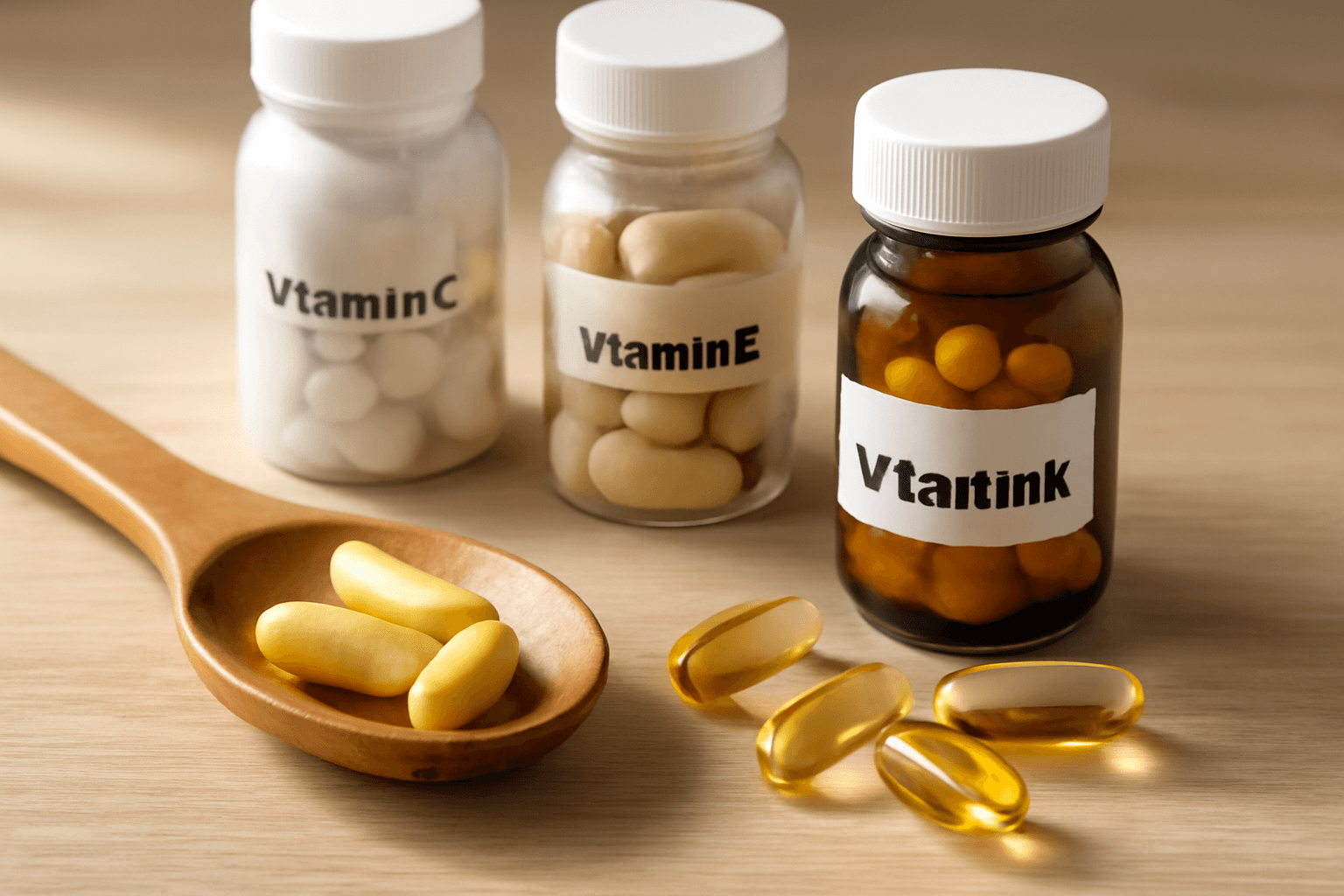
Male fertility is not simply a matter of luck and genetics. Many men don't realize that significant improvements in sperm quality and quantity can be achieved through small changes in daily eating habits and lifestyle. This article introduces 7 scientifically-backed methods to naturally enhance male fertility. From zinc and vitamins to natural plant extracts and lifestyle improvements, we'll examine specifically how each method works and how you can implement it.
1. Zinc: The Essential Mineral for Sperm Production
Zinc is one of the most important minerals for male reproductive health. It plays a direct role in spermatogenesis, the process of sperm formation, and zinc deficiency leads to decreased sperm count and reduced sperm motility. According to a study published in the Journal of the American Medical Association, men with infertility who received zinc supplementation experienced an average 74% increase in sperm count within 8 weeks.
The recommended daily intake for adult men is 11mg. The following foods are excellent sources of zinc:
- Oysters: approximately 16mg per 100g (the richest food source)
- Beef: approximately 7-8mg per 100g
- Pumpkin seeds: approximately 2.2mg per handful (28g)
- Cashews: approximately 1.6mg per handful
- Lentils: approximately 3.3mg per cooked cup
If you're considering supplements, be careful not to exceed 25-30mg daily. Excessive intake can actually impair immune function and interfere with copper absorption. If you're currently taking any medications, be sure to consult with your doctor before starting.
2. Vitamin C and Vitamin E: Antioxidant Defense
Sperm is extremely vulnerable to oxidative stress. Sperm cell membranes are rich in unsaturated fatty acids, making them susceptible to damage from reactive oxygen species (ROS), which leads to sperm DNA damage and decreased motility. Vitamin C and Vitamin E are powerful antioxidants that protect sperm from this damage.
According to a meta-analysis published in the British Medical Journal in 2014, infertile men taking antioxidant supplements showed an average 42% increase in sperm motility. Vitamin C specifically prevents sperm agglutination, while Vitamin E directly blocks lipid peroxidation of cell membranes.
Recommended daily intake of Vitamin C: 90mg
- One orange: approximately 70mg
- One bell pepper: approximately 152mg
- One kiwi: approximately 64mg
- One cup of broccoli: approximately 89mg
Recommended daily intake of Vitamin E: 15mg
- One handful of almonds (28g): approximately 7.3mg
- One tablespoon of sunflower oil: approximately 5.6mg
- One cup of cooked spinach: approximately 3.2mg
- Half an avocado: approximately 1.5mg
Long-term use of Vitamin E supplements can increase bleeding risk, so if you're taking anticoagulants, be sure to get your doctor's approval.
3. Tribulus Terrestris Extract
Tribulus Terrestris is a plant that has been used for thousands of years in Ayurveda and Traditional Chinese Medicine, and is currently the subject of active scientific research. Evidence is accumulating that the active compounds in this plant improve testosterone levels and sperm quality.
In a study published in an Iranian medical journal in 2014, men who took Tribulus extract for 12 weeks experienced an average 16% increase in sperm count, and sperm motility improved from 72% to 85%. Sperm morphology also improved.
The typical dosage is 250-1500mg daily, and at least 3 months of continuous use is needed to see results. If you have a history of polycystic ovary syndrome (PCOS) or hormone-sensitive conditions, consulting with your doctor is essential.
4. Grape Seed Extract
Proanthocyanidins found in grape seed extract are very powerful antioxidants. Several studies have shown that grape seed extract prevents DNA damage to sperm and improves sperm function.
In a study published in the journal Andrology in 2016, infertile men who took grape seed extract for 8 weeks saw their sperm DNA fragmentation index (DFI) decrease from an average of 20.6% to 16.5%. Lower DFI is associated with higher pregnancy success rates.
The typical dosage is 75-300mg daily. Grape seed extract can interact with anticoagulants like warfarin, so if you're being treated for a blood clotting disorder, inform your healthcare provider. Consuming raw grape seeds directly has limited effectiveness, so standardized extract supplements are recommended.
5. L-Arginine
L-arginine is a semi-essential amino acid that promotes the production of nitric oxide (NO) in the body. Nitric oxide dilates blood vessels, increasing blood flow to the testes, which improves sperm production and sperm motility.
In a study published in the Journal of Urology in 2003, 70% of infertile men who took 5g of L-arginine daily for 6 weeks experienced significant improvements in sperm motility. Additionally, the natural pregnancy success rate was 4 times higher than in the control group. L-arginine also enhances mitochondrial function in sperm, improving energy metabolism.
The recommended dosage is 2-5g daily, and benefits can be expected after 2-3 months of continuous use. The following foods are rich in L-arginine:
- Chicken breast 100g: approximately 1.5g
- One handful of pumpkin seeds: approximately 1.2g
- One cup of black beans: approximately 1.2g
- Canned tuna 100g: approximately 1.5g
If you have a high risk of herpes virus infection or are taking blood pressure medication, consult with your doctor before taking it. L-arginine dilates blood vessels, so it may interact with blood pressure-lowering medications.
6. Reducing Alcohol Consumption
Alcohol is extremely harmful to male fertility. It acts directly as a toxin on the testes, suppressing sperm production, lowering testosterone levels, and increasing sperm morphological abnormalities.
According to a meta-analysis published in the Andrology journal in 2018, men who consumed 5 or more drinks per week had 33% lower sperm count, 23% lower sperm motility, and 20% lower sperm morphological normality compared to men who abstained. More remarkably, these effects only recover after the spermatogenesis cycle (approximately 74 days) has passed following cessation of alcohol consumption.
Additionally, heavy drinking impairs liver function, disrupting estrogen metabolism and causing hormonal imbalance. In men, elevated estrogen levels directly suppress sperm production. If you're planning to conceive:
- Abstinence is ideal.
- If unavoidable, limit yourself to 1-2 drinks or fewer per week.
- After at least 3 months of reduced drinking, a semen analysis can confirm improvement.
If you have alcohol dependence, seek help from a healthcare professional. Withdrawal symptoms must be managed under medical supervision.
Conclusion and Summary
Improving male fertility requires an integrated approach rather than focusing on a single factor. From basic nutrients like zinc, Vitamin C, and Vitamin E to functional plant compounds like Tribulus, grape seed extract, and L-arginine, each substance acts on different aspects of sperm production and function.
Action Plan:
- Step 1 (Immediately): Stop drinking alcohol, start consuming zinc-rich foods
- Step 2 (1-2 weeks): Increase consumption of antioxidant foods (colored fruits and vegetables)
- Step 3 (4 weeks): Introduce supplements if needed (after consulting with a doctor)
- Step 4 (12 weeks): Measure changes with a semen analysis
The key is consistency. Since the sperm production cycle is approximately 74 days, at least 3 months of sustained effort is necessary. Giving up prematurely before seeing results is a common mistake.
Medical Disclaimer: The content of this article is for educational purposes and cannot substitute for medical advice. Especially if you have infertility concerns, existing conditions, or are taking medications, be sure to consult with a urologist or reproductive endocrinologist. Personalized diagnosis and treatment plans tailored to the individual are essential.