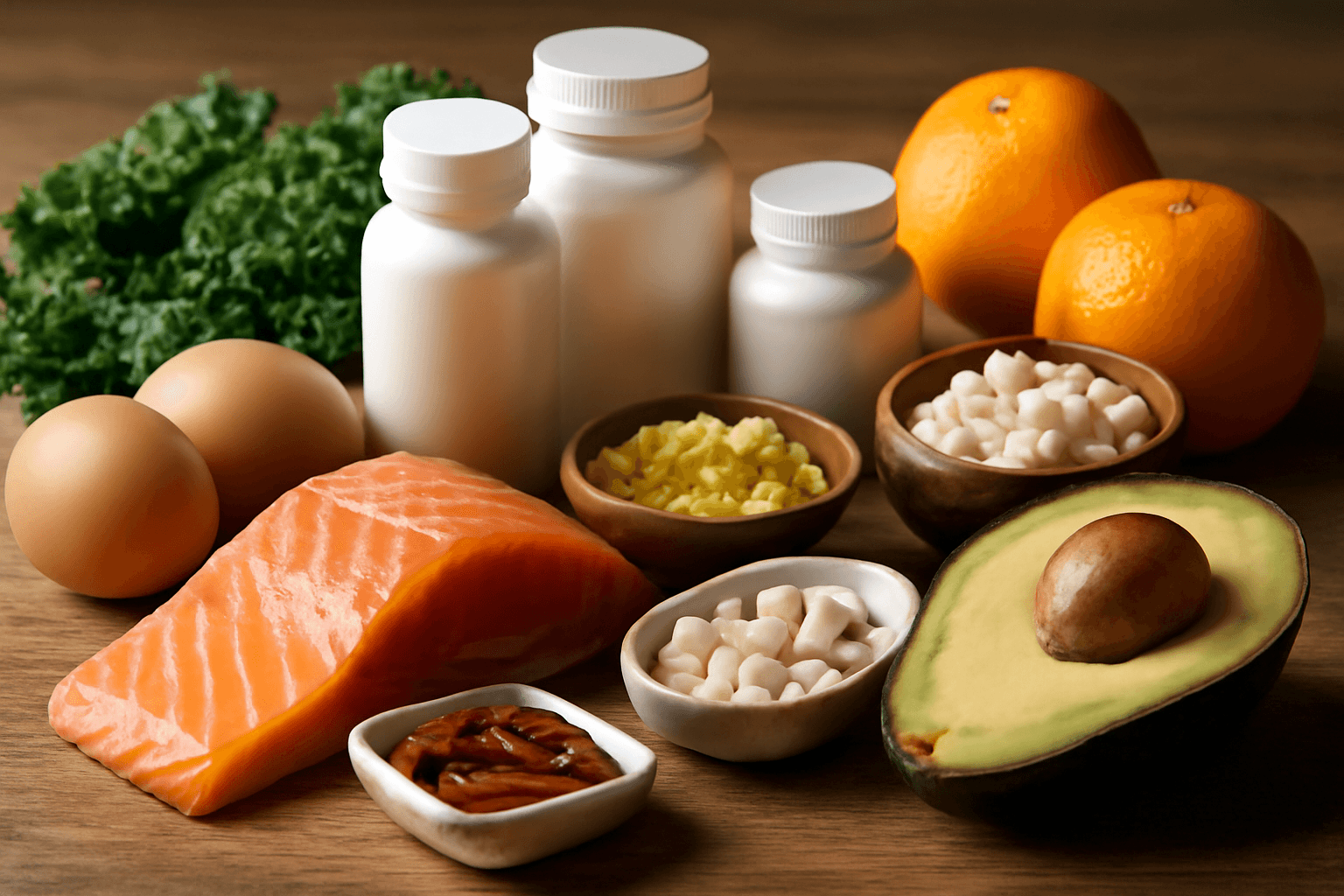
Women's bodies experience various physiological changes such as menstruation, pregnancy, and menopause, requiring more of certain nutrients than general recommendations. Anemia from iron deficiency, decreased bone density, and hormonal imbalances are major challenges for women's health. To address these nutritional gaps, science-based supplement intake can be an effective way to improve energy levels, immunity, bone health, and skin condition. This article presents the necessary nutrients for each life stage of women, the specific effects of 7 key supplements, and selection criteria.
Women's Life Stages and Required Nutrients
Women's nutrient requirements vary greatly depending on age and physiological condition. Menstruating women (ages 18-50) lose approximately 15-30mg of iron each month due to menstruation, requiring 18mg of daily iron intake. This is more than twice that of men in the same age group (8mg). Pregnant women have increased calcium requirements of 1,000mg and iron of 27mg, and 400mcg of folic acid is essential for fetal neural tube formation.
Women around and after menopause (age 50 and older) face sharply increased osteoporosis risk due to decreased estrogen. During this period, the role of calcium and vitamin D is very important, and the incidence of osteoporosis in postmenopausal women reaches 30%. Additionally, due to decreased digestive function, gut health management through probiotics is essential. For women at all life stages, magnesium is an essential trace element for muscle relaxation, sleep improvement, and premenstrual syndrome (PMS) relief.
Effects of Women's Health Supplements
Proper supplement intake has multifaceted effects on women's physical and mental health. According to research from the National Institutes of Health (NIH), women who take supplements have 36% higher energy levels compared to those who don't, improved skin elasticity, and a 40% reduction in menstrual pain and PMS symptoms. In particular, iron supplements alleviate anemia symptoms such as fatigue, decreased concentration, and pallor within 4-8 weeks.
In terms of bone health, taking calcium and vitamin D together can suppress bone density loss to about 1.5% per year (compared to 3-5% annually in the control group of menopausal women). Probiotics restore the balance of intestinal microbiota, effectively improving digestive health, immunity, and acne and eczema. Omega-3 fatty acids have scientific evidence for protecting cardiovascular health, improving brain cognitive function, and reducing inflammation, with proven effects on menstrual pain relief. Magnesium supplements show effectiveness in reducing anxiety, improving sleep quality, and decreasing migraine frequency.
Best Women's Health Supplements
1. Iron
Iron is a key component in hemoglobin production, helping blood carry oxygen. The daily recommended amount for menstruating women is 18mg, and decreases to 8mg after menopause. Without adequate iron intake, iron deficiency anemia develops, leading to fatigue, shortness of breath, dizziness, and nail deformation. When choosing supplements, heme iron or chelated iron forms with high absorption rates are recommended. Taking iron supplements with vitamin C increases absorption threefold, making it effective to take with orange juice. Excessive intake can cause constipation and abdominal discomfort, so recommended amounts should not be exceeded.
2. Probiotics
Probiotics increase beneficial bacteria in the intestines, improving digestive function and strengthening immunity. Hormonal changes in women disrupt intestinal microbiota balance, causing negative effects. Choose products with CFU (Colony Forming Units) of at least 10 billion or higher, and products containing Lactobacillus and Bifidobacterium species are effective. Probiotic effectiveness may decrease when taking antibiotics, so they should be taken at least 2 hours after antibiotic use. It's best to evaluate effects after 4-8 weeks of continuous use, depending on individual gut health status.
3. Magnesium
Magnesium is an essential trace element participating in over 300 biochemical reactions. Magnesium level fluctuations during the menstrual cycle are closely related to PMS symptoms, and adequate magnesium intake reduces menstrual pain, mood changes, and fatigue by 25-50%. The daily recommended amount for adult women is 310-320mg. Magnesium glycinate, malate, and taurate forms have good absorption and fewer digestive side effects. Magnesium oxide is inexpensive but carries a higher constipation risk. Taking it in the evening improves sleep quality and alleviates muscle stiffness.
4. B-Complex Vitamins
B vitamins (B1, B2, B3, B5, B6, B12, and folic acid) are essential for energy production, nerve function, and blood cell formation. In particular, vitamin B6 reduces PMS symptoms by 40%, and B12 is a nutrient often lacking in vegetarian women. Folic acid (vitamin B9) requires 400-800mcg daily intake for women planning pregnancy, reducing neural tube defect risk by 70%. B vitamins are water-soluble, so excess is excreted even if overconsumed, but taking with breakfast improves energy level effects more quickly. Long-term use of high-dose vitamin B6 (200mg or more) carries a potential risk of nerve damage, so caution is needed.
5. Omega-3 Fatty Acids
Omega-3 (EPA and DHA) are essential fatty acids playing key roles in cardiovascular health, brain function, and anti-inflammation. Women's cardiovascular disease mortality is higher than men's, and omega-3 is effective at preventing blood clotting, improving cholesterol, and reducing inflammation markers (CRP). Fish-based omega-3 supplements are recommended with EPA 250-500mg and DHA 300-400mg, with proven effects on menstrual pain and heavy menstrual bleeding relief. Algae-based vegan products are also available. Omega-3 users taking blood clotting medications (warfarin) should consult a doctor before taking it, and some people may experience digestive discomfort or fishy aftertaste.
6. Vitamin D
Vitamin D is a hormone that promotes calcium absorption and regulates the immune system. Approximately 30-50% of women are in a vitamin D deficient state, particularly those living in high northern latitudes, those with primarily indoor activities, and those with darker skin tones. Adequate vitamin D levels (30ng/mL or higher) are effective for osteoporosis prevention, reducing depression risk (50% or more), strengthening immunity, and regulating menstrual cycles. The daily recommended amount for adult women is 600-800IU, but when supplementation is needed, 1,000-2,000IU is appropriate. Since vitamin D is fat-soluble, absorption doubles when taken with fat-containing meals. It's recommended to check individual vitamin D levels through blood tests and determine dosage accordingly.
7. Calcium
Calcium is the foundation of bone health and an essential trace element for postmenopausal women to prevent osteoporosis. Adult women need 1,000-1,200mg daily. When postmenopausal women take calcium and vitamin D together, bone density loss is suppressed to about 1.5% per year, and fracture risk decreases by 20-30%. Calcium citrate absorbs well even on an empty stomach, while calcium carbonate only absorbs in an acidic environment, so it should be taken with meals. Taking more than 500mg at once decreases absorption rate, so dividing into 2-3 doses throughout the day is more effective. Excessive intake (2,000mg or more) can increase kidney stone risk, so caution is needed.
Additional Consideration: Creatine
Creatine is essential for muscle energy production and promotes muscle growth and recovery in women doing strength training. Since menstrual hormone changes affect muscle protein synthesis, creatine supplements (3-5g daily) are effective in compensating for strength loss during and after menstruation. Creatine can increase water retention, so adequate fluid intake (2.5L or more daily) is essential. Women with good kidney health can safely take it long-term for 3-5 years, but those with a history of kidney disease need doctor consultation.
Supplement Selection and Safety Use Guide
Quality Verification: When selecting products, check for third-party verification (NSF, USP, ConsumerLab marks). This ensures that contained ingredients are accurate and free from contaminants.
Drug Interactions: If taking thyroid medications, osteoporosis drugs, or blood thinners, be sure to consult a doctor. Iron, calcium, and magnesium can interfere with medication absorption.
Gradual Introduction: Rather than starting multiple supplements simultaneously, add them at 2-3 week intervals to observe for side effects.
Dietary Priority: First meet needs through food sources (iron-red fish, calcium-yogurt, omega-3-nuts) when possible, then supplement any shortfalls.
Summary
Key Takeaways:
- Menstruating women must intake 18mg of iron daily to compensate for 15-30mg monthly iron loss from menstruation.
- To address increased osteoporosis risk in women around and after menopause, concurrent intake of calcium (1,000-1,200mg) + vitamin D (600-800IU) is essential.
- Magnesium (310-320mg) and vitamin B6 have scientific evidence reducing PMS symptoms by 25-50%.
- Omega-3 (EPA 250-500mg + DHA 300-400mg) provides multifaceted effects on cardiovascular health, brain function, and inflammation improvement.
- Probiotics (100 billion CFU or higher) require 4-8 weeks of continuous use for gut health restoration, immunity strengthening, and skin improvement.
- Before taking any supplements, consider individual health status, medications, and allergies, and consult with a healthcare professional.
Healthcare Professional Consultation: This information is general knowledge for educational purposes, and necessary supplements and dosages may vary depending on individual health status. If you have existing conditions or are taking medications, be sure to consult with a doctor, pharmacist, or nutritionist before starting supplements.