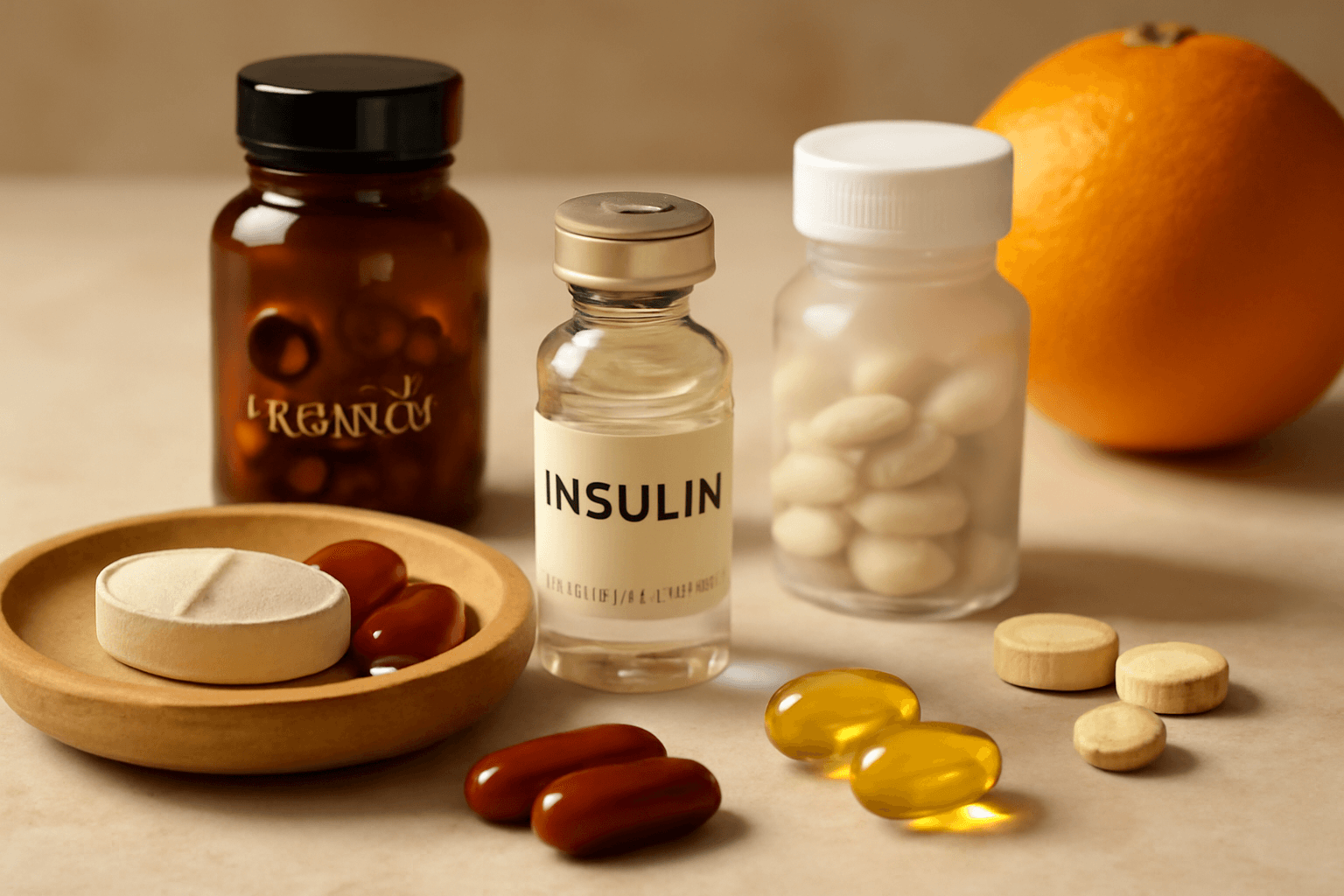
Insulin resistance is a major metabolic disorder facing modern individuals, and according to the World Health Organization (WHO), approximately 32% of global adults have insulin resistance. If left unmanaged, insulin resistance can progress to serious complications including type 2 diabetes, obesity, and cardiovascular disease. Fortunately, insulin resistance can be effectively managed through proper lifestyle modifications and science-based supplementation. This article systematically introduces the causes and symptoms of insulin resistance, along with 7 clinically-supported supplements for improvement.
What is Insulin Resistance?
Insulin resistance refers to a condition where the body's response to insulin hormone is diminished. Normally, insulin is secreted by the pancreas to transport blood sugar into cells for energy utilization. However, when insulin resistance occurs, cells fail to respond to the same amount of insulin, making blood sugar regulation difficult. As a result, the pancreas attempts to secrete more insulin, creating a vicious cycle known as hyperinsulinemia.
Insulin resistance goes beyond a simple blood sugar problem and acts as the root cause of metabolic syndrome. According to the American Diabetes Association (ADA), people with insulin resistance have a type 2 diabetes risk more than 5 times higher than normal individuals. Additionally, insulin resistance simultaneously triggers multiple conditions including weight gain, fatty liver disease, high blood pressure, and abnormal lipid levels.
Symptoms of Insulin Resistance
Insulin resistance is called the "silent killer" because it lacks obvious symptoms in the early stages. However, as it progresses, various bodily signals emerge. The most common symptom is severe post-meal fatigue, which occurs because extreme blood sugar fluctuations destabilize energy metabolism.
- Metabolic symptoms: Abdominal obesity (especially increased visceral fat), weight loss resistance, frequent hunger
- Vascular symptoms: Dark or brown spots on the skin (acanthosis nigricans), skin changes around the neck
- Hormonal symptoms: Irregular menstruation, worsening polycystic ovary syndrome (PCOS) in women, erectile dysfunction in men
- Neurological symptoms: Chronic fatigue, reduced concentration, mood changes, sleep disorders
- Inflammatory symptoms: Joint pain from chronic inflammation, worsening skin problems
If these symptoms appear in combination, medical professional diagnosis is necessary. The degree of insulin resistance can be assessed through tests such as fasting blood glucose, insulin levels, and HOMA-IR index.
Causes of Insulin Resistance
The causes of insulin resistance are diverse and typically involve multiple factors working together. The most important cause is excessive carbohydrate intake, particularly continuous consumption of refined carbohydrates and processed foods. These rapidly elevate blood sugar and excessively stimulate insulin secretion, and with prolonged repetition, cell receptors become desensitized to insulin.
Chronic stress and sleep deprivation are also major causes. When cortisol, a stress hormone, remains persistently elevated, it reduces insulin sensitivity. In fact, people sleeping 6 hours or less daily have a 40% higher insulin resistance risk than those with normal sleep.
Chronic inflammation and oxidative stress also play important roles. Obesity, particularly visceral fat, secretes inflammatory cytokines such as TNF-α and IL-6, which interfere with insulin signaling. Additionally, oxidative stress from antioxidant nutrient deficiency impairs mitochondrial function and worsens insulin resistance.
Other causes include physical inactivity, obesity, harmful gut microbiota composition (dysbiosis), and use of certain medications (steroids, antipsychotic drugs).
Managing Insulin Resistance Through Lifestyle Modification
Supplementation alone cannot fundamentally resolve insulin resistance. Lifestyle modification is the foundation of treatment. The most important change is transitioning to a low glycemic index (GI) diet. By choosing brown rice, oats, whole grains, vegetables, and protein-rich foods instead of refined carbohydrates, blood sugar fluctuations can be minimized.
Regular exercise directly improves insulin sensitivity in muscle cells. Combining 150 minutes of aerobic exercise per week with 2-3 sessions of resistance training can improve insulin resistance by 20-30% within 6 weeks.
Stress management and sleep improvement are also essential. Through meditation, yoga, and deep breathing exercises, cortisol levels can be lowered, and 7-9 hours of quality sleep should be maintained nightly. Increased sleep time restores insulin sensitivity and reduces nighttime eating urges.
Expert Tip: Improving insulin resistance is difficult with short-term efforts. A minimum of 12 weeks of sustained lifestyle modification is necessary, and personalized approaches based on individual metabolic status are important.
Insulin Resistance Medications
Medical professionals may recommend pharmaceutical treatment when insulin resistance does not improve despite lifestyle modifications. The most widely used medication is Metformin. Metformin inhibits glucose production in the liver and increases glucose uptake in peripheral tissues, thereby lowering blood sugar. It is prescribed to prediabetic patients and can lower fasting blood glucose by an average of 30-50 mg/dL after 12 weeks of use.
Thiazolidinedione class medications are also effective. These drugs activate PPARγ receptors to directly improve insulin sensitivity in adipose tissue. However, weight gain and edema may occur as side effects.
GLP-1 receptor agonists are recently gaining attention as they promote insulin secretion and slow gastric motility to stabilize blood sugar fluctuations. Simultaneously, they offer excellent weight loss effects.
Medication treatment must be done under the prescription and guidance of medical professionals, with regular blood tests and monitoring being essential.
7 Supplements Beneficial for Insulin Resistance
1. Chromium
Chromium is an essential mineral for insulin signaling and acts directly on blood sugar regulation. Chromium deficiency is a major factor worsening insulin resistance. In a 2020 American Journal of Nutrition study, patients taking 200mcg of chromium for 12 weeks showed a 12% decrease in fasting blood glucose and a 19% improvement in HOMA-IR index (an indicator of insulin resistance).
Although chromium is found in yeast, broccoli, and whole grains, supplementation can be beneficial due to reduced content from declining soil quality. The recommended dose is 200-400mcg daily. For those with kidney disease, consultation with a medical professional before taking is necessary.
2. Alpha-Lipoic Acid (ALA)
Alpha-lipoic acid is a powerful antioxidant and essential for mitochondrial energy production. When insulin resistance is present, cells experience extreme oxidative stress, and ALA directly alleviates this. In a German clinical trial, administering 600mg of ALA for 4 weeks resulted in a 25% improvement in insulin sensitivity and normalized blood sugar.
Alpha-lipoic acid is also effective in preventing nerve damage (diabetic neuropathy). The recommended dose is 300-600mg daily, with absorption rates being highest on an empty stomach. However, consultation with a professional is needed for those with thyroid disease.
3. Coenzyme Q10 (CoQ10)
Coenzyme Q10 plays an essential role in mitochondria, the energy production centers of cells. When insulin resistance is present, mitochondrial function deteriorates, and CoQ10 supplementation directly improves this. According to a 2019 nutrition review article, patients taking CoQ10 showed excellent improvement in insulin resistance and simultaneous cardiovascular health improvements.
Additionally, CoQ10 serves as a natural antioxidant, reducing oxidative stress and decreasing C-reactive protein (CRP), an inflammation marker. It is particularly important for supplementing CoQ10 deficiency in those taking statins (cholesterol medications). The recommended dose is 100-300mg daily.
4. Probiotics
With recent research on the gut-metabolic axis becoming active, the importance of probiotics has come to light. Healthy gut microbiota composition is essential for maintaining insulin sensitivity. In a large-scale study published in Nature Microbiology in 2021, the group taking specific probiotic strains showed a 31% improvement in HOMA-IR index after 12 weeks.
Particularly effective are Lactobacillus and Bifidobacterium strains. These strains improve intestinal permeability and increase short-chain fatty acid production to restore insulin sensitivity. They also reduce inflammation markers and strengthen immunity. An effective dosage is at least 10 billion CFU (colony-forming units) per day.
5. Omega-3 Fatty Acids
Omega-3 fatty acids, particularly EPA and DHA, have powerful anti-inflammatory effects that improve insulin resistance. In a 2022 meta-analysis from the American Journal of Clinical Nutrition, omega-3 supplementation improved insulin resistance by an average of 17%. Omega-3 increases cell membrane fluidity, normalizing insulin receptor signaling.
Additionally, omega-3 inhibits inflammatory cytokine production and improves vascular function, increasing blood flow. The recommended dose is 1000-2000mg daily as a combined total of EPA+DHA. Consultation with a professional is necessary for those taking blood anticoagulants.
6. Magnesium
Magnesium is an essential mineral involved in over 400 enzyme reactions and is particularly important for glucose metabolism and insulin signaling. Magnesium deficiency is an independent risk factor for insulin resistance. In a 2015 study from the Diabetes Management Journal, magnesium supplementation improved HOMA-IR index by 13% and also decreased fasting blood glucose.
Magnesium is also effective in blood pressure regulation, blood sugar stabilization, and chronic inflammation reduction. Magnesium glycinate, malate, and taurine forms have high bioavailability. The recommended dose is 300-400mg daily for adults, and dosage can be adjusted if digestive discomfort occurs.
7. Vitamin D and Vitamin C
Vitamin D is an essential nutrient for immune regulation and insulin secretion. In a 2023 Clinical Endocrinology Journal study, when 4000IU of vitamin D was given to insulin-resistant patients with vitamin D deficiency for 3 months, insulin resistance improved by 24% and blood sugar control significantly improved. Optimal blood vitamin D levels are 30-50 ng/mL.
Vitamin C is a powerful antioxidant that reduces oxidative stress and protects insulin-secreting cell function. Daily intake of 500-1000mg of vitamin C reduces blood sugar fluctuations by 10-15%. It also regulates cortisol, a stress hormone, indirectly improving insulin resistance.
Conclusion: Key Summary
Core Principles for Improving Insulin Resistance:
1. Lifestyle modification is the foundation of all treatment. A low glycemic index diet, regular exercise, stress management, and adequate sleep are essential.
2. Supplements play a supportive role, and their effectiveness is limited when used alone.
3. Chromium, ALA, CoQ10, probiotics, omega-3, magnesium, and vitamins D/C are clinically-supported options.
4. Must consult with medical professionals to establish a personalized treatment plan suited to individual circumstances.
Insulin resistance is a metabolic disorder arising from modern lifestyles, but it can be sufficiently improved through systematic approaches. The most important thing is to first focus on lifestyle modifications and then add science-based supplements when necessary. With sustained effort over at least 3 months, notable health changes can be experienced including blood sugar stabilization, improved energy levels, weight loss, and reduced disease risk.
⚠️ Medical Disclaimer: This article is written for educational purposes and cannot replace medical advice. If insulin resistance is suspected or if you have underlying conditions such as diabetes, heart disease, or kidney disease, you must consult with a medical professional (endocrinologist, nutritionist) to establish a personalized treatment plan. Before taking supplements, please consult with a pharmacist or doctor to check for interactions with current medications.