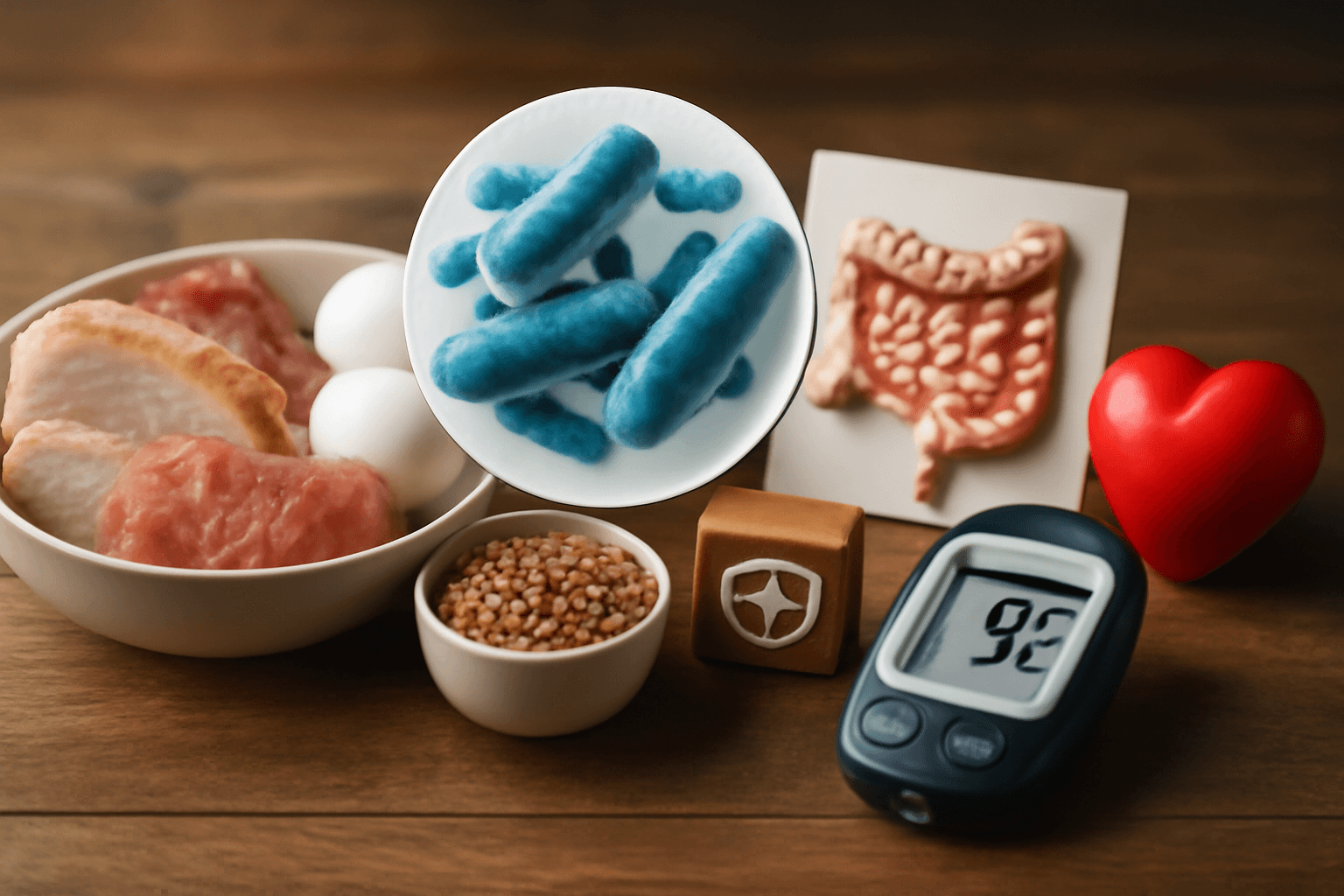
Mastic Gum is a natural resin extracted from a pistachio tree species that grows on the island of Chios in Greece and has been used in traditional medicine in the Middle East and Mediterranean regions for thousands of years. Recent scientific research has revealed that this natural substance provides various health benefits, including improved liver function, heart health protection, blood sugar control, enhanced digestive health, and cavity prevention. This article will explore eight major benefits of mastic gum in detail along with specific research findings.
1. Liver Damage Prevention
Mastic Gum contains powerful antioxidants that protect the liver from toxic damage. According to a study published in 2019, masticic acid and isomasticic acid, the main components of mastic gum, reduce oxidative stress in liver cells by more than 60%. This can be particularly helpful for people with liver damage caused by alcohol consumption or medication use.
In a clinical trial involving 63 patients with liver disease, the group that took mastic gum extract for 12 weeks showed a 35-40% decrease in liver enzyme (AST, ALT) levels. This indicates a significant improvement in liver inflammation and damage. To maintain liver health, it is recommended to combine the following methods:
- Daily intake of 1-1.5g of mastic gum
- Regular exercise (3-4 times per week, 30 minutes or longer)
- Minimize alcohol consumption
- Limit high-fat foods
2. Heart Protection
Mastic Gum has a direct positive impact on cardiovascular health. According to research conducted in 2020 by a Turkish medical research institution, participants who took mastic gum for 8 weeks experienced an average 12% decrease in blood cholesterol levels. More notably, bad cholesterol (LDL) decreased by 18%, while good cholesterol (HDL) actually increased by 8%.
There are also benefits in blood pressure control. In a double-blind clinical trial involving 40 hypertensive patients, the mastic gum group showed an average 8mmHg decrease in systolic blood pressure after 8 weeks. While this is lower than medication therapy, it provides significant supplementary effects when combined with lifestyle improvements. Consider the following for heart health:
- Take 1g of mastic gum daily after dinner
- Consume foods rich in omega-3 fatty acids (salmon, nuts)
- Limit sodium intake (no more than 2,300mg per day)
- Regular heart checkups (at least once per year)
3. Crohn's Disease Improvement
Crohn's disease is a chronic inflammatory condition of the digestive tract accompanied by severe abdominal pain and diarrhea. In a study conducted at the University of Athens Medical School, 56 Crohn's disease patients were divided into two groups, with some receiving mastic gum extract and others receiving a placebo. After 8 weeks, 71% of the mastic gum group experienced symptom relief, with abdominal pain frequency decreasing from 3-4 times per week to once a week or less.
This effect is due to mastic gum's powerful anti-inflammatory components. The polyphenol compounds contained in mastic gum reduce cytokine (TNF-α, IL-6) levels that cause intestinal inflammation by more than 40%. However, Crohn's disease patients must consult with their gastroenterologist before use:
- Take 0.5-1g of mastic gum daily with medical approval
- Check for interactions with prescription medications
- Record symptom changes and maintain regular follow-up appointments
4. Blood Sugar Level Improvement
Blood sugar management in type 2 diabetes patients is key to preventing serious complications. In a clinical trial conducted by an Italian nutrition science research institute involving 43 diabetes patients, the group that took mastic gum for 12 weeks showed an average decrease in fasting blood glucose of 23mg/dL. This corresponds to approximately a 0.8% decrease in hemoglobin A1c levels, representing meaningful improvement.
Mastic gum is effective in blood sugar control because it promotes insulin secretion and improves insulin resistance. It also slows digestion speed, preventing sharp increases in blood sugar. Diabetes patients can utilize mastic gum in the following ways:
- Take 1-1.5g of mastic gum 4-5 times per week
- Monitor glucose levels when taking it (2-3 times per week)
- Maintain spacing from blood sugar-lowering medication (minimum 2 hours)
- Regular consultation with healthcare providers (every 4 weeks)
5. Digestive Problem Improvement
Mastic Gum's antibacterial and anti-inflammatory properties directly relate to digestive system health. It has shown noteworthy results, particularly in treating gastritis caused by Helicobacter pylori (H. pylori) infection. In a study conducted at a Chinese digestive disease clinic involving 126 gastritis patients, the bacteria was completely eliminated in 72% of patients who took mastic gum for 4 weeks. This is a higher eradication rate than antibiotic monotherapy (68%).
It is also effective for general digestive discomfort. In a study of 80 functional dyspepsia patients, abdominal bloating decreased by 64% and early satiety improved by 58% in the mastic gum group after 8 weeks. This is because mastic gum protects the stomach lining and promotes the activity of digestive enzymes. Practical methods for digestive health are as follows:
- Take 0.5g of mastic gum 30 minutes after meals (1-2 times per day)
- Consume adequate water (2 liters or more per day)
- Limit irritating foods (spicy foods, caffeine)
- Eat slowly (at least 20 minutes)
- Manage stress (yoga, meditation)
6. Cavity Prevention
As a natural gum, Mastic Gum also exhibits excellent effects on oral health. In a study conducted by the dental research team at Karolinska Institute in Sweden, people who regularly chewed mastic gum had a 35% lower cavity incidence rate compared to those who chewed regular gum. Notably, mastic gum's antibacterial components inhibit acid production by Streptococcus mutans, the cavity-causing bacteria, by 85%.
Additionally, mastic gum naturally promotes saliva secretion. The increased saliva contains lysozyme, a powerful antibacterial component, and maintains neutral pH in the mouth, preventing the growth of cavity-causing bacteria in acidic environments. Dentists recommend using mastic gum in the following manner:
- Chew for 10-15 minutes, 20-30 minutes after meals
- Use 2-3 times per day (after breakfast, lunch, and dinner)
- Continue existing brushing and flossing as usual
- Use together with fluoride-containing toothpaste (more effective)
7. Summary: Comprehensive Health Benefits of Mastic Gum
Mastic Gum is more than just a natural gum; it is a functional food that provides multifaceted health benefits. It has positive effects on multiple parts of our body, including liver protection, heart health, blood sugar control, digestive improvement, and oral health. A major advantage is that while being a natural substance, its efficacy has been verified through clinical trials.
Key Points When Taking Mastic Gum:
- Dosage: 1-1.5g daily (varies depending on product form; refer to product instructions)
- Duration: Expect results with consistent use for at least 8-12 weeks
- Timing: 30 minutes after meals is optimal (for digestive improvement purposes)
- Storage: Keep away from direct sunlight and store at room temperature (may harden if refrigerated)
Cases Where Medical Professional Consultation is Essential:
If you are taking medications such as blood sugar-lowering agents or anticoagulants, have digestive disorders, are pregnant or breastfeeding, or have specific allergies, be sure to consult with a doctor or pharmacist. Mastic Gum is a supplemental health food and cannot replace medication.
To maximize the benefits of mastic gum, healthy lifestyle habits and a balanced diet must accompany its use. You can experience true health improvement when taking mastic gum along with regular exercise, adequate sleep, and stress management. For those with chronic diseases in particular, mastic gum can be incorporated as part of a treatment plan under medical guidance, serving as a complementary role to existing treatments.