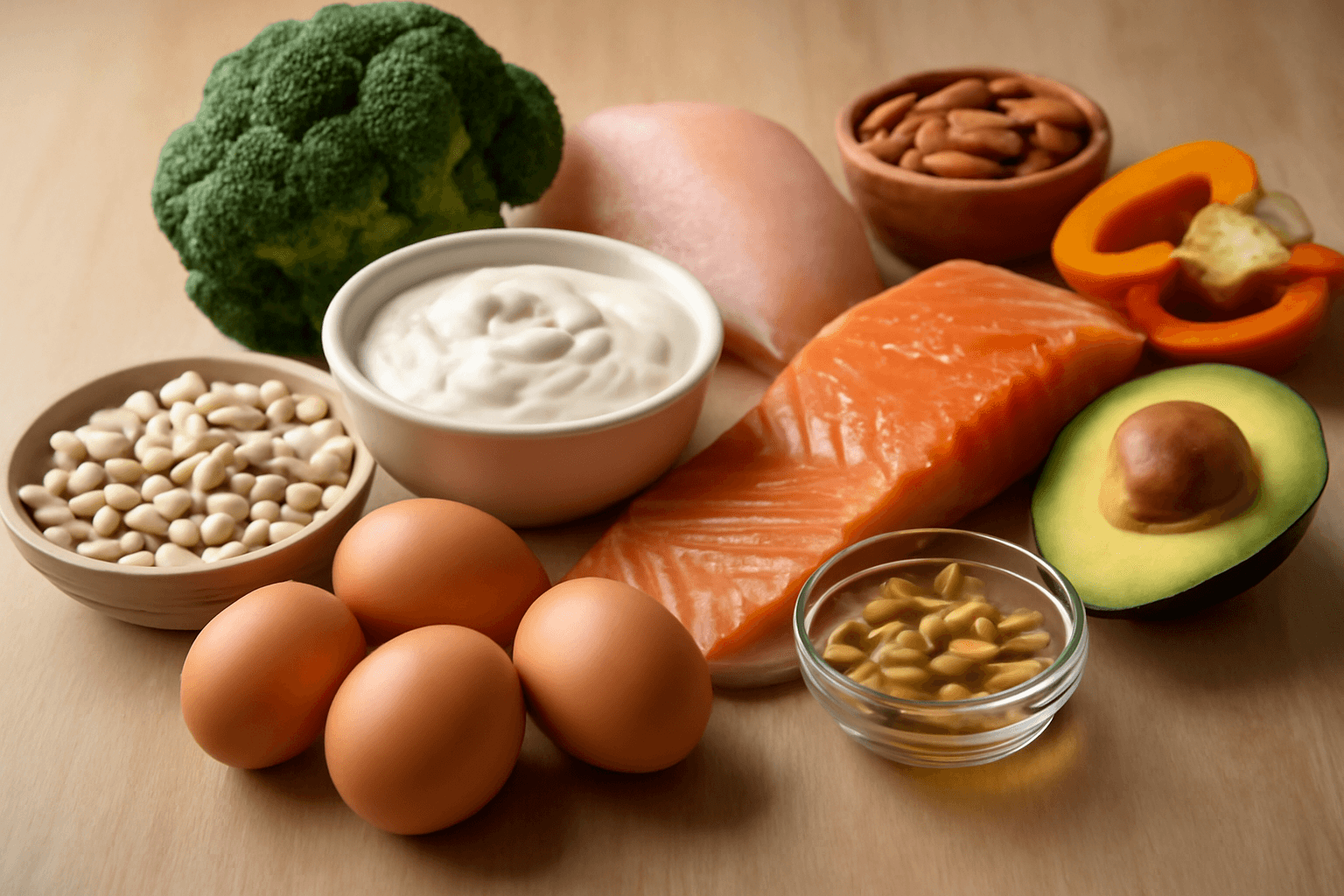
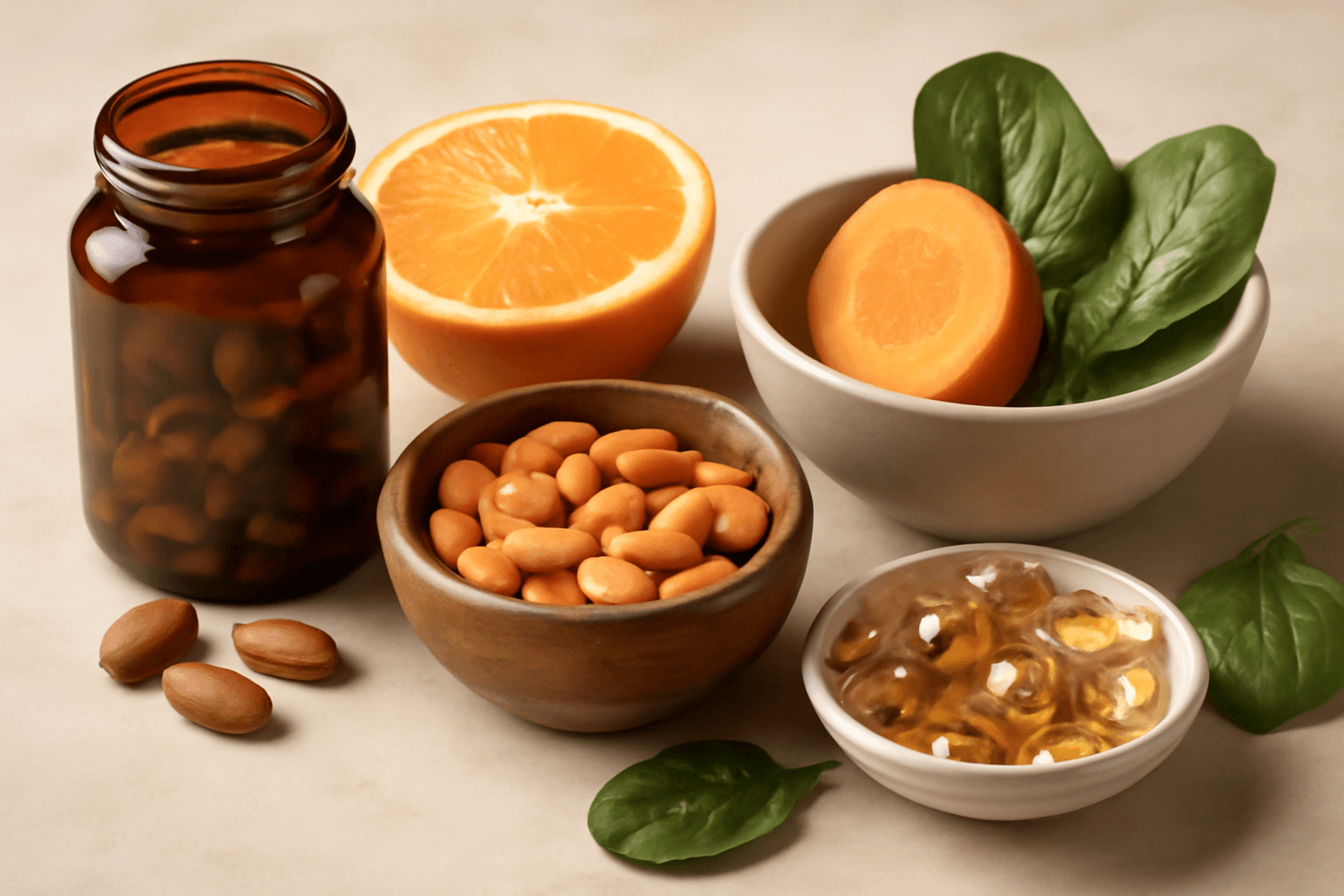
The digestive system is responsible for 70% of our body's immune system and is the center of nutrient absorption. Digestive disorders are more than just an inconvenience—they are an important health issue that affects overall well-being. This article introduces 8 natural methods to improve digestive health. We will examine in detail how probiotics, prebiotics, omega-3, and essential vitamins can restore gut health and reduce inflammation.
What is Ulcerative Colitis?
Ulcerative Colitis (UC) is an inflammatory bowel disease that causes inflammation and ulcers in the lining of the colon. Starting from the rectum, it can spread throughout the entire colon and triggers symptoms such as abdominal pain, diarrhea, bloody stools, and weight loss. According to the American Gastroenterological Association, cases of ulcerative colitis have increased by 30% over the past 20 years.
This disease develops through a combination of genetic predisposition, immune system dysfunction, and gut dysbiosis. In particular, the incidence in East Asia is increasing due to the spread of Western dietary patterns. While ulcerative colitis cannot be completely cured, long-term remission can be maintained with proper management.
Given the severity of the disease, improved dietary habits and lifestyle changes alone may not be sufficient. Regular medical consultations and monitoring by a gastroenterologist are essential.
Standard Treatment Methods
Standard treatment for ulcerative colitis progresses in stages depending on the severity of the disease. In the initial stage, 5-ASA (5-aminosalicylic acid) compounds are used as the first-line therapy, directly suppressing inflammation of the colon mucosa. According to research, 5-ASA shows effectiveness in 60–70% of ulcerative colitis patients.
For moderate to severe symptoms, corticosteroids are prescribed, offering rapid anti-inflammatory effects. In more severe cases, immunomodulators (azathioprine, mercaptopurine) or biologics (TNF-α inhibitors, integrin inhibitors) are used. Modern biologic therapies are effective at slowing disease progression and reducing the risk of complications.
However, drug treatment alone has limitations. In a 2019 European Gastroenterological Association study, patients combining dietary therapy with medication showed a 35% higher remission rate than those on medication alone. Therefore, dietary and lifestyle improvements are essential alongside medical treatment.
Natural Management Methods
1. Restoring Gut Microbiota Balance with Probiotics
Probiotics are live microorganisms beneficial to gut health. While a healthy colon contains approximately 100 trillion microorganisms, ulcerative colitis patients show a 50% or greater reduction in beneficial bacterial diversity. Bacteria from the Lactobacillus and Bifidobacterium genera produce short-chain fatty acids (butyrate), which serve as a major energy source for intestinal epithelial cells.
According to clinical research, certain probiotic strains alleviated ulcerative colitis symptoms and extended remission periods. VSL#3 (containing 8 bacterial strains) improved intestinal permeability in ulcerative colitis patients and reduced inflammatory markers (IL-6, TNF-α) by 30–40%. The effective probiotic dose should be at least 50 billion CFU (colony-forming units) per day.
Recommended Foods: Miso, kimchi, plain yogurt, kefir, kombucha
Caution: During acute symptom periods, some probiotics may worsen symptoms. Consult with a healthcare provider and start slowly.
2. Promoting Beneficial Bacteria Growth with Prebiotics
Prebiotics are non-digestible dietary components that promote the growth of beneficial bacteria. Inulin and oligofructose are representative prebiotics that serve as food for beneficial bacteria in the colon, increasing butyrate production. Butyrate is a major energy source for the intestinal epithelium and has anti-inflammatory effects by suppressing the production of inflammatory cytokines.
In a 2022 American Gastroenterological Association study, patients consuming prebiotics had a 25% lower relapse rate compared to those who did not. However, during acute flare periods, prebiotics can increase gas production and worsen abdominal pain. It is preferable to introduce them gradually during stable remission periods.
Recommended Foods: Bananas, garlic, onions, asparagus, chicory, oats
3. Reducing Inflammation with Omega-3 Fatty Acids
Omega-3 fatty acids (EPA, DHA) are essential fatty acids with powerful anti-inflammatory properties. Ulcerative colitis patients tend to have serum omega-3 levels 60% lower than healthy individuals. Omega-3 suppresses the production of inflammatory cytokines TNF-α and IL-6 and generates inflammation-resolving mediators (resolvins and protectins).
In a 2021 meta-analysis, daily intake of 2–3g of omega-3 improved clinical symptoms in ulcerative colitis patients by 35%. Fish-based omega-3 has higher bioavailability than plant-based omega-3 (ALA). However, high-dose omega-3 can delay blood clotting, so medical consultation is essential if you are taking anticoagulants.
Recommended Foods: Salmon, mackerel, sardines, nuts, flaxseeds, perilla seeds
Recommended Dosage: EPA+DHA total of 2–3g per day (supplements if difficult to obtain from food)
4. Regenerating Intestinal Epithelial Cells with Vitamin A
Vitamin A (retinol) is a fat-soluble vitamin essential for the maintenance and regeneration of intestinal epithelial cells. The intestinal epithelium regenerates every 3–5 days, but this process is significantly delayed with vitamin A deficiency. Vitamin A increases the expression of tight junction proteins (occludin, claudin), improving intestinal permeability.
In studies of ulcerative colitis patients, those with vitamin A deficiency had 3 times higher intestinal permeability compared to healthy individuals. Beta-carotene (plant-based provitamin A) also provides antioxidant effects for a dual benefit. The daily recommended amount is 900μg for adult males and 700μg for females. As a fat-soluble vitamin, absorption is improved when consumed with meals.
Recommended Foods: Carrots, sweet potatoes, spinach, kale, broccoli, egg yolks
5. Immune Regulation and Inflammation Suppression with Vitamin D
Vitamin D plays a key role not only in calcium absorption but also in immune regulation. Vitamin D receptors (VDR) are widely distributed on intestinal epithelial cells and immune cells. Vitamin D promotes the differentiation of regulatory T cells (Treg), suppressing excessive inflammatory responses.
In a 2023 meta-analysis, ulcerative colitis patients with vitamin D deficiency (serum 25(OH)D < 20ng/mL) had a 2.5 times higher relapse rate compared to those with sufficient levels (> 30ng/mL). The target blood vitamin D level is 30–50ng/mL. It is difficult to obtain sufficient vitamin D from sunlight exposure and food alone, so supplement intake should be considered during winter or when indoor activity is high. The daily recommended amount is 600–800 IU, but in cases of deficiency, high-dose use (1000–4000 IU) can be considered under professional guidance.
Recommended Foods: Salmon, mackerel, eggs, mushrooms, fortified milk
Sunlight Exposure: 3–4 times per week, expose arms and legs for 10–30 minutes
6. Strengthening Intestinal Mucosa with Vitamin K
Vitamin K (K1, K2) is essential for intestinal epithelial cell survival and blood clotting. In particular, K2 (menaquinone) activates proteins beyond prothrombin and has recently been found to have anti-inflammatory effects. Vitamin K2 is abundant in fermented foods, and gut bacteria also produce K2.
In Japanese research, vitamin K2 contained in natto (fermented soybeans) reduced inflammatory markers in ulcerative colitis patients by 20–30%. Since vitamin K is fat-soluble, absorption is improved when consumed with fat. If taking anticoagulants like warfarin, maintain consistency in vitamin K intake to keep medication effects stable.
Recommended Foods: Spinach, kale, broccoli, natto, nori, miso
7. Supplying Energy to Intestinal Epithelial Cells with Glutamine
Glutamine is a conditionally essential amino acid and a major energy source for intestinal epithelial cells. Under normal circumstances, the body produces sufficient glutamine, but during inflammatory or stressful conditions, demand exceeds supply. Glutamine reduces intestinal permeability, promotes epithelial cell regeneration, and enhances antioxidant defense.
In a 2020 clinical trial, patients taking 5–10g of glutamine daily showed 40% improvement in intestinal permeability compared to the placebo group, with meaningful clinical symptom improvement as well. Glutamine is odorless and tasteless, so it can be easily mixed into beverages or food. Maintaining a 1:1 ratio with arginine can provide synergistic effects and is safe even during acute flares.
Recommended Dosage: 5–10g per day (divided into 2–3 doses)
Recommended Foods: Chicken breast, milk, yogurt, eggs
8. Managing Anemia by Improving Iron Absorption
40–50% of ulcerative colitis patients have anemia. This occurs due to chronic blood loss from the stool and iron malabsorption caused by increased hepcidin, an inflammatory cytokine. Iron-deficiency anemia results in fatigue, impaired cognitive function, and decreased immunity, leading to disease worsening.
Consume heme iron (animal-based) with high absorption rates, and when taken with vitamin C, non-heme iron (plant-based) absorption increases by 2–4 times. Iron supplements can cause digestive discomfort, so when recommended, the dose and form (ferrous sulfate, ferrous bisglycinate, etc.) should be determined under medical guidance. Regularly monitor serum ferritin, total iron-binding capacity, and blood iron levels to avoid overdosing.
Recommended Foods: Oysters, liver, red meat, lentils, fortified grains
Vitamin C-Containing Foods: Oranges, bell peppers, broccoli, kiwi (consume with iron-rich foods)
Summary
Key Points:
- Probiotics and prebiotics restore gut microbiota balance and increase butyrate production (minimum 50 billion CFU, introduce during remission periods).
- 2–3g daily omega-3 fatty acids reduce inflammatory cytokines by 35%.
- Vitamins A, D, and K are essential for intestinal epithelial cell regeneration, immune regulation, and mucosa strengthening. Supplementation should be considered after checking blood levels.
- 5–10g glutamine improves intestinal permeability by 40% and promotes cell regeneration.
- Iron deficiency is common, so maximize absorption through heme iron foods combined with vitamin C.
- Combining medication with dietary therapy improves remission rates by 35%.
Improving digestive health does not happen overnight. These 8 methods should be introduced gradually and consistently under professional guidance to be effective. Application methods differ significantly between acute flare and remission periods, so customization based on your disease state is necessary. Evaluate your nutritional status and disease progression through regular blood tests and abdominal symptom monitoring, and adjust necessary supplements and dosages accordingly. The proper combination of medication and dietary therapy is the key to successful ulcerative colitis management.
Medical Disclaimer: This information is for educational purposes and may vary depending on individual medical circumstances. Always consult with a gastroenterologist before starting new supplements or making dietary changes. Individualized advice is particularly important considering potential drug interactions, personal nutritional deficiencies, and disease severity.